

The grassroots veterinary force is getting thinner and thinner, the workload is increasing, while the risk of epidemics such as lumpy skin disease, avian influenza, foot and mouth disease, etc. is always latent. This is a "difficult problem" not only for local authorities but also directly affects the livelihoods of thousands of livestock farming households.
Large area, limited human resources
According to a survey in Chu Se, Ia Phi and Phu Tuc communes - localities with large livestock farming scale and large areas, the gap in veterinary staff is becoming increasingly evident.
Monitoring and inspection of livestock and poultry, regular vaccination and support for epidemic handling are all interrupted due to lack of specialized forces at the grassroots level.
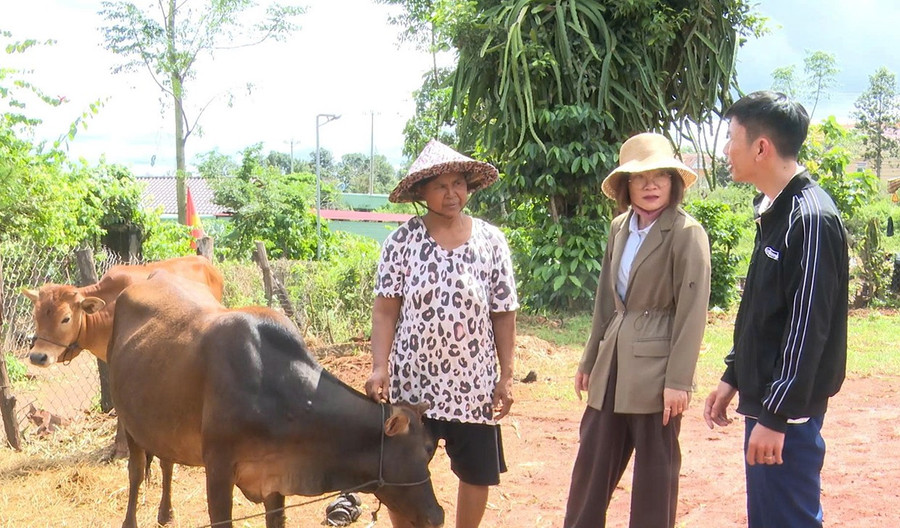
Chu Se commune is a typical locality for the above situation. The commune currently manages nearly 34,000 cattle and about 750,000 poultry - a very large number for a commune-level administrative unit. However, after the merger, all the grassroots veterinarians have quit their jobs, and the commune no longer has any specialized staff to monitor the livestock.
Mr. Nguyen Van Duong - Vice Chairman of the People's Committee of Chu Se Commune shared: "The area is large, the population is large but there is currently no veterinarian in charge. When people have problems with their livestock, the government will find it difficult to support them immediately. We hope to soon have veterinarians re-arrange in the village to provide technical guidance and timely handling, avoiding the risk of widespread epidemics."
The shortage of human resources comes from many causes, including low remuneration. The job requires a lot of travel, is hard work, and is often exposed to the risk of disease, but the income is only about 3 million VND/month after deducting insurance.
Mr. Ngo Kim Su (Greo Pet village) said: “It is difficult for a mid-level semi-professional officer to earn only over 3 million VND per month to work long-term. Rain or shine, he has to go to each household to check livestock and provide vaccinations. Everyone wants to stick with the job, but the income is low, so he has to quit.”
In Ia Phi commune, the shortage of human resources is even more obvious. With an area of over 21,000 hectares spread across 51 remote villages and hamlets and a total herd of nearly 43,000 livestock, vaccination, disinfection and disease surveillance are extremely difficult.
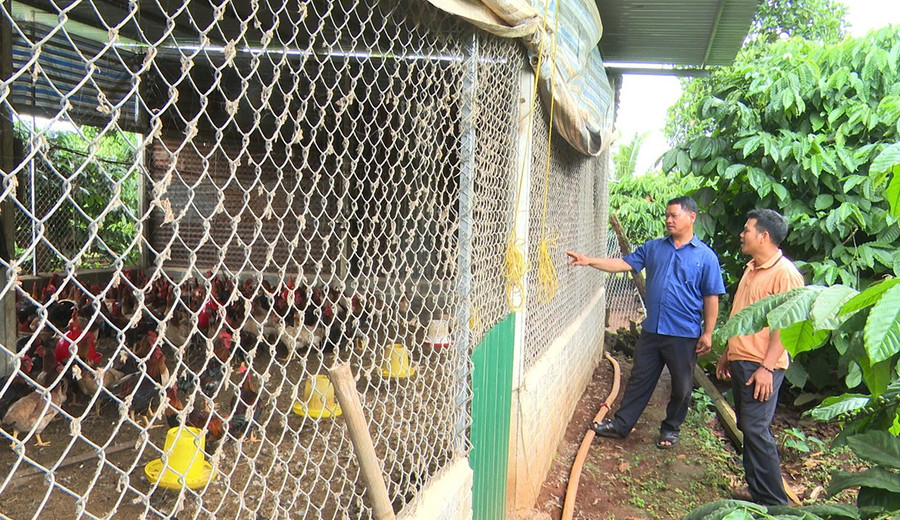
Mr. Ro Cham Phenh, Deputy Head of the Economic Department of Ia Phi Commune, said: “The area is divided and there are many small-scale livestock households. When an epidemic occurs, it is very difficult to go to each village and hamlet to isolate and handle the situation. We really need more veterinary staff to stay in the area to guide people.”
Meanwhile, people in villages far from the commune center also expressed their concerns. Mr. Ro Cham Yung (Mrong 3 village, Ia Phi commune) shared: “When cows or pigs get sick, we can only manage on our own. Without a veterinary facility, worries are always present. Because many times when an epidemic comes, early treatment can save the whole herd.”
These reflections show that without a veterinary force at the grassroots level, all disease prevention and control efforts from higher levels will be difficult to implement effectively.
Large gap from Phu Tuc commune
Phu Tuc is the locality with the largest herd of cows in the province with more than 22,000 cows, but after the merger, the commune no longer has a dedicated veterinary officer to monitor. This is a huge challenge, because cattle farming is the main industry of the commune and the main source of income for thousands of households.
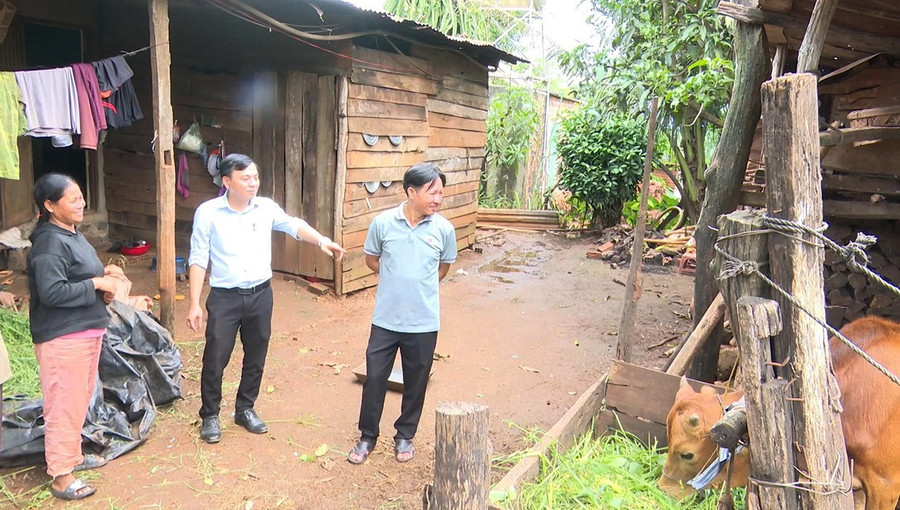
Mr. Pham Hong Son (Prong village) has been a part-time veterinary officer for many years. He has just quit his job for more than 3 months due to low income and switched to driving for hire. However, thanks to his many years of experience, he is still invited by the locality to support vaccination campaigns under contract.
“Buon Prong has more than 2,200 cows. Each vaccination session, our group of more than 10 people completes in 1 day. Each injection costs 4,000 VND. Even though I have quit my job, I still want to contribute so that people can feel secure in raising cattle,” Mr. Son shared.
Flexibly hiring experienced personnel is only a temporary solution and cannot replace the role of local veterinarians. Mr. Dang Hoai Chau, Chairman of the People's Committee of Phu Tuc Commune, admitted: "The commune maintains a force of rural and hamlet extension workers and people who have been trained in basic knowledge. When a dangerous epidemic occurs, we hire experts to isolate the area, vaccinate and handle the outbreak. However, this is still not a fundamental solution."
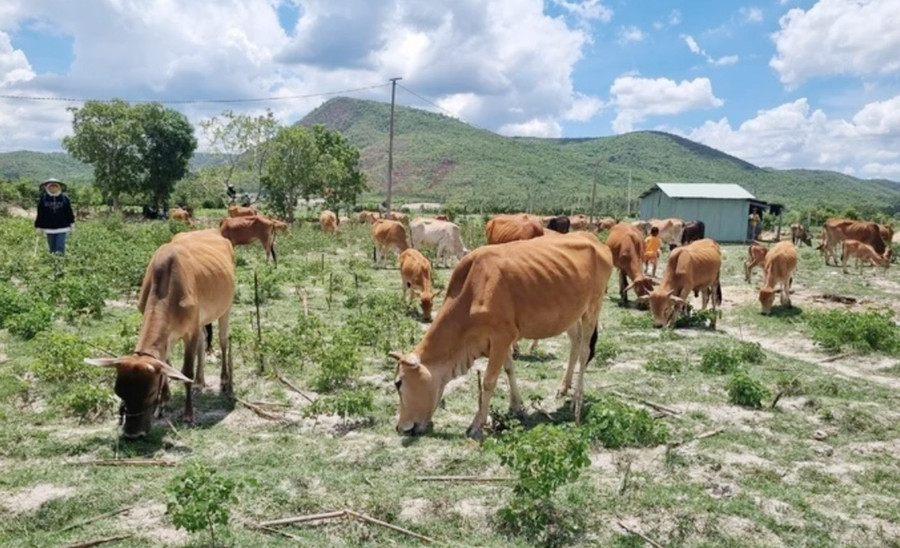
Many farmers in Phu Tuc are worried that without regular monitoring, the risk of disease will increase. Mr. Ngo Van Tam (Prong village) confided: “We really need someone to guide us on techniques, especially when cows show signs of illness. Without a veterinarian, we can only treat ourselves. If we treat incorrectly, we will lose all our assets.”
The shortage of veterinary staff at the grassroots level has created a big gap in disease prevention and control in Tay Gia Lai. To maintain and develop the livestock industry, ensure disease safety and protect people's livelihoods, synchronous solutions from salary, allowances to training and human resource allocation are needed.
When the veterinary force is strengthened, disease prevention work will be able to meet management requirements in the new period.
Source: https://baogialai.com.vn/thieu-hut-thu-y-co-so-nguoi-chan-nuoi-them-noi-lo-post573965.html


![[Photo] Cat Ba - Green island paradise](/_next/image?url=https%3A%2F%2Fvphoto.vietnam.vn%2Fthumb%2F1200x675%2Fvietnam%2Fresource%2FIMAGE%2F2025%2F12%2F04%2F1764821844074_ndo_br_1-dcbthienduongxanh638-jpg.webp&w=3840&q=75)




















































![[VIMC 40 days of lightning speed] Da Nang Port: Unity - Lightning speed - Breakthrough to the finish line](https://vphoto.vietnam.vn/thumb/402x226/vietnam/resource/IMAGE/2025/12/04/1764833540882_cdn_4-12-25.jpeg)












































Comment (0)