

In the second round of the election, Sandu won nearly 55% of the vote, while her opponent, Alexandr Stoianoglo, received 45%. Looking at these numbers, Sandu's victory seemed very clear. But in reality, she had just narrowly escaped defeat, allowing the EU to breathe a sigh of relief.
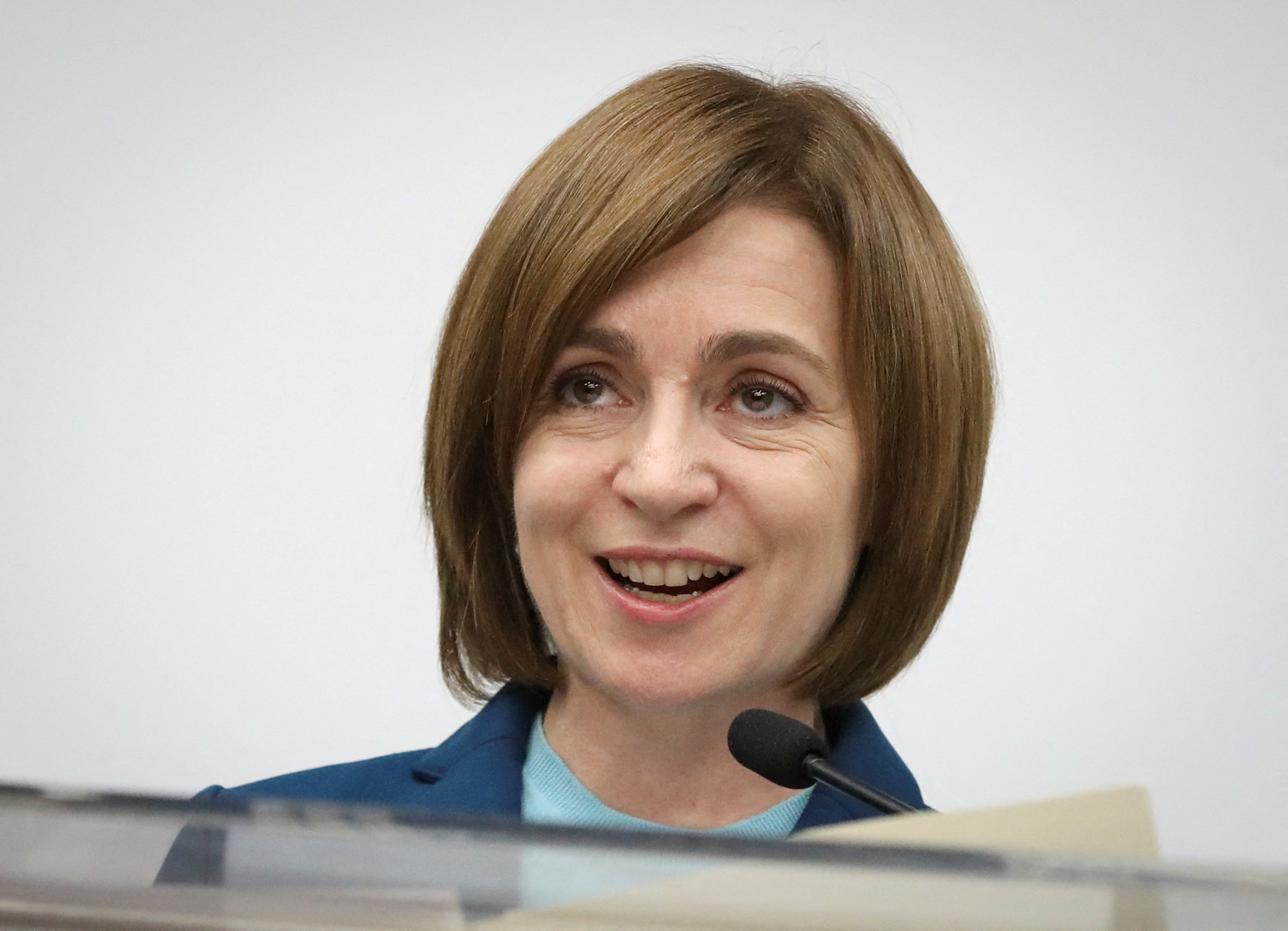
Ms. Maia Sandu
Previously, with the margin of support and opposition in the referendum on whether Moldova should rely on the EU being extremely narrow, Moldovan voters chose the EU – as Sandu intended and the EU expected. Against the backdrop of the ongoing conflict in Ukraine and the EU and NATO's confrontation with Russia dominating continental politics and security, the referendum result – even though it only reflected the will of slightly more than half of the Moldovan population – had the effect of rescuing both Sandu and the EU. This is particularly important after the victory of the pro-Russian faction in Georgia in the recent parliamentary elections.
Sandu and the EU played the card of accusing Russia of interfering in Moldovan's presidential election and referendum to prevent Stoianoglo from winning, as he was also considered pro-Russian. But even more noteworthy is that Sandu's re-election and the results of the Moldovan referendum were thanks to the votes of Moldovans abroad, particularly in EU member states. Without the support of this voter base, Stoianoglo would have won with nearly 52% of the vote, and the referendum results would not have been what Sandu and the EU had hoped for.
Isn't that a narrow escape? This foreshadows that Sandu's faction will not be able to maintain its current majority in the next parliamentary election. Bitter for this faction, but sweet for Russia and pro-Russian factions.
Source: https://thanhnien.vn/thoat-hiem-trong-gang-tac-185241105214612279.htm














































































Comment (0)