

Developing journalism as a cultural industry.
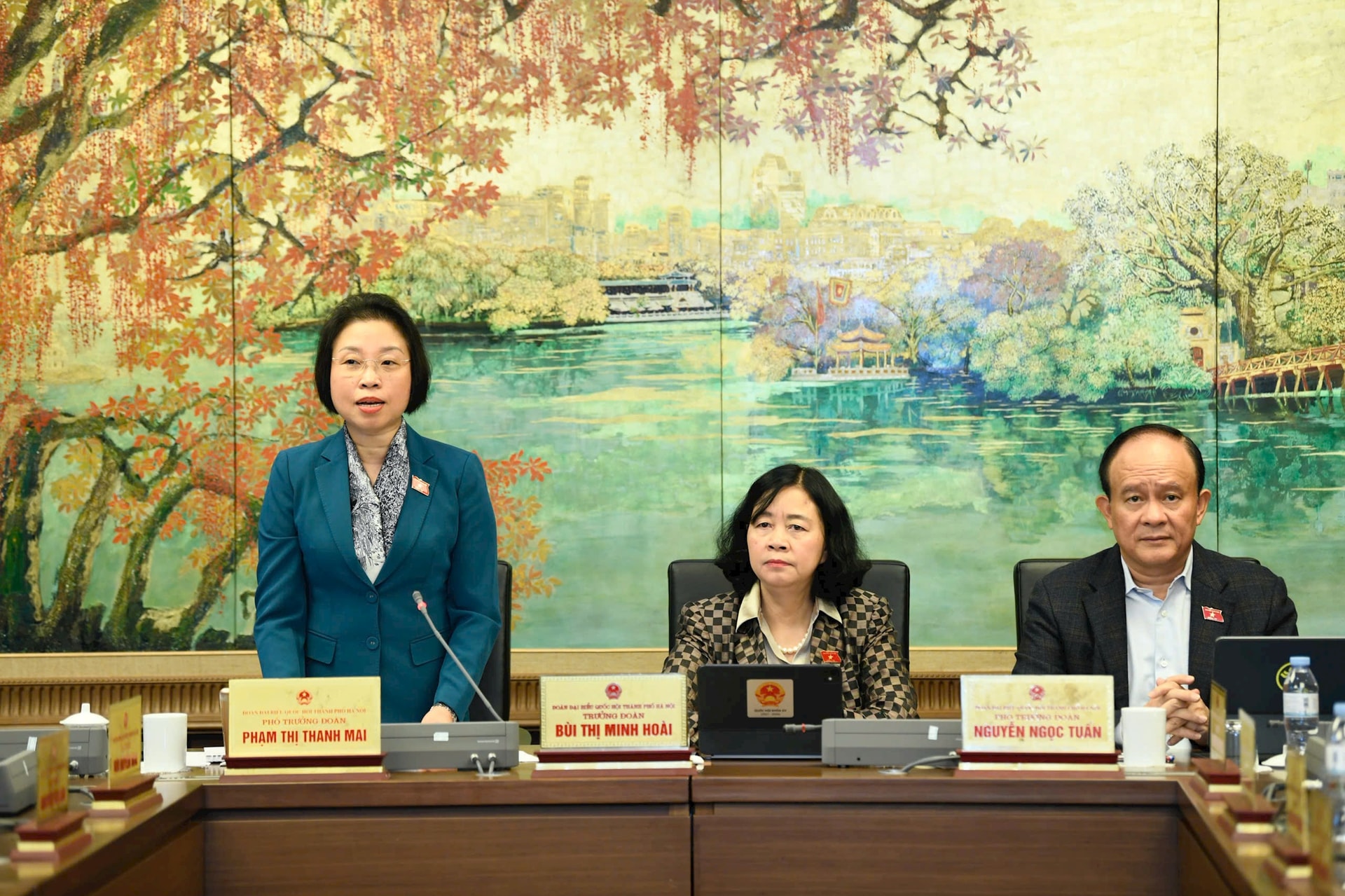
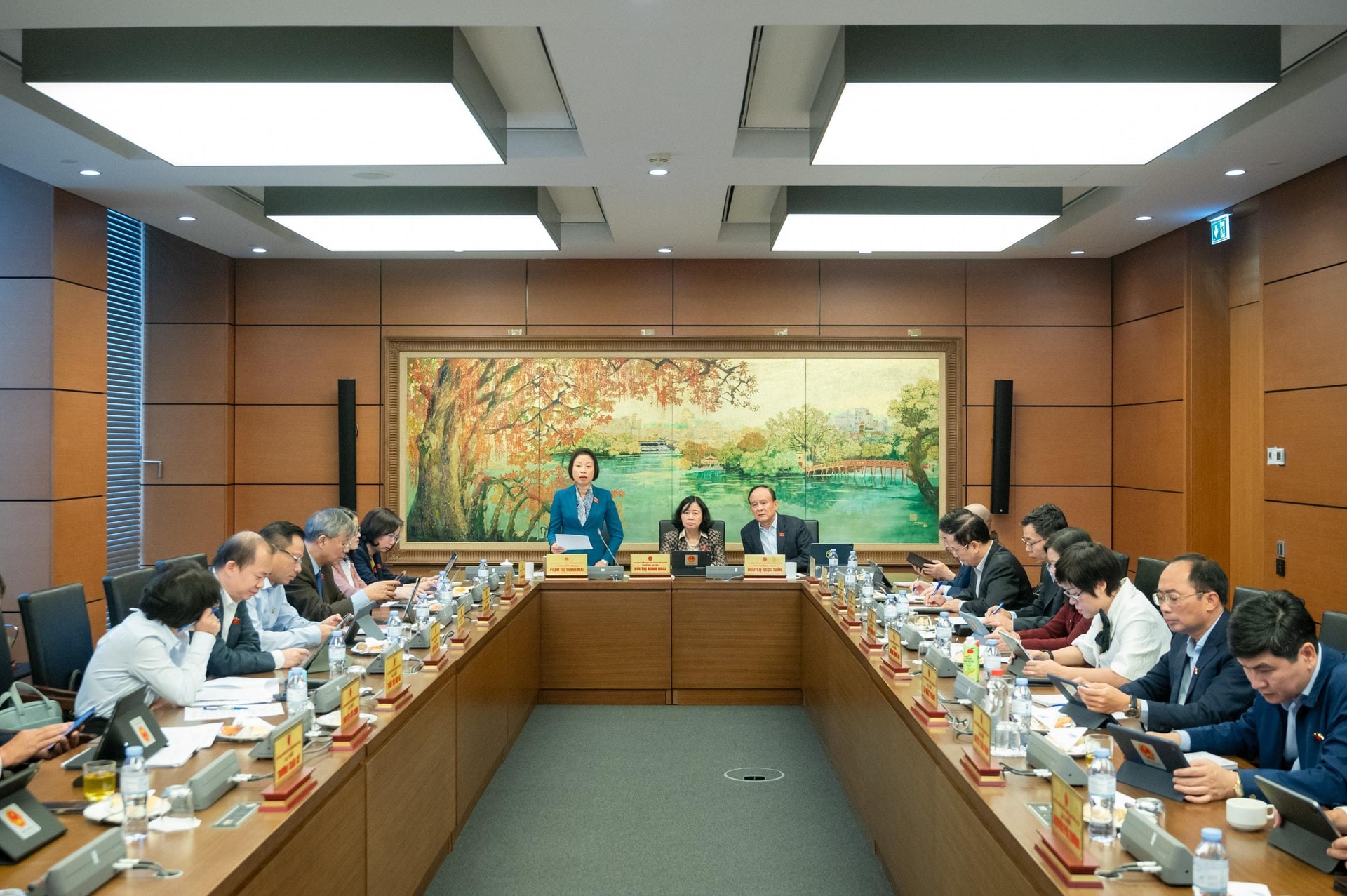
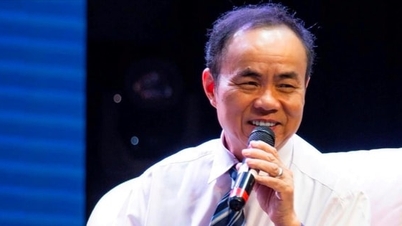
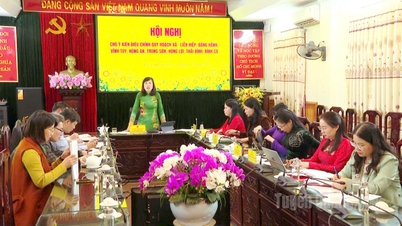
On the morning of October 23rd, continuing the program of the tenth session of the 15th National Assembly , during discussions in the Hanoi group, Associate Professor Dr. Bui Hoai Son, a full-time member of the National Assembly's Committee on Culture and Society and a National Assembly representative from Hanoi, expressed his interest in the Draft Law on Journalism (amended).
According to the delegate, this is a bill of law of special importance, not only for the development of Vietnam's revolutionary press, but also for the cause of building a rule-of-law state, socio-economic development, protecting sovereignty and enhancing national position in the new context.
Regarding the policy for scientific journals, Associate Professor Dr. Bui Hoai Son suggested that the drafting agency should consider limiting the journal to only reporting "on the activities and fields of operation of the governing body". Because currently, journals still publish political, economic, social information, major events of the country according to the direction of the press and state management agencies on the press to spread and create consensus in society about the messages, policies, and major, important decisions of the Party and State.
Regarding foreign press, multilingual media and international integration, the draft Law has provisions on international cooperation. However, delegates said that it is necessary to emphasize more the role of foreign press in promoting the national image. In particular, it is necessary to encourage the development of multilingual press, television and radio channels - especially English and languages of neighboring countries.
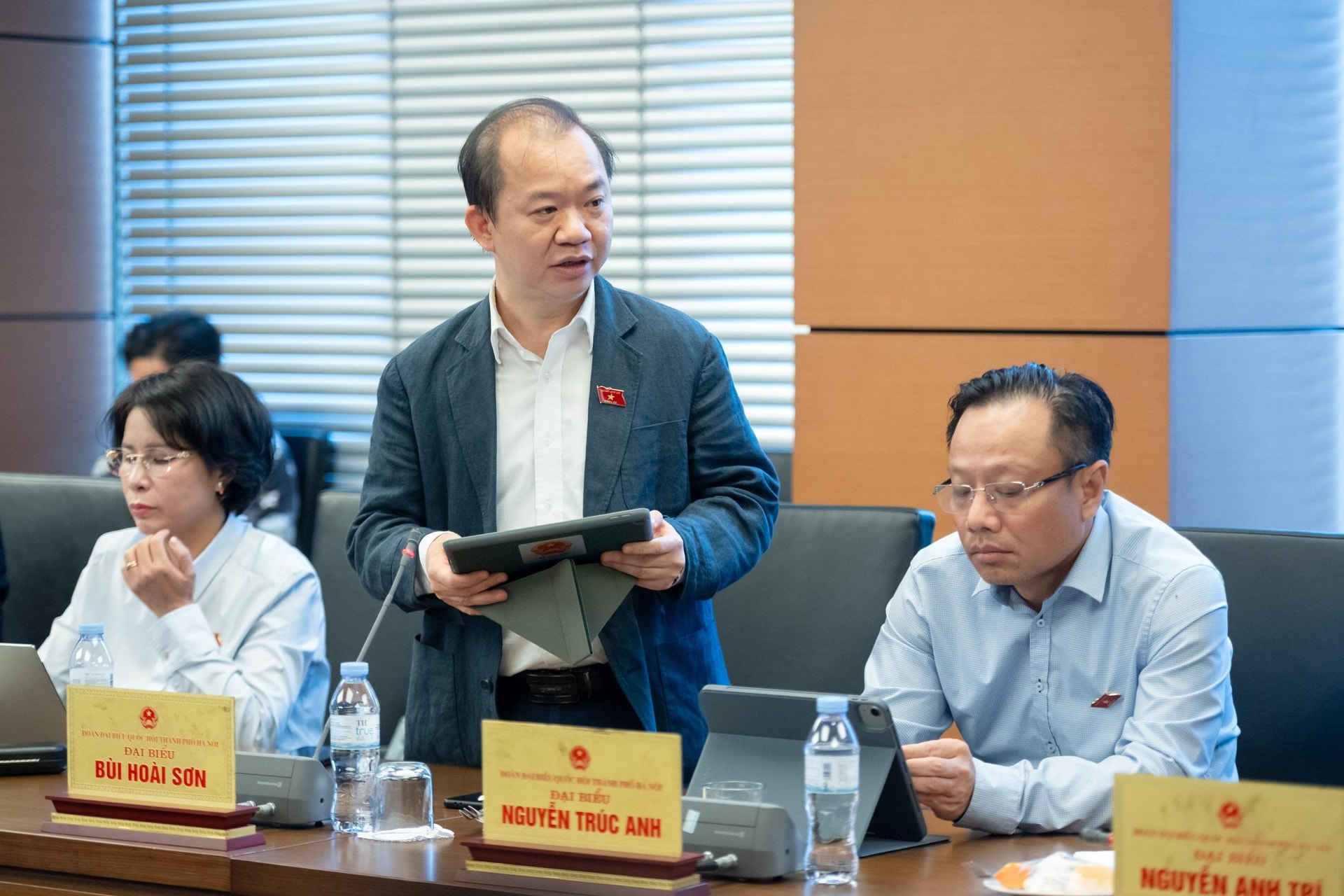
Furthermore, delegate Bui Hoai Son suggested that there should be mechanisms and policies to enable Vietnamese media outlets to collaborate with international partners in content production. This would both improve the quality of domestic journalism and help ensure that Vietnam's image is reflected truthfully and objectively on the international stage.
Regarding press management decentralization and press economic model, Associate Professor Dr. Bui Hoai Son said that one of the major trends today is decentralization, delegation of power and streamlining of the apparatus. The draft Law stipulates that the provincial People's Committee is responsible for state management of local press, but it is necessary to clarify the authority and coordination responsibility of the provincial People's Committee in managing representative offices and resident reporters of central press.
Along with that, it is necessary to study and expand the rights of localities in licensing a number of publications, supplements, and columns; at the same time, strengthen the responsibility of inspecting and supervising press activities at the local level. "This will help the press to be closely linked to people's lives, accurately reflect reality, and at the same time reduce the burden on central management agencies," the delegate suggested.
Regarding the economics of journalism, the draft Law needs to emphasize the mechanism of ordering and bidding for public tasks and targeted public investment linked to economic and technical norms in the field of journalism with the criteria of "3 easy": Easy to understand, easy to apply, easy to implement.
According to the delegate, this will be an important resource to help the press perform its political tasks well. At the same time, the Law should also expand the legal framework for forms of association, socialization, public-private cooperation in the press, with breakthrough preferential policies on tax, land, credit access, etc. for press agencies, including with associated partners when organizing cultural events, community activities, etc.
Furthermore, Associate Professor Bui Hoai Son believes that the draft law not only creates a legal framework for journalistic activities, but also paves the way for journalism to develop as a modern cultural industry...
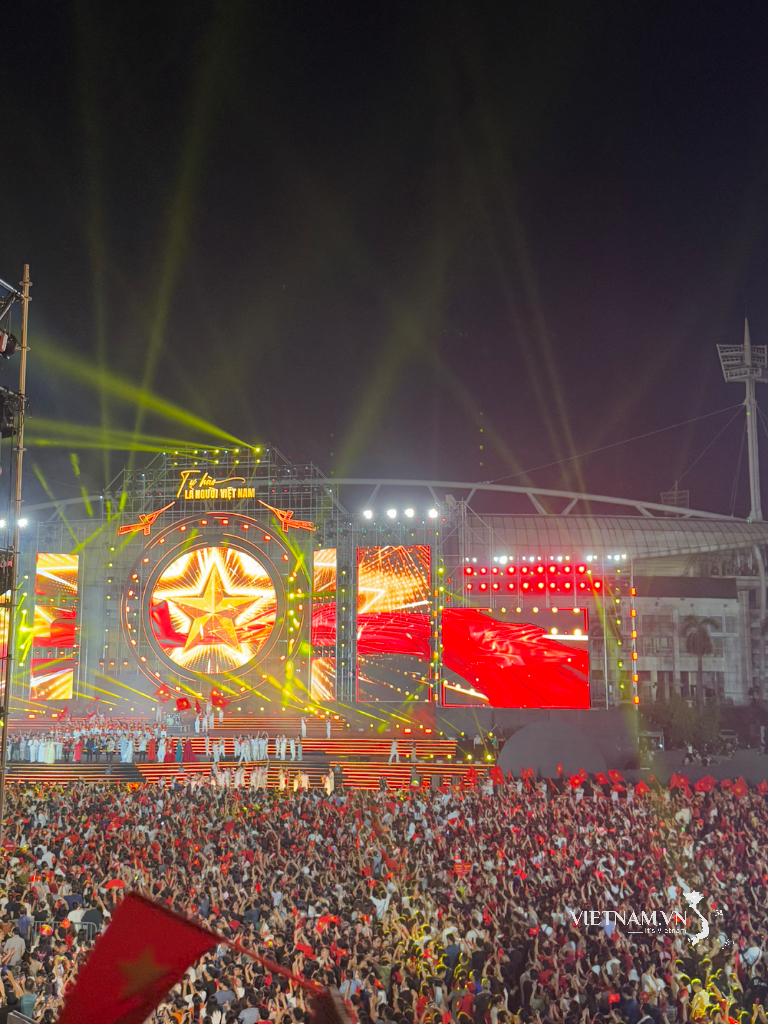
When the press is placed in the cultural industrial ecosystem, we can create a large value-added chain that serves political tasks, contributes to economic growth and promotes the national image. The delegate cited reality showing that the press can completely become the nucleus of large-scale cultural and creative events in recent times. These events prove that the press, when combined with modern technology, performing arts and the media market, can become the center of the cultural industry.
Thus, the Press Law (amended) needs to supplement clearer mechanisms and policies so that the press can operate as a cultural industry: from financial mechanisms based on ordering and bidding for public tasks, to allowing cooperation with domestic and foreign organizations and businesses.
In particular, policies promoting innovation in the spirit of Resolution 57, applying digital technology, artificial intelligence and big data, and expanding foreign press coverage... thereby helping Vietnamese journalism reach out to the world...
The responsibility of media organizations in ensuring copyright protection.
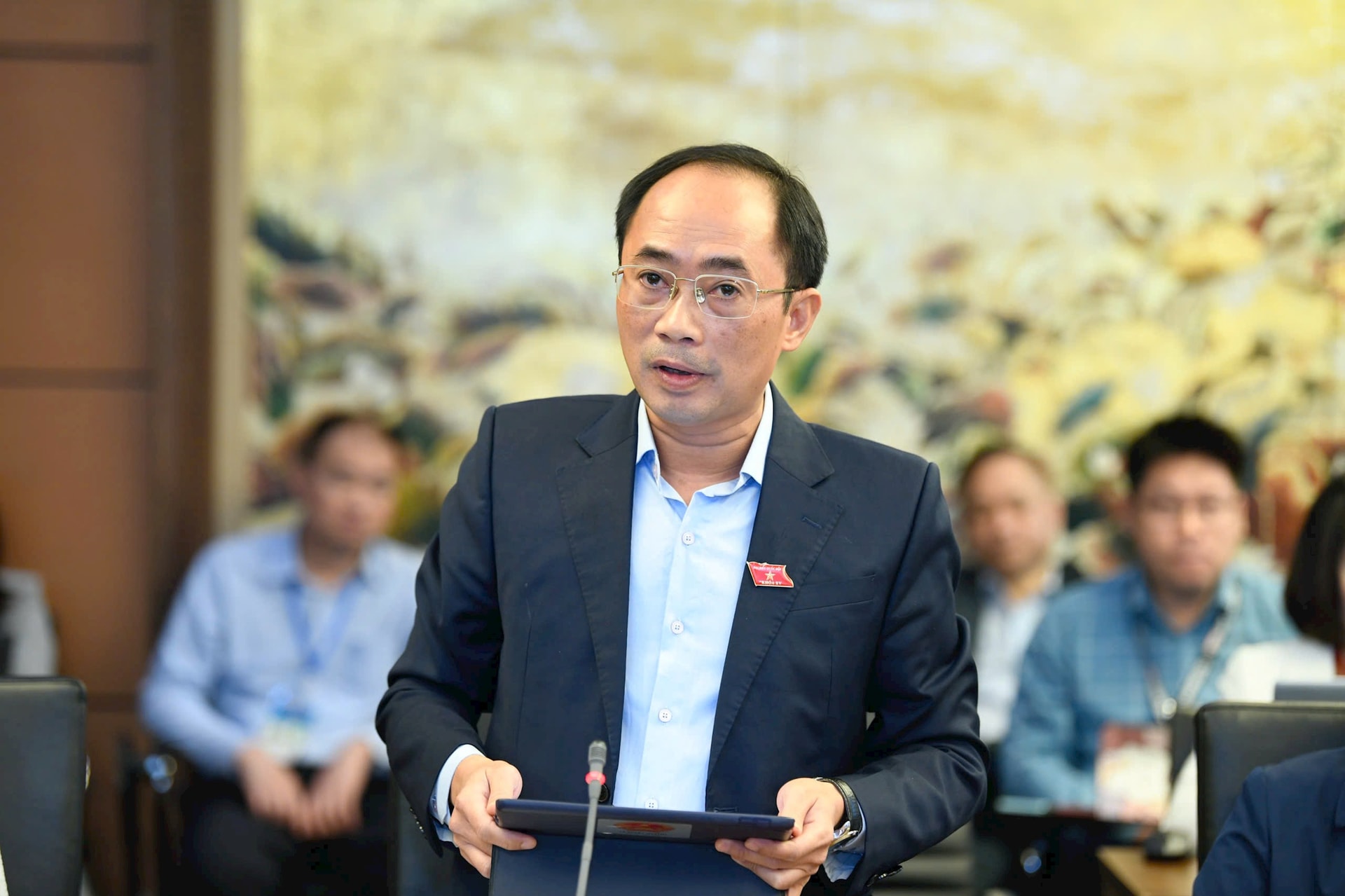
Meanwhile, delegate Le Nhat Thanh (Hanoi delegation) expressed concern about the content regarding the revocation of press operating licenses in Article 20, which stipulates: "If a press agency has a press operating license but does not operate, the license becomes invalid."
Regarding this content, to ensure transparency, the delegate proposed to clarify how long a press agency has a press license but does not operate for, before the license expires. In addition, to save time, resources, and reduce unnecessary administrative procedures, the delegate proposed to study and supplement the principled provisions on the case where, although a press agency has a press license, it does not operate due to objective reasons, the period of inactivity is not considered the basis for determining the expiration of the press license.
Regarding copyright in the field of journalism (Article 39), delegates found that the provision that "press agencies must comply with the law on copyright and related rights when publishing and broadcasting press works" only stops at citing the application of the provisions of the Law on Intellectual Property and has not created new value for the field of journalism.
Furthermore, the regulations as drafted in the Law will lead to gaps in determining the responsibility of media organizations and delineating copyright and related rights for journalistic works that use artificial intelligence (AI) (using AI to write news, edit photos, create videos, etc.).
Therefore, the delegate suggested that the drafting committee consider and revise the provisions in Article 39 of the draft Law in the direction of researching and supplementing the responsibility of press agencies in ensuring copyright and related rights when using AI to create press works, while clearly defining the principle of transparency and determining legal responsibility.
Source: https://hanoimoi.vn/thuc-hien-co-che-dat-hang-nhiem-vu-doi-voi-cac-co-quan-bao-chi-720623.html
















![[Video] The craft of making Dong Ho folk paintings has been inscribed by UNESCO on the List of Crafts in Need of Urgent Safeguarding.](https://vphoto.vietnam.vn/thumb/402x226/vietnam/resource/IMAGE/2025/12/10/1765350246533_tranh-dong-ho-734-jpg.webp)













































Comment (0)