

Enhance protection for vulnerable groups in cyberspace.
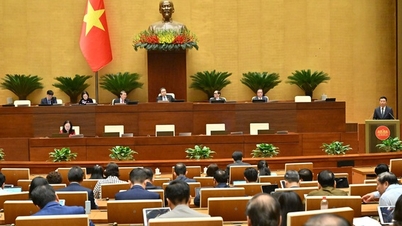
The National Assembly voted to pass the following bills: the Law on Cybersecurity, the Law on Protection of State Secrets (amended); the Law amending and supplementing a number of articles of 10 laws related to security and order; and the Law amending and supplementing a number of articles of the Law on National Defense and Security Industry and Industrial Mobilization.
The Cybersecurity Law was passed by merging two laws into one comprehensive law (the Law on Network Information Security of 2015 and the Law on Cybersecurity of 2018).
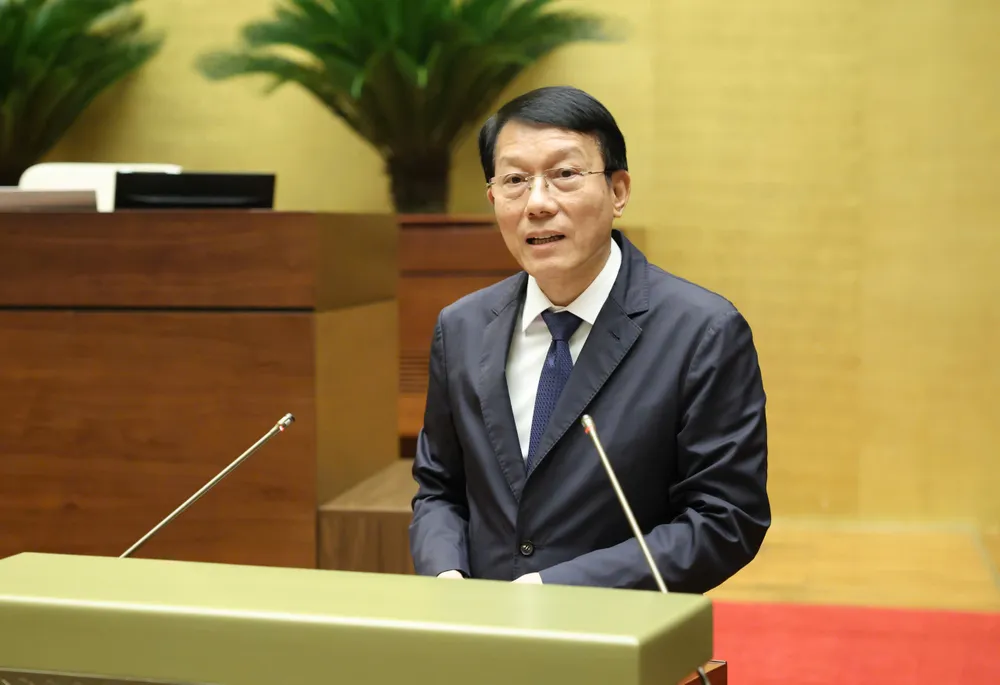
The Cybersecurity Law includes provisions to control new technologies (AI, Deepfake). Accordingly, the law strictly prohibits the use of AI or new technologies to falsify videos , images, or voices for the purpose of violating the law. This is an important new regulation to address the increasingly complex issue of high-tech fraud and defamation.
The law also clearly defines five levels of information system security, based on the level of damage if an incident occurs (from damage to personal rights to damage to national security). The law also specifies the responsibility to protect vulnerable groups in cyberspace (children, the elderly, and those with cognitive difficulties).
The use of AI to infringe on state secrets is prohibited.
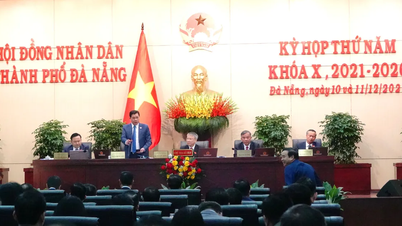
The amended Law on Protection of State Secrets, passed by the National Assembly this morning, December 10th, includes a provision strictly prohibiting the use of artificial intelligence (AI) or new technologies to infringe upon state secrets. Simultaneously, the law adds provisions outlining the responsibilities of agencies, organizations, and individuals in the deployment and use of AI.
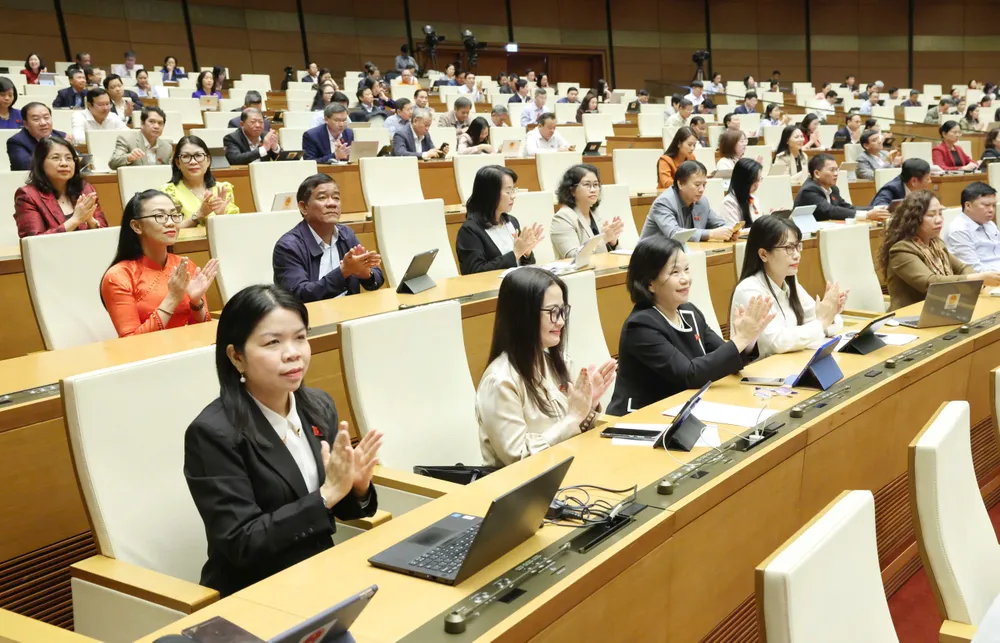
The Law on Protection of State Secrets (amended) has simplified the procedure for destroying state secret documents. Accordingly, the establishment of a destruction council is only mandatory for documents classified as top secret; for highly secret and secret documents, the Government will specify the detailed procedure (it is not necessary to establish a council)...
Remove the requirement to install child safety seats.
Regarding the Law amending and supplementing a number of articles of 10 laws related to security and order, the National Assembly voted to approve and agreed on many important contents. In particular, the Law on Entry, Exit, Transit, and Residence of Foreigners in Vietnam stipulates preferential visa treatment for foreigners who are high-quality digital technology industry personnel and other cases eligible for preferential treatment as prescribed by laws, resolutions of the National Assembly, and resolutions of the Standing Committee of the National Assembly; it also adds provisions for temporary visa exemption for foreigners belonging to special categories requiring preferential treatment to serve socio-economic development, while ensuring national defense, national security, and social order and safety as prescribed by the Government.
Regarding the Law on Identity Cards, the law adds a provision entrusting the Government with the responsibility of stipulating the roadmap and deadlines for completing the connection and sharing of data with the National Population Database to ensure the timely completion of data interoperability, connection, and utilization.
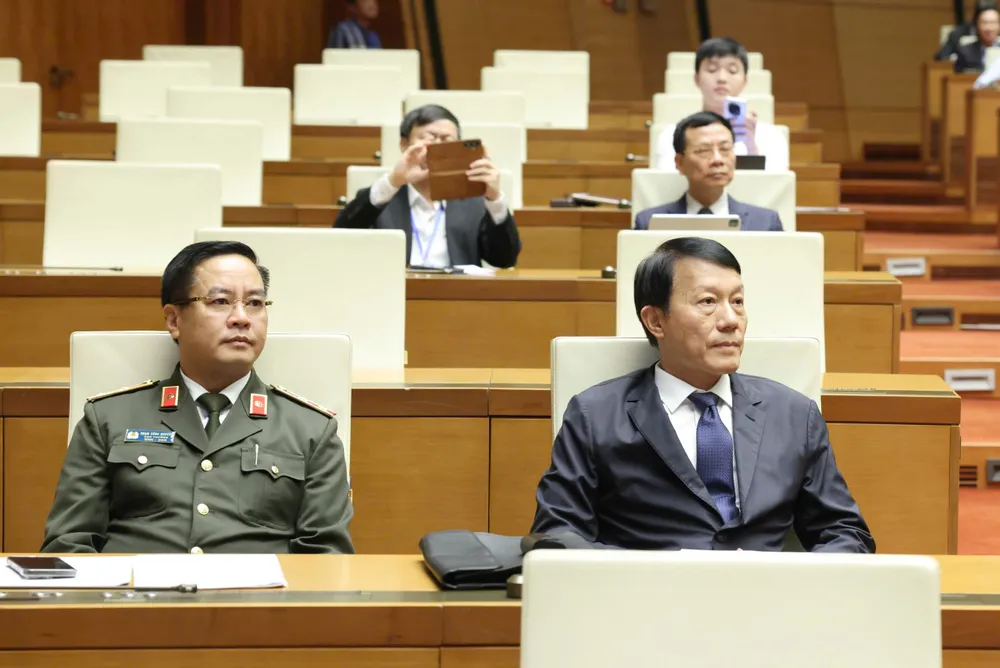
Regarding the Law on Road Traffic Order and Safety, the law adds the provision "requiring the installation of image recording devices on drivers for passenger transport vehicles with less than 8 seats (excluding the driver's seat), goods transport vehicles (except tractor-trailers), and internal transport vehicles," effective from January 1, 2028.
The regulation requiring the installation of video recording devices in the passenger compartment of passenger transport vehicles with 8 or more seats (excluding the driver's seat) will take effect from January 1, 2029, and will be implemented according to a roadmap stipulated by the Government.
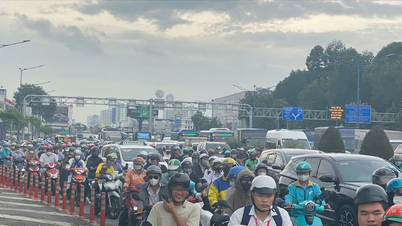
The law has removed the mandatory requirement to install child safety seats in commercial passenger vehicles such as taxis and buses, while still maintaining the requirement that vehicles carrying children under 10 years old or under 1.35m tall must have appropriate safety equipment.
Source: https://www.sggp.org.vn/tre-em-nguoi-cao-tuoi-la-doi-tuong-duoc-bao-ve-tren-khong-gian-mang-post827859.html
![[Photo] Explore the US Navy's USS Robert Smalls warship](/_next/image?url=https%3A%2F%2Fvphoto.vietnam.vn%2Fthumb%2F1200x675%2Fvietnam%2Fresource%2FIMAGE%2F2025%2F12%2F10%2F1765341533272_11212121-8303-jpg.webp&w=3840&q=75)


![[Photo] The captivating scenery of the fragrant maple forest in Quang Tri](/_next/image?url=https%3A%2F%2Fvphoto.vietnam.vn%2Fthumb%2F1200x675%2Fvietnam%2Fresource%2FIMAGE%2F2025%2F12%2F10%2F1765353233198_lan09046-jpg.webp&w=3840&q=75)



















![[Video] The craft of making Dong Ho folk paintings has been inscribed by UNESCO on the List of Crafts in Need of Urgent Safeguarding.](https://vphoto.vietnam.vn/thumb/402x226/vietnam/resource/IMAGE/2025/12/10/1765350246533_tranh-dong-ho-734-jpg.webp)


























































Comment (0)