

According to the Provincial Agricultural Extension Center (BTO), the community-based agricultural extension model is a new direction. Its purpose is to connect the agricultural extension system with the business community, political and social organizations, and professional associations to better support people in applying technological advancements and useful solutions to production, helping to improve livelihoods, increase income, and contribute to building an efficient and sustainable agricultural sector towards ecological agriculture, modern rural areas, and civilized farmers.
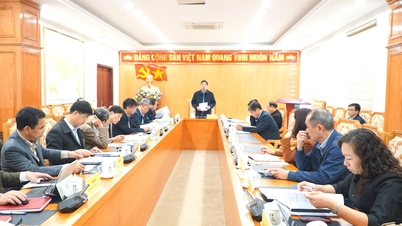
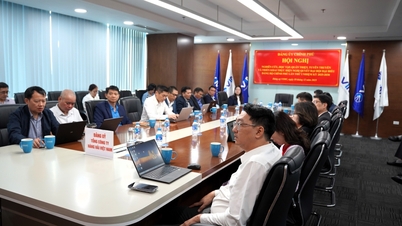
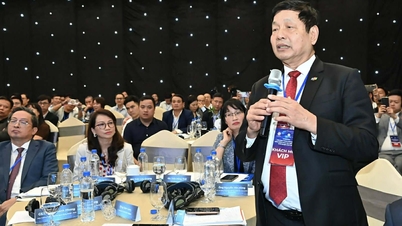
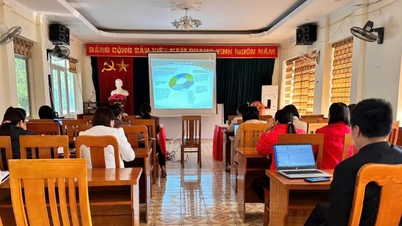
The Provincial Agricultural Extension Center recently held an online conference to review, provide feedback, and implement the establishment of effective community agricultural extension teams. More than 80 delegates attended the conference, both in person and online, including representatives from the Provincial New Rural Development Coordination Office; the Provincial Farmers' Association; the Economic Departments, Agriculture and Rural Development Departments, and Agricultural Technical Service Centers of districts, towns, and cities; leaders of commune People's Committees with community agricultural extension teams; and team leaders of community agricultural extension teams throughout the province.
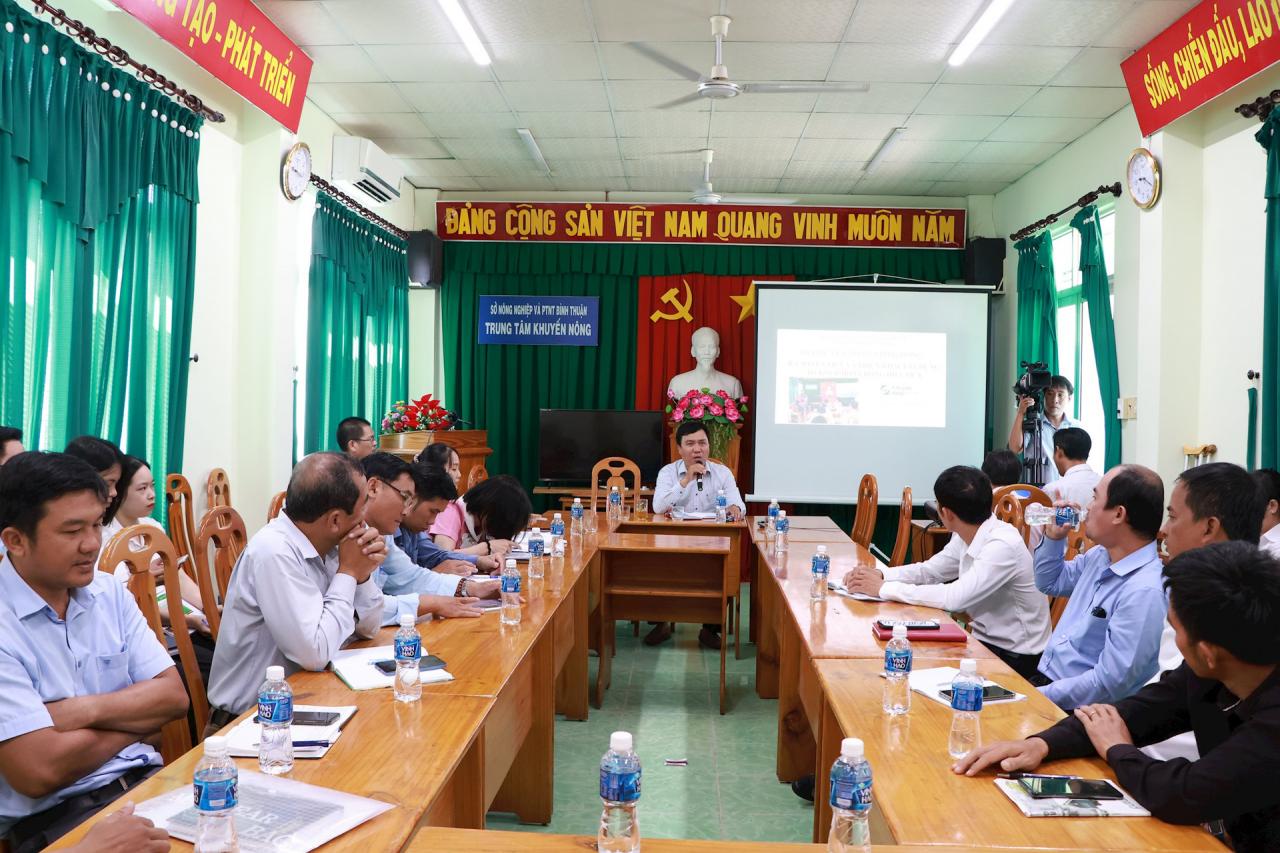
This is one of the contents implementing the policies and tasks regarding the objectives of the National Program for Building New Rural Areas (NRA). To successfully complete criterion 13 on rural production organization and economic development, the guidance, inspection, and evaluation of sub-criterion 13.5, including the effective operation of community agricultural extension groups, is extremely important. At the same time, it is crucial to promote community agricultural extension activities as directed by the Ministry of Agriculture and Rural Development.
At the workshop, leaders of the Provincial Agricultural Extension Center and delegates discussed, reviewed, and contributed many ideas. Among them, it was determined that the establishment of community agricultural extension groups must be linked to a proactive shift from a support-oriented agricultural extension mindset to a connected, multi-valued agricultural extension mindset, linked to knowledge and skills in agricultural economics. Currently, the 67 community agricultural extension groups in the province operate on a part-time basis, resulting in fragmented resources and connections, and still largely a movement-based approach.
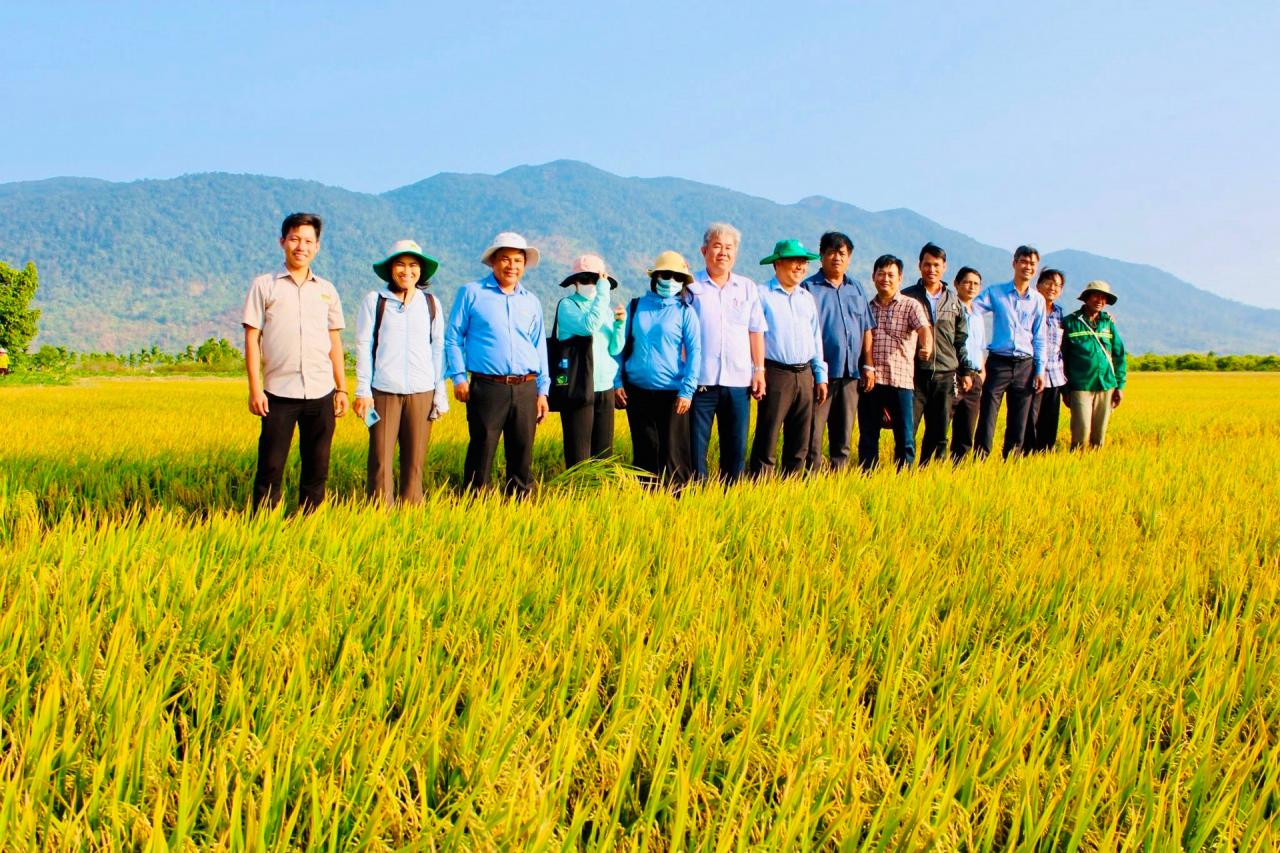
In the first six months of 2024, the Provincial Agricultural Extension Center restructured and strengthened its system, using various funding sources to promote and organize five training courses on agricultural extension techniques and methods, including community-based methods, for grassroots agricultural extension workers and heads of community agricultural extension groups in communes. Currently, the "Binh Thuan Digital Agriculture" software is being used to trace the origin and ensure product transparency, creating value to facilitate multi-channel sales. With the attention and guidance of the Provincial People's Committee and the Department of Agriculture and Rural Development, it is hoped that community agricultural extension groups will be built to suit practical needs, operate effectively, meet the needs of farmers, and become the main force of the agricultural sector at the grassroots level.
Earlier in 2022, the Ministry of Agriculture and Rural Development approved the pilot project "Improving the effectiveness of agricultural extension work based on consolidating the community agricultural extension group model," implemented in 13 provinces. After two years of piloting, the community agricultural extension group model has shown positive signs. In addition to the 26 pilot community agricultural extension groups in the 13 participating provinces, the project has established an additional 846 expanded community agricultural extension groups, with a total of 7,829 members…
K. HANG
Source

![[Photo] The captivating scenery of the fragrant maple forest in Quang Tri](/_next/image?url=https%3A%2F%2Fvphoto.vietnam.vn%2Fthumb%2F1200x675%2Fvietnam%2Fresource%2FIMAGE%2F2025%2F12%2F10%2F1765353233198_lan09046-jpg.webp&w=3840&q=75)
![[Photo] Explore the US Navy's USS Robert Smalls warship](/_next/image?url=https%3A%2F%2Fvphoto.vietnam.vn%2Fthumb%2F1200x675%2Fvietnam%2Fresource%2FIMAGE%2F2025%2F12%2F10%2F1765341533272_11212121-8303-jpg.webp&w=3840&q=75)























![[Video] The craft of making Dong Ho folk paintings has been inscribed by UNESCO on the List of Crafts in Need of Urgent Safeguarding.](https://vphoto.vietnam.vn/thumb/402x226/vietnam/resource/IMAGE/2025/12/10/1765350246533_tranh-dong-ho-734-jpg.webp)























































Comment (0)