

The Central Coastal Urban Development Project, aimed at green growth and climate change adaptation, in Dong Ha City, is financed by a loan from the French Development Agency (AFD), with a total investment of 42.36 million Euros (equivalent to nearly 1.153 billion VND), to be implemented from 2024-2027. The project aims to develop Dong Ha City into a green, climate-resilient urban area in accordance with the city's planning until 2030, with a vision to 2045, approved by the Provincial People's Committee, and the overall urban development plan for Vietnam until 2025, with a vision to 2050, approved by the Government .
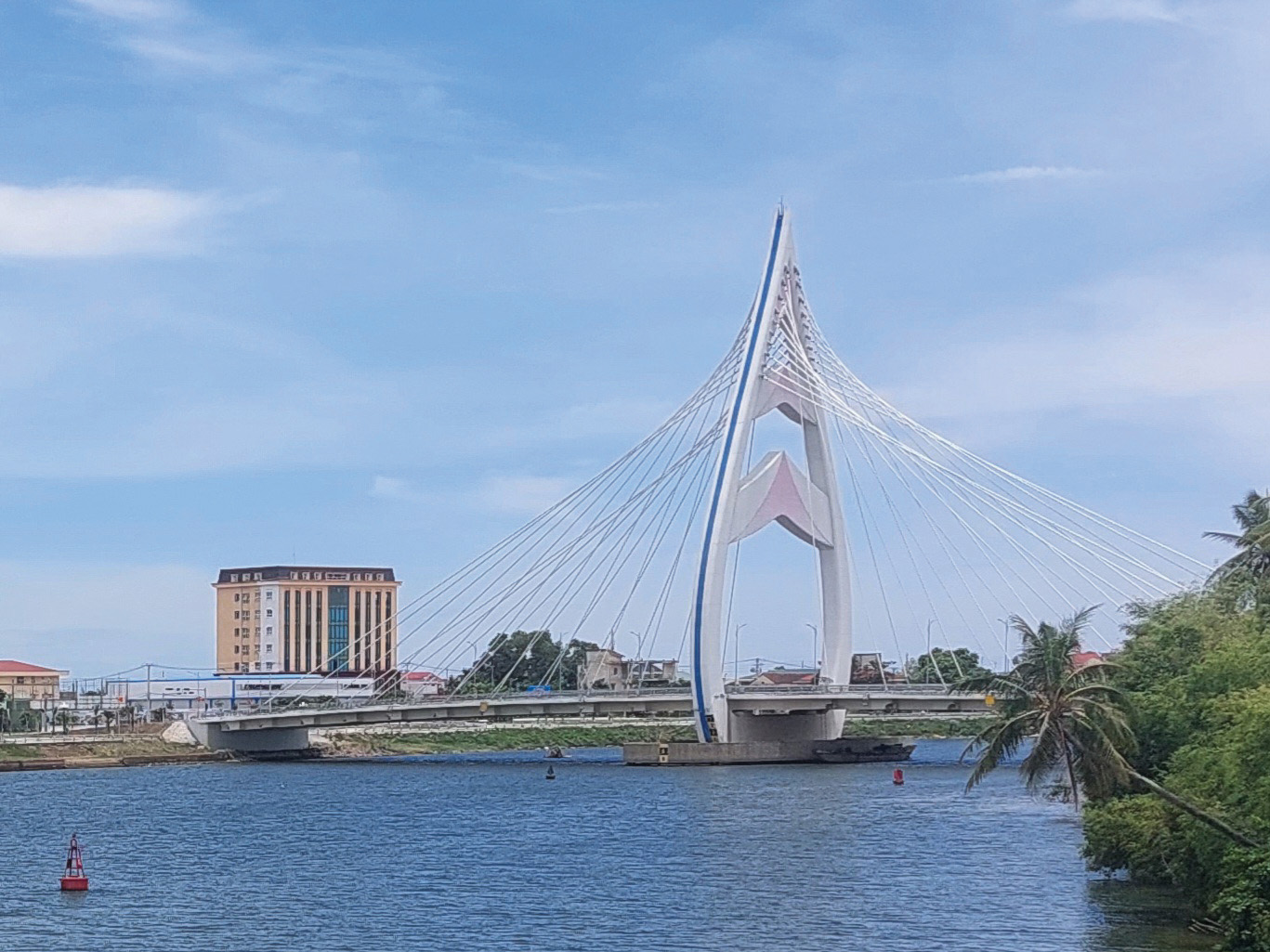
Dong Ha city cable-stayed bridge - Photo: NTH
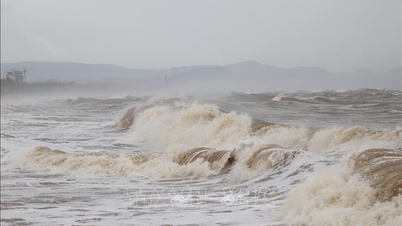
Like many coastal cities in Central Vietnam located in areas heavily impacted by climate change, natural disasters, and floods, Dong Ha City is frequently affected by unusual natural disasters causing flooding, riverbank erosion, and saltwater intrusion.
The Central Coastal Urban Development Project, aimed at green growth and climate change adaptation, in Dong Ha City, was studied across 9 wards in the city center, covering a total area of approximately 73 km² .
This is an old urban area, the political, economic , cultural, and social center of Dong Ha City and Quang Tri Province; it is also a long-established residential area with a high population density, leading to flooding and environmental pollution that affect a large number of city residents. Implementing this project will contribute to improving the urban infrastructure system, ensuring green growth, and addressing the negative impacts of climate change, creating a sustainable living environment for urban residents.
The investment scale of the project belongs to group B, including 2 components of construction investment and technical support, capacity building, invested by Dong Ha City People's Committee. The project includes the following items: Construction of embankment and dredging of the flow around Hoi Song, about 4,690 m long; Embankment of the West bank of Thach Han River and the North bank of Vinh Phuoc River, including 5 sections with a total length of about 7,018 m; Construction of embankment combined with dredging of the flow from the downstream of Trung Chi Lake's flood spillway to Dong Luong Ward's fields and the system of works on the embankment; improvement of the drainage system downstream of Khe May Lake; Upgrading the infrastructure of the South of Hieu River.
Upgrading and improving infrastructure in low-income areas; supporting urban development planning, climate change adaptation, and flood management; supporting pilot city programs implementing urban development plans and green growth in Vietnam; supporting local economic activities and creating green jobs. The project is currently in the land clearance phase.
On October 4, 2024, AFD leaders announced the conclusions regarding the implementation of the project in Quang Tri province. Accordingly, AFD agreed to the bidding process for the packages starting in November 2024. The deadline for the first disbursement of the grant loan was extended to June 30, 2025, with the amount disbursed in 2025 being sufficient to cover all advances and estimated at approximately 11 million Euros.
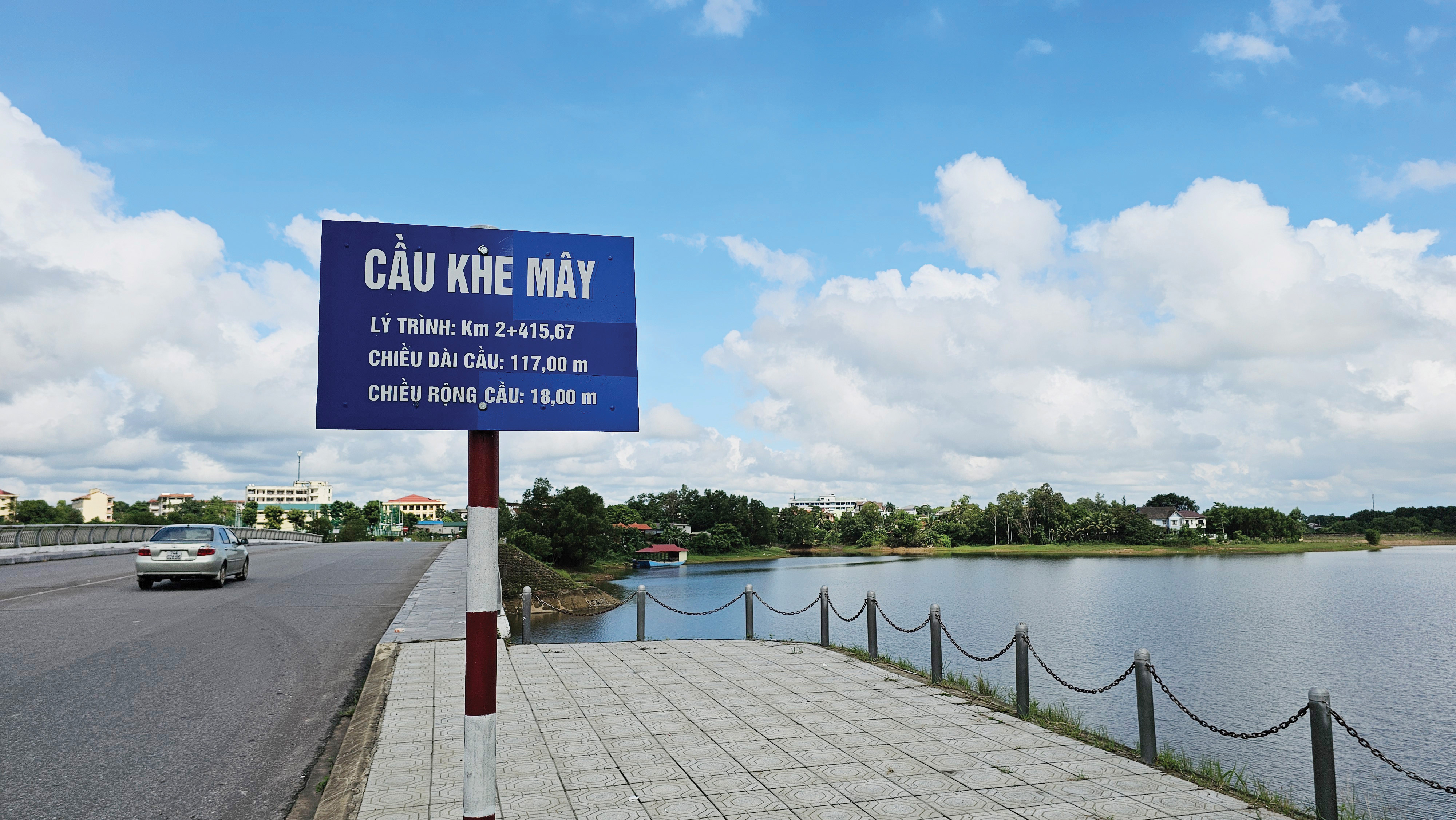
Khe May Lake, a green space in Dong Ha city - Photo: NTH
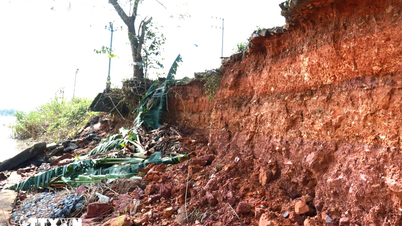
Currently, in Dong Ha City, the banks of the Hoi Song River are unpaved and no roads have been built. Since 2008, during the rainy season, these riverbanks have frequently eroded, with a length of 4,690 meters, a width of 4-7 meters, and a depth of 2 meters.
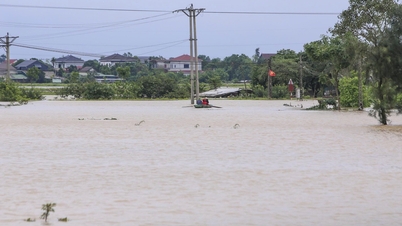
Every year, floodwaters from upstream cause inundation, submerging land and crops, and severely impacting the lives of the people. The construction of the Hoi Song embankment will clear and widen the waterway, regulate water levels, prevent erosion, improve the urban infrastructure, ensure rescue and relief efforts during natural disasters, improve living conditions, protect lives and property, preserve arable land, and stabilize the lives of the people.
In the western bank of the Thach Han River and the northern bank of the Vinh Phuoc River, many sections have not been invested in with the construction of riverbank erosion control embankments. Every year during the rainy season, the riverbanks erode, encroaching 3 to 5 meters inland and causing the loss of agricultural land for the local people.
The construction of riverbank protection embankments contributes to preventing flooding in residential areas along the riverbanks, combating saltwater intrusion; preventing and limiting erosion, maintaining riverbank stability, and avoiding damage to people's lives, property, and other infrastructure.
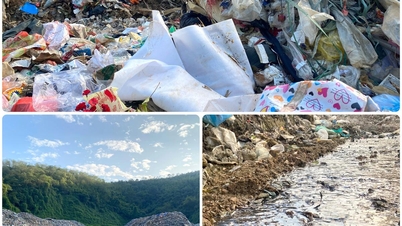
Regarding the drainage system downstream of Trung Chi Lake and Khe May Lake, currently, the drainage canals are located within the urban area, and wastewater and garbage are discharged into them, causing environmental pollution. Furthermore, in some locations, land encroachment has narrowed the canals, obstructing water flow and causing flooding. Upgrading and improving the drainage system downstream of the lakes within the city will enhance the urban landscape and mitigate environmental pollution.
Along the route, investments will also be made in constructing regulating lakes to create green spaces and mitigate the urban heat island effect. In addition, the project to upgrade infrastructure south of the Hieu River and improve transportation, water supply, and drainage infrastructure in low-income residential areas will create a modern and beautiful landscape, while also managing land resources, ensuring environmental hygiene, preventing water pollution, and contributing to improving the quality of life for residents in the surrounding area, protecting the population in a sustainable manner.
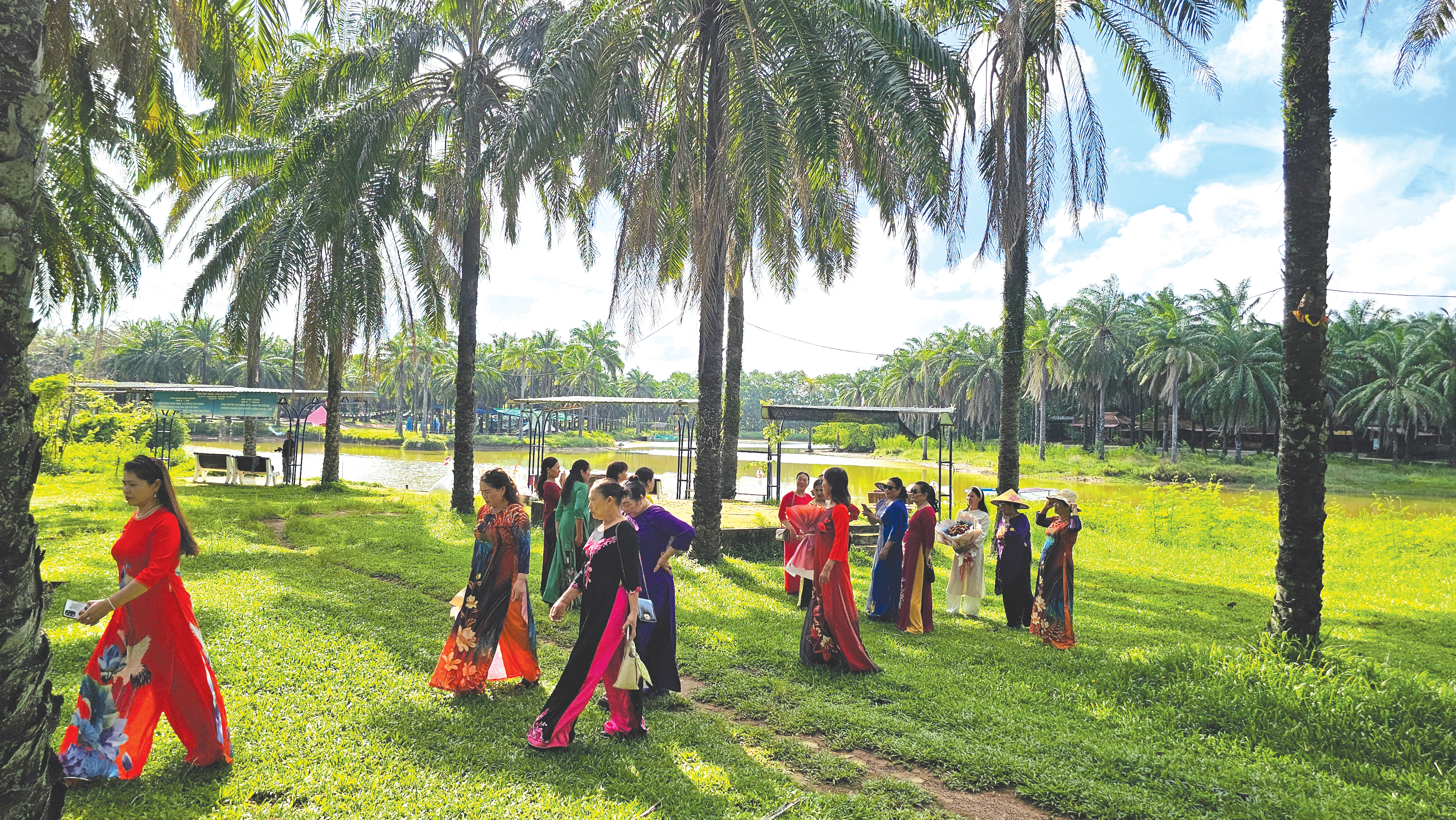
The Oil Palm Park has become a popular check-in spot - Photo: NTH
According to Le Thi Ngoc Ha, Head of the Urban Management Department of Dong Ha City, along with other projects invested in the past, the Central Coastal Urban Development Project, aimed at green growth and climate change adaptation, contributes to fundamentally addressing the challenges of flood control, riverbank erosion, and saltwater intrusion in Dong Ha City under the increasingly unpredictable conditions of climate change.
In addition, the project's construction investments are gradually improving the urban infrastructure system, ensuring green growth, maintaining biodiversity unique to natural water bodies, and minimizing the urban heat island effect.
Construction and upgrading investment projects, once completed and put into use, will minimize encroachment on water flows, strengthen land management and urban order.
Completing the urban infrastructure system creates modern urban spaces and landscapes, contributing to economic development, creating green jobs, improving income and living standards, concretizing part of the planning and shortening the distance between the inner and outer city, creating a sustainable and safe living environment for people.
Thanh Hai
Source: https://baoquangtri.vn/trien-vong-du-an-phat-trien-do-thi-ven-bien-huong-den-tang-truong-xanh-o-thanh-pho-dong-ha-189443.htm




![[Photo] Explore the US Navy's USS Robert Smalls warship](/_next/image?url=https%3A%2F%2Fvphoto.vietnam.vn%2Fthumb%2F1200x675%2Fvietnam%2Fresource%2FIMAGE%2F2025%2F12%2F10%2F1765341533272_11212121-8303-jpg.webp&w=3840&q=75)


















![[Video] The craft of making Dong Ho folk paintings has been inscribed by UNESCO on the List of Crafts in Need of Urgent Safeguarding.](https://vphoto.vietnam.vn/thumb/402x226/vietnam/resource/IMAGE/2025/12/10/1765350246533_tranh-dong-ho-734-jpg.webp)
























































Comment (0)