

For me, journalism demands constant effort and creativity. In particular, producing television series always requires the author and crew to think, research, and ponder for weeks, sometimes months, or even years. It starts with finding a topic, determining the theme, deciding how to solve the problem, and choosing the form of presentation.
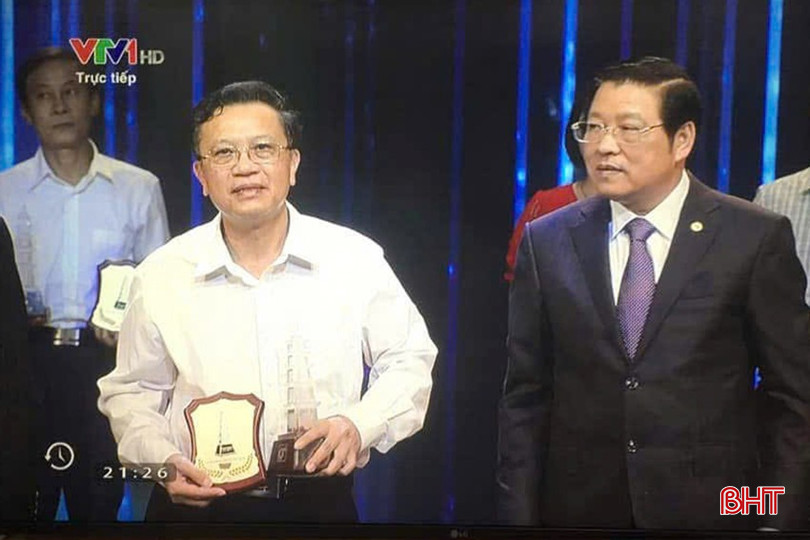
The creator must always convey a new message from the work and delve into the story and characters to their fullest extent. Furthermore, they must find a way to tell the story using words, sounds, and images that is logical, vivid, and innovative, surpassing what their predecessors have done.
I remember, when making the documentary "My Story" (in 2013), it was a revisiting the topic of Le Hong Son - a disabled person in Phu Gia commune (Huong Khe), from the television report "Misfortune Doesn't Come," which won a gold medal at the National Television Festival in 1992 and the A prize at the National Journalism Awards in 1993.
In fact, when gathering materials about Le Hong Son to choose a genre for the documentary, many people still thought the topic was outdated, that Son was already well-known, and that the documentary "Misfortune Doesn't Come" made more than 20 years ago had already been successful.
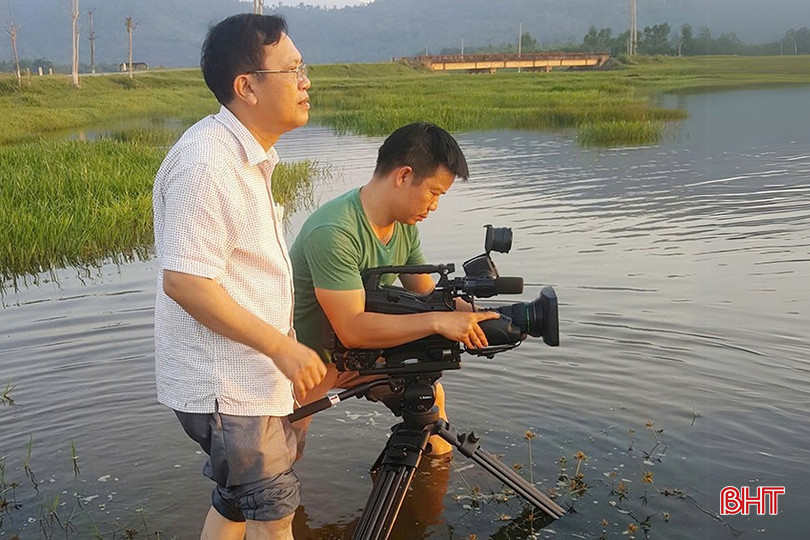
But thinking back, over 20 years ago, when I and my colleagues were making films, Son was just a schoolboy from a poor rural village who knew how to do woodworking. Now (in 2013), Son is a business director, not only providing for himself but also for several people in similar circumstances.
Thus, new qualities and characteristics have emerged in Son, along with a new environment. The film is a self-reflection by the character after more than 20 years of struggle. All of this is to express the central theme, as stated in the concluding commentary: "A person with a congenital disability like Le Hong Son has stood up and walked on his own two feet, making ordinary people like each of us reflect on what we have accomplished in this life."
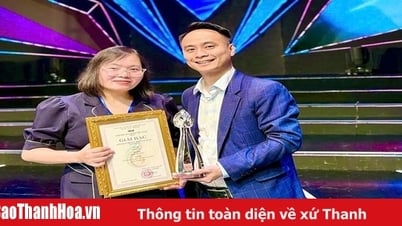
At the 2013 National Television Festival, the documentary "My Story" won a Silver Medal, then went on to win the A Prize at the Tran Phu Journalism Awards and the C Prize at the National Journalism Awards.
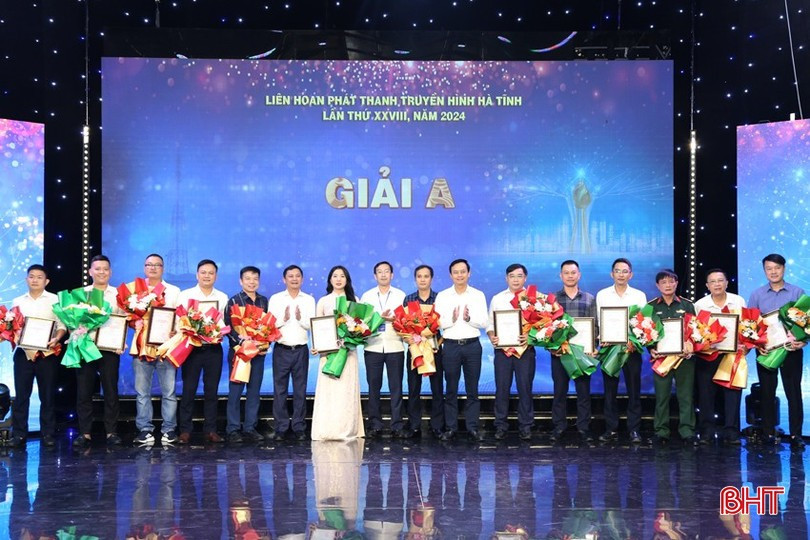
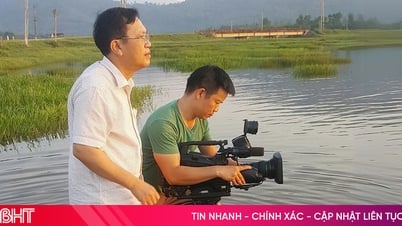
In 2018, my colleagues and I produced the 26-minute documentary "Party Members Lead the Way," which had no narration. It was a true story about Mr. Le Van Binh in the area at the foot of Hong Linh mountain (in Xuan My commune, Nghi Xuan district) who worked hard to build a comprehensive production and livestock farm and create a model for experiencing the New Rural Development program.
The film won the A prize at the 22nd Provincial Radio and Television Festival, the award for outstanding cinematography and outstanding editing; the A prize at the Tran Phu Journalism Awards; the A prize at the Provincial Journalism Awards on Party building (Golden Hammer and Sickle Award); the B prize at the 3rd National Journalism Awards on Party building; and the B prize at the 13th National Journalism Awards.
There are many memories, stories, and lessons about the craft learned from the films made. Each time they participate in competitions and festivals, filmmakers grow, gain more motivation, and become more enthusiastic to create new works.
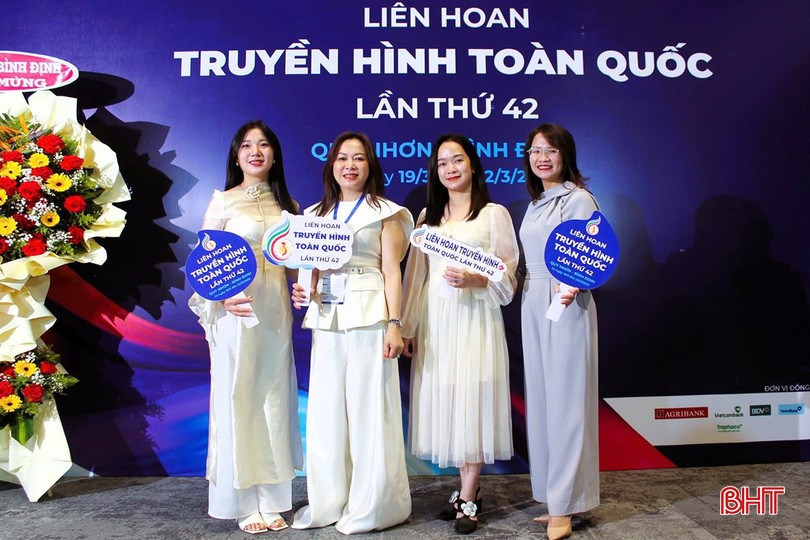
During my years working at Ha Tinh Radio and Television Station (now Ha Tinh Newspaper), I participated with my colleagues and had 34 works that won national and local journalism awards.
Participation in competitions, radio and television festivals, and provincial and national journalism awards serves as both a testament to professional growth and a challenge to overcome in order to meet the expectations of listeners and viewers. It's clear that creative journalistic work is a relentless process, requiring passion and dedication; even a lifetime spent wielding a pen and camera still leaves one with a deep connection to the profession.
Source: https://baohatinh.vn/truong-thanh-tu-cac-cuoc-lien-hoan-post289950.html
![[Photo] Da Nang: A sea of people respectfully paying homage to the Bodhisattva Avalokiteshvara.](https://vphoto.vietnam.vn/thumb/1200x675/vietnam/resource/IMAGE/2026/04/06/1775454198203_ndo_br_lh24-jpg.webp)
![[Photo] National Assembly Chairman Tran Thanh Man takes the oath of office](https://vphoto.vietnam.vn/thumb/1200x675/vietnam/resource/IMAGE/2026/04/06/1775453300886_ndo_br_1-2229-jpg.webp)













![[Photo] Sidewalks in Vung Tau ward are now more spacious.](https://vphoto.vietnam.vn/thumb/1200x675/vietnam/resource/IMAGE/2026/04/06/1775455388046_5-6796-jpg.webp)










































Comment (0)