

In the context of the strong global digital transformation, the application of 3D technology in museum operations is opening up a new direction, modernizing the preservation and promotion of cultural heritage. The Vietnam National History Museum, as a pioneer in this field, has incorporated 3D technology into its exhibitions and educational activities, creating groundbreaking changes in how the public accesses the nation's cultural heritage.
The application of technology in museums is an inevitable trend for preserving and promoting heritage in the digital age. In reality, traditional museums often face limitations in showcasing heritage to the public due to exhibition space and time constraints. Artifacts, quietly displayed behind glass, possess immense historical and cultural value, struggle to capture the deep interest of younger generations. 3D technology has emerged as a solution to this problem, creating an effective bridge between heritage and the public.
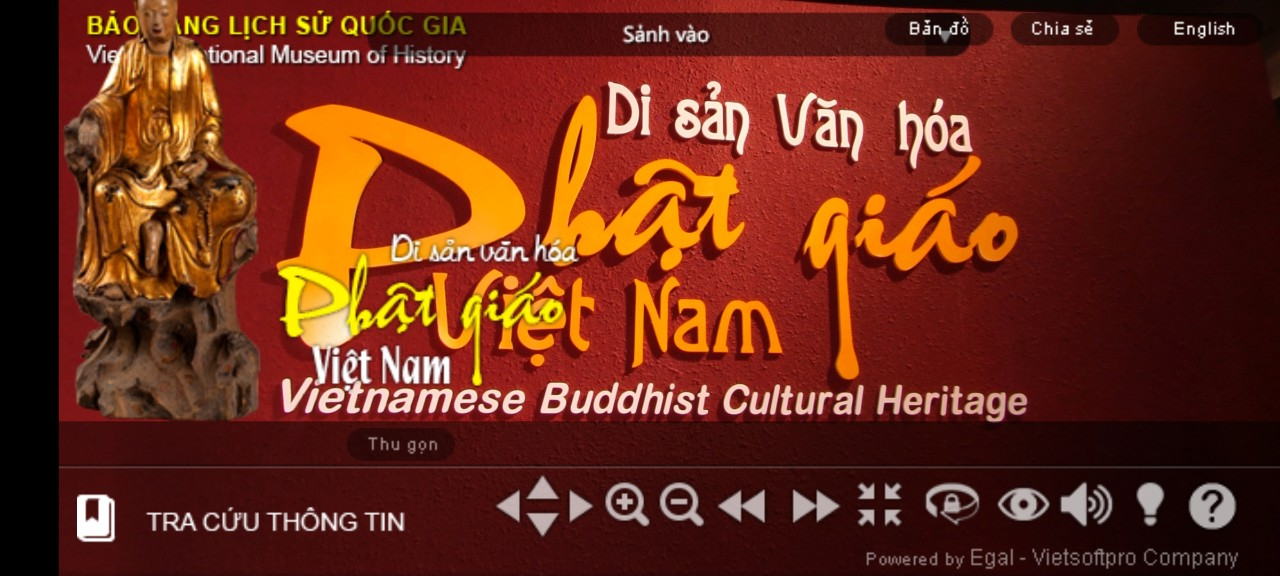
3D virtual exhibition themed "Vietnamese Buddhist Cultural Heritage". Photo: Collected
At the National Museum of History, 3D technology has been applied since 2013, with exhibition themes such as "Vietnamese Buddhist Cultural Heritage" and "Vietnamese Sacred Animals". These were the first experimental steps, marking the beginning of a journey to digitize heritage with great potential for development. Over time, themes such as "Prehistoric Vietnam", "Dong Son Culture", and "Ngo - Dinh - Early Le - Ly - Tran Dynasties" have been successively implemented on digital platforms, providing diverse and flexible access for all segments of the public.
In particular, since 2020, the museum has upgraded its technology application with a 3D interactive exhibition on the theme of "National Treasures". This is considered a major turning point, not only helping to preserve documents long-term but also providing a realistic and vivid experience for viewers. Through the online platform, treasures such as the Ngoc Lu Bronze Drum, the Viet Khe Boat Tomb, or the work "The Revolutionary Path" are recreated in detail, allowing the public to explore from every angle. The 3D interactive feature offers a unique experience as viewers can "touch" each line and pattern, every minute detail, thereby gaining a deeper understanding of the value of each artifact. 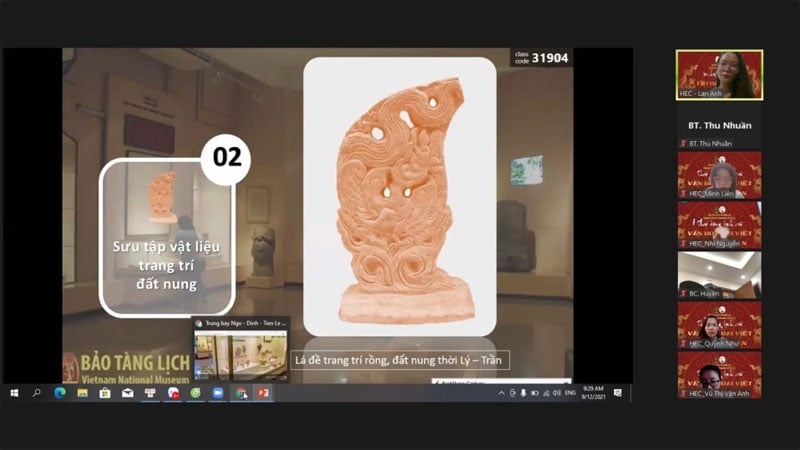
The implementation of 3D technology in museums goes beyond simply serving visitors; it also plays a crucial role in education and research. Students have the opportunity to learn history through online applications in a vivid and easily understandable way. Simultaneously, researchers are effectively supported by the ability to access detailed and multi-dimensional information about each artifact. Digital technology has created a major advantage by transforming dry historical documents into engaging and accessible stories.
On the other hand, the application of digital technology in museums also expands opportunities to connect with the international public. According to statistics, the "National Treasures" exhibition has attracted tens of thousands of visits from countries such as the United States, France, Japan, and South Korea. On average, each visit lasted nearly three minutes, demonstrating the appeal and usefulness of this virtual exhibition platform. This is clear evidence of the effectiveness of technology in bringing Vietnamese heritage to the world.
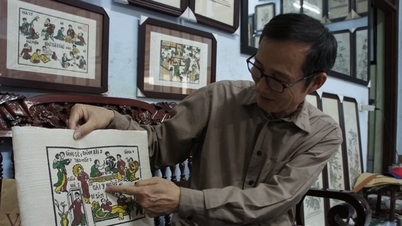
However, for technology to be applied effectively, investing in content is a prerequisite. Besides historical and cultural values, the aesthetic appeal of artifacts also plays a crucial role in attracting the public. While paper-based artifacts possess immense content value, their transformation into a 3D environment requires careful processing to maintain vibrancy and avoid monotony. Therefore, museums must carefully consider selecting appropriate technology that both honors heritage values and meets modern viewing needs.
The National History Museum's journey of digitizing its heritage is a testament to the harmonious blend of tradition and modernity. Technology is not only a supporting tool but also a bridge to keep heritage alive in the public eye. In the future, the museum plans to expand its virtual exhibitions of other rare artifact collections and invest in new interactive platforms to attract even more attention from both domestic and international audiences.
The application of 3D technology at the National Museum of History marks a new step forward in the preservation and promotion of heritage, while also contributing to bringing Vietnamese history and culture closer to the world, creating lasting values for today and tomorrow.



























![[Photo] Prime Minister Pham Minh Chinh holds a phone call with the CEO of Russia's Rosatom Corporation.](/_next/image?url=https%3A%2F%2Fvphoto.vietnam.vn%2Fthumb%2F1200x675%2Fvietnam%2Fresource%2FIMAGE%2F2025%2F12%2F11%2F1765464552365_dsc-5295-jpg.webp&w=3840&q=75)







































Comment (0)