

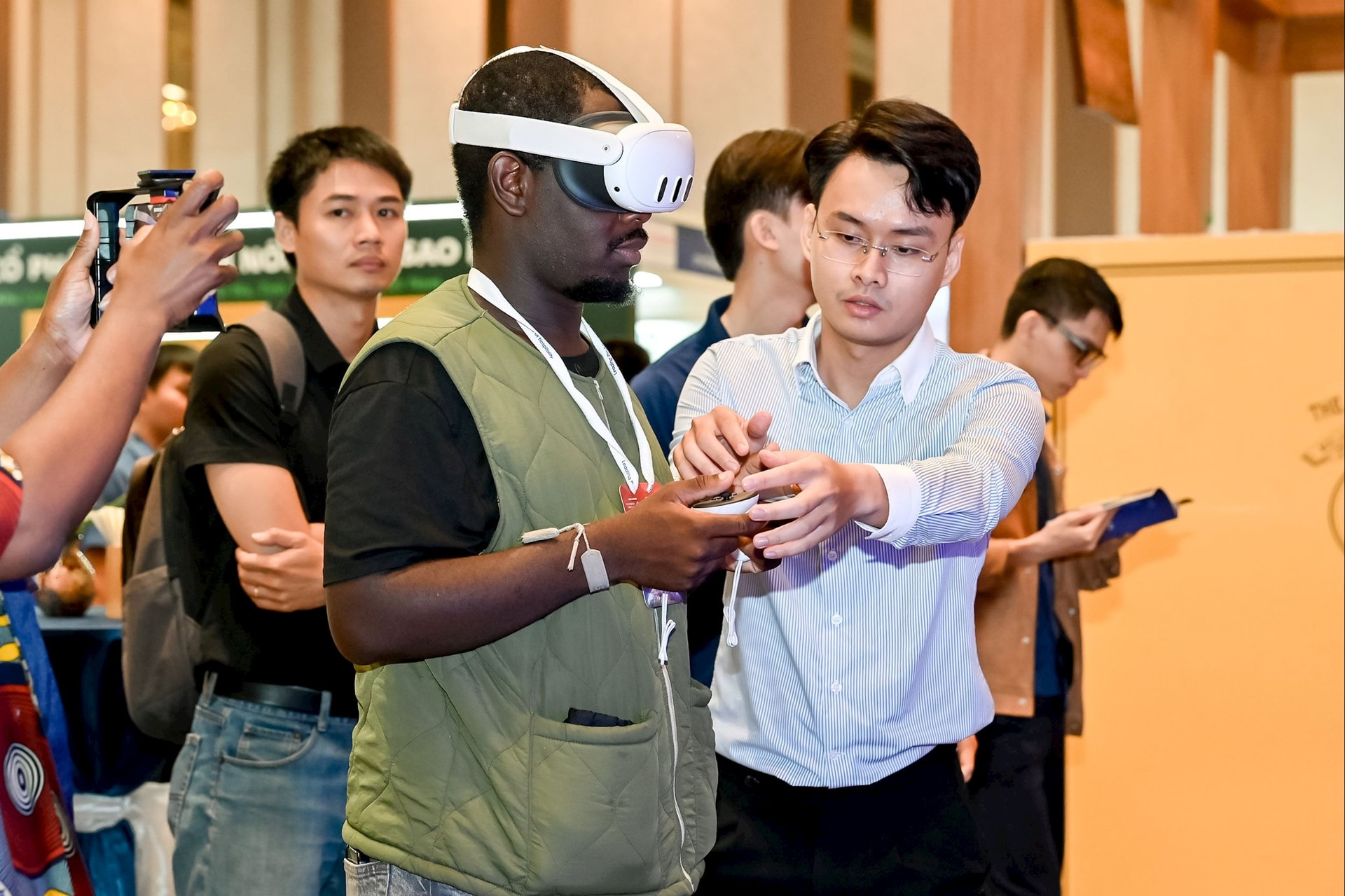
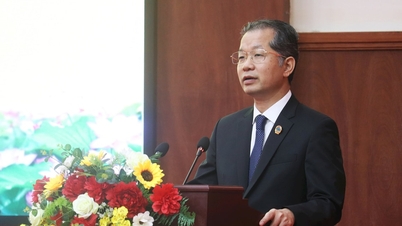
MR. NGUYEN THANH HONG, DIRECTOR OF DEPARTMENT OF SCIENCE AND TECHNOLOGY:
Linking science and technology with cultural and human development
Da Nang City is facing new requirements, needing to develop rapidly and sustainably associated with the cultural identity and value system of Da Nang people; developing cultural industry, creative economy and smart urban areas in the period 2026 - 2030.
Strong application of science and technology in developing Da Nang's culture and people is the key content demonstrating the innovative spirit of Resolution No. 57-NQ/TW of the Politburo on breakthroughs in science and technology development, innovation and national digital transformation.
With that spirit, the City People's Committee has directed the Department of Science and Technology to develop a Program for research and application of science and technology in the development of culture and people of Da Nang city in the period of 2026 - 2030. This is a strategic step with a long-term vision, contributing to building Da Nang into a creative, livable city, rich in identity and humanity.
Based on the identification and application of technology in preserving and promoting cultural and human values, the Department of Science and Technology proposes viewpoints and strategic solutions on the development of culture and people of Da Nang; mechanisms and policies for developing cultural industries and creative economy; models for promoting human resources to serve sustainable development; contributing to improving the city's human development index (HDI), maintaining a level above 0.7.
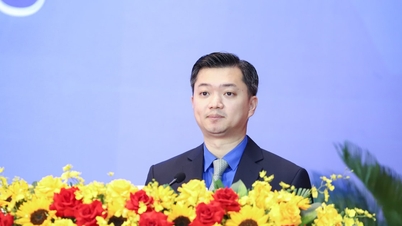
Dr. Nguyen Thu Phuong, Deputy Director of the Department of Culture, Sports and Tourism:
Building a digital publishing database and introducing Quang Nam literature
Quang Nam literature, especially since the beginning of the 20th century, has undergone important changes, reflecting a unique literary phenomenon of the whole country. However, the work of researching, collecting, synthesizing and publishing systematically to fully identify the system of human values and culture of Quang Nam still faces many challenges.
Up to now, no Quang Nam literary work has been digitized. The Da Nang Bookshelf at the Da Nang General Science Library has only begun to digitize a few geographical books, while Quang Nam literary books are almost left untouched. This shows a huge gap between the value of literary heritage and the ability to exploit and promote its value with technology.
Instead of just stopping at collections of thousands of pages for display or preservation, it is necessary to digitize data from research projects and select works to draw out the ideological, artistic and cultural values of the patriotic scholars of the early 20th century, authors participating in the revolution, resistance writers, authors winning the Ho Chi Minh Prize and the State Prize.
That database will be the foundation for forming a digital museum specializing in Quang Nam literature following a modern technology model like in Korea, where visitors can experience the exhibition space through virtual reality, augmented reality and artificial intelligence.
The literature museum is not only a place to preserve artifacts but also has profound cultural, educational and identity values. The application of 3D, 4D technology, interactive audio programming, dubbing, and AI voice reproduction of writers will create a vivid experiential space, bringing literature closer to young audiences.
To realize that goal, two major steps need to be taken: collecting, researching, and appraising works with the participation of experts knowledgeable about Quang Nam literature; and building a digital database in parallel with designing a thematic museum.
Vietnam in general and Da Nang in particular still lack a modern literary space that applies AI, VR/AR to attract young people, something that many countries in the region have done very successfully.
With political determination and proper investment, in the next 2-3 years, a virtual reality Quang Nam literature museum can be formed, becoming a new cultural and tourist destination, introducing the values and spirit of this land rich in tradition.
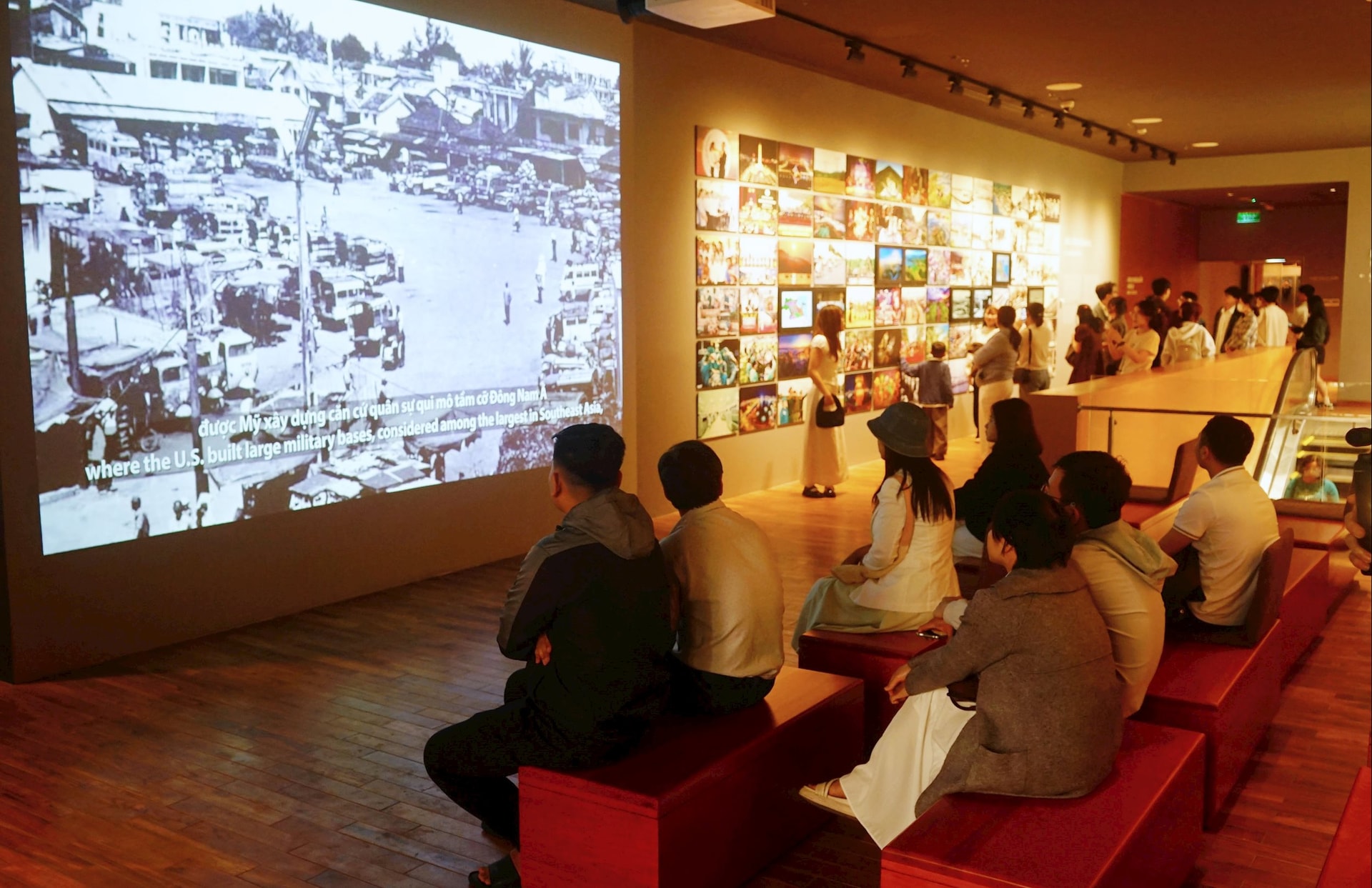
Assoc. Prof. Dr. Nguyen Thi Phuong Cham, Institute of Cultural Studies:
Identifying fundamental cultural values for sustainable development
After the reorganization and merger, Da Nang became the largest centrally-governed city in the country, with over 11,859 square kilometers and over 3 million people. The new scale poses many new requirements and perceptions on development orientation, in which correctly identifying cultural values and people plays a particularly important role. This is the basis for the city to see more clearly its cultural resources, the key endogenous resources for socio-economic development in the new period.
Cultural and human values can be identified through six main areas: ideology, spirit, ethics, society, aesthetics and material. Although different in content, these areas are organically linked and complement each other, creating richness, diversity and soft power of the community. This is also the foundation for ensuring sustainable development, helping the city maintain harmony between growth and cultural depth. The process of identifying cultural and human values of Da Nang needs to be based on the principles of objectivity, completeness and fairness. Openness, generosity, honesty, straightforwardness and loyalty are the outstanding qualities of Da Nang culture today, continuing the values of ancient Quang Nam.
In the service sector, Da Nang is known as a friendly and honest tourist city, with a professional style, clear price listing, and no discrimination between tourists and locals. In community life, the spirit of mutual love is expressed naturally and persistently. These values contribute to the special attraction of Da Nang as a globally attractive tourist destination, a reliable investment address and a livable city.
In the context of rich and multidimensional cultural discourses, identifying the value system of Da Nang requires a serious and careful research process. The city needs to clarify which values have been shaped, which values are being formed, and which values represent the aspirations of the community. At the same time, it is necessary to point out the mechanism for mobilizing, maintaining and transforming those values to adapt to the rapid changes of modern life. Because cultural and human values are always moving, especially in a dynamic city like Da Nang. Identifying, building and operating the system of cultural and human values must be a regular and continuous work. This is the solid foundation to help Da Nang develop sustainably, humanely and richly in identity in the new period.
DR. NGUYEN DUY PHUONG, DEAN OF THE FACULTY OF HISTORY - GEOGRAPHY - POLITICS, UNIVERSITY OF EDUCATION - DANANG UNIVERSITY:
Bringing culture to digital platforms
Cultural values as well as research results on Da Nang culture are currently quite numerous but the level of dissemination is still limited. In the context of technology explosion, the trend of public access to information changes, research and application of science and technology in the development of Da Nang culture and people must focus on digital platforms, which is the fastest way to reach the public.
For example, the city plans to dataize and build a digital library on the cultural heritage of ethnic minorities to serve socio-economic development, and research and apply science and technology to build digital maps for the national intangible cultural heritage system in Da Nang.
However, if we only stop at digital libraries and digital maps, we will only build a data warehouse. Therefore, we need to go one step further, from that data warehouse, convert it to the web, app (application) so that users can access it as quickly as possible or relevant parties can access it.
DR. TRAN DINH HANG, DIRECTOR OF THE CENTRAL INSTITUTE OF CULTURE, ARTS, SPORTS AND TOURISM:
Applying technology in preserving and promoting the city's cultural heritage values
Da Nang is now a centrally-governed city, large in both geographical space, economic scale and cultural space, unified, seamless and the most massive in the Central region - Quang Nam. There, Han Nom heritage (including royal decrees, royal decrees, genealogies, steles, land registers, village conventions, parallel sentences, inscriptions...) are present as "cultural genes" marking the process of land reclamation, expansion and establishment of sovereignty of our ancestors throughout history. Applying technology in the work of preserving and promoting cultural heritage values is an urgent need to preserve identity, creating cultural depth for Da Nang to develop sustainably.
To solve the problem of contradiction between conservation and development in a megacity, traditional manual collection methods are not enough, but it is necessary to apply achievements and modern scientific and technological methods through the application of digital technology. Traditional manual conservation methods are no longer suitable. The city needs to promote the application of digital technology, especially the construction of a large database of heritage (Big Data). This process includes: digitization with specialized scanners and high-resolution cameras; dataizing content through translation, annotation and aiming at optical character recognition (OCR) applications for Han Nom characters; integrating data from multiple sources, unifying format standards and handling duplication.
Management on the digital map platform (GIS) is a breakthrough, through the construction of the Digital Han Nom Heritage Map (Heritage GIS Map). Each village communal house, clan temple, family will be located, with information about history, royal decree, steles and related families. This is a tool to help management agencies grasp the density of heritage, thereby making reasonable planning decisions, avoiding encroachment on cultural space. Along with that, develop an online information portal and mobile application with two subsystems: administration (for authorities to monitor records, document status) and community (allowing people and researchers to look up genealogy, learn about village history). The smart search function allows searching by Vietnamese or Chinese keywords, year, document type, etc.
Successful implementation of this system brings huge and multi-dimensional impacts to Da Nang such as: Sustainable conservation by creating a safe "digital copy", permanently preserving information even though the original may be damaged; educating and consolidating the community to convey moral lessons, family traditions, and community lifestyle to the younger generation, narrowing regional gaps and strengthening resident cohesion; developing the tourism economy, this is a valuable data source for smart tourism; visitors can scan QR codes to read translations of steles, royal decrees, increasing the depth of experience...
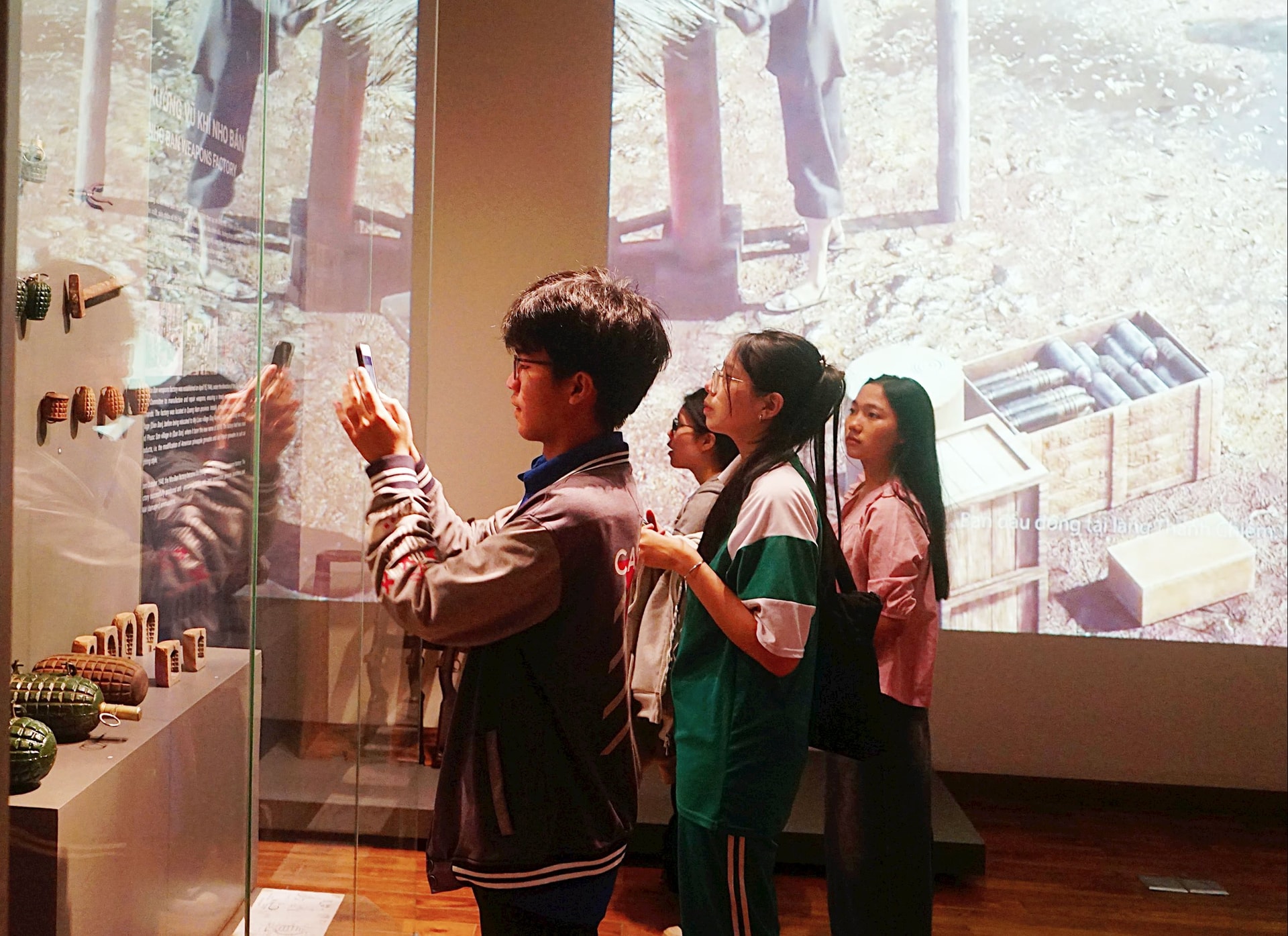
Assoc. Prof. Dr. Nguyen Thi Thu Phuong, Vietnam Institute of Culture, Arts, Sports and Tourism:
Investing in cultural and creative data infrastructure
The development of the cultural industry requires Da Nang to invest in cultural and creative data infrastructure. A modern cultural industry ecosystem needs to be able to analyze, forecast and connect information about heritage, artisans, creative products, events, creative spaces and tourism markets.
Da Nang has advantages in digital technology, so it is completely possible to pioneer the construction of a Creative Data Lake, an integrated data system, helping the city develop cultural tourism in the direction of personalized experiences; support digital content production; manage heritage using technology and make data-based decisions.
Another important requirement is to ensure the transformation of identity into creative products, instead of leaving heritage as a mere tourist attraction.
To do so, the city needs to connect the traditional craft system, artisans and ancient architecture of the three wards of Hoi An with the design, media, advertising and experience industries - creating creative products with local imprints but meeting contemporary aesthetics. These could be contemporary craft designs, public art, heritage interpretation art programs, festivals associated with the Hoi An - Da Nang cultural flow or digital cultural products exploiting heritage materials.
Dr. LE XUAN THONG, INSTITUTE OF SOCIAL SCIENCES OF THE CENTRAL AND CENTRAL HIGHLANDS REGION:
Preserving Da Nang's tangible cultural heritage in the digital age
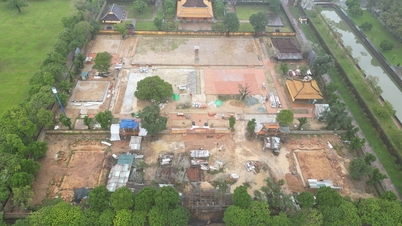
Da Nang's tangible cultural heritage, in the context of the Central Coast, is extremely rich, with many outstanding values. Dozens of relics have been recognized as national treasures such as Tra Kieu Altar, My Son E1 Altar, Tara Bodhisattva Statue, Dong Duong Altar, Ganesha and Gajasimha Statues, Apsara reliefs, Shiva dancing in Phong Le, Brahma's Birth, Uma Chanh Lo, Thap Mam Dragon Statue, and the Lai Nghi gold and agate collection...
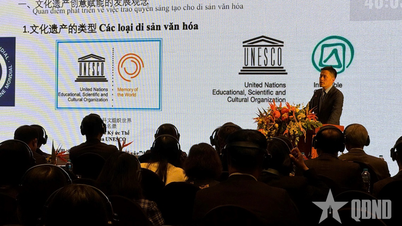
In particular, Da Nang owns three heritages recognized by UNESCO: Hoi An Ancient Town, My Son Relic Site and Ma Nhai Ngu Hanh Son documentary heritage.
However, the above results do not fully reflect the city's heritage reserves. Many relics have not been classified due to incomplete records; many archaeological sites are still deep underground; many steles and royal decrees of great value have not been comprehensively inventoried.
Surveys and research to indicate reserves and classify heritage values must be conducted systematically, from which all documents must be digitized, compiled and published in both traditional and electronic publications.
In the digital transformation period, the application of technology to heritage conservation is an inevitable requirement. Technologies such as Lidar, virtual reality (VR), artificial intelligence (AI) and blockchain are being widely applied in many countries.
Lidar helps scan and measure heritage structures; VR creates immersive 3D experiences; AI analyzes data to track heritage changes; blockchain ensures the integrity and intellectual property rights of digital data. These applications not only protect heritage but also expand accessibility, promotion and social mobilization.
Prof. KANG HYUN-JONG, YUHAN UNIVERSITY (KOREA):
AI and digital technology open the way for cultural industry
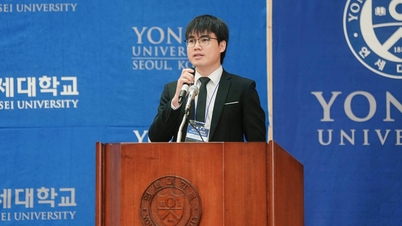
Yuhan University and Bucheon City (Korea) have been quite successful in building cultural products based on animation and applying AI technology to build cultural products to promote local tourism development. Da Nang wants to successfully build a cultural industry that requires full and complete data; from there, AI technology combined with cultural data will write an impressive story about Da Nang.
The city can immediately deploy projects in the near future such as: Living Ocean light project on My Khe beach, using the beach to project local cultural images; performing night experiences on the Ngu Hanh Son rocky mountains using 3D mapping technology; or building animated films using AI technology to promote Da Nang tourism image.
To effectively apply technology in developing the cultural industry, there needs to be a sustainable connection between three parties: schools play a role in training specialized human resources in the fields of animation, video content, and literature; businesses produce and develop content; and the government builds support policies. At the same time, the city focuses on effectively exploiting AI technology in content creation; and strengthening international training cooperation between universities.
Source: https://baodanang.vn/ung-dung-khoa-hoc-cong-nghe-trong-phat-trien-van-hoa-con-nguoi-da-nang-3313837.html
![[Photo] National Assembly Chairman Tran Thanh Man attends the VinFuture 2025 Award Ceremony](/_next/image?url=https%3A%2F%2Fvphoto.vietnam.vn%2Fthumb%2F1200x675%2Fvietnam%2Fresource%2FIMAGE%2F2025%2F12%2F05%2F1764951162416_2628509768338816493-6995-jpg.webp&w=3840&q=75)


![[Photo] 60th Anniversary of the Founding of the Vietnam Association of Photographic Artists](/_next/image?url=https%3A%2F%2Fvphoto.vietnam.vn%2Fthumb%2F1200x675%2Fvietnam%2Fresource%2FIMAGE%2F2025%2F12%2F05%2F1764935864512_a1-bnd-0841-9740-jpg.webp&w=3840&q=75)


































































Comment (0)