


Deputy Prime Minister Mai Van Chinh signed Decision No. 2640/QD-TTg promulgating the Plan to implement Conclusion No. 84-KL/TW dated June 21, 2024 of the Politburo to continue implementing Resolution No. 23-NQ/TW dated June 16, 2008 of the Politburo (10th tenure) on "continuing to build and develop literature and arts in the new period".
The plan sets out 7 main tasks and solutions to implement Conclusion No. 84-KL/TW.
Firstly, strengthen the leadership of the Party, the role of Party committees and organizations at all levels, especially the leaders in literary and artistic work. Step up propaganda, dissemination, and raise awareness of the position and role of literature, art, and artists in the cause of national construction and defense. Continue to disseminate the contents, goals, viewpoints, tasks, and solutions for building and developing literature and art through Resolution No. 33-NQ/TW dated June 9, 2014, Resolution No. 23-NQ/TW dated June 16, 2008, Conclusion No. 84-KL/TW dated June 21, 2024, Conclusion No. 76-KL/TW dated June 4, 2020...; Promote the capacity and responsibility of leaders of Party committees and organizations, the government, the Vietnam Fatherland Front Committee, and organizations at all levels in building and developing culture, especially literature and art...
Second, improve the effectiveness and efficiency of state management, increase resources for building and developing literature and arts to ensure harmony, avoid dispersion and waste; develop cultural industries in parallel with building and perfecting the cultural market. Build and perfect aesthetic education programs for youth, pupils and students in schools. Continue to comprehensively innovate the content and methods of leadership and management, improve the effectiveness and efficiency of state management of literature and arts; continue to perfect the organization of the state management apparatus for literature and arts from the central to local levels in the direction of streamlining, effectiveness and efficiency; resolutely fight against the degradation of political ideology, ethics and lifestyle; manifestations of "self-evolution" and "self-transformation" among cadres working in state management of literature and arts and artists; promote digital transformation and application of scientific and technological achievements in the field of literature and arts...

Third, strongly promote the development of the field of research, theory, and criticism of literature and art. Develop policies for training, fostering, using, rewarding, and honoring the team working in research, theory, and criticism of literature and art. Encourage officials, civil servants, and public employees working in the field of literature and art to participate in advanced training; develop policies to support study costs at home and abroad. Gradually build training classes for the team of literary and art theorists and critics in the system of art schools and social sciences and humanities. There should be separate mechanisms and policies for the field of literary and art theory and criticism.
Fourth, develop a policy to prioritize students and postgraduates majoring in culture, literature and art who are ethnic minorities: Develop a strategy to develop a team of leaders and managers of literature and art with professional qualifications and strong political will; research the development of policies to support young artists working in remote, border, island and ethnic minority areas (support with housing, transportation, etc.).
Applying digital technology to innovate teaching as well as the curriculum of schools training in literature and art; researching the development of policies to send students and postgraduates majoring in culture, literature and art to developed countries for training or having support mechanisms for students and postgraduates studying abroad on their own; developing mechanisms and policies to attract students, postgraduates and artists abroad to return to contribute to the development of literature and art in the country.
Fifth, strengthen and improve the operational efficiency of Literary and Artistic Associations: Research the establishment of a mechanism for local literary and art associations to be autonomous in using cultural institutions to organize the teaching and preservation of traditional arts; review and advise on resolving shortcomings and develop a roadmap and plan to gradually transfer the organization of a number of literary and art activities currently in state management agencies to specialized literary and art associations, in accordance with current regulations...
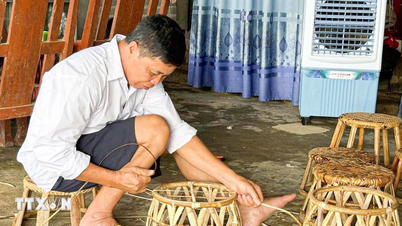
Sixth, continue to promote the role of press and media agencies and social networking platforms in propagating and introducing literary and artistic works to a wide range of readers at home and abroad. Develop healthy, rich, diverse and unique mass cultural activities and movements; protect and promote the voices and scripts of Vietnamese ethnic groups; have mechanisms and policies to encourage and motivate the masses to promote their role as subjects in participating in creating and enjoying literary and artistic values. Promote the role of People's Artisans, Meritorious Artisans, Folk Artisans, artisans of intangible cultural heritage, build an award system... in practicing, disseminating and teaching folk culture and arts:
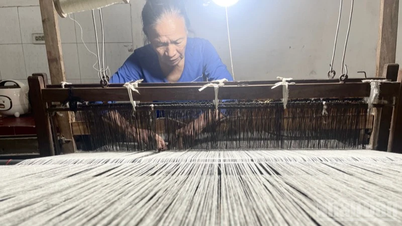
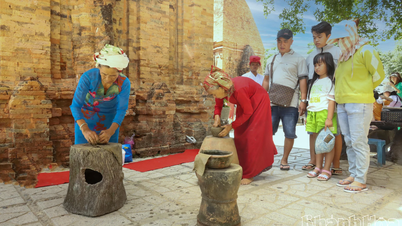
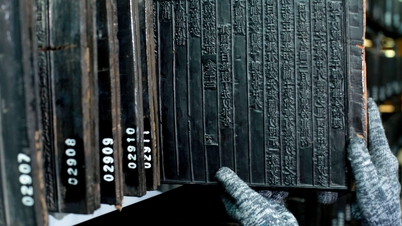
Promote digital transformation, apply science and technology, and innovate in building data on Vietnamese literature and art; build a management mechanism and sanctions to prevent and handle activities of disseminating literary and artistic products with content and ideologies that go against the Party and State's guidelines and the interests of the nation and people; build a long-term strategy for collecting and preserving cultural values and traditional literary and artistic works of 54 ethnic groups; build projects and programs to introduce and regularly perform traditional and folk art forms at tourist destinations in cities and localities; build a system of cultural institutions and cultural and artistic activity spaces to attract People's Artisans, Meritorious Artisans, individuals and artists with passion to teach and promote traditional and folk art to the people...
Seventh, promote international exchange and cooperation in literature and art: Build and promote the effective implementation of Vietnam's Foreign Cultural Strategy and Cultural Diplomacy Strategy in the new period; diversify forms of cultural diplomacy, deepen international cultural relations; promote international cooperation between state cultural management agencies and Vietnamese embassies abroad in introducing Vietnamese culture, literature and art at appropriate socio-economic events. Guide and facilitate individuals and organizations in terms of administrative procedures when coming to the host country; provide assistance in all aspects during their stay to participate in events.
Actively select and introduce the quintessence of human culture in accordance with Vietnamese reality; organize large-scale and influential domestic and international literary and artistic events, through which people can both access world cultures and enjoy national cultural values in the spirit of "Internationalizing Vietnamese national cultural identity and nationalizing the quintessence of world culture"...
Source: https://baohaiphong.vn/bay-giai-phap-trong-tam-xay-dung-va-phat-trien-van-hoc-nghe-thuat-thoi-ky-moi-528753.html


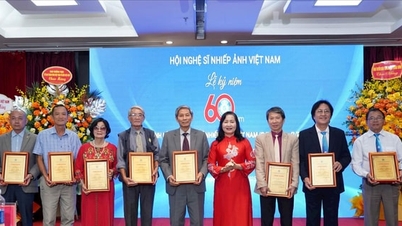
![[Photo] 60th Anniversary of the Founding of the Vietnam Association of Photographic Artists](/_next/image?url=https%3A%2F%2Fvphoto.vietnam.vn%2Fthumb%2F1200x675%2Fvietnam%2Fresource%2FIMAGE%2F2025%2F12%2F05%2F1764935864512_a1-bnd-0841-9740-jpg.webp&w=3840&q=75)
![[Photo] National Assembly Chairman Tran Thanh Man attends the VinFuture 2025 Award Ceremony](/_next/image?url=https%3A%2F%2Fvphoto.vietnam.vn%2Fthumb%2F1200x675%2Fvietnam%2Fresource%2FIMAGE%2F2025%2F12%2F05%2F1764951162416_2628509768338816493-6995-jpg.webp&w=3840&q=75)























































Comment (0)