

Promoting the results achieved in the 2020-2025 term, the agricultural sector of Dak Lak province is implementing the Resolution of the Provincial Party Congress for the 2025-2030 term, focusing on developing ecological, circular, transparent, high-tech agriculture associated with digital transformation...
This is not only a strategic orientation to effectively exploit potential and strengths, but also an inevitable trend to bring Vietnamese agricultural products to the world .
Agriculture - a bright spot of the economy
Implementing the Resolution of the Dak Lak Provincial Party Congress for the 2020-2025 term, despite facing many difficulties such as: The world and regional situation has many rapid, complicated and unpredictable changes, the impact of the Covid-19 pandemic, the adjustment of tax and financial policies of major countries; high prices of materials and input materials, while the prices of some key agricultural products of the province have not reached expectations; unusual weather has directly affected the development process of the province...
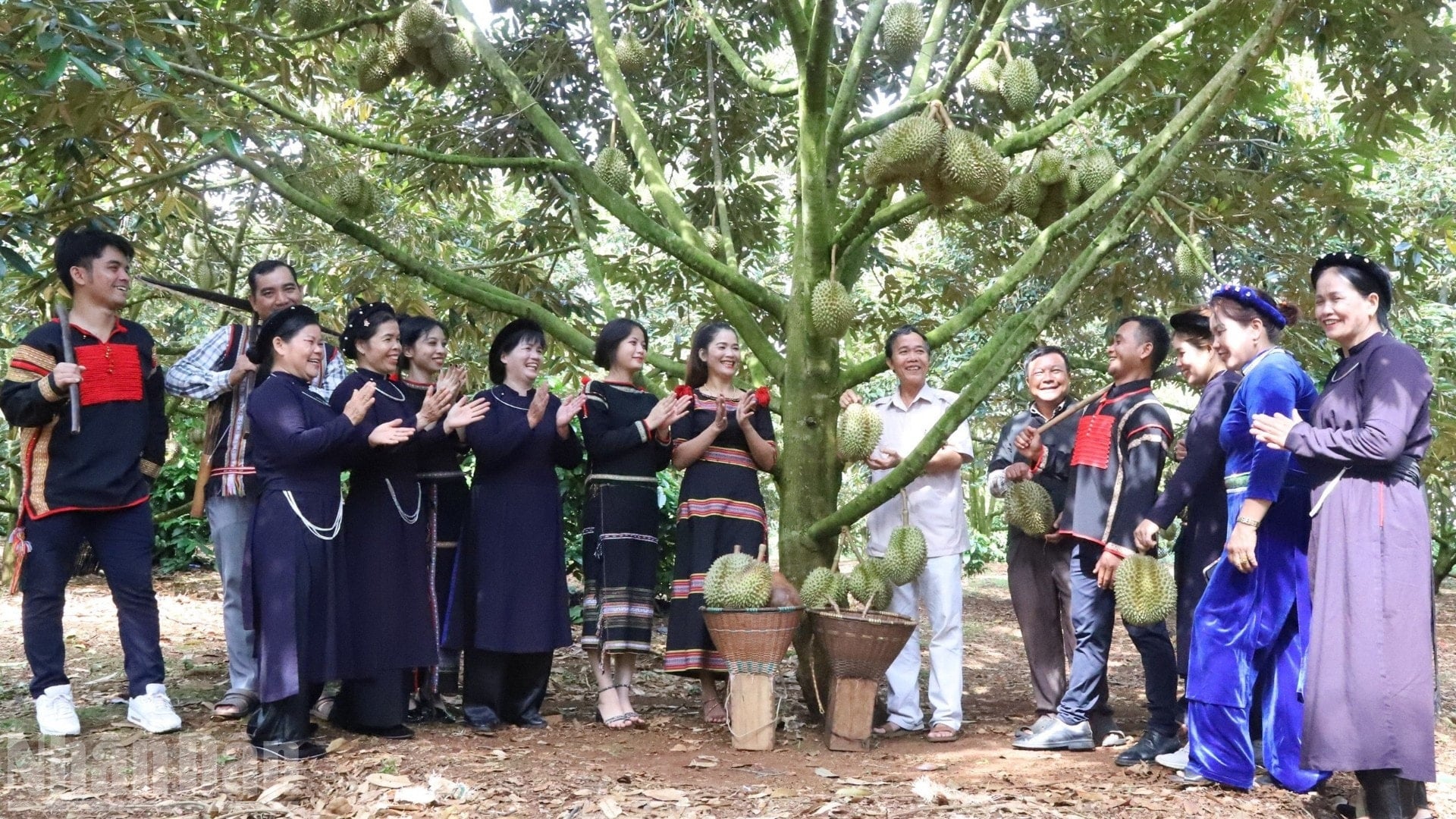
However, with the close leadership and direction of the Central Government, the attention and support of ministries, branches, especially the entire Party Committee and people of all ethnic groups in the province, we have promoted revolutionary traditions, opportunities and advantages, overcome difficulties and challenges, united, determined, strived to achieve and achieved important and comprehensive results in all fields, especially the economic field.
The economies of the two provinces of Dak Lak and Phu Yen (before the merger) maintained a fairly good growth rate, and the economic scale was increasingly expanding . The average GRDP growth rate (at comparable prices) in the 2021-2025 period reached about 6.24%/year, of which Dak Lak reached 6.31%/year; Phu Yen reached 6.1%/year, higher than the national average.
According to the Director of the Department of Agriculture and Environment of Dak Lak province, Nguyen Minh Huan, the bright spot of the agricultural, forestry and fishery sector is its rapid development in the direction of high quality and sustainability, playing a "supporting" role, maintaining the growth rate and expanding the economic scale of the province. The average growth of the agricultural sector in the period 2021-2025 reached 5.24%/year, 1.5 times higher than the national average. In the structure of the agricultural sector, cultivation continues to dominate, contributing 70% of the total value of the sector.
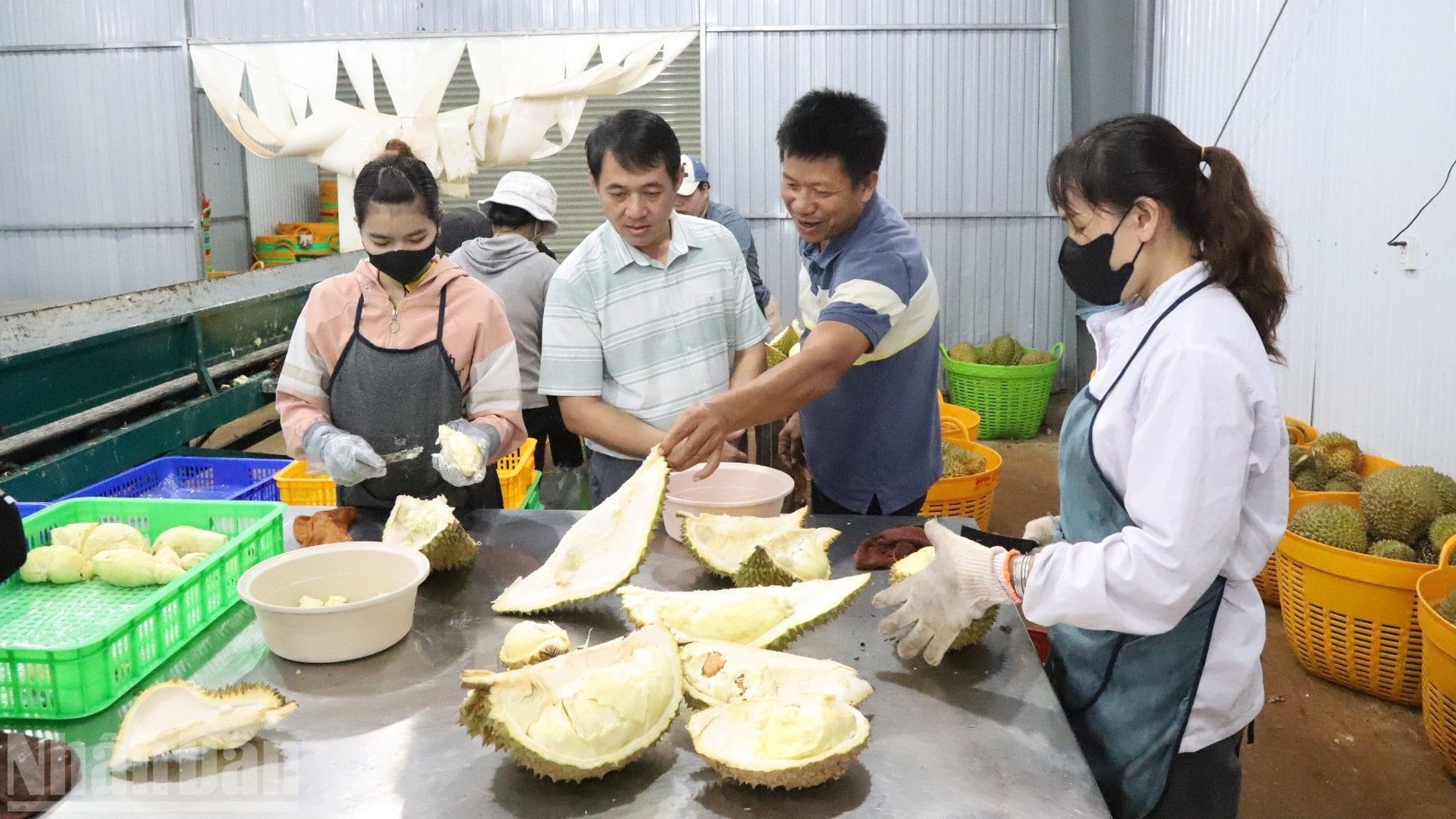
Vice Chairman of the Dak Lak Provincial People's Committee Nguyen Thien Van said that Dak Lak is the "capital" of coffee in the country with an area of about 213,000 hectares, annual output reaching about 545,000 tons, accounting for 30-35% of the country's coffee output. Over the years, the Dak Lak Provincial People's Committee has always been a pioneer in implementing programs to develop high-quality coffee, sustainable replanting and enhance the value of the supply chain.
Since 2008, the province has implemented many important projects; in particular, Dak Lak's growing area has achieved the world's first 4C-EUDR certification for products that do not cause deforestation by the European Union, and has now digitized 35% of the province's coffee area. The geographical indication of Buon Ma Thuot coffee has been protected in 32 countries and territories, becoming a global symbol for the quality and reputation of Vietnamese coffee.
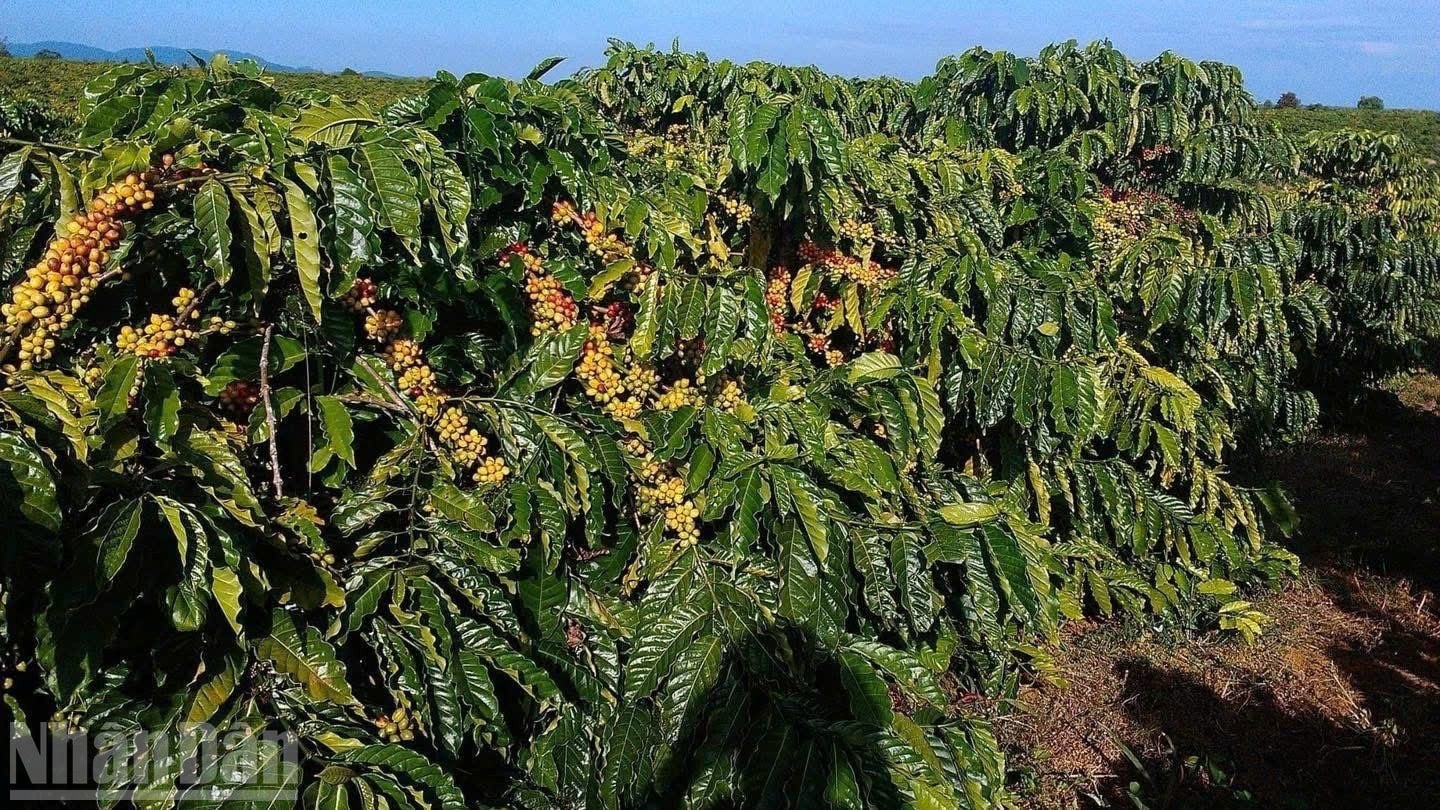
In addition, Dak Lak also focuses on exploiting the potential and strengths of natural conditions, climate, soil and market to strongly develop industrial crops and fruit trees with high economic value, both promoting rapid and sustainable agricultural development and improving people's lives. In particular, durian stands out, with the whole province now having over 40,000 hectares, with an output of over 420,000 tons in the 2024-2025 crop year, becoming one of the leading provinces in terms of durian area and output in the country.
With high productivity and quality, average yield of 20-25 tons/ha, export price of 60-70 million VND/ton depending on the time, durian trees have helped thousands of farming households in Dak Lak become millionaires and billionaires.
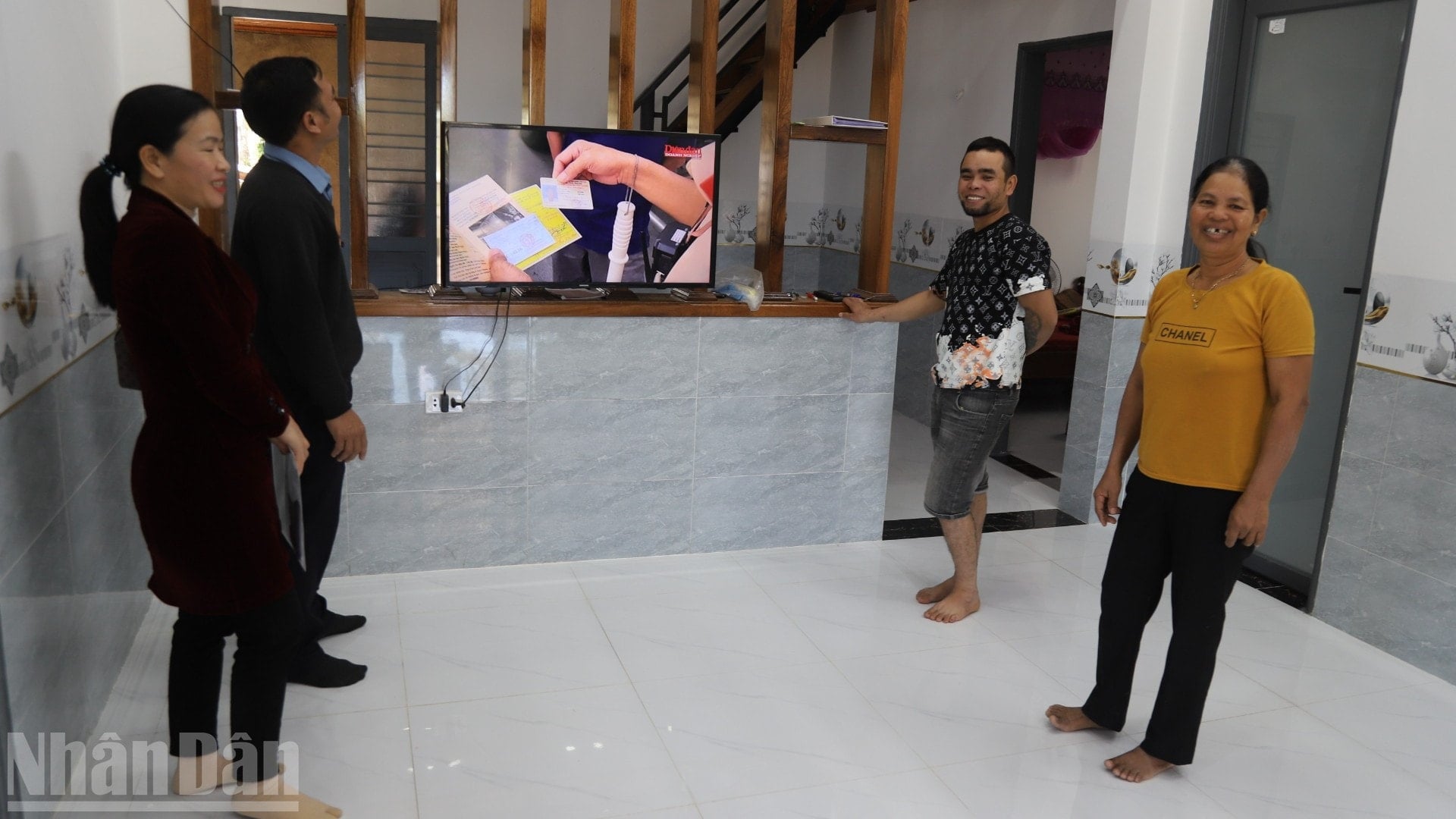
With the important contribution of the agricultural sector, contributing to raising the total GRDP product at current prices in 5 years to about 913,014 billion VND, an average increase of 11.8%/year; in 2025 it is expected to reach 230,662 billion VND, 1.75 times higher than in 2020. People's lives are increasingly improved, GRDP per capita increased compared to the previous period.
By the end of 2025, the average GRDP per capita of Dak Lak province (old) will reach 81.76 million VND/year, Phu Yen province (old) will reach 78.60%/year; the poverty rate in the province will decrease to about 2.08%, the poverty rate in ethnic minority areas will decrease to about 10.06%...
Towards a green, circular, transparent economy
After the province merger, Dak Lak opened up a large development space from East to West, converging both forests and seas, two fundamental factors creating a diverse and sustainable ecosystem. From this advantage, the province reshaped its economic structure, in which agriculture was identified as the key sector, playing a core role in the green growth strategy.
The Resolution of the Dak Lak Provincial Party Congress for the 2025-2030 term identifies the development of ecological and high-tech agriculture associated with digital transformation as a key task. This is not only a strategic orientation to effectively exploit potentials and strengths but also an inevitable trend to bring Vietnamese agricultural products to the world.
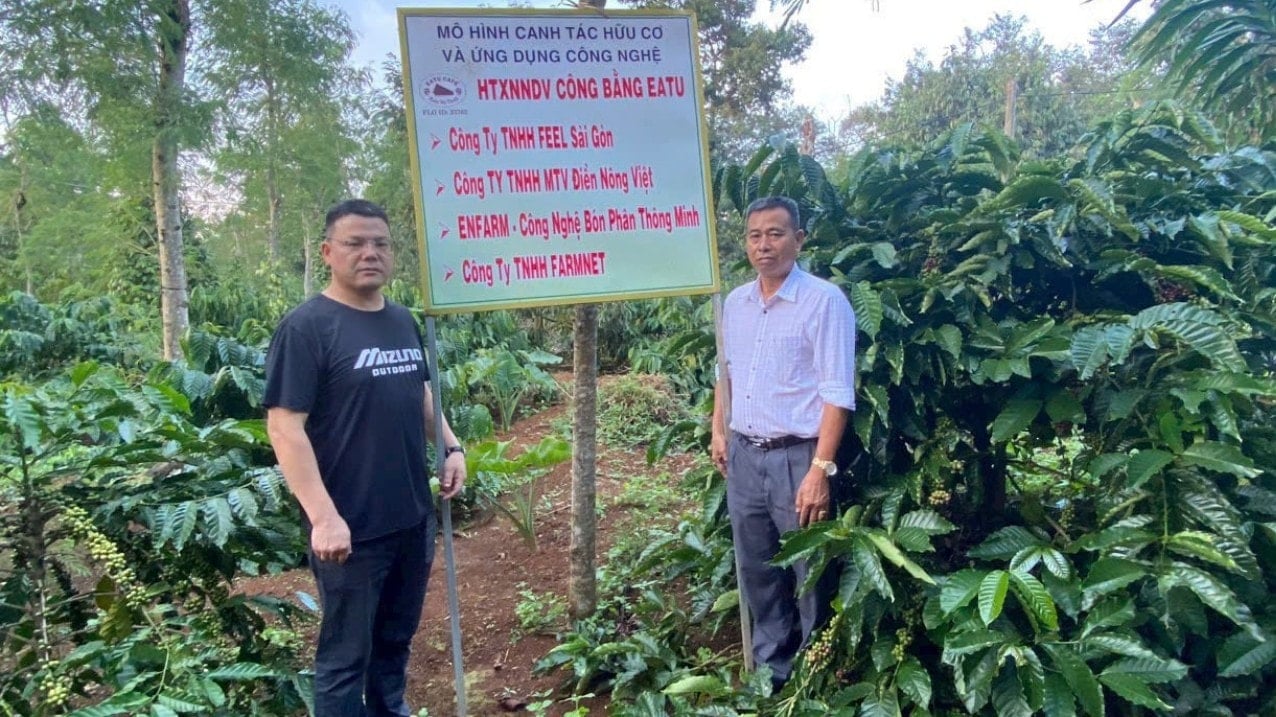
According to the orientation of the Resolution of the Dak Lak Provincial Party Congress for the 2025-2030 term, the province will restructure agriculture towards green development , low emissions, strong application of science and technology and digital transformation in all stages of production. At the same time, re-plan concentrated production areas, specializing in key products such as coffee, pepper, rubber, fruit trees and seafood.
Encourage and promote the development of production models in the direction of closed value chains between farmers, cooperatives and enterprises to increase productivity, quality, reduce environmental impacts and improve economic efficiency. Promote research, application and technology transfer, increase mechanization and automation in harvesting and processing.
Call for investment in deep processing centers for coffee, agricultural products and seafood, aiming to reduce raw exports, increase value and reduce emissions to enhance brands, contribute to the circular economy and save resources.
Along with that, the province will focus on developing agricultural processing industry, logistics system, warehouses and transportation meeting international standards, creating conditions for Dak Lak agricultural products to affirm their position and reach far in the world market.
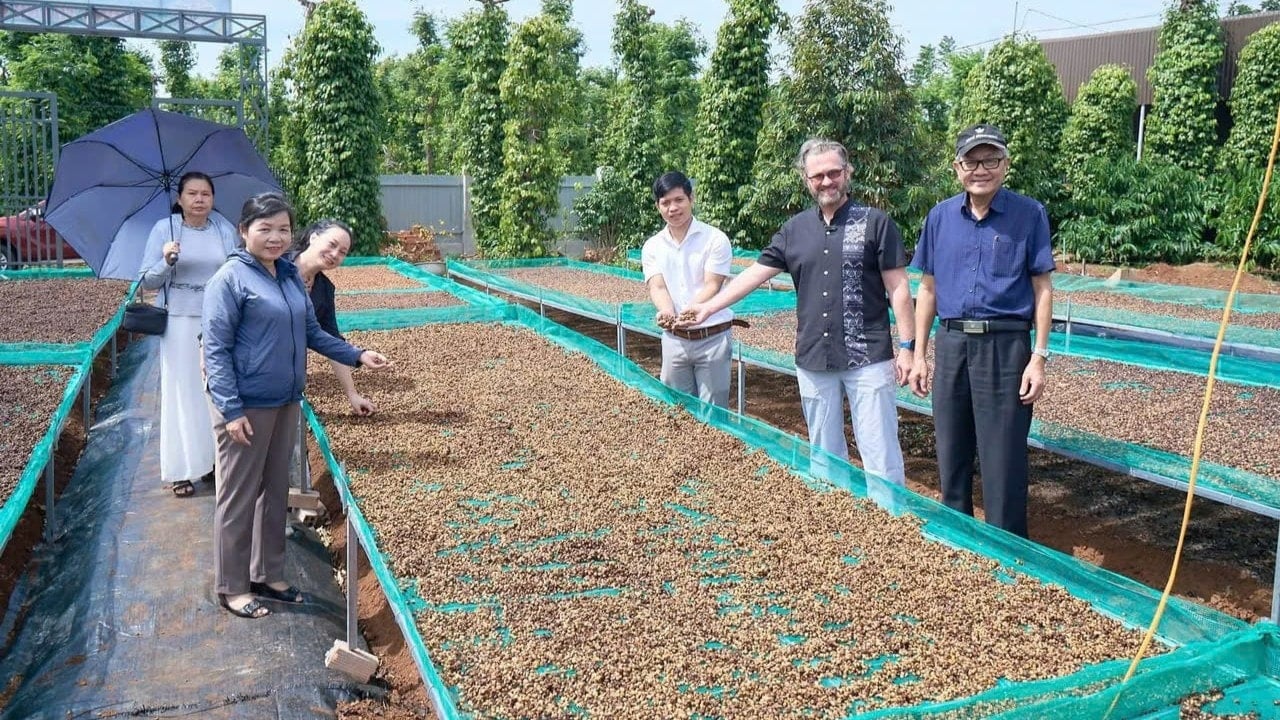
To overcome the shortcomings and limitations that the province's agricultural sector has faced over the years, such as fragmented production, low productivity, and unsynchronized technology application, Dak Lak focuses on technological innovation and deep processing development to increase the value of agricultural products. Phu Yen High-Tech Agricultural Zone currently attracts 9 investment projects with a total registered capital of more than 524 billion VND, focusing on cultivation, processing of agricultural products and food and high-tech seed production.
In the western region of the province, in addition to Hoa Phu Industrial Park and industrial clusters, in March 2025, KDI Group (KDI Holdings) started construction of infrastructure for Phu Xuan Industrial Park located in Cuor Dang commune with an area of 313 hectares.
Head of the Dak Lak Province Industrial Parks Management Board Dinh Xuan Dieu expects: When put into operation, this industrial park will not only become an attractive destination for domestic and foreign investors but also have a particularly important meaning in strongly shifting from exporting raw agricultural products to exporting refined products, applying high technology and attracting investment in food processing with high added value, contributing to promoting the socio-economic development of the province...
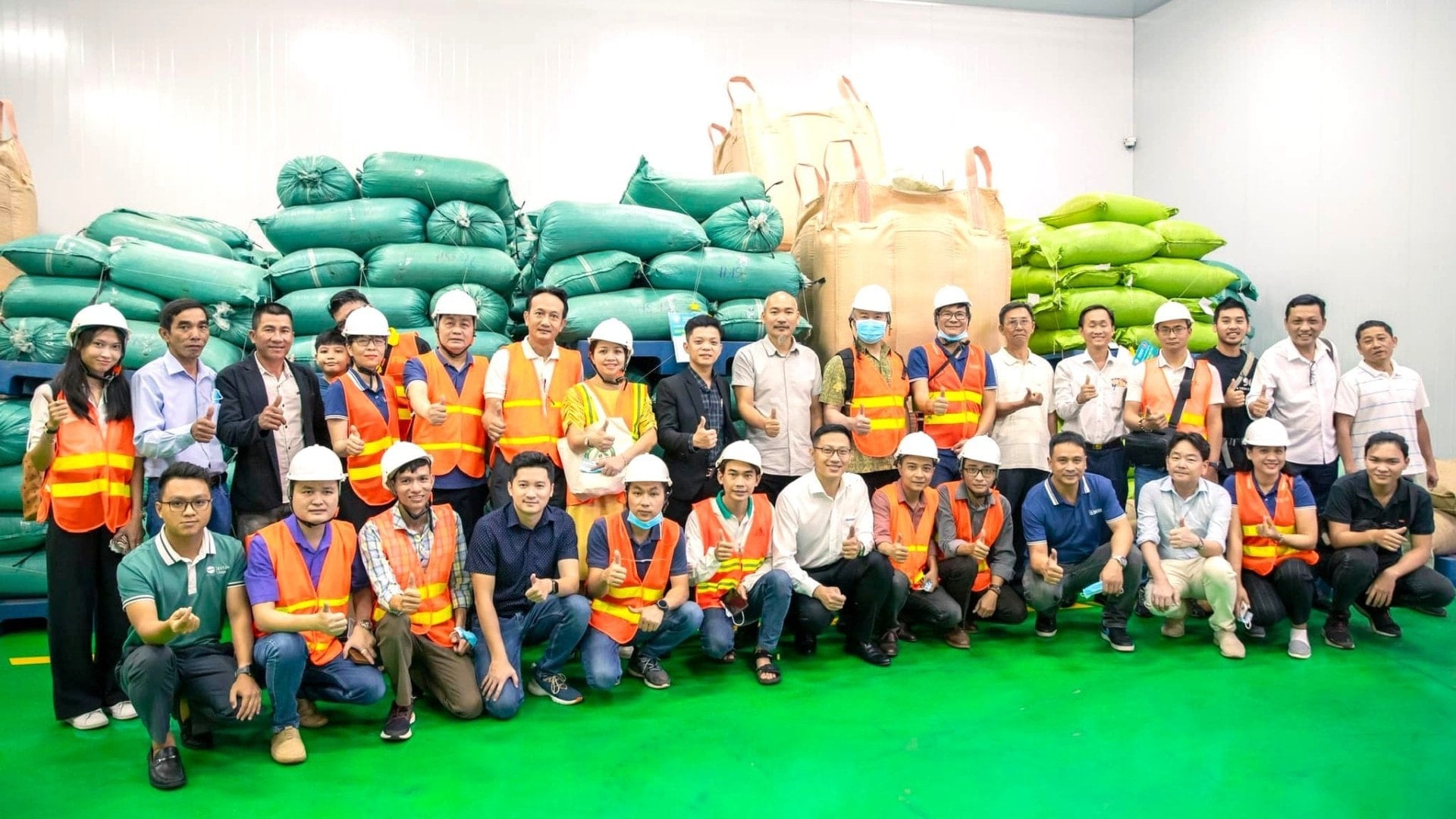
Along with local efforts, many businesses have pioneered in shaping green, organic, transparent production models for sustainable development. A typical example is Dak Lak 2/9 Export One Member Limited Liability Company (Simexco).
Mr. Nguyen Tien Dung, Deputy General Director of Simexco Dak Lak, said: Up to now, the company has built a network of connections with 50,000 farming households, forming raw material areas that meet EUDR standards (cultivation without causing deforestation according to EU regulations). At the same time, the company also applies comprehensive digital transformation from supply chain management, traceability to e-commerce, helping farmers improve competitiveness and expand into demanding markets.
Chairman of Buon Ma Thuot Coffee Association Trinh Duc Minh said: Based on the province's orientation on coffee industry development in the period 2025-2030, the Association will proactively propose and contribute ideas to perfecting mechanisms and policies on regenerative agriculture, reducing emissions, meeting EUDR regulations; promoting production and trading of Buon Ma Thuot coffee with geographical indication certification, sustainable coffee, specialty coffee and deep-processed coffee.
At the same time, the Association will apply 4.0 technology, enhance traceability, monitor quality from garden to cup; encourage members to apply the circular economic model, contributing to realizing the Project on sustainable coffee development with a vision to 2030 of Dak Lak province and the Project on developing Vietnamese specialty coffee in the period 2021-2030...
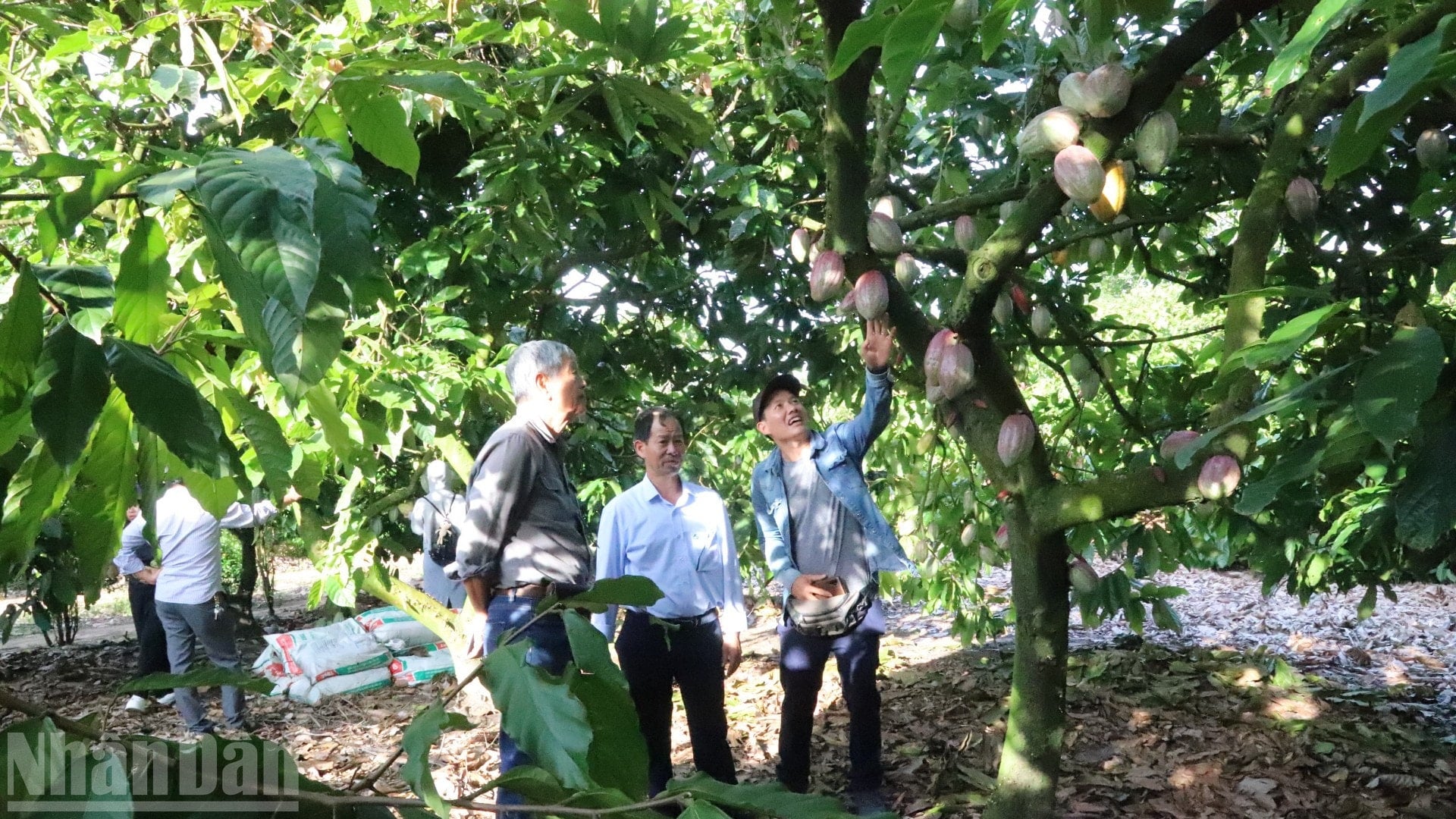
Entering a new term with many advantages, opportunities, space, new development resources as well as difficulties and challenges, especially climate change and natural disasters that are becoming increasingly complex and serious, greatly affecting the sustainable development of the province, especially agriculture.
Anticipating those difficulties, with strategic vision, synchronous policies and the support and joint efforts of businesses and people, Dak Lak province is gradually realizing the set goals towards developing green, organic, circular, transparent and sustainable agriculture.
Source: https://baolamdong.vn/dak-lak-huong-toi-nen-kinh-te-xanh-tuan-hoan-minh-bach-va-ben-vung-408459.html
![[Photo] National Assembly Chairman Tran Thanh Man attends the VinFuture 2025 Award Ceremony](/_next/image?url=https%3A%2F%2Fvphoto.vietnam.vn%2Fthumb%2F1200x675%2Fvietnam%2Fresource%2FIMAGE%2F2025%2F12%2F05%2F1764951162416_2628509768338816493-6995-jpg.webp&w=3840&q=75)


![[Photo] 60th Anniversary of the Founding of the Vietnam Association of Photographic Artists](/_next/image?url=https%3A%2F%2Fvphoto.vietnam.vn%2Fthumb%2F1200x675%2Fvietnam%2Fresource%2FIMAGE%2F2025%2F12%2F05%2F1764935864512_a1-bnd-0841-9740-jpg.webp&w=3840&q=75)































































Comment (0)