

Therefore, effective stress management is an important factor in protecting men's physiological health. Below, Dr. Tra Anh Duy offers 7 methods to help manage stress.
1. Exercise regularly. Exercise is a natural and effective way to reduce stress. A study published in the Archives of Internal Medicine has shown that physical activity helps reduce stress levels and increases the production of endorphins - hormones that create a feeling of happiness and comfort. In addition, exercise also helps improve blood circulation, enhance erectile ability and reduce symptoms of erectile dysfunction. "We can regularly practice exercises such as jogging, yoga, cycling, and swimming are recommended. In particular, yoga not only helps reduce stress but also helps regulate breathing and improve concentration, thereby improving desire and physiological ability," Dr. Duy advised.
2. Maintain quality sleep. Sleep plays an important role in restoring energy and balancing hormones. Getting enough sleep helps reduce cortisol levels - the stress hormone, thereby improving physiological health. People should maintain 7 - 8 hours of sleep every night, create a quiet, comfortable bedroom space, and avoid using electronic devices before going to bed. This helps enhance the energy recovery process and supports testosterone production.

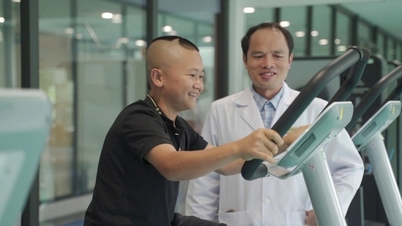
Exercise is one of the most natural and effective stress relievers.
PHOTO: LE NAM
3. Meditation and deep breathing techniques. Meditation and deep breathing have been proven to be effective ways to calm the mind and reduce stress. When stress is relieved, testosterone hormone will be produced normally, helping to maintain desire and performance. Spend 10-20 minutes a day meditating or practicing deep breathing techniques (such as the 4-7-8 breathing technique: close your mouth and inhale through your nose for 4 seconds; hold your breath for 7 seconds; exhale slowly through your mouth for 8 seconds; repeat this cycle 4 times). According to Dr. Duy, this method helps men maintain calmness, improve mood and enhance physiological health.
4. Eat a healthy diet. Diet plays an important role in maintaining sexual health and reducing stress. Salmon, mackerel, nuts, chia seeds, eggs, green vegetables and fruits rich in antioxidants (like berries) are rich in nutrients that support sexual health and mental health. These nutrients also help regulate the hormone cortisol, thereby reducing the impact of stress on sexual health.
5. Manage your work properly. Managing your work effectively will help reduce stress and pressure. Dr. Duy suggests: Use time management methods such as the Pomodoro technique (work focused for 25 minutes, then take a 5-minute break) or categorize work based on importance and urgency. This helps optimize work and minimize unnecessary pressure.
6. Build positive relationships. Research published in the Journal of Marriage and Family has shown that a happy relationship with your spouse/partner helps reduce the negative effects of stress on your physical health. Therefore, it is necessary to spend time with family, loved ones, friends and positive social activities.
7. Consult a professional. In cases where stress is prolonged and has a serious impact on your sexual health, it is important to seek professional help. Cognitive behavioral therapy and stress reduction therapies have been shown to be effective in regulating the body's response to stress and helping to regulate hormones.
Source: https://thanhnien.vn/7-cach-quan-ly-cang-thang-giup-bao-ve-suc-khoe-sinh-ly-nam-185250309174517835.htm
![[Photo] National Assembly Chairman Tran Thanh Man attends the VinFuture 2025 Award Ceremony](/_next/image?url=https%3A%2F%2Fvphoto.vietnam.vn%2Fthumb%2F1200x675%2Fvietnam%2Fresource%2FIMAGE%2F2025%2F12%2F05%2F1764951162416_2628509768338816493-6995-jpg.webp&w=3840&q=75)
![[Photo] 60th Anniversary of the Founding of the Vietnam Association of Photographic Artists](/_next/image?url=https%3A%2F%2Fvphoto.vietnam.vn%2Fthumb%2F1200x675%2Fvietnam%2Fresource%2FIMAGE%2F2025%2F12%2F05%2F1764935864512_a1-bnd-0841-9740-jpg.webp&w=3840&q=75)































































































Comment (0)