

At the beginning of the 1950-1951 school year, witnessing the resounding victory at the border, the Trung Vuong Student Resistance Branch, led by Ms. Do Hong Phan, joyfully planned to celebrate the victory with activities such as: hanging a red flag with a yellow star made of cloth, setting off firecrackers, and distributing leaflets…
On November 7, 1950, the celebration was a resounding success, delighting the youth of Hanoi but enraging the enemy. A number of Trung Vuong High School students were arrested, including Mrs. Phan.
“At the Secret Police headquarters, they slapped me so hard I was dizzy. Then they herded me into the cell. My friends and I had to endure torture with electric cameras,” Mrs. Phan recalled, shuddering.
.jpg)
Her whole body jolted from the electric shocks, but she resolutely refused to reveal anything. Having a bowl of rice readily available, she smashed it and cut the veins in her wrist in an attempt to commit suicide.
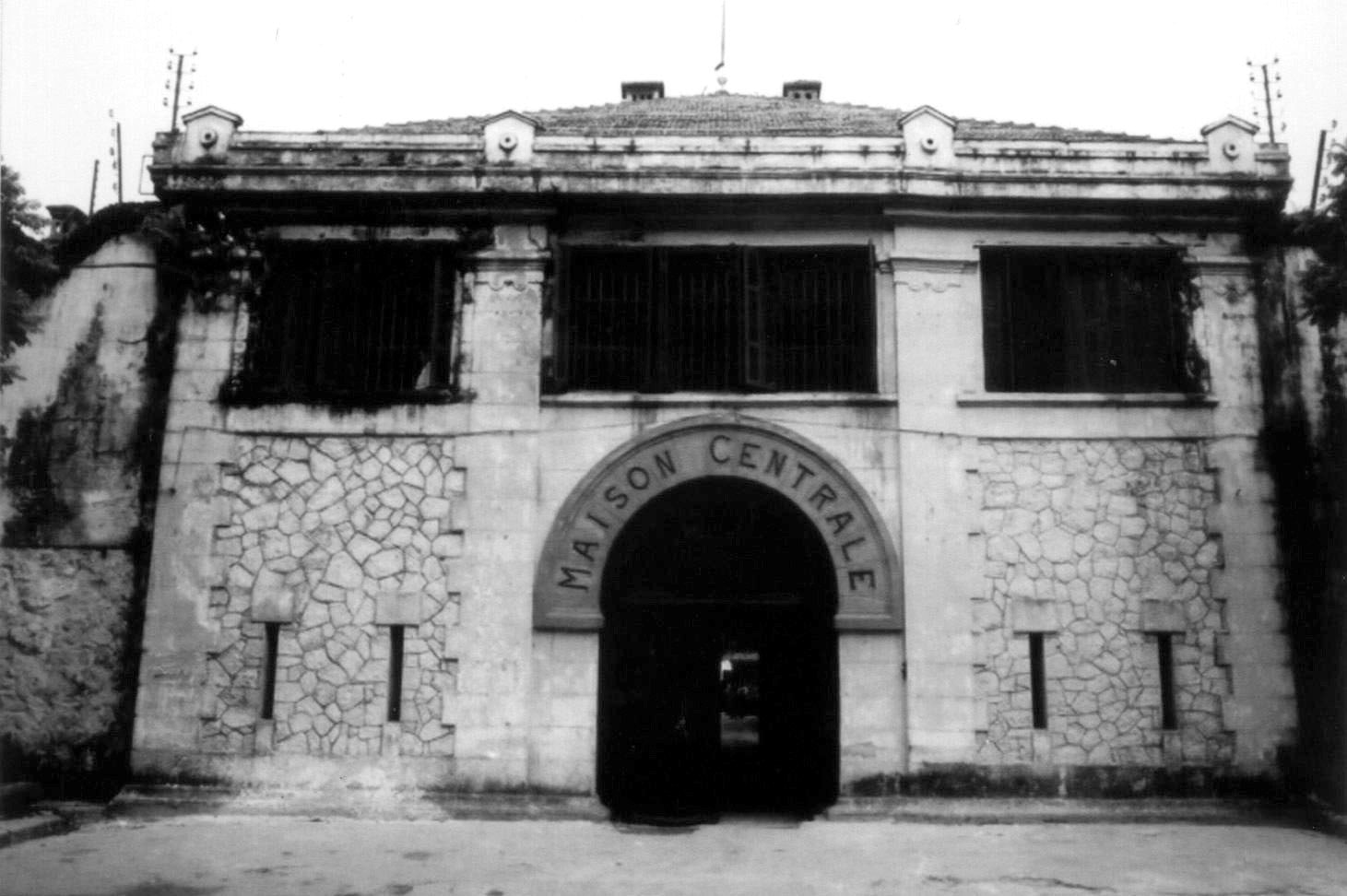
Upon learning of the incident, the French soldiers took her to Phu Doan Hospital (now Viet Duc Hospital) for treatment. There, Ms. Phan was given a private room with two guards watching over her day and night. After her health recovered, they transferred her to the women's prison section of Hoa Lo Prison.
Here, Ms. Phan endured brutal beatings, but also received care and encouragement from other female political prisoners. After more than two months of imprisonment at Hoa Lo Prison, the French colonial authorities released her on January 21, 1951, because she was not yet 18 years old.
Another member of the youth resistance movement imprisoned in Hoa Lo Prison was Duong Tu Minh, the youngest son of Professor Duong Quang Ham.
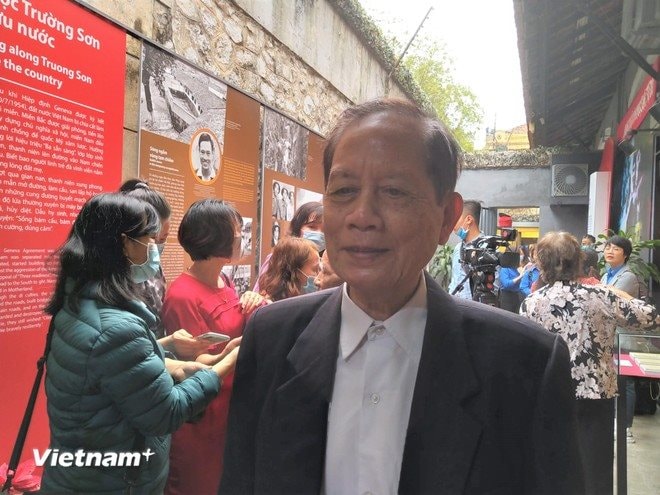
During his time studying at Chu Van An High School, Mr. Minh and his sister, Duong Thi Cuong, participated in the student resistance organization. Their main tasks included organizing activities for student resistance groups in various schools, such as producing secret newspapers, distributing leaflets, hanging flags, and spreading propaganda for the resistance.
In the summer of 1950, the enemy launched a crackdown on the movement, arresting more than 100 students, including Mr. Minh and his sister. However, due to lack of evidence, they were released after two weeks.
Shortly after his release from prison, Duong Tu Minh was admitted to the Hanoi National Salvation Youth Union. He was one of the active members in printing and distributing the secret newspaper of the Hanoi Student Resistance Union, called "Lifeblood."
In October 1952, Minh's printing operation at his home was exposed due to an informant. Thus, at the young age of 17, Minh was arrested for the second time.
The enemy learned that he was an active member of the revolutionary movement, so when he was imprisoned in Hoa Lo Prison, he received "special treatment," being tortured by having wires clamped to his ears and electrocuted throughout his imprisonment.
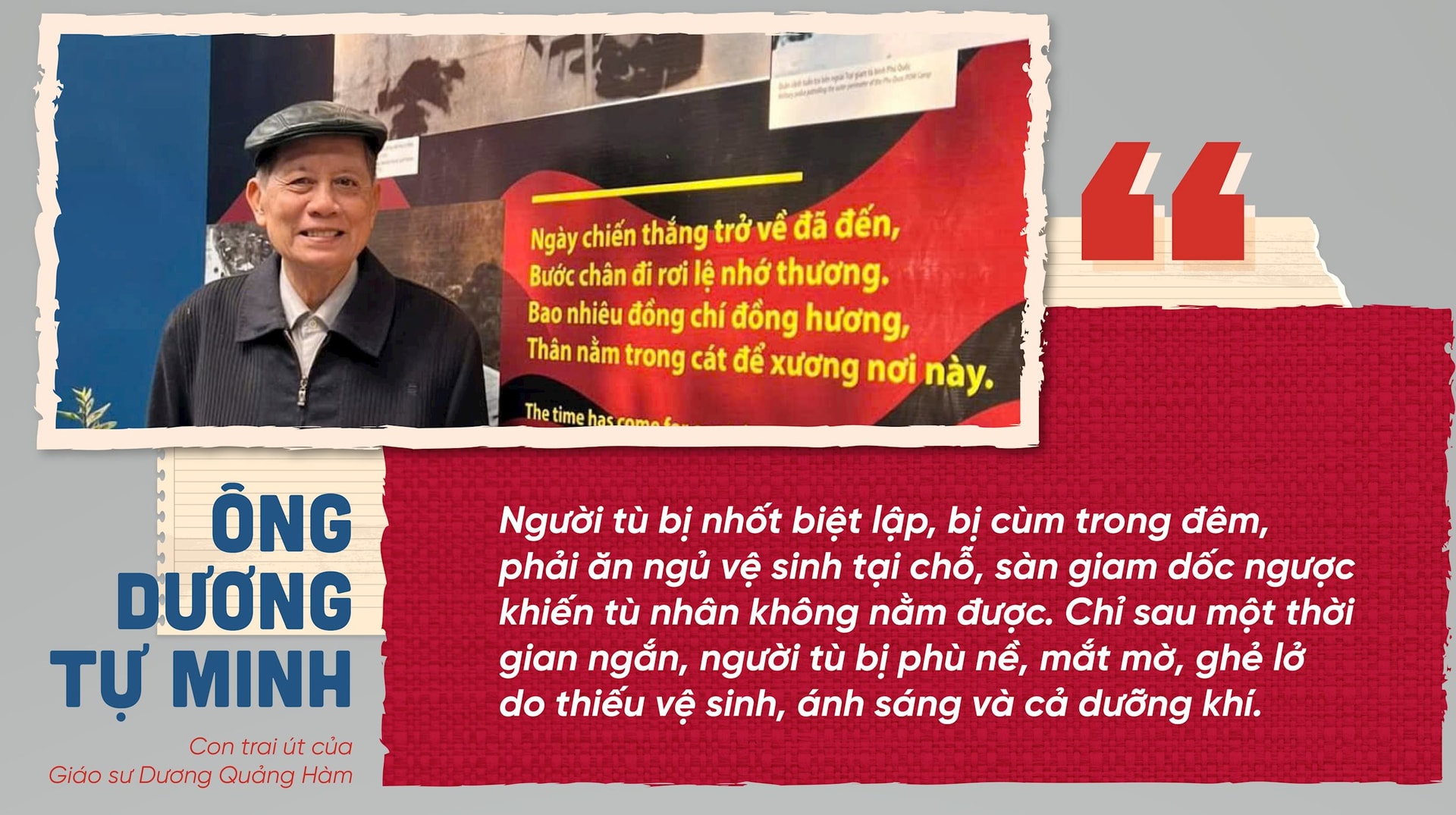
Recounting those days of "enduring hardship," he said: "The prison guards gave us spoiled food, humiliated the prisoners, beat us, and sprayed us with strong streams of water. The leaders were imprisoned in the dark, gloomy Cachot (a dark cell where prisoners who propagated revolutionary ideas were punished). Prisoners were locked up in isolation, shackled at night, forced to eat, sleep, and relieve themselves in place, with the cell floor sloping upwards, making it impossible for prisoners to lie down. After only a short time, prisoners suffered from edema, blurred vision, and sores due to lack of hygiene, light, and even oxygen. There was only a single small window in the wall, the size of a palm, to let in light, which could cause anyone to become mentally exhausted."
Mr. Minh was interrogated about many issues related to the newspaper "Nhua Song" (Living Plastic) but refused to reveal anything. Although the colonial authorities wanted to charge Mr. Minh and his comrades with serious crimes, they lacked sufficient evidence, so they issued a directive to temporarily release him and his three friends on bail.
According to Mr. Duong Tu Minh, despite the harsh prison regime with its many brutal forms of torture, the enemy could not break the will and patriotic spirit of the communist fighters. The prisoners remained steadfast and determined, finding ways to dig tunnels and escape. Moreover, Mr. Minh continued to receive help, training, education , and support from the communist fighters, which helped him mature.
Political and cultural classes, foreign language classes, and public speaking classes were secretly organized by the Hoa Lo Prison Party cell. Lacking proper learning materials, the cement floor served as a makeshift blackboard, and the lime from the walls was used as chalk, which was then erased after each lesson.
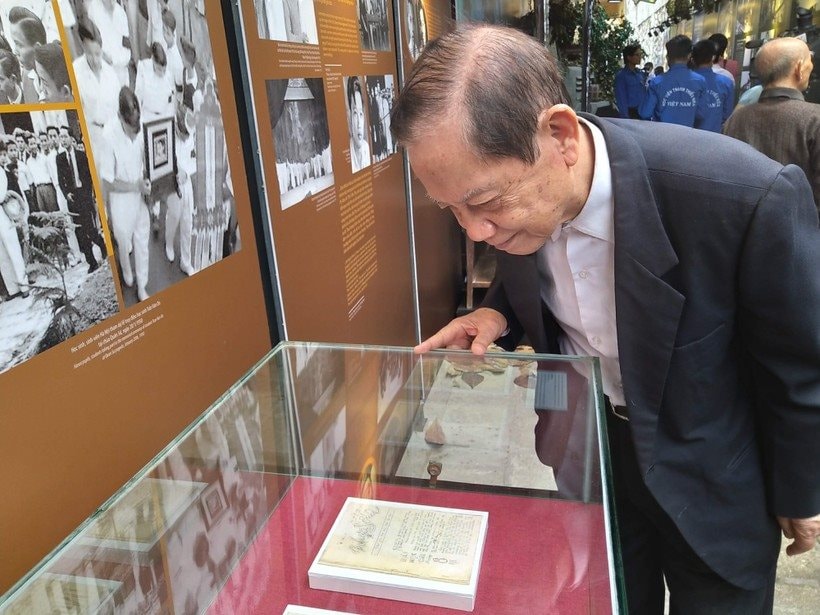
Over the years, time may erase many things, but for Mr. Minh, the days of fighting the enemy in that "hell on earth" will forever remain unforgettable.
Mr. Minh was asked to teach the other prisoners, while others who knew French were assigned to be the head of the camp's representative committee, able to communicate directly with the guards and fight to protect the rights of the prisoners.
Mr. Minh still vividly remembers the New Year's Eve of the Year of the Snake 1953, when all the prisons displayed red flags with yellow stars and portraits of President Ho Chi Minh that he himself had drawn. On the morning of the first day of Tet, the prisons switched to decorating with peace flags and paper peach blossoms. The prison leaders organized tug-of-war competitions, chess tournaments, and cultural performances.
“The Western guards and I also stood and watched. They didn't understand, or even if they did, it was difficult for them to refute the subtle meanings in the resistance fighters' words, their yearning for independence and freedom, and their clever criticisms of the colonial invaders. I enjoyed being immersed in those vibrant struggles and forgot all my sadness about having to celebrate Tet in prison,” Mr. Minh shared.
Another revolutionary fighter at Hoa Lo Prison was the distinguished teacher Nguyen Tien Ha (birth name Nguyen Huu Tu, born in 1928), a member of the Hoang Dieu National Salvation Youth Union (Hoang Dieu was the secret name of Hanoi).
In 1949, Mr. Nguyen Tien Ha was an officer of the Hanoi City Command. During a fierce battle, facing the enemy, in May 1950, he was captured by the enemy and taken to the Secret Police Headquarters (now the Hanoi City Police Headquarters at 87 Tran Hung Dao).
Mr. Ha and several other comrades dug through the wall to escape from prison, but on their way back to the base, they were surrounded and recaptured by the enemy. This time, he had to endure far more brutal torture.
"They put me on a makeshift flight, which meant hanging me from a rafters and electrocuting me, then on a submarine, and shoved me into a water tank to suffocate me, but we resolutely refused to confess," Mr. Ha recalled.
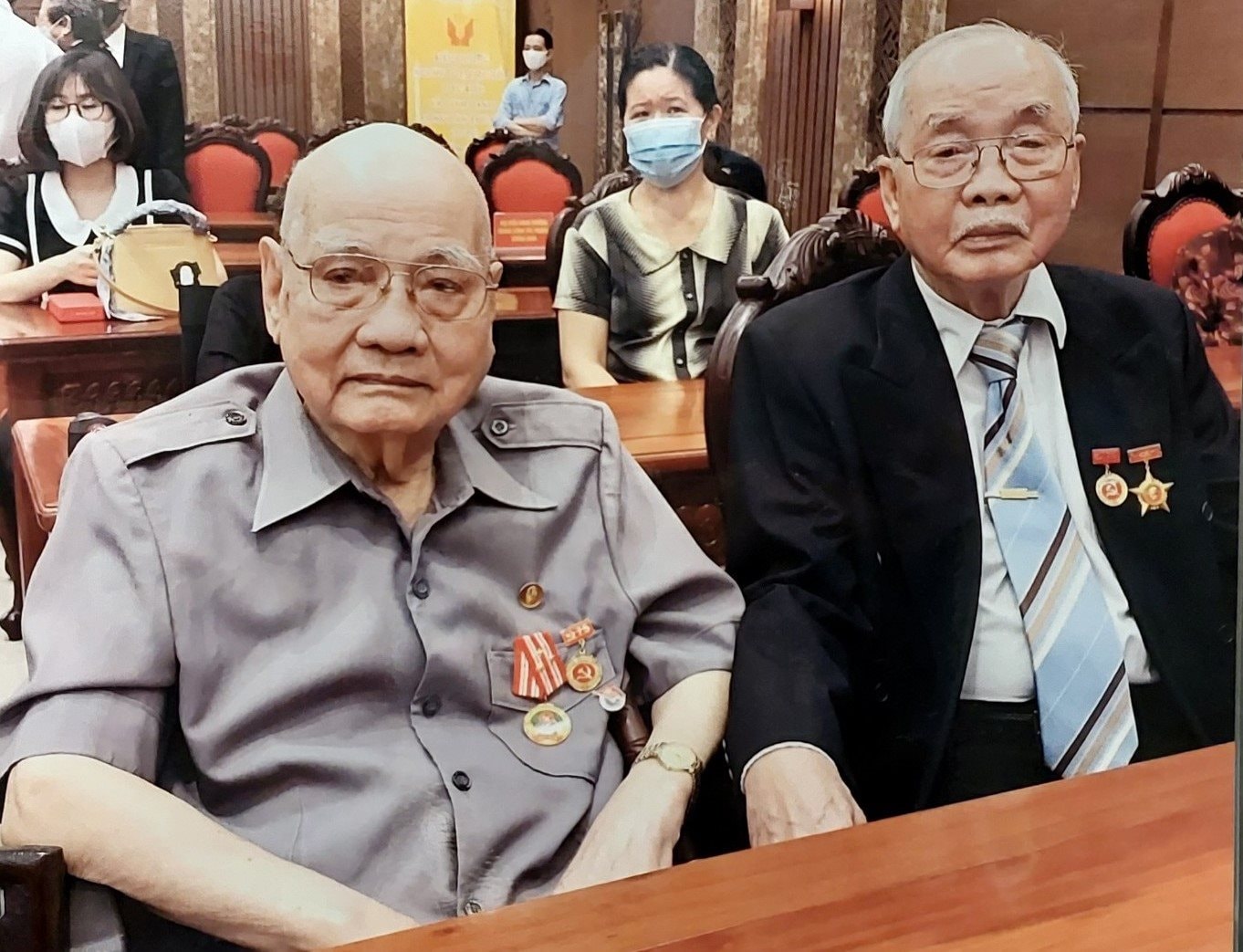
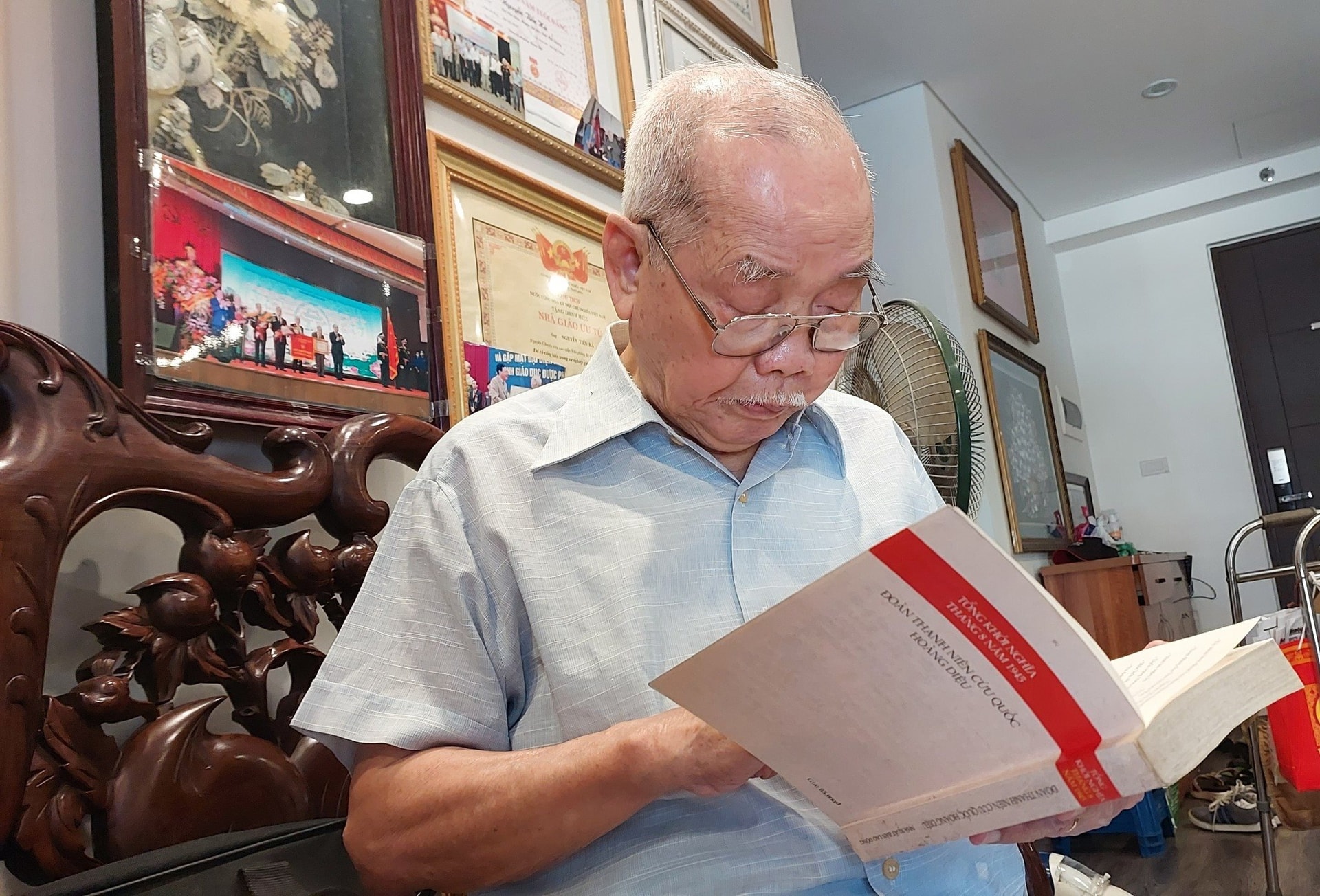
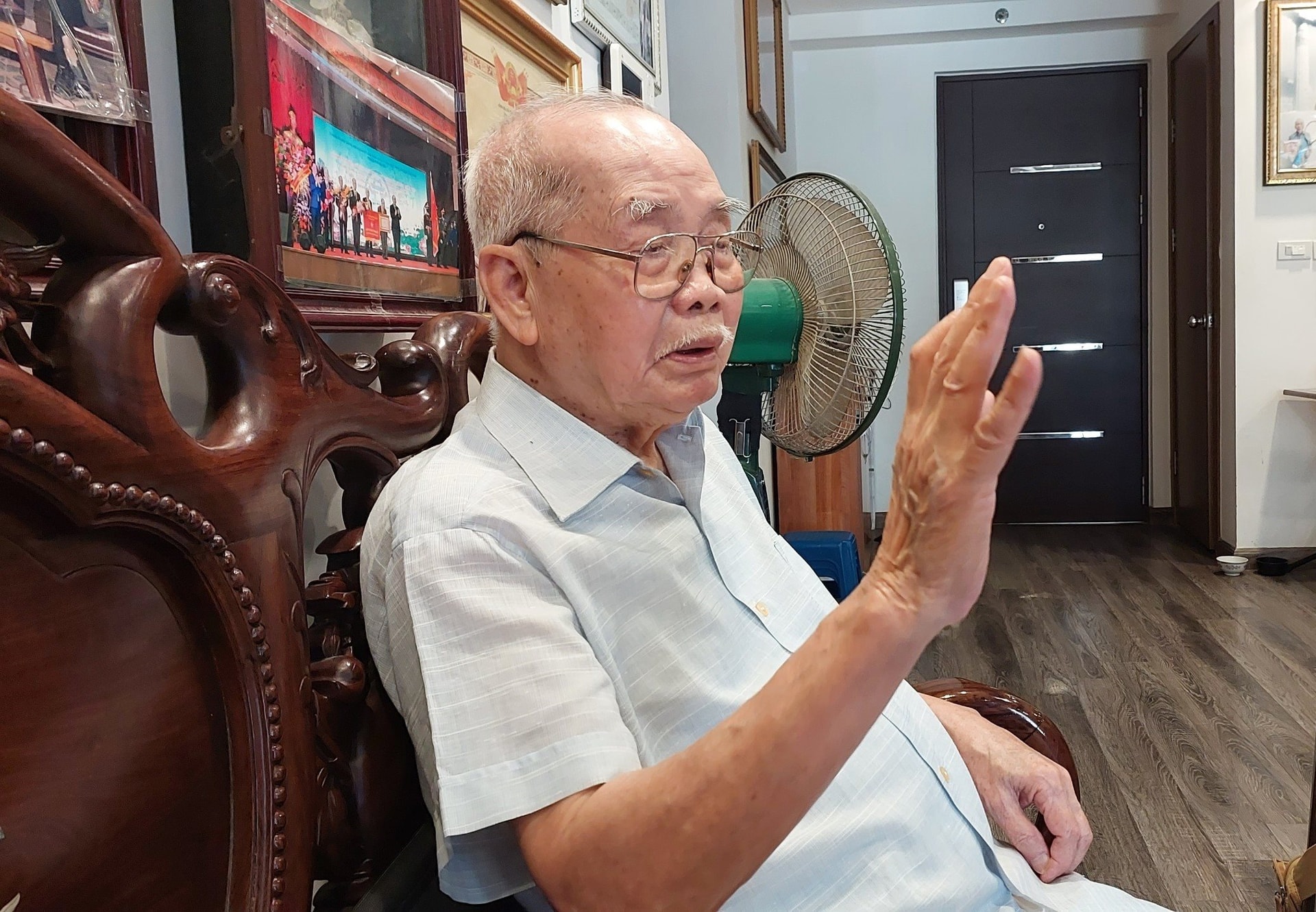
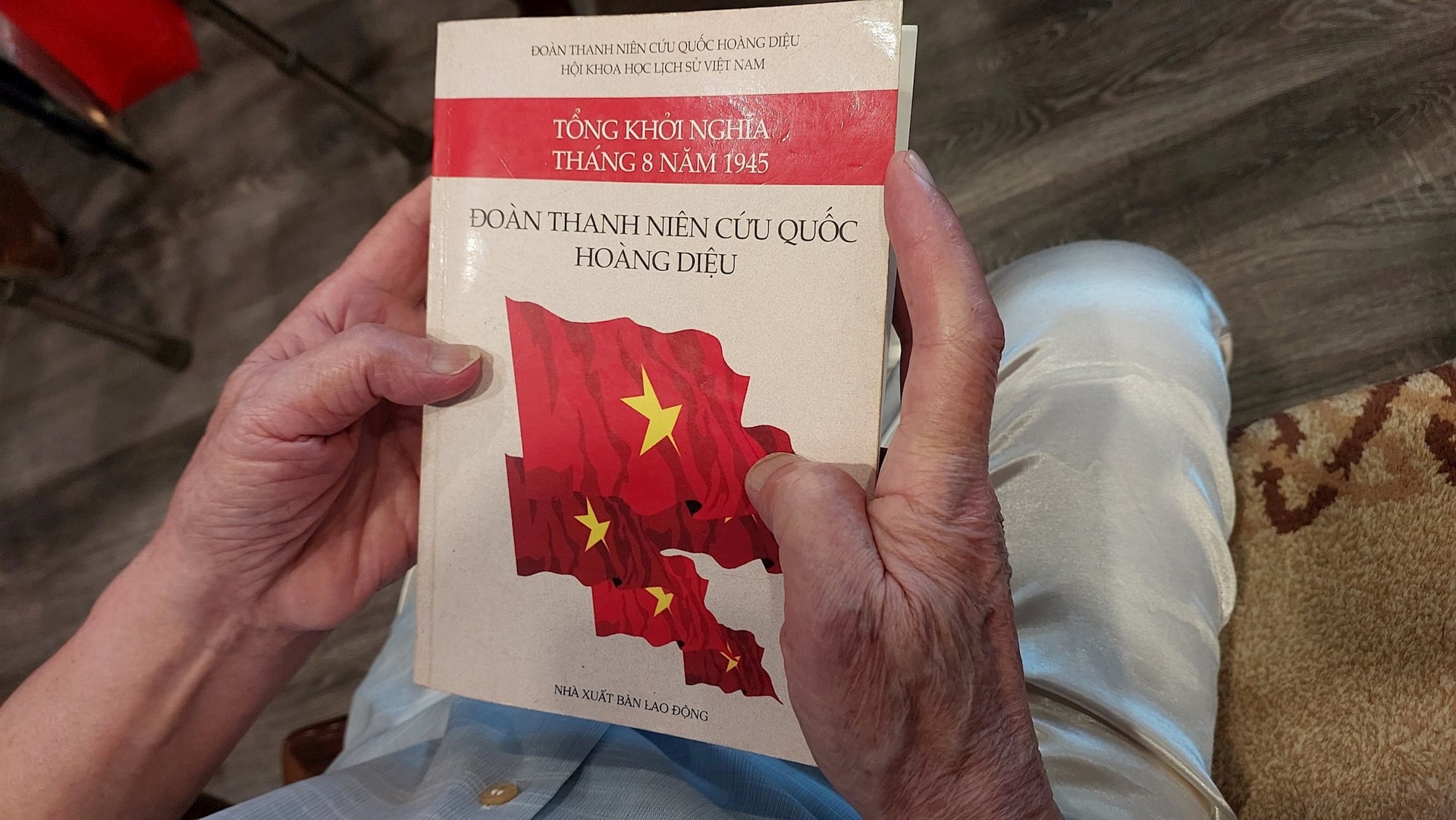
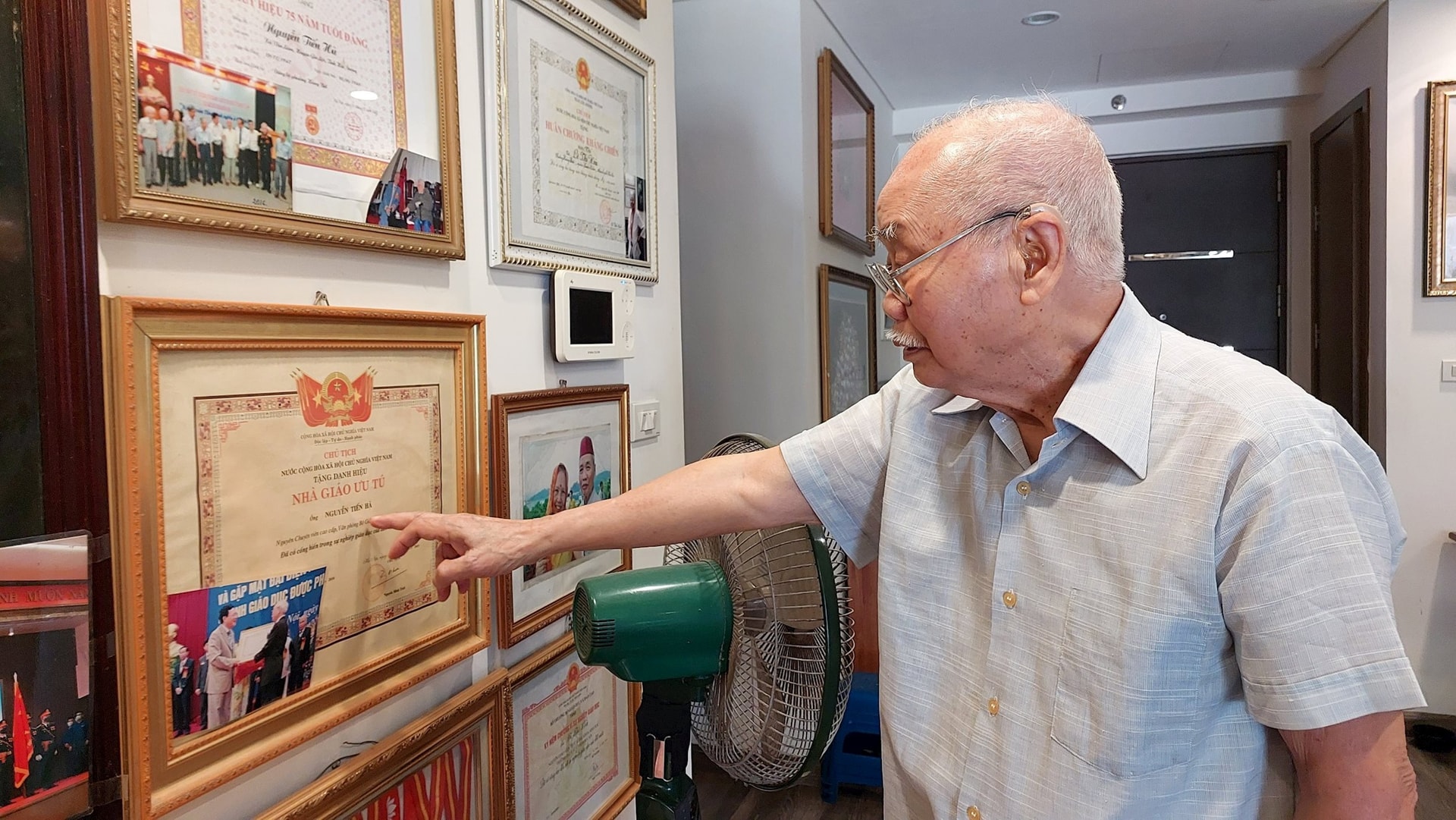
After the brutal beating, Mr. Ha was transferred to Hoa Lo Prison. There, thanks to the care and medicine of his comrades, his health gradually recovered. He was trusted by his fellow inmates and elected to the Party Committee, later becoming the Party Secretary of the prison, continuing the struggle in the camps while organizing cultural, political, and foreign language classes.
In late 1952, unable to convict him, the enemy released Mr. Ha. Immediately after his release, he sought to re-establish contact with his unit, operating semi-openly under the alias Professor Tran Huu Thoa. From then on, he continued to participate in revolutionary activities intertwined with the cause of education.
Thus, the persistent and heroic revolutionary struggle of the people of Hanoi contributed significantly to the "Hanoi on the day of victory," so that after nine years of resistance against the French, on October 10, 1954, the liberation army marched into the capital, the national flag proudly flying atop the Hanoi Flagpole.

Vietnamplus.vn
Source: https://mega.vietnamplus.vn/bai-2-bien-nha-tu-thanh-truong-hoc-cach-mang-6625.html
































































Comment (0)