

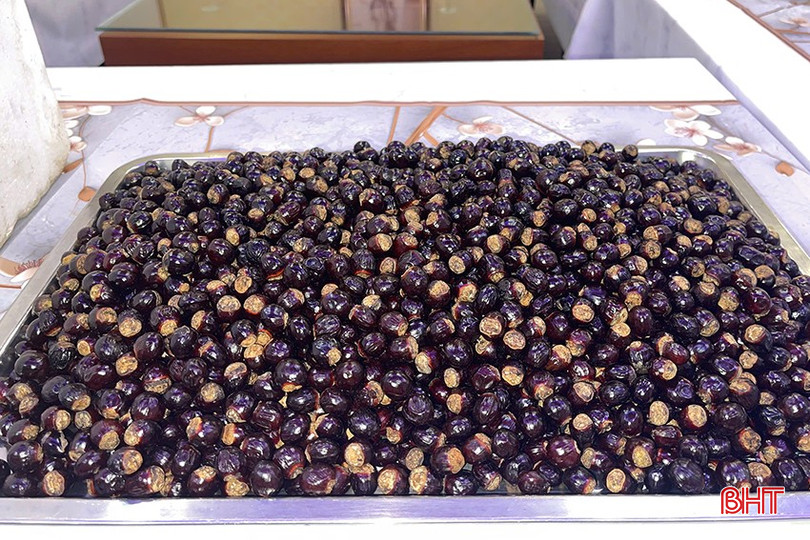
The Provincial Agricultural Extension Center recently handed over 30kg of local longan seeds to Vu Quang National Park. This activity is part of the "seed bomb" program implemented by the Department of Agriculture and Environment of Ha Tinh province.
Introducing longan trees into intercropping within forests not only increases forest cover but also opens up avenues for integrated agricultural and forestry development, creating sustainable livelihoods for people in buffer zones. According to the plan, the "seed bomb" solution will be implemented using natural scattering or drones in specific areas.
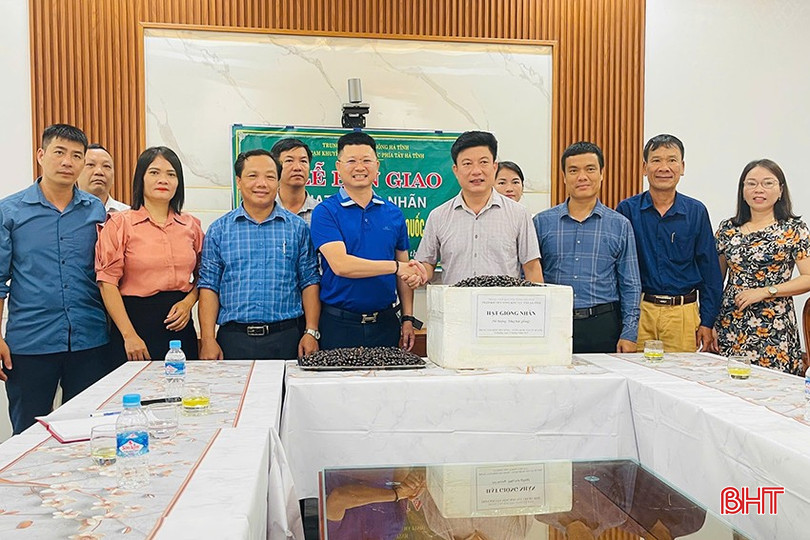
Mr. Nguyen Huu Ngoc, Director of the Ha Tinh Agricultural Extension Center, said: “The ‘seed bomb’ solution allows us to plant forests quickly and efficiently in degraded forest areas and barren hills, especially in hard-to-reach areas. This method disperses forest and fruit tree seeds with a high survival rate, contributing to the sustainable restoration and increase of forest cover density. At the same time, the center is also coordinating with units and localities to implement the project “Developing the multi-purpose value of forest ecosystems,” aiming to transform forest management thinking towards multi-benefit – exploiting non-timber potential such as: building models for growing medicinal plants under the forest canopy, ecotourism, and orienting the development of high-value non- timber products, creating stable livelihoods for local people.”
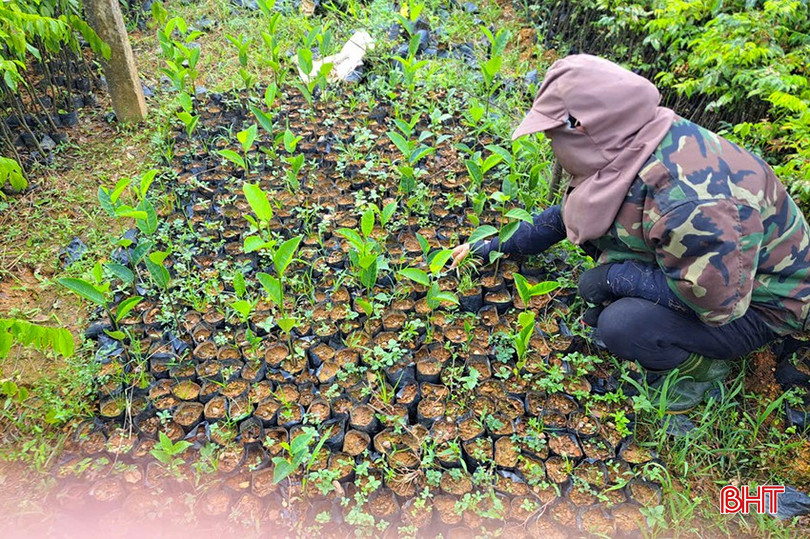
Besides receiving seeds from the Agricultural Extension Center, Vu Quang National Park has also proactively implemented many activities to carry out the "seed bomb" solution to restore and enrich the forest.
Mr. Nguyen Danh Ky, Director of Vu Quang National Park, said: “The unit is currently managing over 57,000 hectares of forest land, including special-use forests, protection forests, and production forests. Immediately after understanding the policy, the unit widely disseminated it to all officials, employees, and workers and launched a campaign to collect seeds of native trees and fruit trees with economic and ecological value. This is also a practical part of the emulation movement commemorating the 80th anniversary of the traditional day of the Agriculture and Environment sector. To date, 1,000 seeds have been selected, germinated, and monitored for growth, serving as a basis for planting in the near future. In addition, the unit has developed a communication plan, coordinating with schools in the area to spread the meaning and raise awareness among students and the community about forest and environmental protection.”
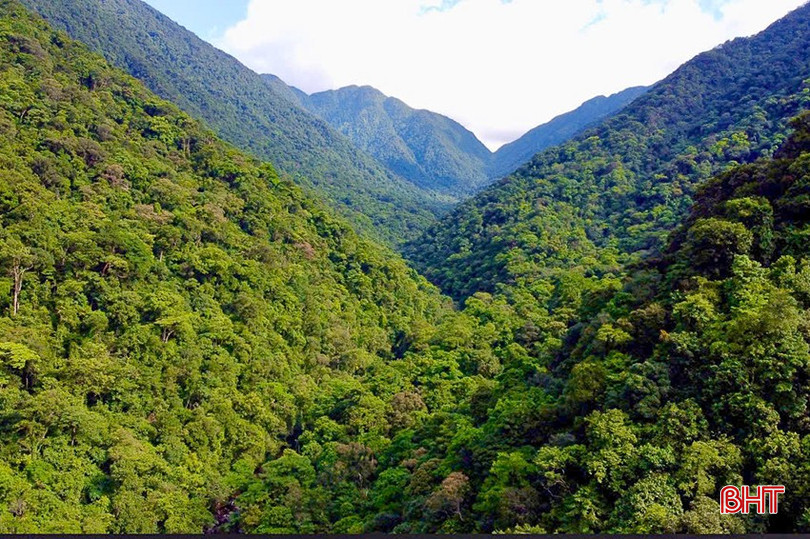
Currently, the Ke Go Nature Reserve Management Board is actively participating in the "seed bomb" campaign. Following the direction of the Department of Agriculture and Environment, the unit has issued a plan to launch the seed collection campaign in 2025. Accordingly, priority seed types for collection include seeds of easily regenerating forest trees (prioritizing native trees such as mahogany, teak, etc.) and seeds of valuable fruit trees (longan, jackfruit, mango, avocado, tea, etc.) suitable for the natural conditions in the Ke Go Nature Reserve.
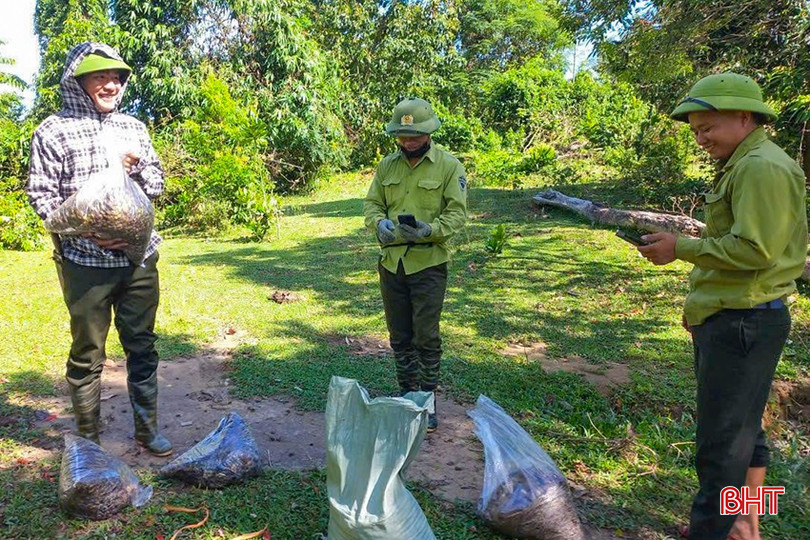
Mr. Nguyen Tien Dung, Director of the Ke Go Nature Reserve Management Board, said: "According to the plan, each official, employee, and worker must collect at least 1-2 kg of seeds. These seeds are selected, cleaned, and preserved to prevent mold and damage; they are then sorted into different tree groups and evenly distributed across special-use forests (except for strictly protected zones), protection forests, and production forests. In particular, the areas around the forest protection stations and the Libyan shrine prioritize planting fruit trees and trees with high economic value."
"Seed bombs" are a simple method that contributes to the restoration, regeneration, and enrichment of forests, thereby promoting biodiversity and the sustainable development of forest ecosystems. Beyond its ecological significance, the movement has a strong social impact, implemented on a voluntary basis, creating opportunities for officials, employees, students, and the community to participate in forest protection. Through this, it raises awareness and a sense of responsibility among the people for sustainable forest development.
To date, the entire province has 8 state-owned forest management units that have proactively developed implementation plans, covering a total area of 202.7 hectares. These units have actively collected, processed, and sown native seeds, while also receiving seeds from officials, employees, students, and the Provincial Agricultural Extension Center, forming a practical social mobilization movement in forest protection and development.
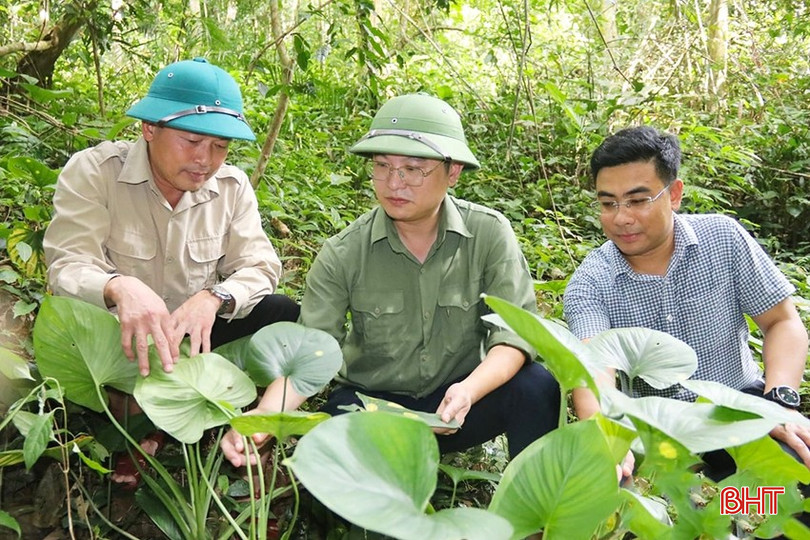
Mr. Le Huu Tuan, Head of the Forest Protection and Development Department (Ha Tinh Forest Protection Sub-Department), said: “Implementing the ‘seed bomb’ is a sustainable, long-term, cost-effective solution that mobilizes all social resources in sustainable forest development. In the coming time, the Department of Agriculture and Environment will work on a thematic project with forest owners, localities, departments, agencies, and mass organizations to encourage members and students to collect fruit tree seeds to distribute to forest owners, management boards of protection forests, special-use forests, etc.; and direct forest management units to include it in their annual plans for implementation. At the same time, we will regularly evaluate the effectiveness and applicability of this solution.”
Source: https://baohatinh.vn/bom-hat-giong-huong-den-phuc-hoi-phat-trien-rung-ben-vung-post297629.html









































































Comment (0)