

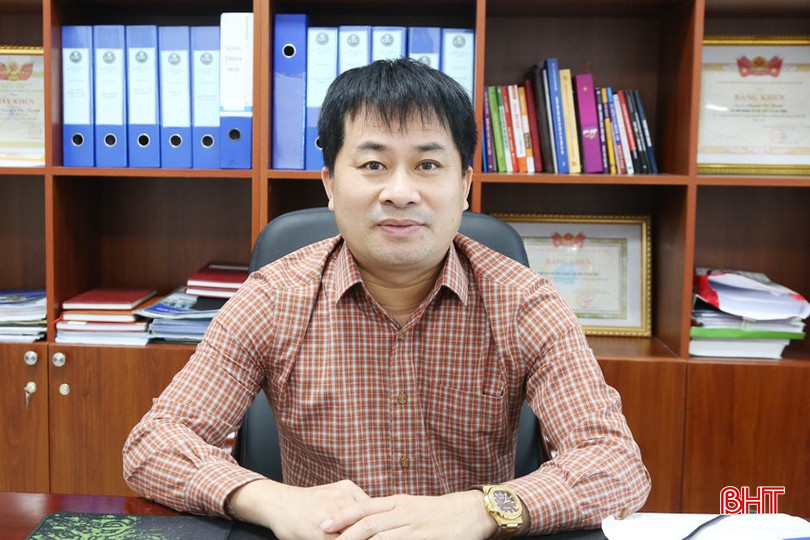
Ha Tinh shares a border with Laos and has the Cau Treo International Border Gate, so there is a high risk of polio entering the area. In light of this situation, Mr. Nguyen Chi Thanh – Director of the Center for Disease Control and Prevention of Ha Tinh province – discussed prevention and control measures with Ha Tinh Newspaper and radio and television.
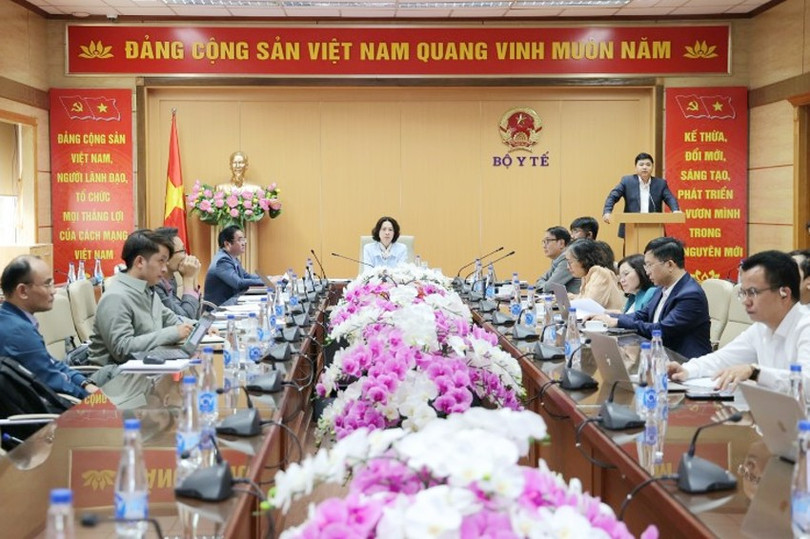
PV: How do you assess the risk of polio entering the Chinese province after Laos reported an outbreak?
Mr. Nguyen Chi Thanh: Recently, Laos recorded 3 cases of polio, including one case where the virus showed genetic mutation, leading Laos to declare a nationwide polio epidemic. With Ha Tinh having a direct border crossing with Laos, and a large number of people and vehicles entering the country daily, it is considered a high-risk area for disease transmission and could experience cases if not strictly controlled and monitored.
On the other hand, although Ha Tinh has effectively implemented the expanded immunization program in recent years, with a vaccination rate consistently above 95%, there are still 4% - 5% who have not been fully vaccinated, so the immunity rate in the community has not yet reached 100%, and the risk of contracting and spreading polio if an outbreak occurs remains high.
PV: How has the health sector implemented polio prevention and control measures recently, and what results have been achieved? Sir?
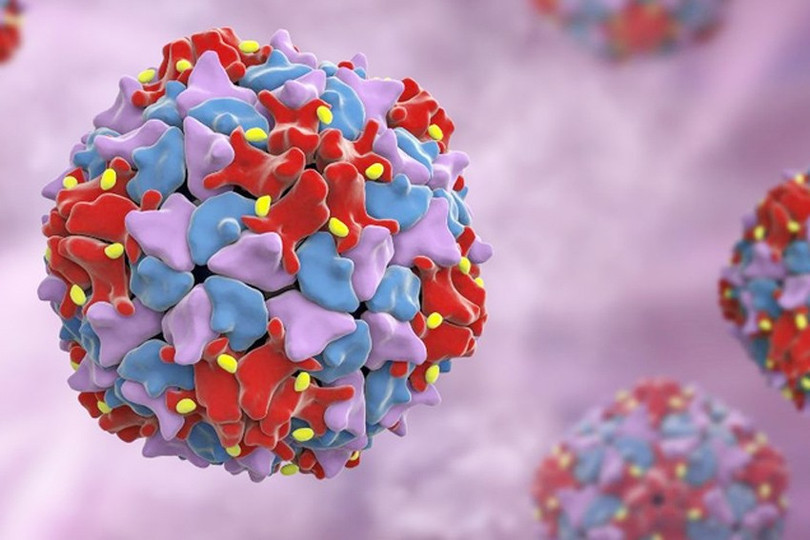
Mr. Nguyen Chi Thanh: Polio is an acute viral infection transmitted through the digestive tract by Poliovirus, with the potential to spread into an epidemic. Sources of transmission include both patients in all clinical forms and healthy carriers of the virus; they excrete large amounts of Poliovirus in their feces, contaminating water and food sources. After entering the body, the virus multiplies in the lymph nodes, and a small portion may enter the central nervous system, damaging the anterior horn cells of the spinal cord and motor neurons, leading to acute flaccid paralysis syndrome.
Given the severity of the disease, the Ha Tinh Health Department has implemented a comprehensive range of measures to prevent and control it. Since a vaccine is available, the department has focused heavily on vaccination to create strong immunity in the community, especially among children; strengthening disease surveillance in the community, promptly detecting suspected cases to proactively implement prevention and control measures, and preventing the disease from spreading and breaking out. The department has also intensified communication efforts to raise awareness and skills in preventing and controlling infectious diseases in general and polio in particular among the people...
PV: To prevent the risk of polio outbreaks, what solutions will the health sector implement, and what are the recommendations from relevant authorities? Sir?
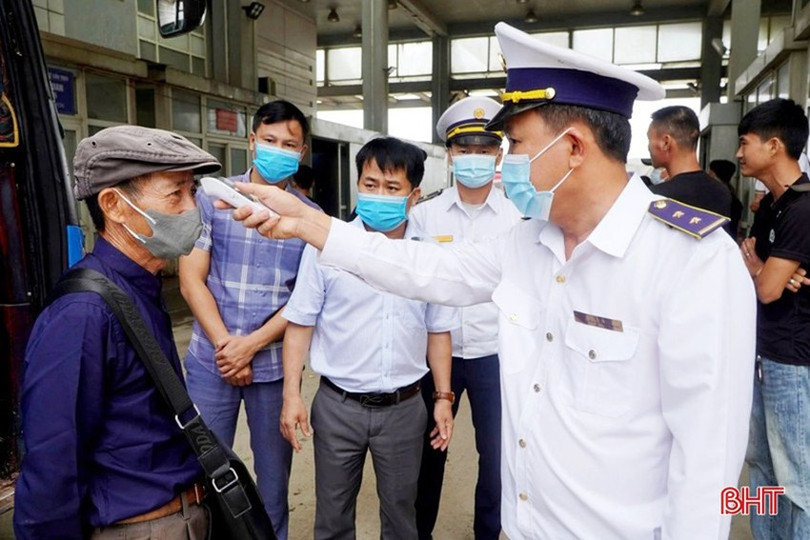
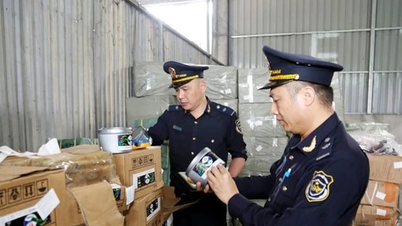
Mr. Nguyen Chi Thanh: To prevent the disease from entering Vietnam, the sector will focus on implementing disease prevention measures at border gates, especially closely monitoring people traveling from areas with outbreaks and returning to localities from neighboring countries. We will also focus on effective vaccination to increase immunity when cases appear and in contact with infected individuals, limiting the risk of spread.
For the general public, it is necessary to maintain good personal hygiene, wash hands with soap, and eat cooked food and drink boiled water. Individuals returning from epidemic areas should proactively report to health authorities for timely advice and monitoring.
In particular, since this disease has a vaccine, people need to take their children for full and timely vaccinations as recommended by the health sector. When symptoms of infection appear, they should immediately go to medical facilities for examination and timely treatment...
Interviewer: Thank you, sir!
Source: https://baohatinh.vn/giam-sat-chat-cua-khau-ngan-benh-bai-liet-xam-nhap-vao-ha-tinh-post301094.html


![[Photo] Prime Minister Pham Minh Chinh attends the Conference summarizing and implementing tasks of the judicial sector.](/_next/image?url=https%3A%2F%2Fvphoto.vietnam.vn%2Fthumb%2F1200x675%2Fvietnam%2Fresource%2FIMAGE%2F2025%2F12%2F13%2F1765616082148_dsc-5565-jpg.webp&w=3840&q=75)










































































Comment (0)