

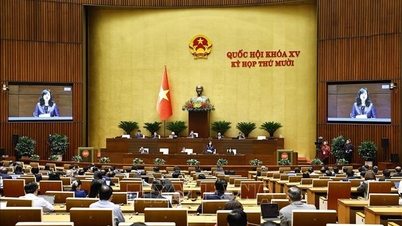
This is one of the notable contents in the discussion session at the hall on investment policy of the National Target Program on health care, population and development for the period 2026 - 2035 this morning, December 2.
Priority is given to periodic health check-ups for people in remote areas.
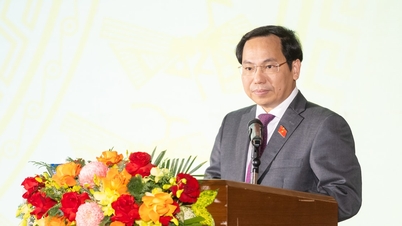
Through studying the draft Resolution of the National Assembly on a number of breakthrough mechanisms and policies for the protection, care and improvement of people's health, National Assembly Deputy Dang Bich Ngoc (Phu Tho) assessed that expanding health care benefits and reducing medical costs for people (Article 1) is a very important policy to implement the contents set out by the Politburo in Resolution 72 on a number of breakthrough solutions to strengthen the protection, care and improvement of people's health.
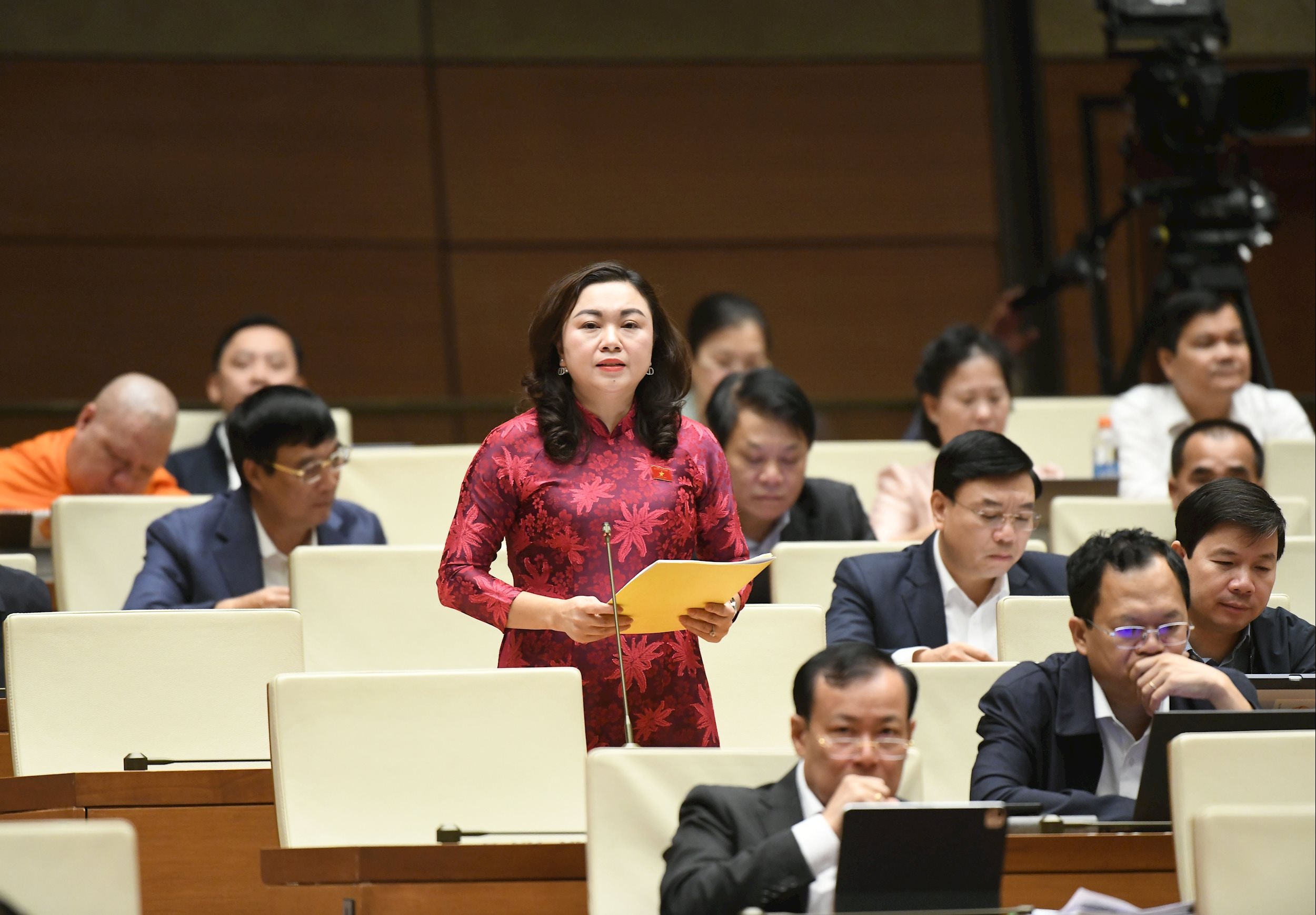
According to the draft, starting from 2026, people will be able to have regular health check-ups or free screenings at least once a year according to priority groups and schedules. However, the draft needs to clearly and specifically stipulate the regular health check-ups or free screenings from 2026, especially the schedule and priority groups. People are expecting to have annual health check-ups, so careful preparation is needed.
Delegate Dang Bich Ngoc also suggested that the draft should stipulate the direction of striving to implement and complete the electronic health book from 2026, without setting rigid requirements, and at the same time deploying it first in qualified places. She recommended that the first priority group for periodic health check-ups from 2026 should include: ethnic minorities in remote, isolated and extremely difficult areas; poor and near-poor households and vulnerable groups to ensure fairness and transparency in access to health services.
Need special mechanism to attract doctors in difficult areas
Commenting on the salary and allowance regime and policies for medical staff (Article 3), National Assembly member Dang Bich Ngoc proposed that the draft study and supplement breakthrough and specific policies on salaries and allowances to attract and retain doctors in mountainous, remote and isolated areas, where many medical stations still lack permanent doctors and have limited professional human resources. She emphasized the need to strengthen training and fostering, especially developing on-site teams of ethnic minorities, implementing the form of "hand-holding", while rotating upper-level staff to provide technical support and promote remote medical examination and treatment. According to the delegate, only with synchronous solutions can the quality of primary health care be improved and the right to health care for the people be guaranteed.
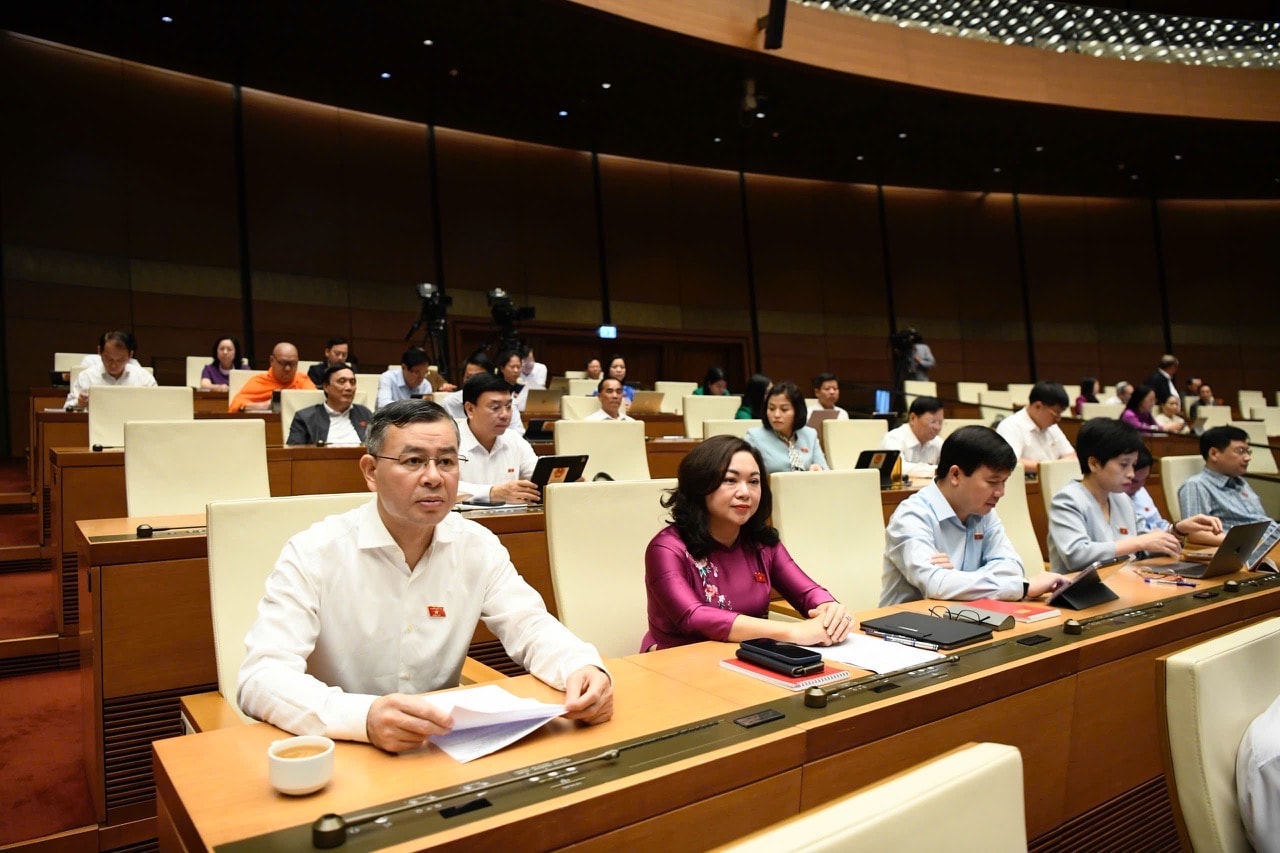
The delegate cited that in reality, the grassroots health network still faces many difficulties: insufficient and weak facilities, outdated equipment, inadequate information technology infrastructure, especially in remote, isolated and ethnic minority areas; lack of medical human resources, making it difficult to implement electronic health records for the entire population by 2026. Therefore, she proposed that the Government continue to issue mechanisms, spending norms and prioritize investment in difficult areas; focus on training, fostering and retaining local medical staff who have been with the area for many years.
Prioritize resource allocation to improve population quality and adapt to population aging.
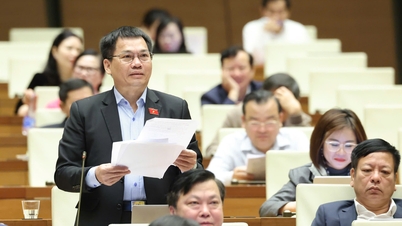
In addition, National Assembly Deputy Nguyen Van Manh (Phu Tho) also said that Resolution 72 clearly stated the requirement that each province and centrally-run city have at least one specialized hospital, a geriatric hospital or a general hospital with a geriatric department to meet the healthcare needs of the elderly.
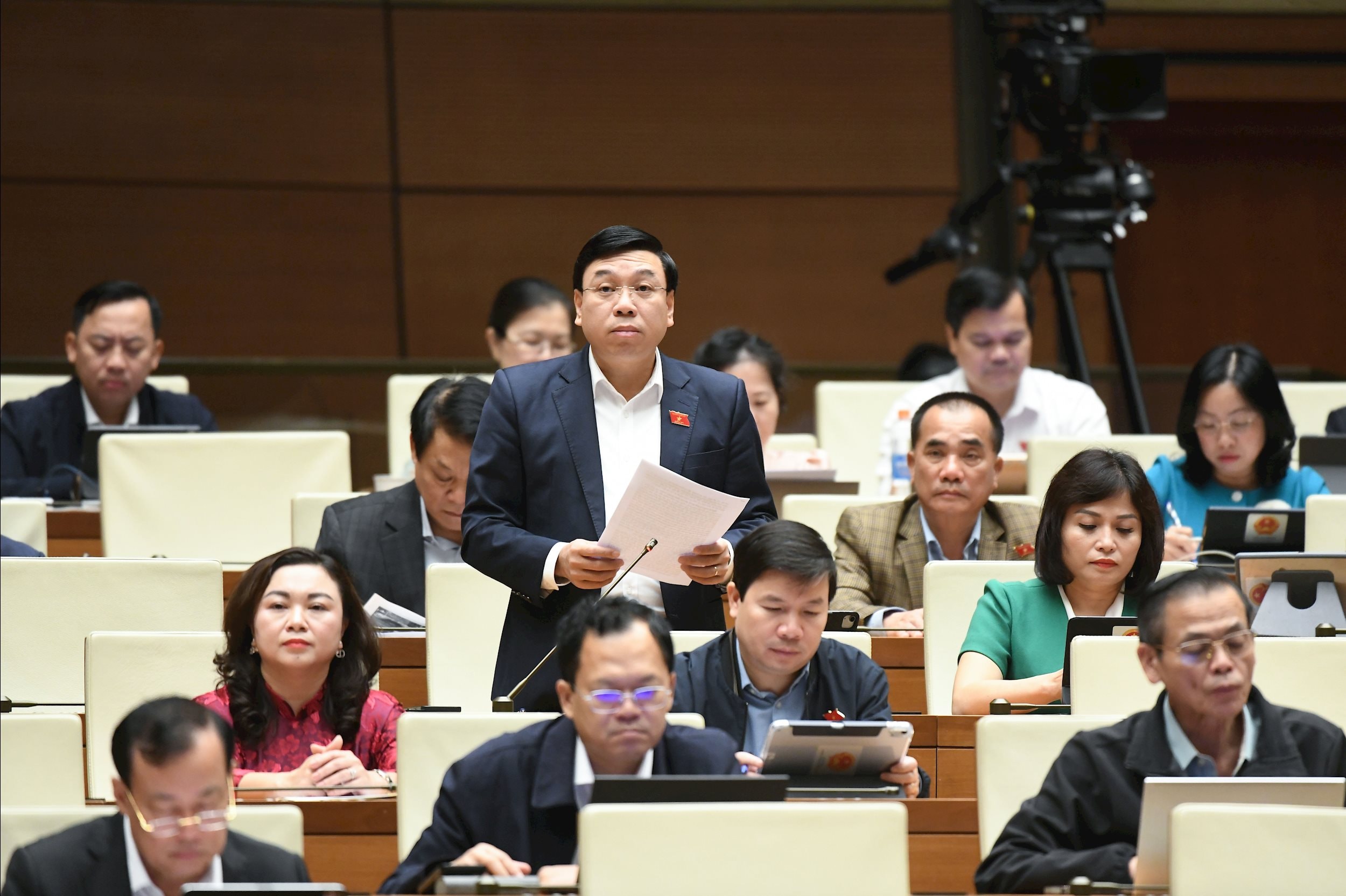
However, this content has not been institutionalized by the Ministry of Health in the National Target Program on People's Health Care, Population and Development 2026 - 2035. Delegates proposed that the Government balance capital sources to allocate for sub-projects to improve population quality and adapt to population aging, and care for the health of the elderly in accordance with the Health Network Planning for the period 2021 - 2030. In the context of limited funding, it is recommended to pilot implementation in some localities first.
According to delegate Nguyen Van Manh, Resolution 72 of the Politburo affirms the viewpoint: There are breakthrough policies and mechanisms in mobilizing and effectively using all resources to improve the quality of work in protecting, caring for, and improving people's health. Promote the development of private healthcare, encourage the development of large-scale private hospitals.
However, the program has not yet specified this content but still focuses on using state budget capital for implementation, the role of other capital sources is still very limited. Therefore, delegates proposed to add goals and solutions to mobilize social resources to invest in developing the health system in general and geriatric health facilities in particular, in order to fully implement the spirit of Resolution 72 and ensure the achievement of program goals.
Source: https://daibieunhandan.vn/can-lo-trinh-va-nguon-luc-ro-rang-de-trien-khai-kham-suc-khoe-dinh-ky-tu-nam-2026-10397877.html




![[Photo] Worshiping the Tuyet Son statue - a nearly 400-year-old treasure at Keo Pagoda](/_next/image?url=https%3A%2F%2Fvphoto.vietnam.vn%2Fthumb%2F1200x675%2Fvietnam%2Fresource%2FIMAGE%2F2025%2F12%2F02%2F1764679323086_ndo_br_tempimageomw0hi-4884-jpg.webp&w=3840&q=75)
![[Photo] Parade to celebrate the 50th anniversary of Laos' National Day](/_next/image?url=https%3A%2F%2Fvphoto.vietnam.vn%2Fthumb%2F1200x675%2Fvietnam%2Fresource%2FIMAGE%2F2025%2F12%2F02%2F1764691918289_ndo_br_0-jpg.webp&w=3840&q=75)







![[Video] Continuing the 34th working day, 10th Session, 15th National Assembly](https://vphoto.vietnam.vn/thumb/402x226/vietnam/resource/IMAGE/2025/12/03/1764720131270_dung00-53-48-32301still010-jpg.webp)


































































Comment (0)