

According to director, People's Artist Giang Manh Ha, the current lack of Tuong scripts comes from many causes. The most important problem lies in the force of authors. Veteran writers such as: screenwriter Nguyen Sy Chuc, screenwriter Doan Thanh Tam... are about to enter retirement age, while the force of young authors has almost not appeared to inherit and develop. This is becoming more serious because the training of a new generation of authors is still limited. Universities and colleges training in performing arts have not yet built a systematic mechanism to discover and nurture talents. Young people with passion and talent for Tuong scriptwriting, if they self-study and experience, will find it difficult to become professional authors. Besides, the characteristics of Tuong theater also set high requirements.
Tuong is a “scholarly” play, following strict principles, requiring the author not only to write literature but also to have a deep understanding of the song system, melody, the way each character expresses and the plot structure with clear conflicts, climaxes and events. Finally, the mechanism of staging plays is also a challenge. Many young authors have to wait for their scripts to be reviewed, or wait for art units to select them, leading to interruptions in the writing process. When veteran authors reach retirement age and there are not enough young people to inherit, the gap becomes more obvious.
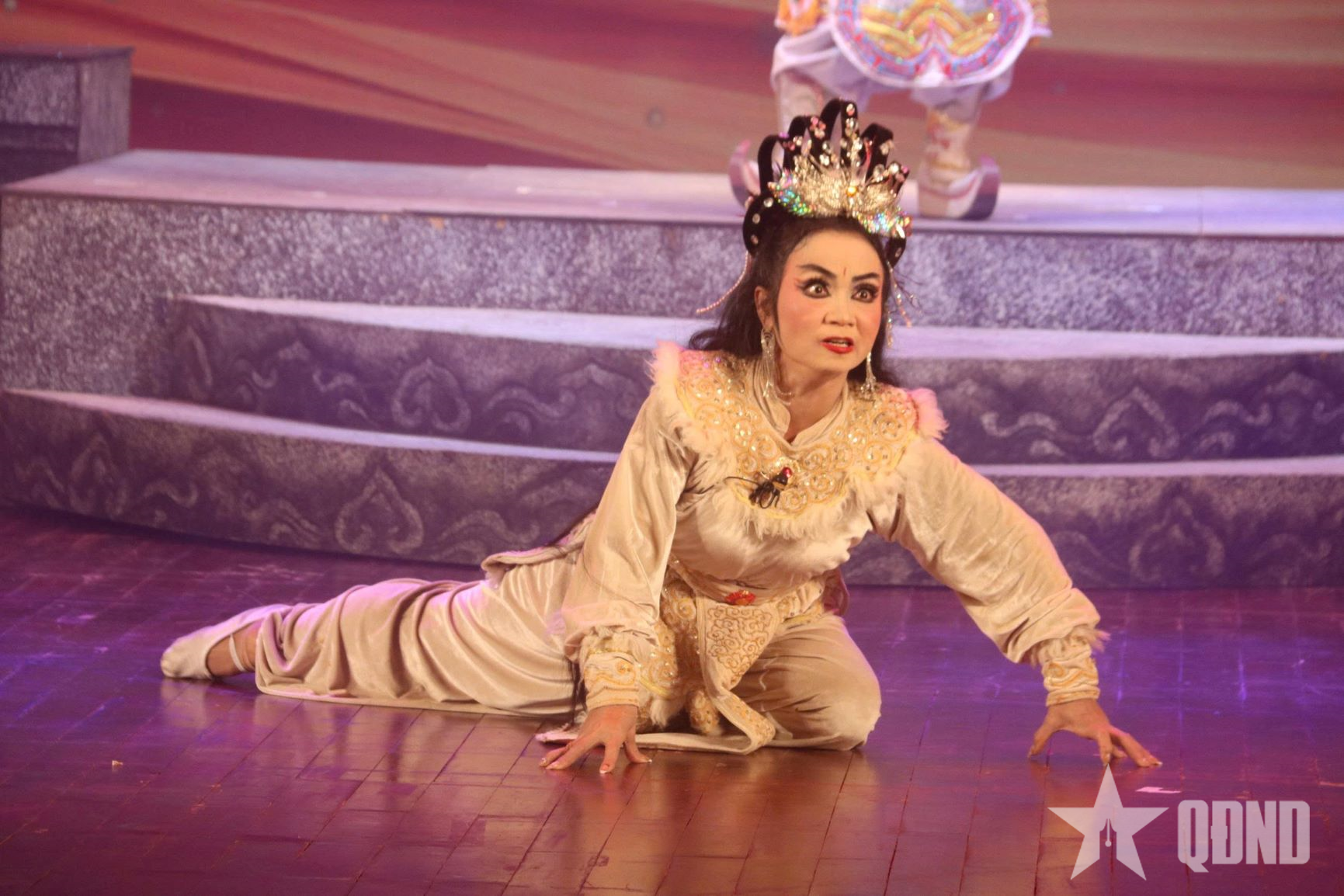 |
A scene from the famous play “Ho Nguyet Co turns into a fox” performed at the National Tuong and Folk Opera Festival in 2025. Photo: CHAU XUYEN |
Looking back at the "capital" of Vietnamese Tuong works over the past decades, we can see that the materials for creating Tuong scripts are quite rich. First of all, Tuong plays often exploit historical themes, honoring cultural celebrities and heroes who have contributed to building and defending the Fatherland. This is a treasure trove for authors to freely explore and create. Besides historical values, the breath of contemporary life is also an abundant source of materials. When the country integrates and develops, new stories, events and images appear. However, the key is how the author feels, chooses and breathes life into those materials. The vibration of the heart before the theme, story and character determines the vitality and appeal of the script, helping each work become unique and rich in performance.
Director, People's Artist Giang Manh Ha expressed his opinion that to open up a rich source of Tuong scripts, there needs to be synchronous solutions from many sides. First of all, state management agencies and cultural and artistic training centers must have a strategic vision, build a specific roadmap for training, remuneration mechanisms and creative support for the next generation of authors. Discovering and nurturing talented seeds from universities and colleges is very important. Students with literary talent and a passion for scriptwriting need to be properly oriented, equipped with creative skills, knowledge of history, culture and theater arts, helping them form a solid foundation to create quality Tuong scripts with long-term value.
When creating a Tuong script, it is necessary to pay attention to the depth of thought and structure so that the work is both attractive and rich in educational value. The content needs to tell a historical story but at the same time convey life lessons, guide perception and action, especially for the younger generation. The conflicts and clashes between characters create drama, focused climaxes. The dialogue language is delicate, sharp, rich in literary value; the rhythm is concise and concise so that the audience can easily follow. The script also needs to reflect the life and thoughts of people today, even when exploiting historical themes or cultural celebrities, helping the audience feel close and connected to themselves, especially young audiences.
To bring Tuong closer to the public, art units need to innovate their organization and audience connection methods. Using fanpages, websites, selling tickets online or inviting lecturers and students from schools to participate helps increase accessibility and interaction. Direct feedback from the audience helps artists and theaters adjust scripts, acting and staging, maintaining the vitality of the stage.
Source: https://www.qdnd.vn/van-hoa/doi-song/can-luc-luong-tac-gia-moi-de-tuong-khong-bi-dut-gay-1015229
![[Photo] Cat Ba - Green island paradise](/_next/image?url=https%3A%2F%2Fvphoto.vietnam.vn%2Fthumb%2F1200x675%2Fvietnam%2Fresource%2FIMAGE%2F2025%2F12%2F04%2F1764821844074_ndo_br_1-dcbthienduongxanh638-jpg.webp&w=3840&q=75)































![[VIMC 40 days of lightning speed] Da Nang Port: Unity - Lightning speed - Breakthrough to the finish line](https://vphoto.vietnam.vn/thumb/402x226/vietnam/resource/IMAGE/2025/12/04/1764833540882_cdn_4-12-25.jpeg)




































Comment (0)