

Upon launching the initiative, the organizing committee affirmed its focus on selecting and honoring works that possess profound humanistic values; have a broad and lasting influence on social life; and make significant contributions to the cause of building and protecting the Vietnamese Fatherland. Priority will be given to literary and artistic works that praise the glorious historical traditions of the Party and the great President Ho Chi Minh ; and the great victories and achievements of Vietnam after national reunification.
 |
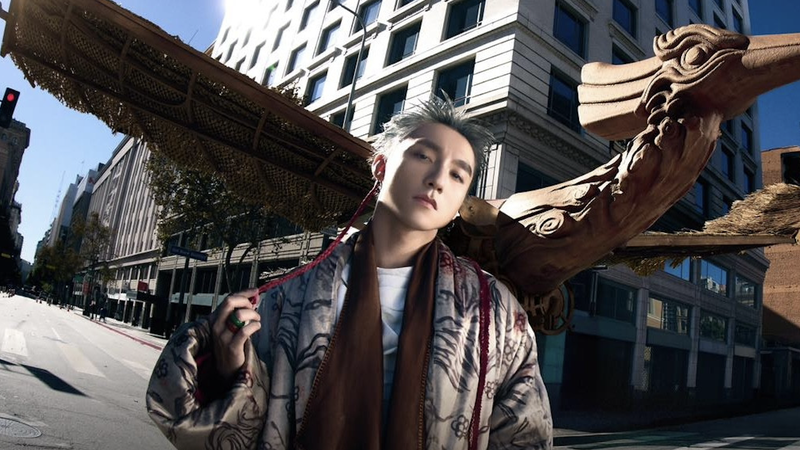
| Illustration photo: hanoimoi.vn |
With the desire to honor the creative work and persistent efforts of artists and writers in building a good revolutionary literature and art, this standardized selection process will become a basis for research, be incorporated into school curricula, and contribute to encouraging the younger generation to continue creating and shaping the aesthetic sense of the public.
That's the intention, but the concern is that in the field of literature, looking closely at the 14 selected literary works, and broadly at the literary landscape of the past half-century, it's easy to see something regrettable.
Historically, valuable literary works have been likened to an eagle soaring towards the horizon of beauty with two wings: creation and reception. An eagle cannot fly with only one wing. Art is not just about creation; it exists because of reception. However, it seems that those who evaluate and are responsible have not paid sufficient and subtle attention to the reception psychology of readers, especially those who have directly fought in battles.
The resistance war against the US, for national salvation, and those like them, the entire people, the whole nation, must be honored, praised, and affirmed. Yet, instead, a "problematic" novel, which has sparked controversy due to its somewhat insensitive view of the just resistance, failing to distinguish between friend and foe, and equating revolutionary soldiers with "puppet soldiers," is being celebrated. This has led to reactions from some veterans—readers vulnerable to the "rewriting" of history. One could argue that this is a demand for "national reconciliation" in a new context. But is it really necessary to use the "obscuring of history" as a bridge to "heal" the wounds of war?
While it's not overly narrow-minded or biased to judge and evaluate a widely acclaimed literary work, the fact that a work is honored while causing some degree of division within both the literary community and the public is something that deserves serious consideration.
A universal truth that must always be respected and affirmed is that literary and artistic creation must be for the Fatherland, for the people, for the revolution, and for the values of truth, goodness, and beauty. If any work of literature or art does not embody the viewpoint and purpose of its creation—to honor history, respect the present, and guide the future—then that work will find it difficult to fulfill its noble mission.
Source: https://www.qdnd.vn/van-hoa/doi-song/phung-su-to-quoc-phai-la-su-menh-cua-van-chuong-1015308

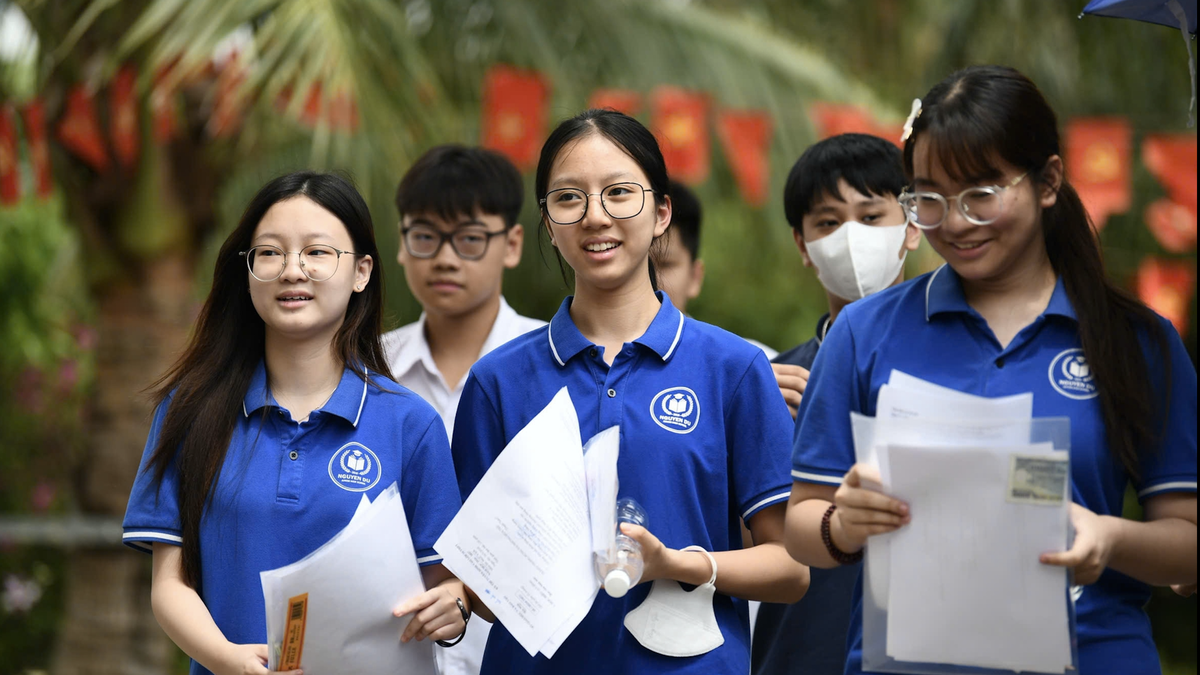
![[Image] Nearly 125,000 Hanoi students completed the Literature exam for the 10th grade entrance exam.](https://vphoto.vietnam.vn/thumb/1200x675/vietnam/resource/IMAGE/2026/05/30/1780117233041_ndo_br_thiet-ke-chua-co-ten-2-png.webp)





































































Comment (0)