


Pressure to escape the bottom of the value chain
In the context of impressive growth in agricultural exports in 2025, Vietnam is also facing warnings from economic experts and businesses about the risk of being "stuck" in a low-value trap if it maintains the raw or simply processed export model. A strategic shift to deep processing is considered a mandatory requirement to improve competitiveness and profits.
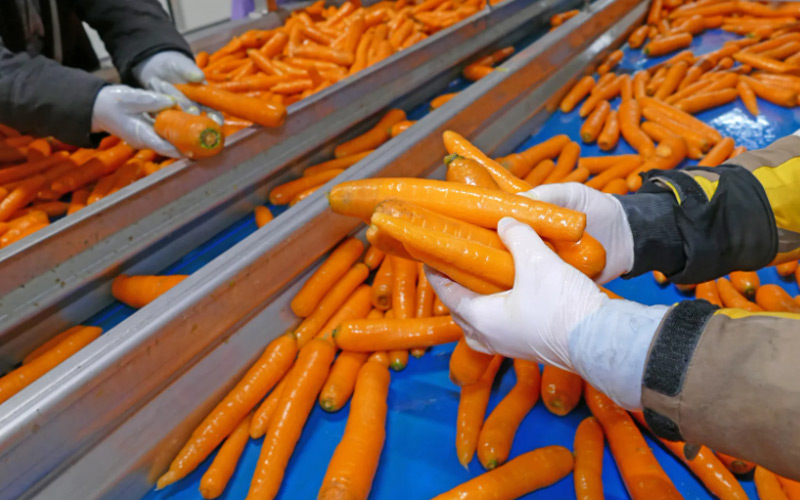
Although Vietnam’s agricultural exports have increased sharply, many experts still believe that the rate of products meeting international standards is still low. The preservation, processing and packaging systems are not synchronized, leading to large post-harvest losses. Many processing enterprises are small-scale and have limited capital, while the supply chain between farmers and enterprises is not tight, making it difficult to trace the origin. The lack of technical human resources and quality management according to international standards also limits the ability to upgrade the value chain.
According to the assessment of the Vietnam Pepper Association (VPA) and the Vietnam Federation of Commerce and Industry (VCCI), although Vietnam is the world leader in exporting many agricultural products, the rate of deeply processed products is still very low. The pepper industry is a typical example where branded crushed and packaged products only account for about 30% of export value in 2023. This results in low added value, limited profits and is easily affected by fluctuations in world prices.
Economists analyze that in the global agricultural value chain, production accounts for only 12-13% of value, while more than 80% lies in processing, branding and distribution. If Vietnam continues to export raw materials, it will lose its advantage in upgrading its position in the value chain.
Businesses strive to maintain orders and increase value
In that context, encouraging signs have appeared when many agricultural enterprises have begun to invest heavily in deep processing, applying standards such as HACCP, GlobalGAP, and FDA to access demanding markets such as the EU, US, and Japan.
Speaking to the press, Mr. To Thai Thanh, leader of Tien Thinh Group, said that product lines such as juices, dried fruits, and canned foods are increasingly being welcomed by consumers in many European and American countries. The company is constantly improving its production lines, upgrading packaging, and standardizing according to international standards to increase the recognition of Vietnamese brands.
In another case, Ms. Phan Thanh Thao, owner of an agricultural processing and export enterprise in Thai Binh, shared that since 2018, the company has invested in cold storage, packaging lines and product diversification, helping to maintain year-round orders to Asia and Europe. Converting the production model helps the enterprise stabilize production, reducing dependence on seasonal raw exports.
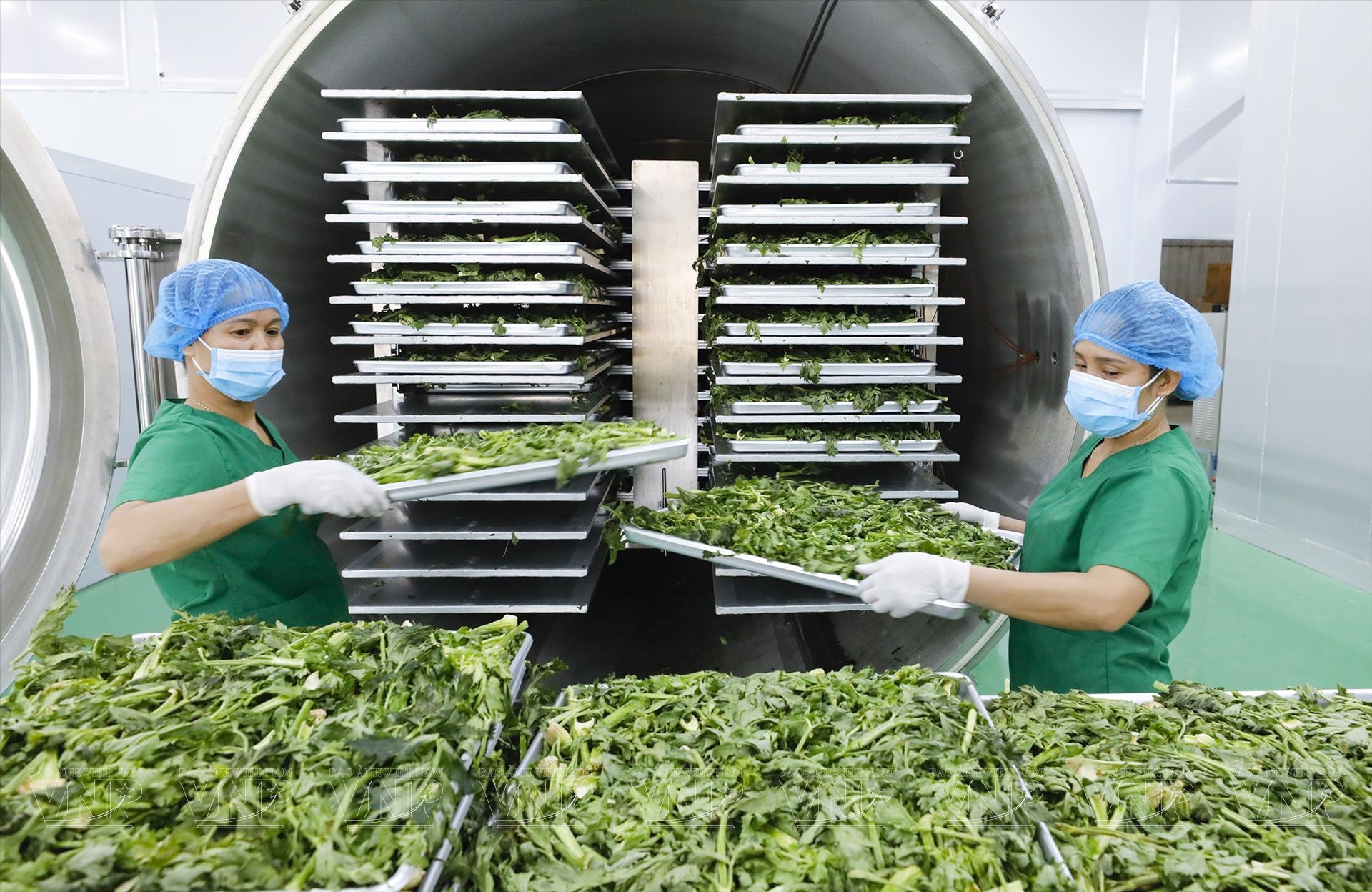
Vietnam continues to develop deep processing and effectively utilize free trade agreements.
In fact, many processing enterprises have maintained good profits and stable orders even when the international market is under pressure on logistics and import standards. Experts say the industry's export growth target is completely feasible if Vietnam continues to develop deep processing and effectively utilizes free trade agreements.
Deep processing will determine the speed of breakthrough.
Many experts believe that the period 2025 - 2030 will be an important "window of opportunity" for Vietnamese agricultural products to break through and become the leading group of countries in high-value exports. The advantages of free trade agreements and the strong consumption trend for convenient processed products are opening up great room for businesses to accelerate.
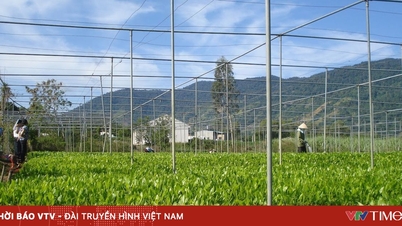
If Vietnam can remove the bottlenecks in technology, quality standards and supply chain connectivity, the agricultural sector will no longer be limited to the role of supplying raw materials but can completely switch to supplying finished products with high added value. However, economic and market expert Tran Manh Hung added that technology is important, but more important is the capacity to operate the entire value chain. If the raw material area is not standardized, if there is a lack of sustainable links between farmers - cooperatives - enterprises, then no matter how modern the factory is, the quality will hardly meet international standards in a stable manner. According to him, the requirements for growing area codes, packaging facility codes and full traceability records from cultivation to transportation have become mandatory in many import markets. This is a major bottleneck that the Vietnamese agricultural sector needs to overcome soon if it wants to increase the proportion of deeply processed products.
From a business perspective, Ms. Thao also believes that technological innovation is the key: "Many businesses are still hesitant about the cost of investing in post-harvest production lines, but in fact, this is the investment that brings the most long-term value. A fast freezing system or qualified automatic drying technology can extend the shelf life of products many times, opening up markets that Vietnam could not reach before," Ms. Thao affirmed.
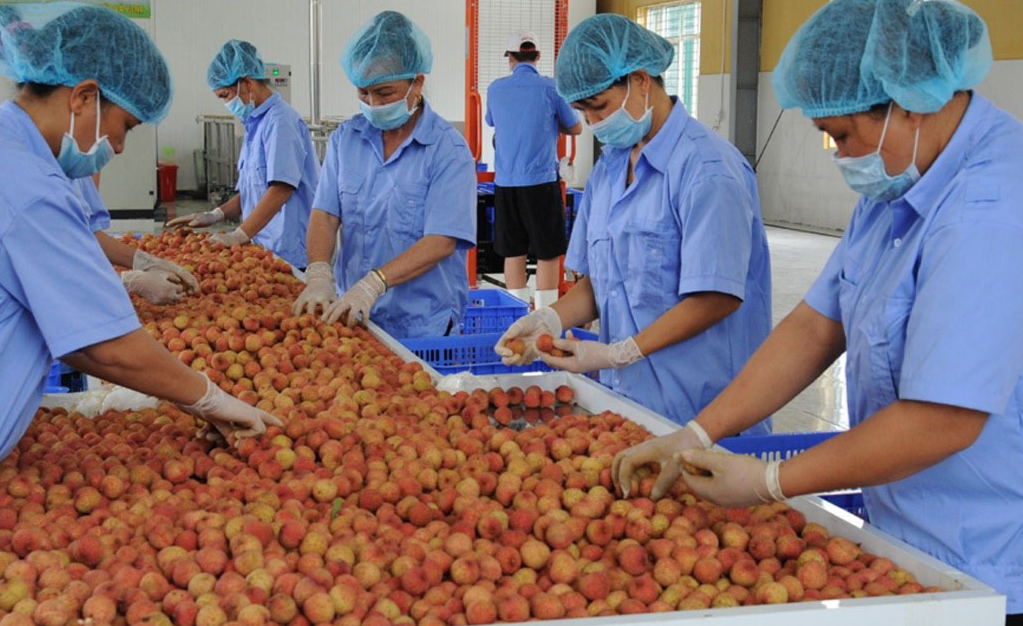
Businesses invest heavily in post-harvest technology.
For deep processing to truly become a driving force for sustainable growth, experts say Vietnam needs to synchronously deploy three key pillars, the most important of which is to invest heavily in post-harvest technology. Access to preferential capital to upgrade freezing, freeze-drying or sterilization lines, along with technology transfer from developed markets such as Japan, Korea or the EU, will help businesses reduce losses and improve product stability. In addition, internationally standardized testing rooms in raw material areas are also considered a solution to help shorten testing time and reduce costs for businesses.
Along with technology, linking raw material areas and organizing a closed supply chain are required. Long-term links between cooperatives, businesses and localities will help ensure input quality, while digital traceability helps control crops and quality in real time. Logistics centers attached to processing plants are also expected to contribute to reducing transportation costs and improving distribution efficiency.
The final group of solutions is to develop high-quality human resources. Expanding training on equipment operation, HACCP, ISO or GlobalGAP standards, along with the model of cooperation between universities and businesses, will help form a team of quality control experts with enough capacity to meet the strict requirements of large markets.../.
Source: https://vtv.vn/che-bien-sau-chia-khoa-vang-mo-loi-tang-truong-ti-do-cho-nong-san-viet-10025120410490249.htm

















































































Comment (0)