(Dan Tri Newspaper) - Binh Dinh province is preserving 13 national treasures of Champa culture, dating back nearly 1,000 years. All of these treasures are original, rare, and unique artifacts.
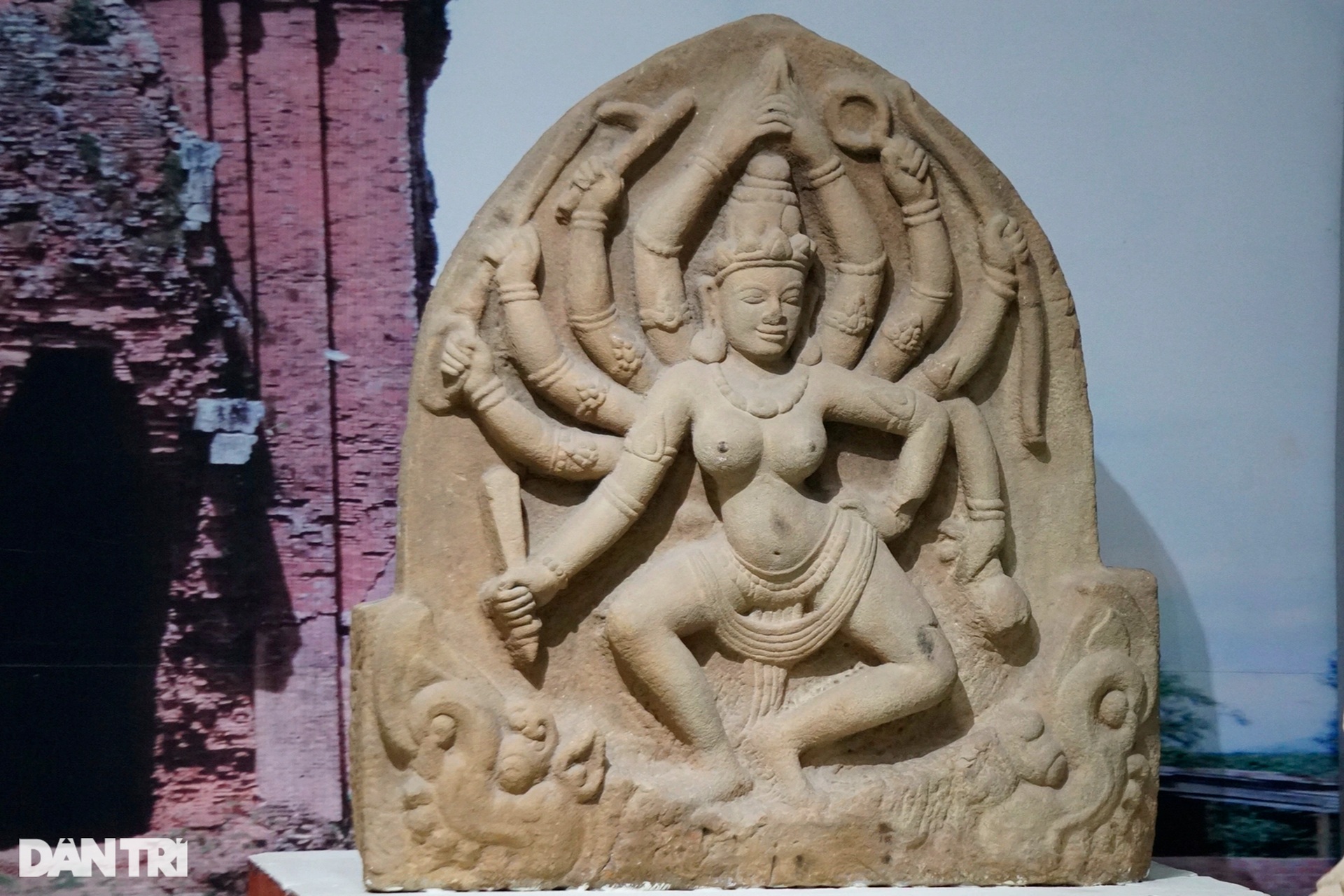
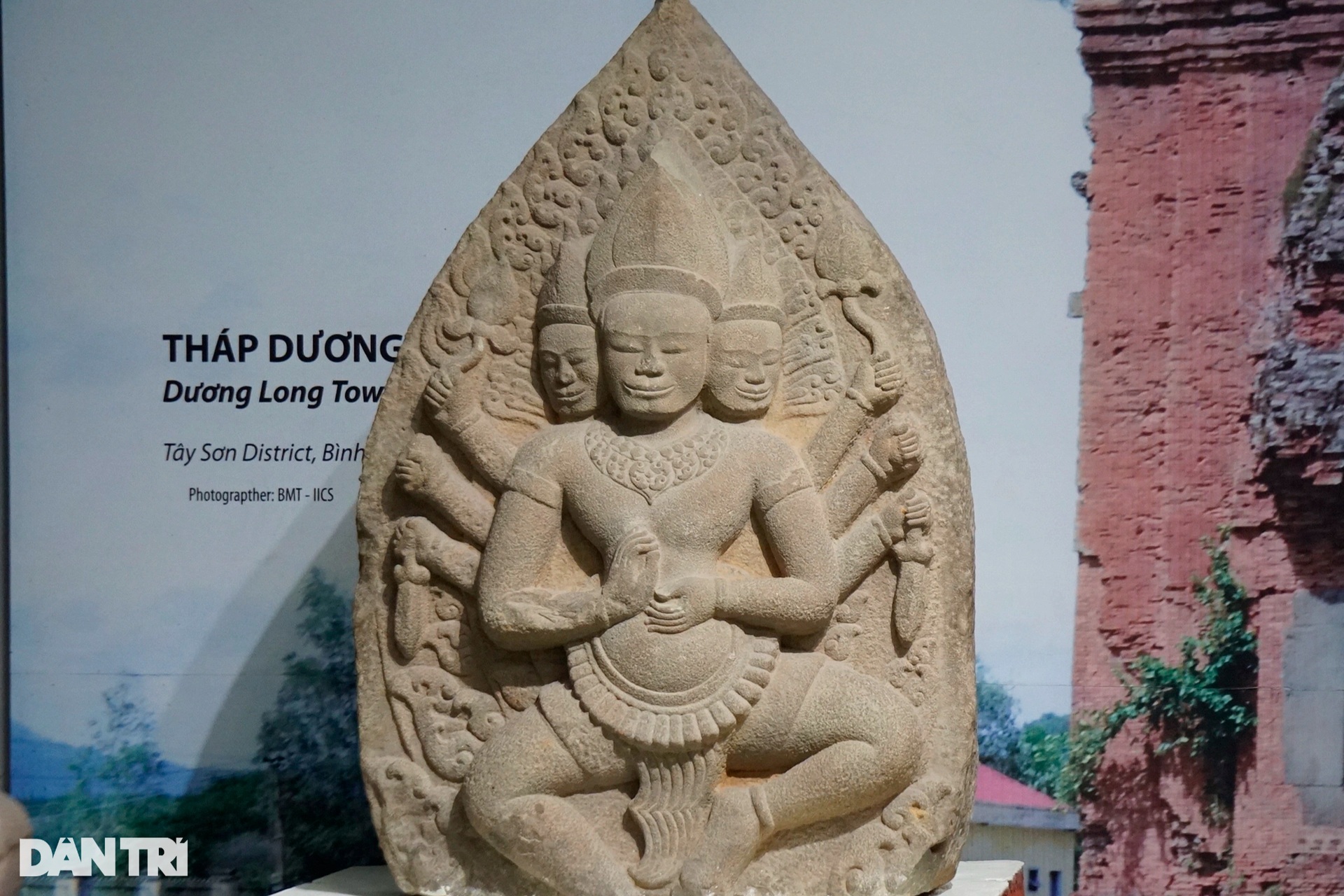
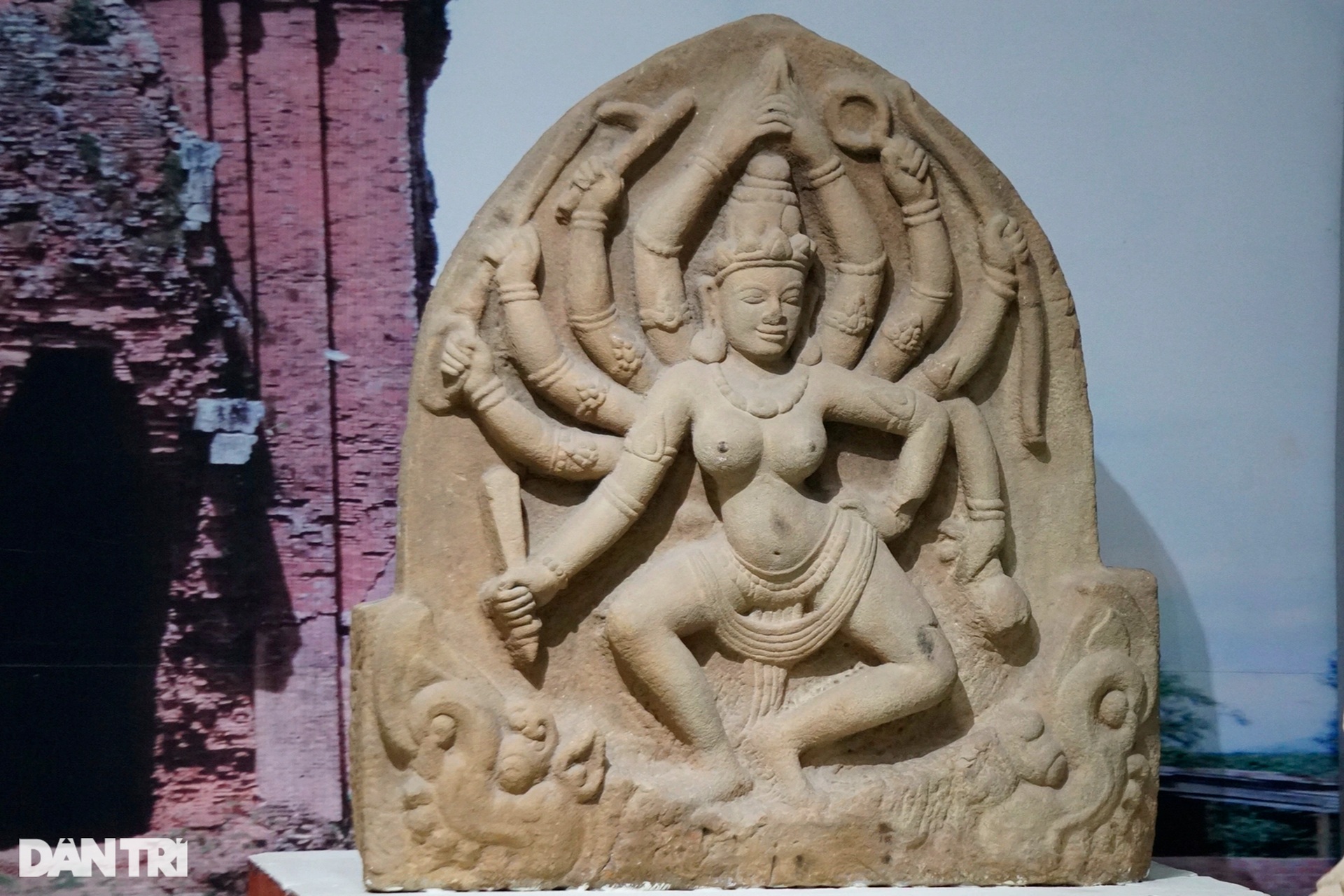
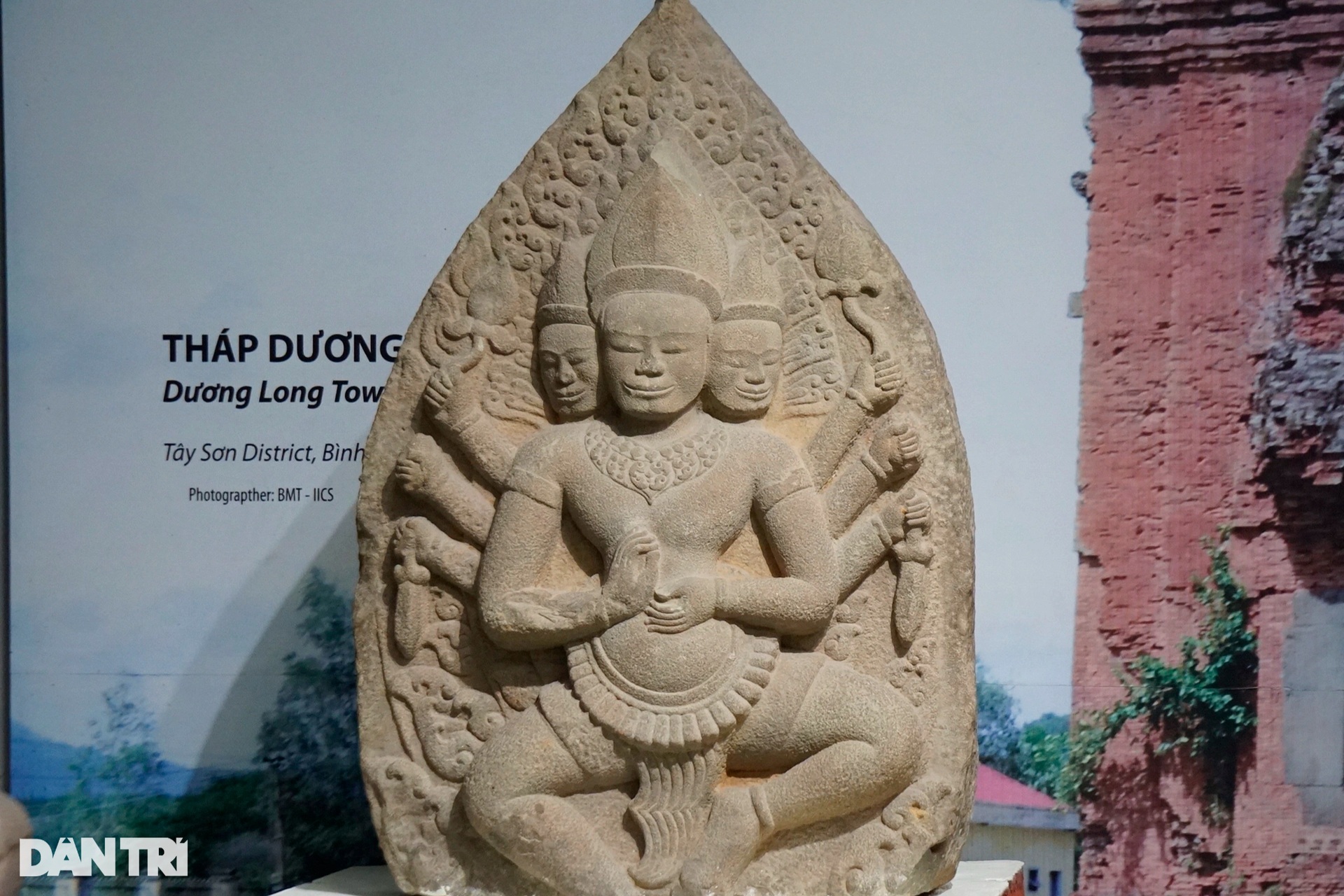
Between 2015 and 2024, through the recognition of national treasures by decisions of the Prime Minister, Binh Dinh province was honored to have 13 national treasures, all of which are Champa stone sculptures. Of these, 8 are currently on display at the Binh Dinh Provincial Museum, while the remaining 5 are preserved in various localities within the province. All 13 national treasures are original, rare, and valuable artifacts with unique forms. These treasures are of great value to research and understanding of cultural and historical issues related to Champa culture in Binh Dinh province. They are not only important scientific documents for archaeology, but also have significant value for research into the history, culture, art, and religion of the nation. In the Champa culture exhibition space at the Binh Dinh Provincial Museum, the Mahishasuramardini goddess relief is the first national treasure recognized by the Prime Minister in 2015. Made of fine-grained silica stone, light yellowish-gray in color, the relief dates back to the early 12th century. It was discovered in 1989 at the ruins of the Rung Cam tower, in Binh Nghi commune, Tay Son district, Binh Dinh province. This is a beautiful relief, perfectly rendered in terms of composition, the most unique and largest ever discovered in Champa stone sculpture. Due to its unique content and immense artistic value, in 2003, the relief was selected by the Vienna Museum of Art History (Austria) and the Royal Museum of Art and History Brussels (Belgium) for exhibition under the theme "Vietnam - Past and Present" for international appreciation. The Brahma relief, made of fine-grained silica stone, light black in color, dating from the 12th-13th centuries, was recognized as a national treasure in 2016. The Brahma relief was discovered by experts in 1985 at the Duong Long Tower relic site, located in Binh Hoa and Tay Binh communes, Tay Son district, Binh Dinh province. In Champa sculpture, Brahma is usually depicted with three heads, four arms holding sacred objects, and seated on a lotus throne or Hamsa (goose). However, the Brahma relief at Duong Long Tower has eight arms, with two main arms in a mudra (hand gesture) in front of the chest, and a necklace adorned with stylized lotus petal motifs. This is a distinguishing feature of the Brahma relief at Duong Long Tower compared to other Brahma reliefs in Champa sculpture and is considered unique to it.
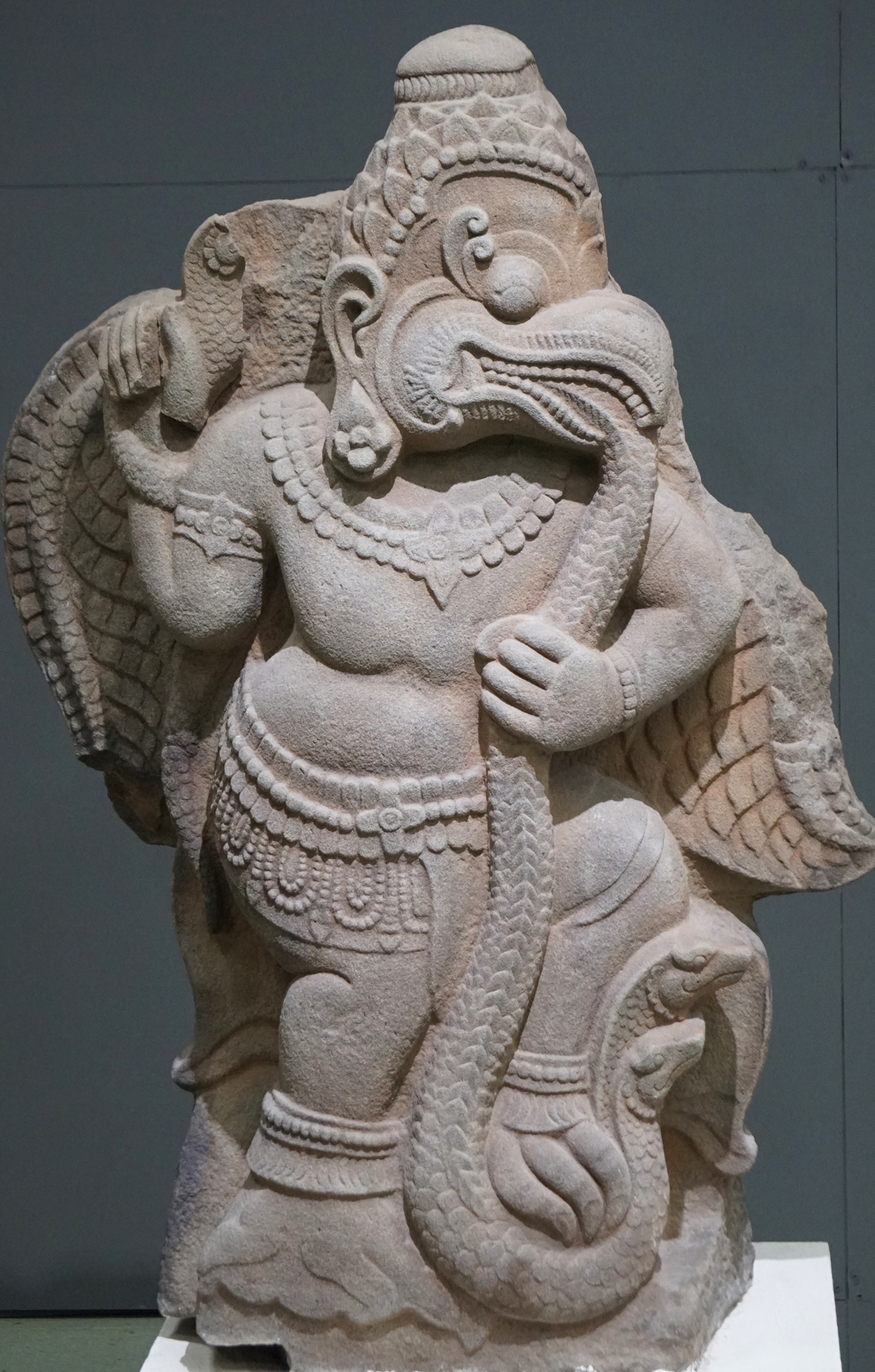
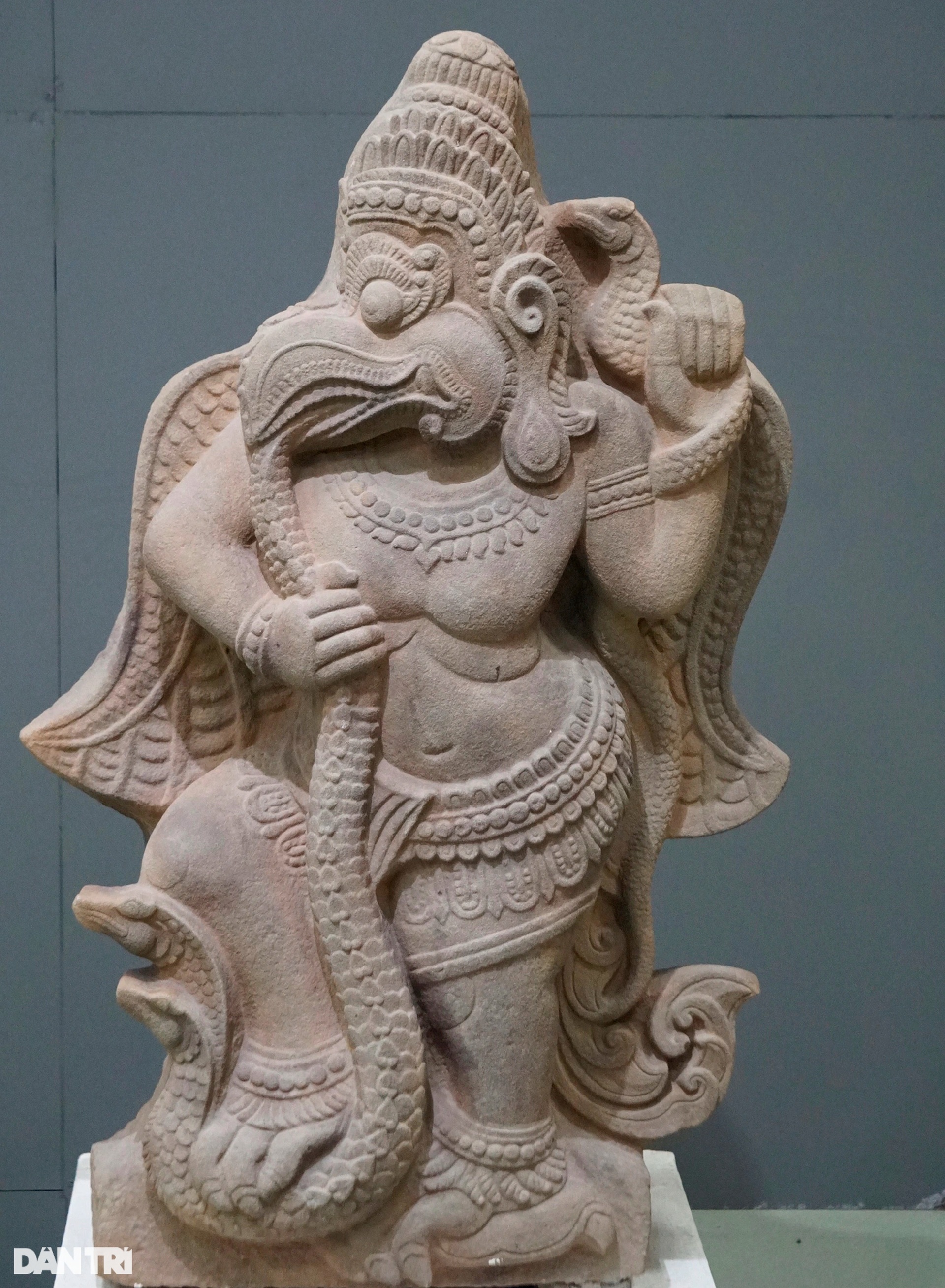
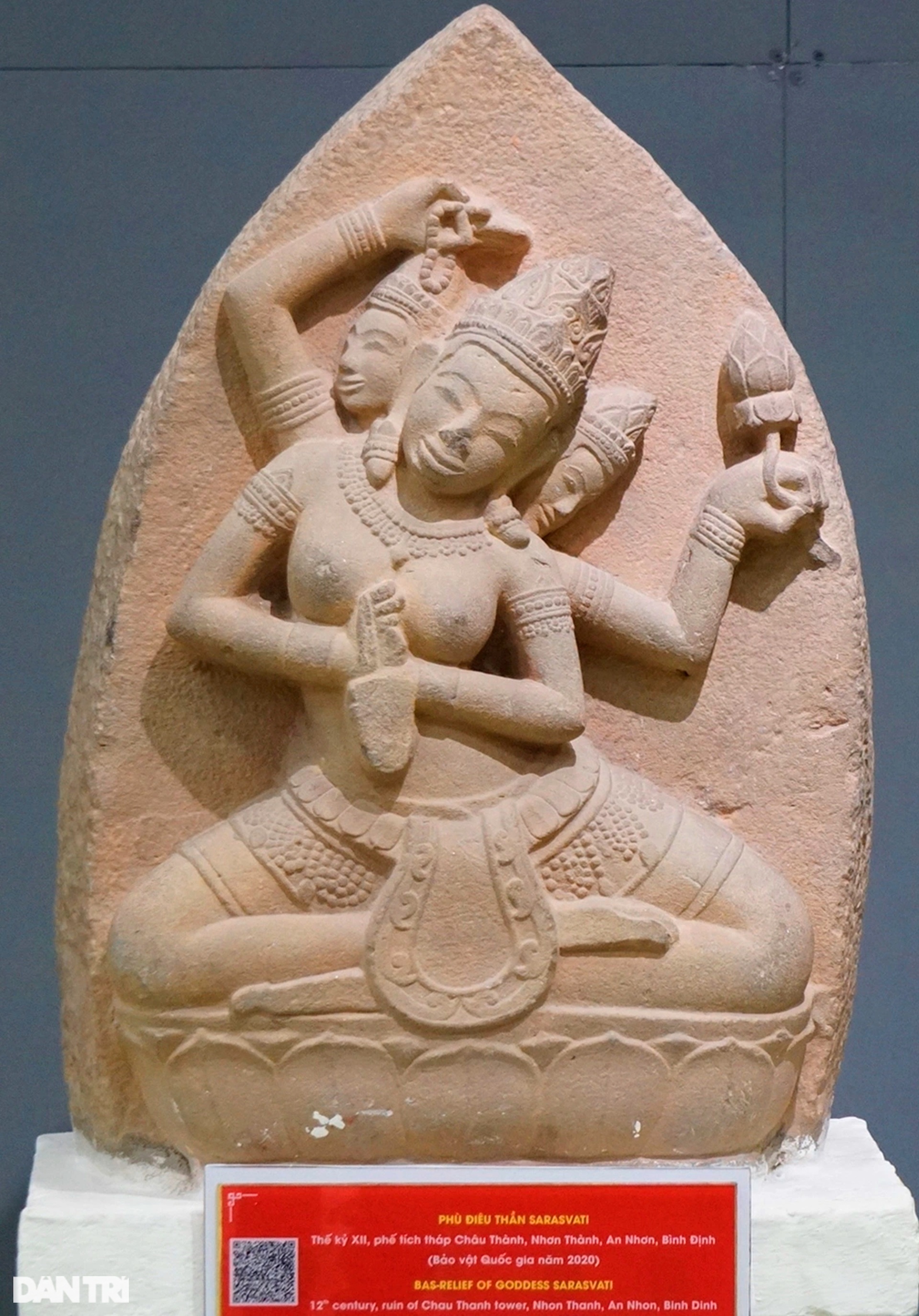
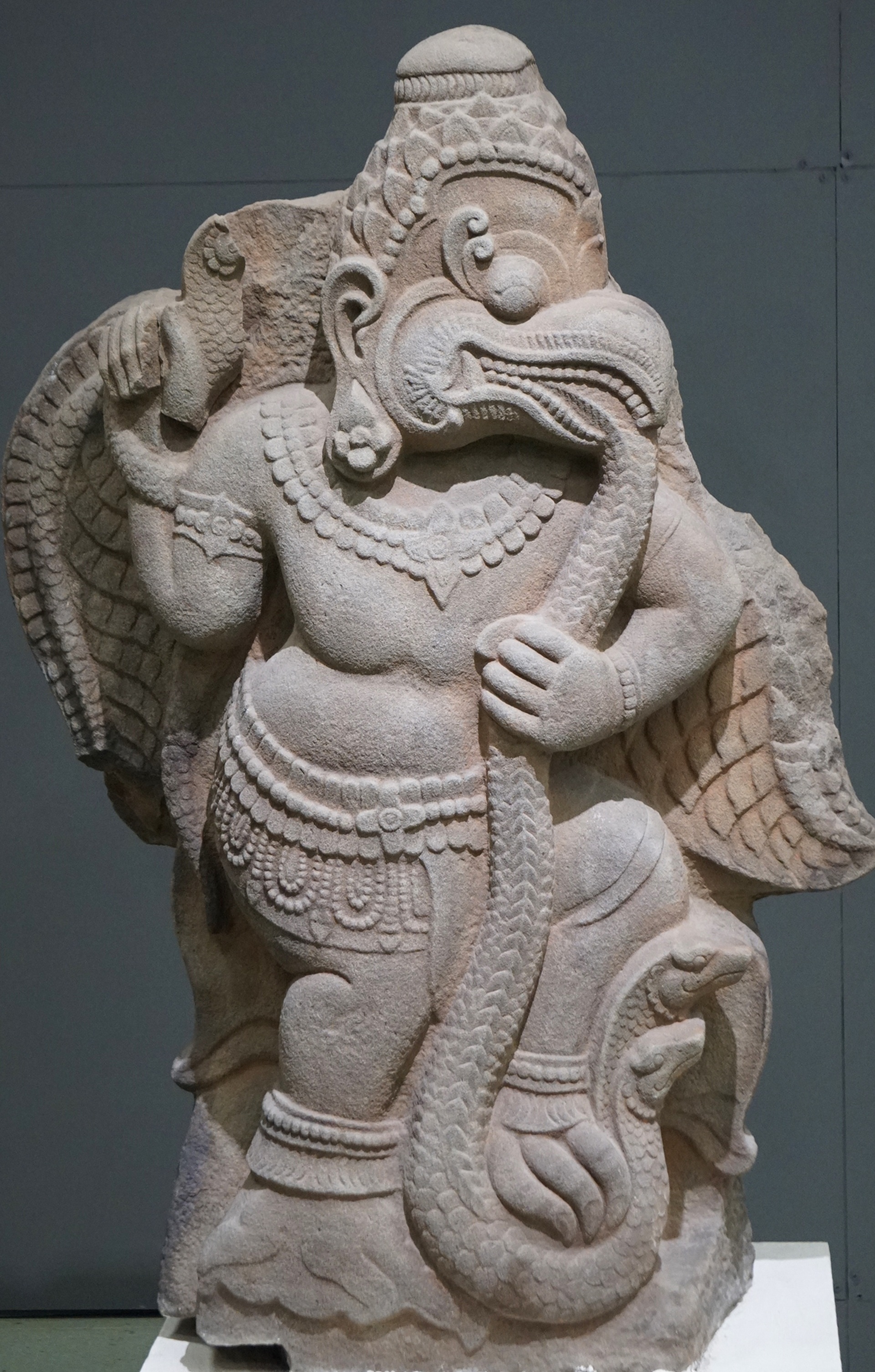
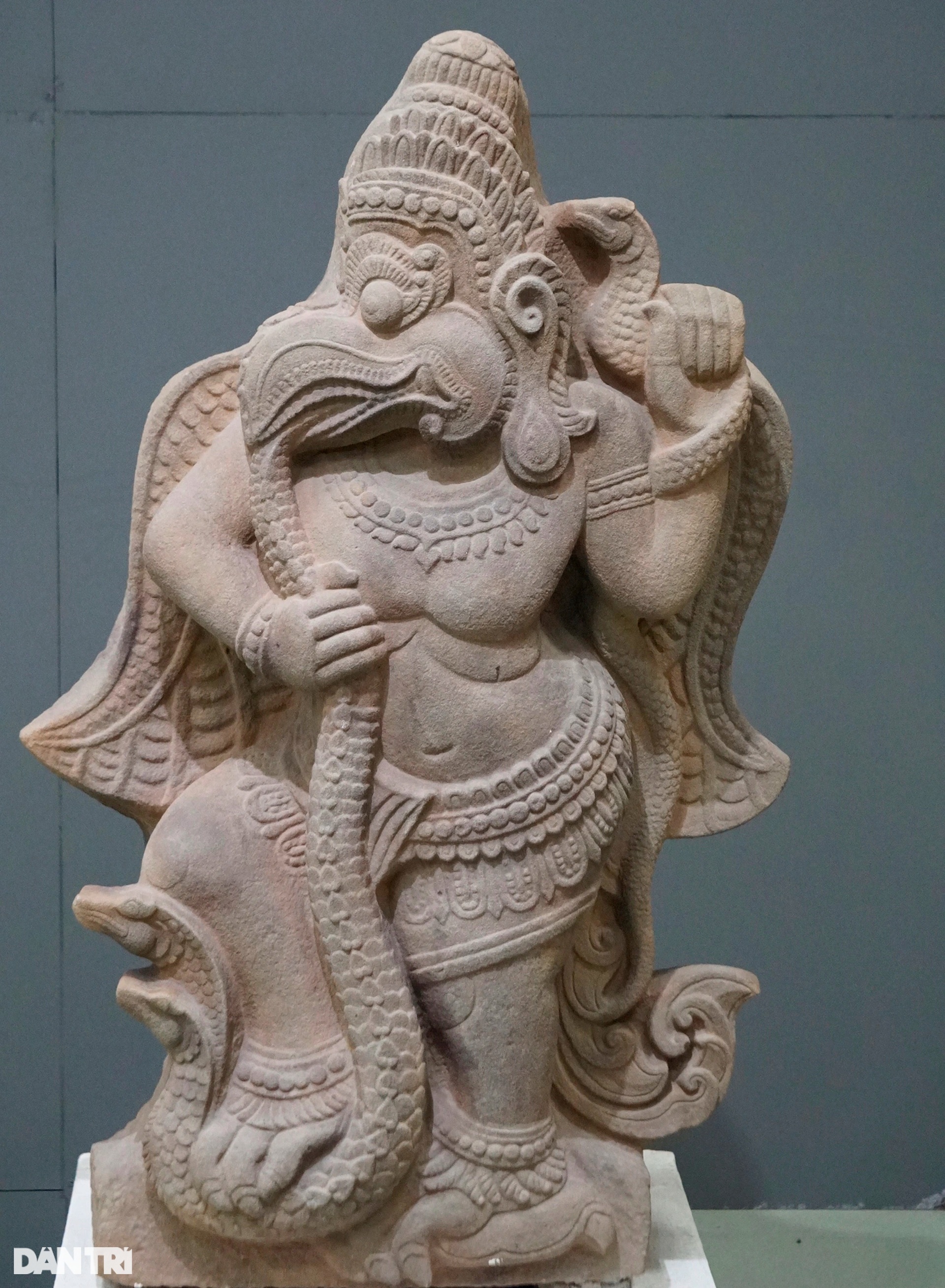
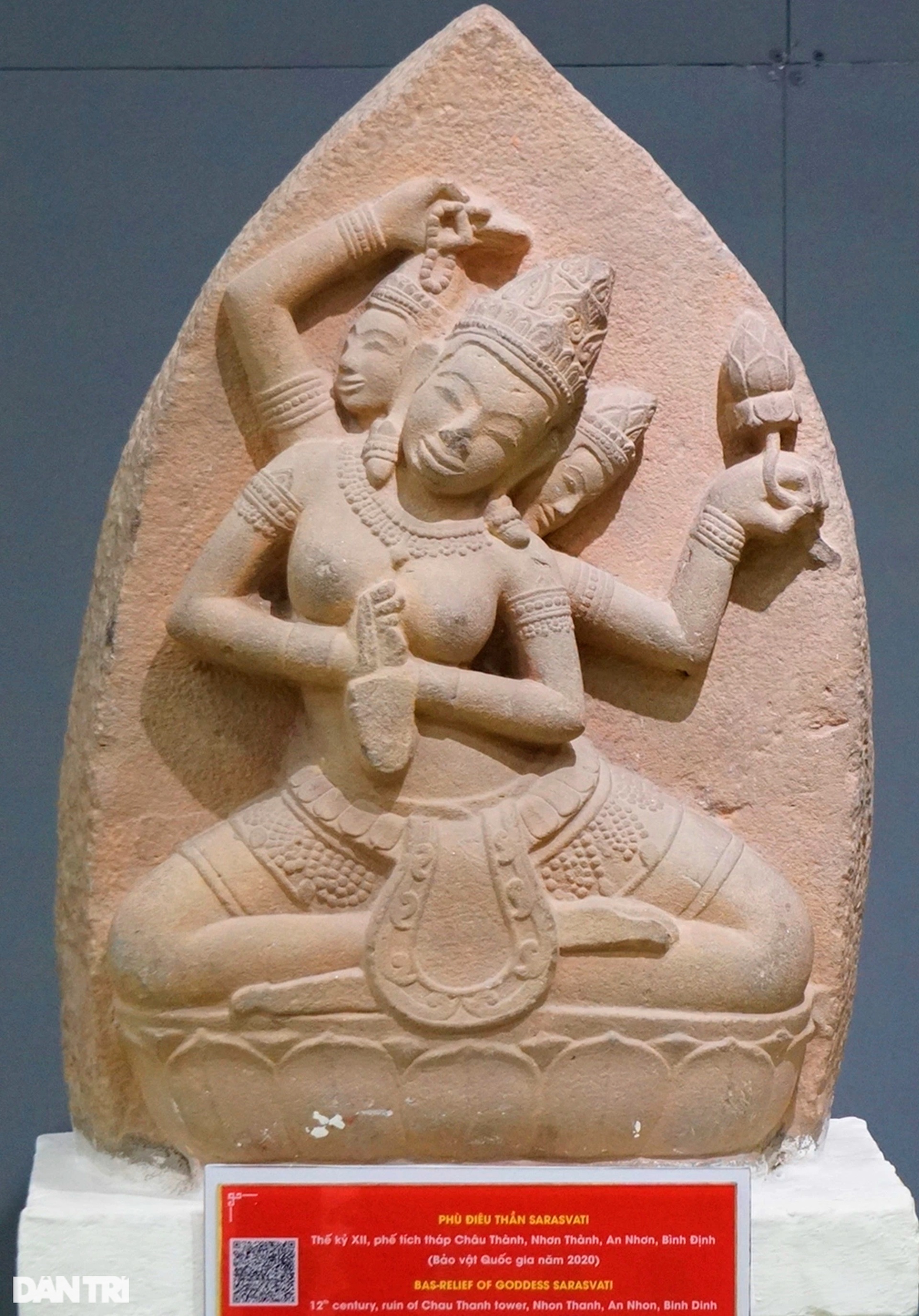
The pair of Garuda statues, depicting the mythical serpent-slaying bird, were discovered in 2011 at the ruins of Thap Mam Tower, in the Van Thuan area, Nhon Thanh ward, An Nhon town, Binh Dinh province. Made of fine-grained silica stone, light gray in color, the Garuda statues date back to the mid-13th century and were recognized as national treasures in 2017. In Brahmanical mythology, Garuda is considered the king of all birds. Garuda's sworn enemy is the Naga serpent, because Garuda's mother was killed by Naga's mother. Therefore, whenever Garuda encounters a Naga, it will tear it apart in revenge. Later, Garuda was subdued by the god Vishnu and became his mount. The national treasure, the Sarasvati goddess relief sculpture, is made of fine-grained silica stone, light black in color, dating back to the 12th century. It was discovered by locals on the hillside near Phu Loc Tower in Nhon Thanh ward, An Nhon town in 1988. Currently, this relief sculpture is displayed and introduced in the Champa cultural space at the Binh Dinh Museum. The sculpture is a decorative element of the architectural arch (tym-pan), carved as a single piece in a raised arch space. It depicts the goddess Sarasvati – the patron goddess of art and literature, wife of Brahma (the Creator) – one of the three supreme gods of Brahmanism.
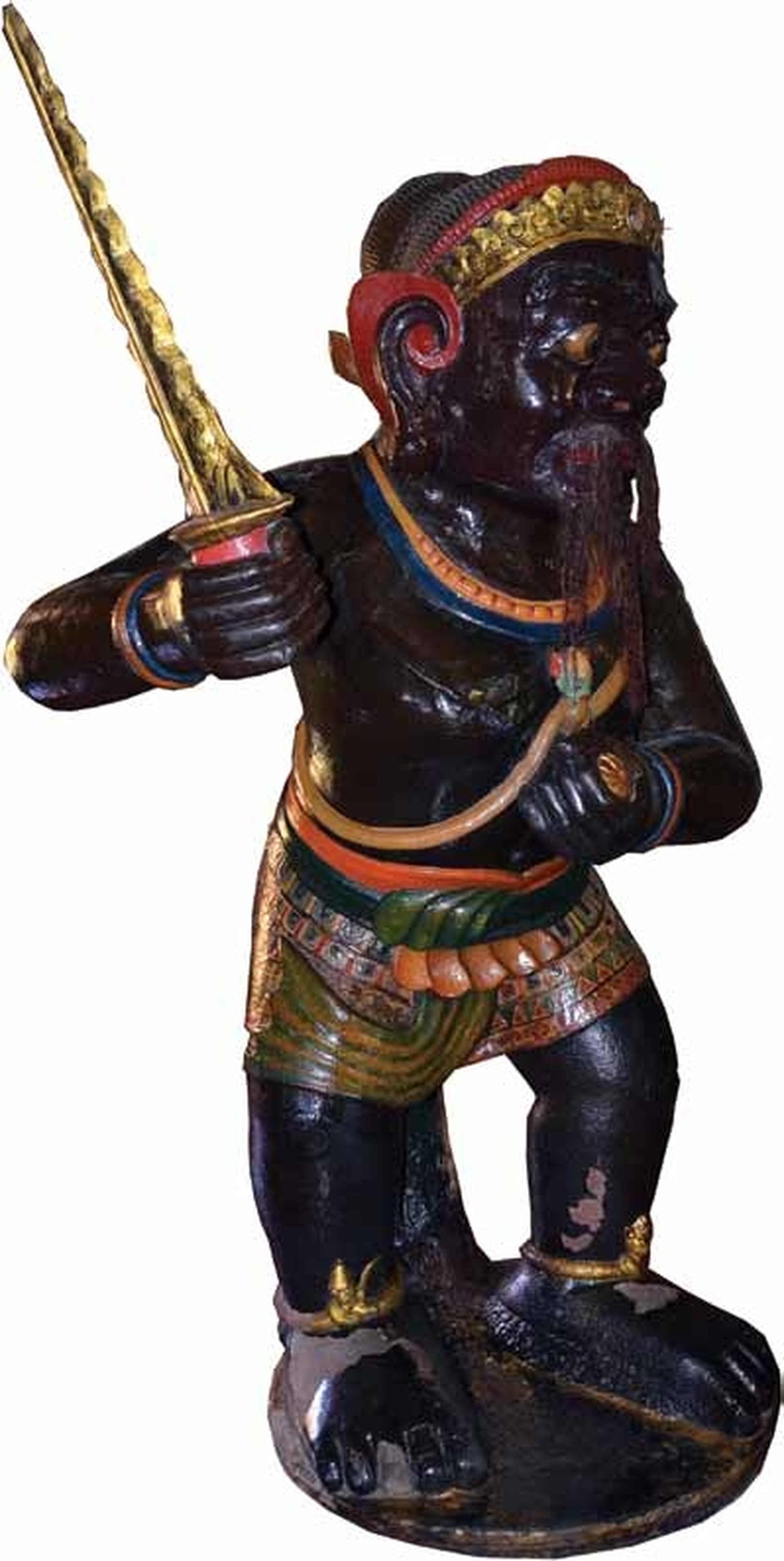
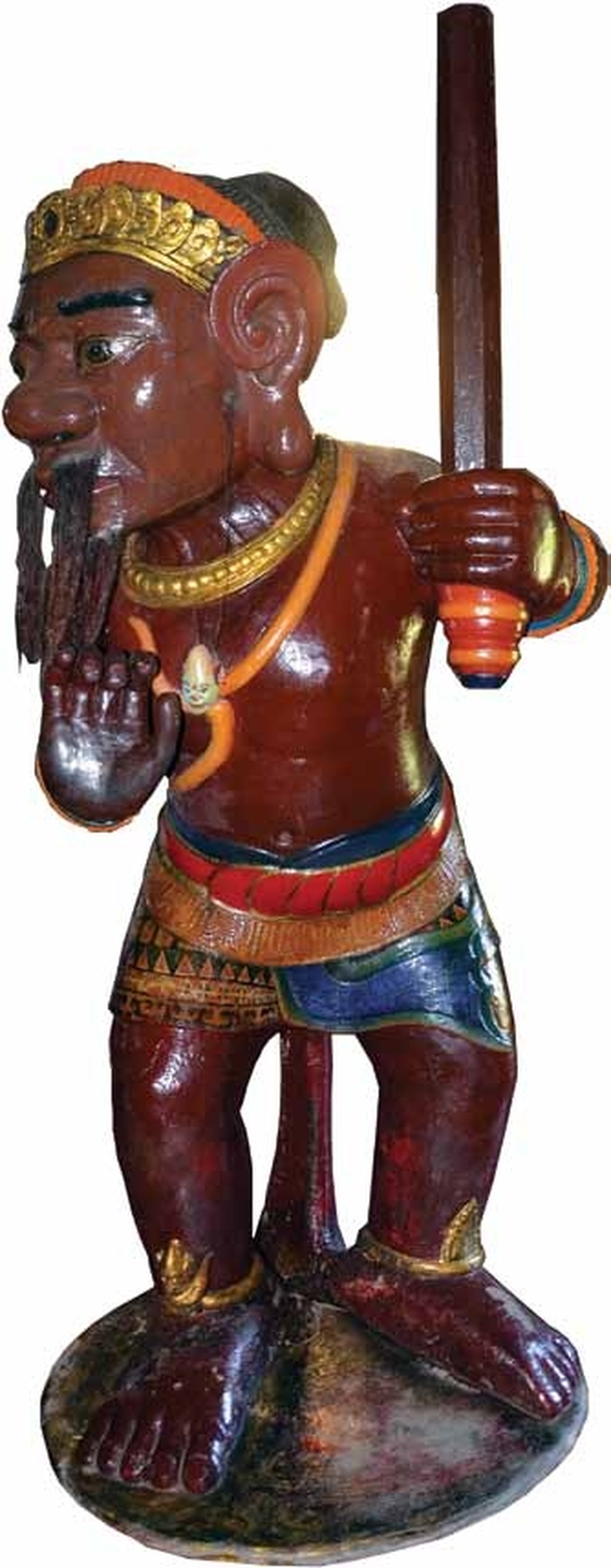
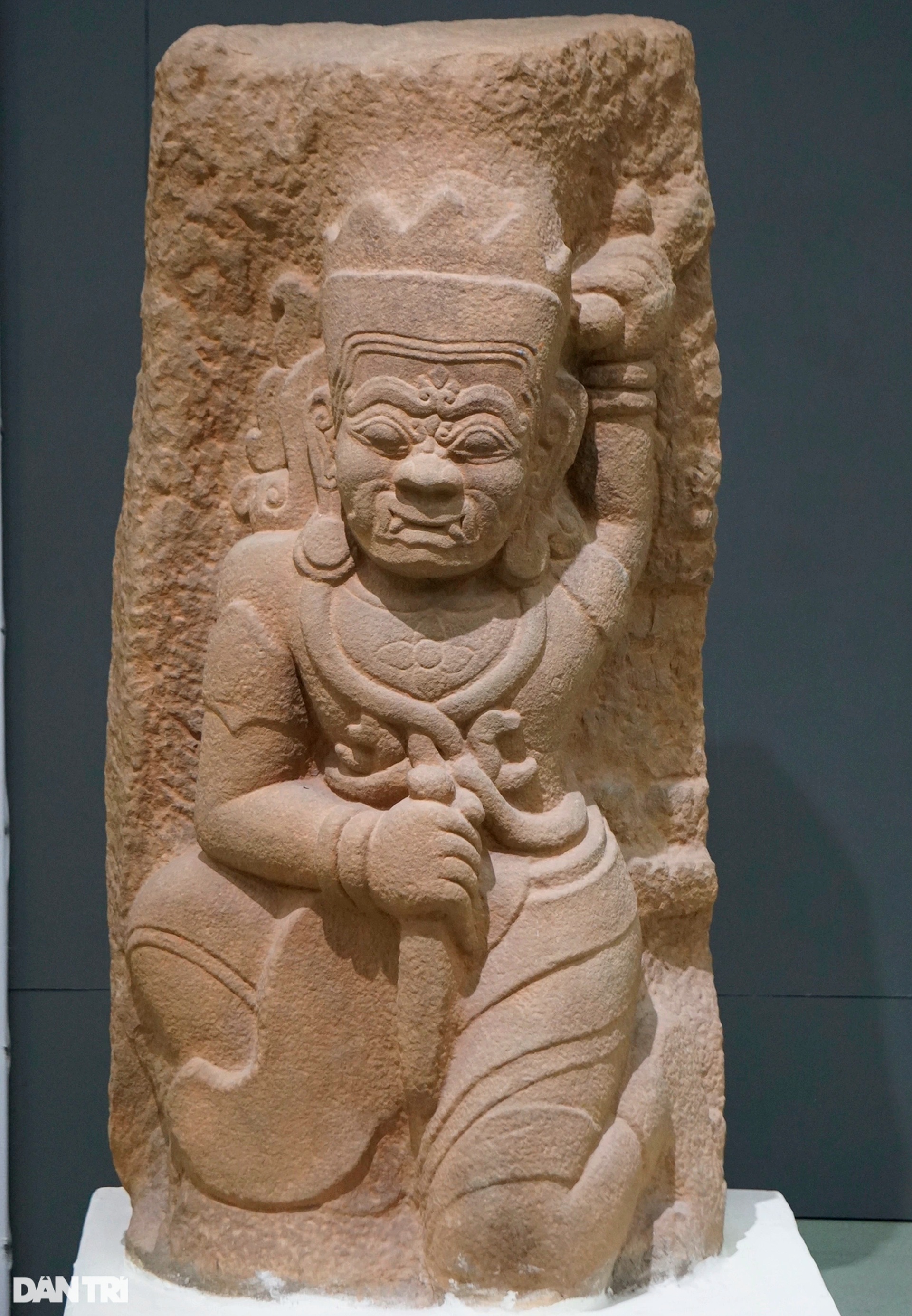
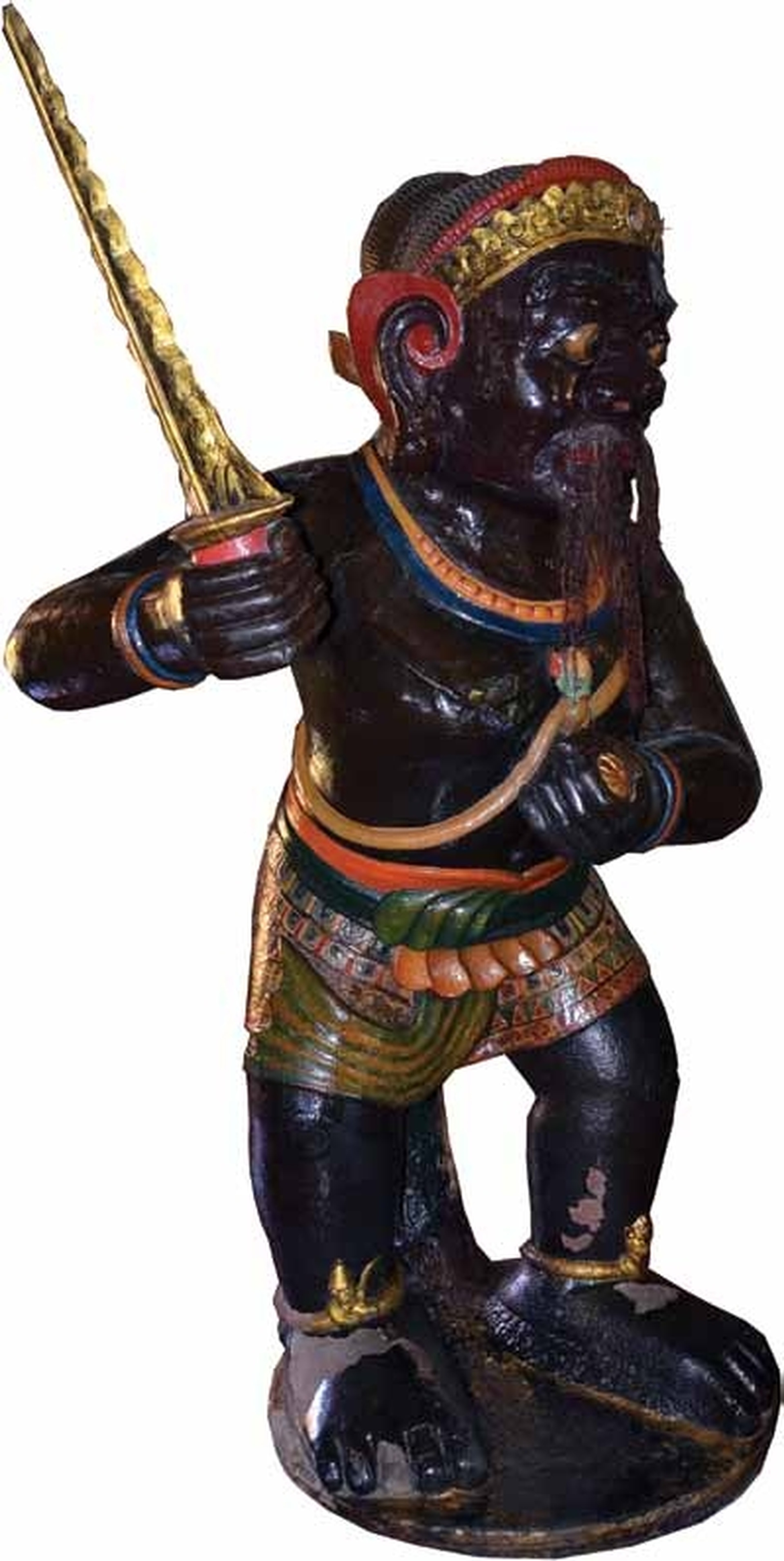
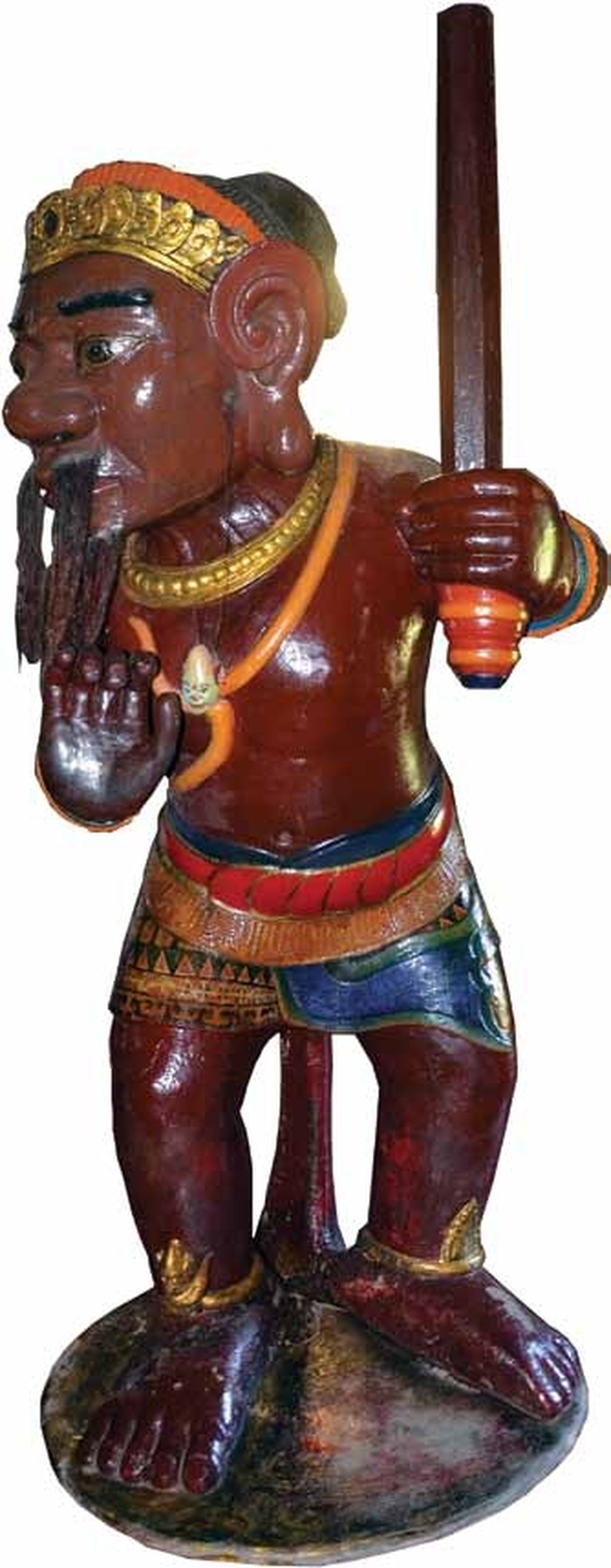
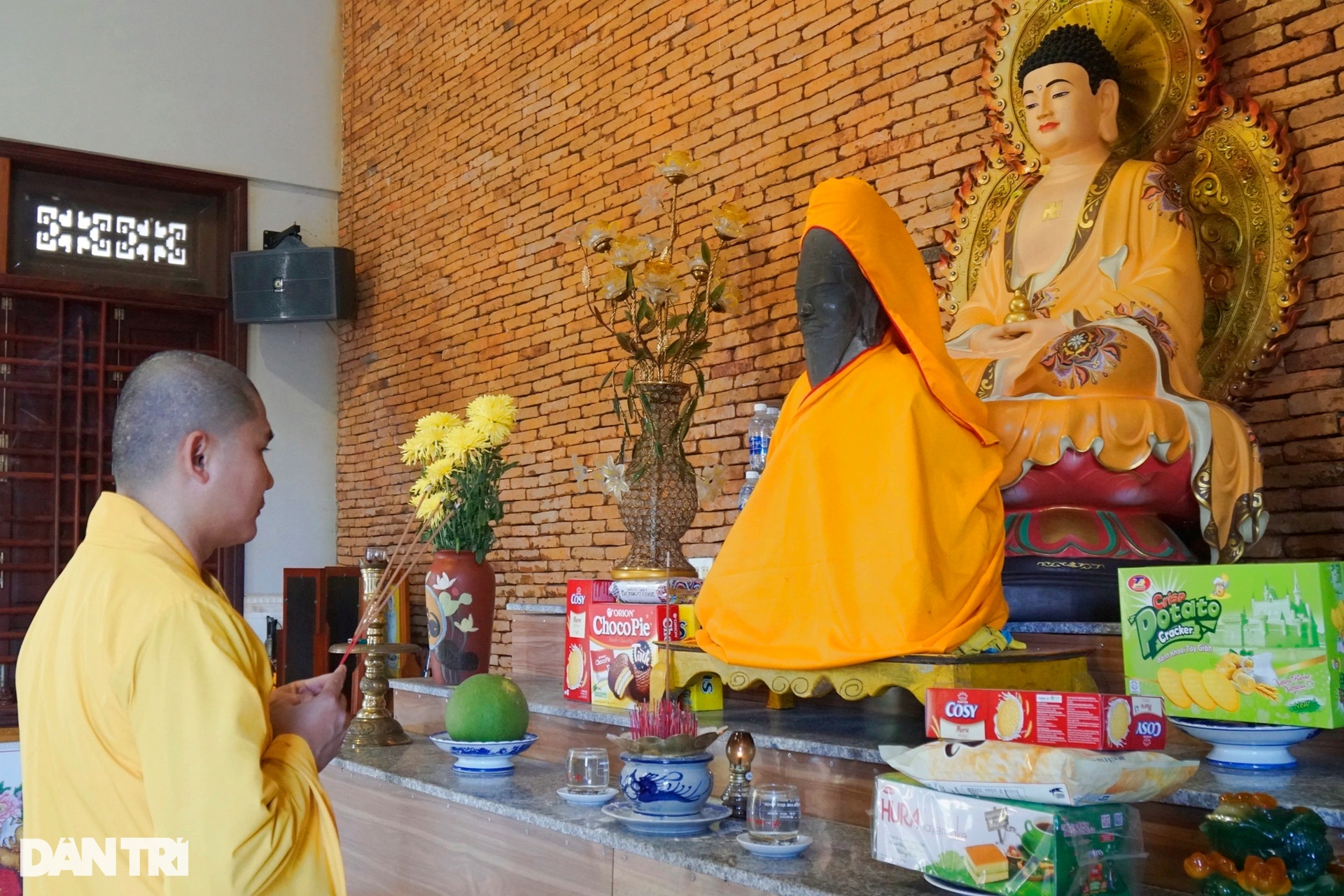
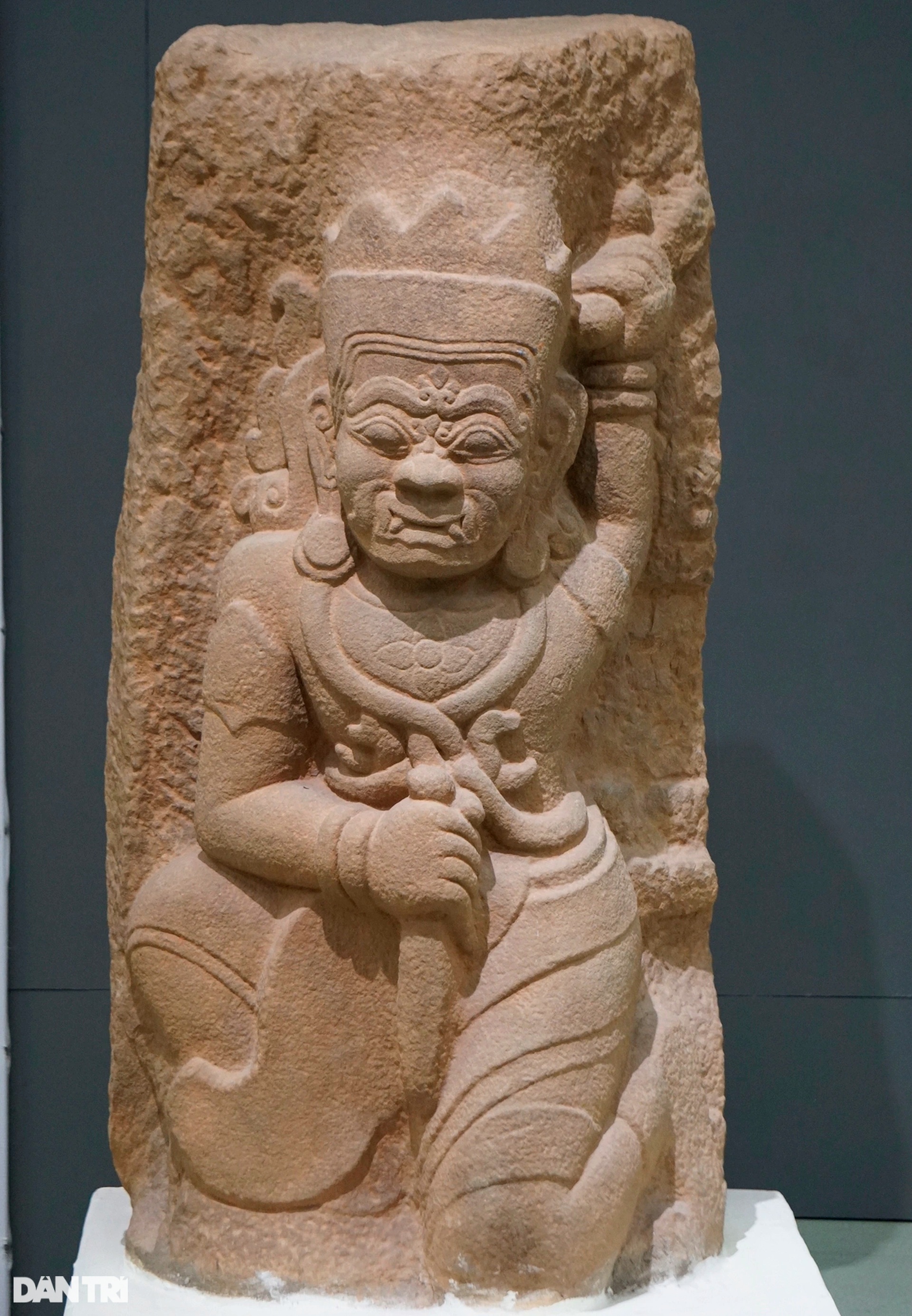
Two Dvarapala guardian statues (also known as the Black and Red statues), made of fine-grained silica stone, dating from the 12th-13th centuries, were recognized as national treasures in 2020. These two statues are preserved at Nhan Son Pagoda in Nhon Hau commune, An Nhon town. The two guardian statues are closely associated with the ruined Tam Thap mound architecture. In the system of statues according to Hindu mythology, guardian deities are gatekeepers whose function is to protect the gates or entrances of religious architecture. Guardian statues are usually depicted in pairs, placed symmetrically on either side of the entrance to Champa temples and towers (Photo: Binh Dinh Museum). The statue of Shiva at Linh Son Pagoda, made of fine-grained silica stone and dating back to the 15th century, was recognized as a national treasure in 2018. The statue was discovered underground in Hai Giang village, Nhon Hai commune, Quy Nhon city. The local people then built a temple to worship the god, named Phat Loi Pagoda (also known as Linh Son Pagoda). In 2011, Linh Son Pagoda was moved to Hoi Thanh village, Nhon Hoi commune, Quy Nhon city. The Shiva statue at Linh Son Pagoda is one of the most distinctive portrait statues in Hindu art in Southeast Asia, and also the first in a series of statues depicting the symbolic image of a god and king in Champa sculpture. The relief sculpture of the guardian deity of Ma Chua, discovered in 1992 at the ruins of the Ma Chua Hill architectural site in Dai Hoa village, Nhon Hau commune, An Nhon town, Binh Dinh province, is made of fine-grained silica stone, light gray in color, dating back to the 12th century. It was recognized as a national treasure in 2021. While guardian deity statues are usually depicted as round, standing figures, the guardian deity at Ma Chua Hill is a semi-circular relief sculpture with only three sides carved, the back remaining attached to the architectural structure and depicted in a kneeling position.
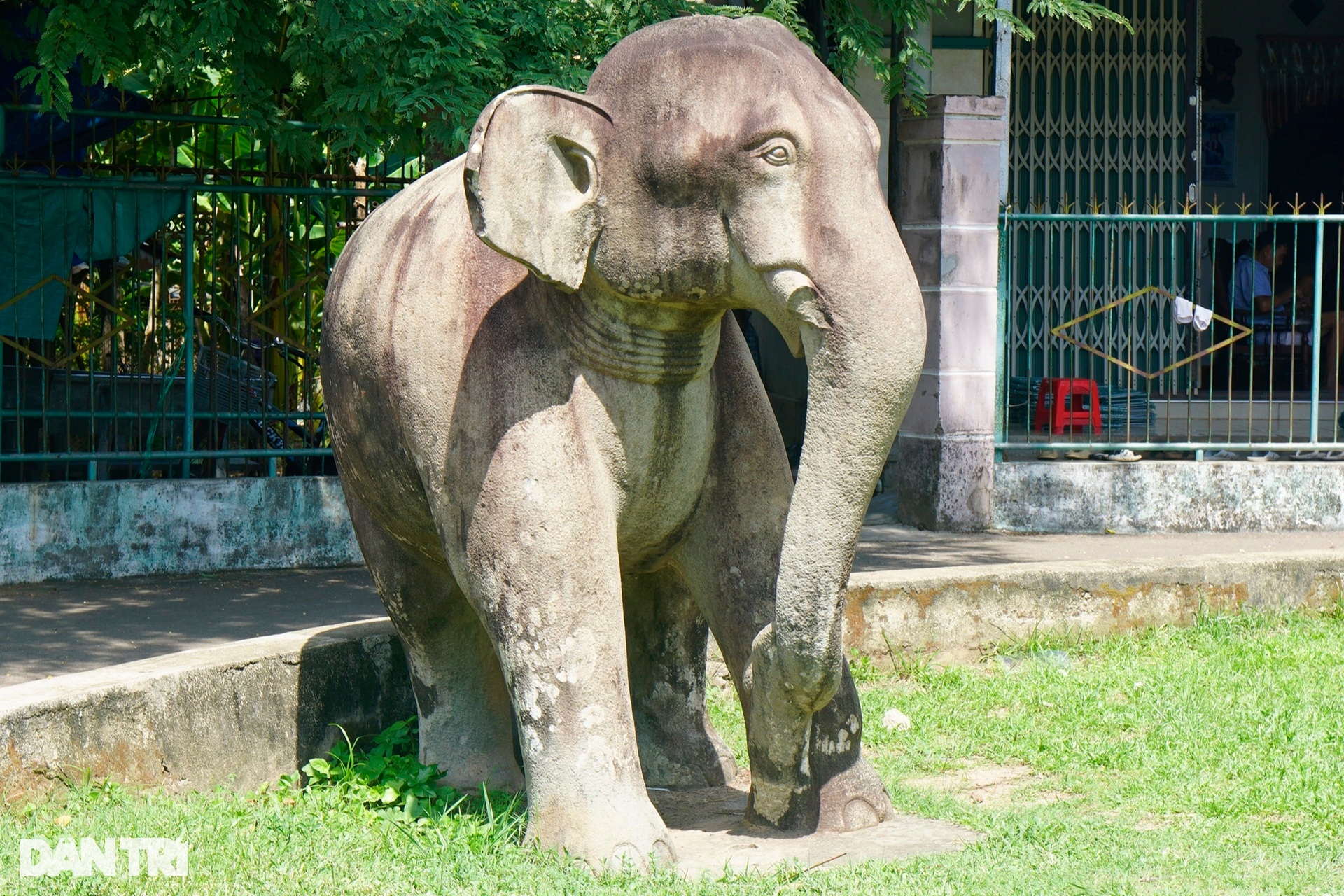
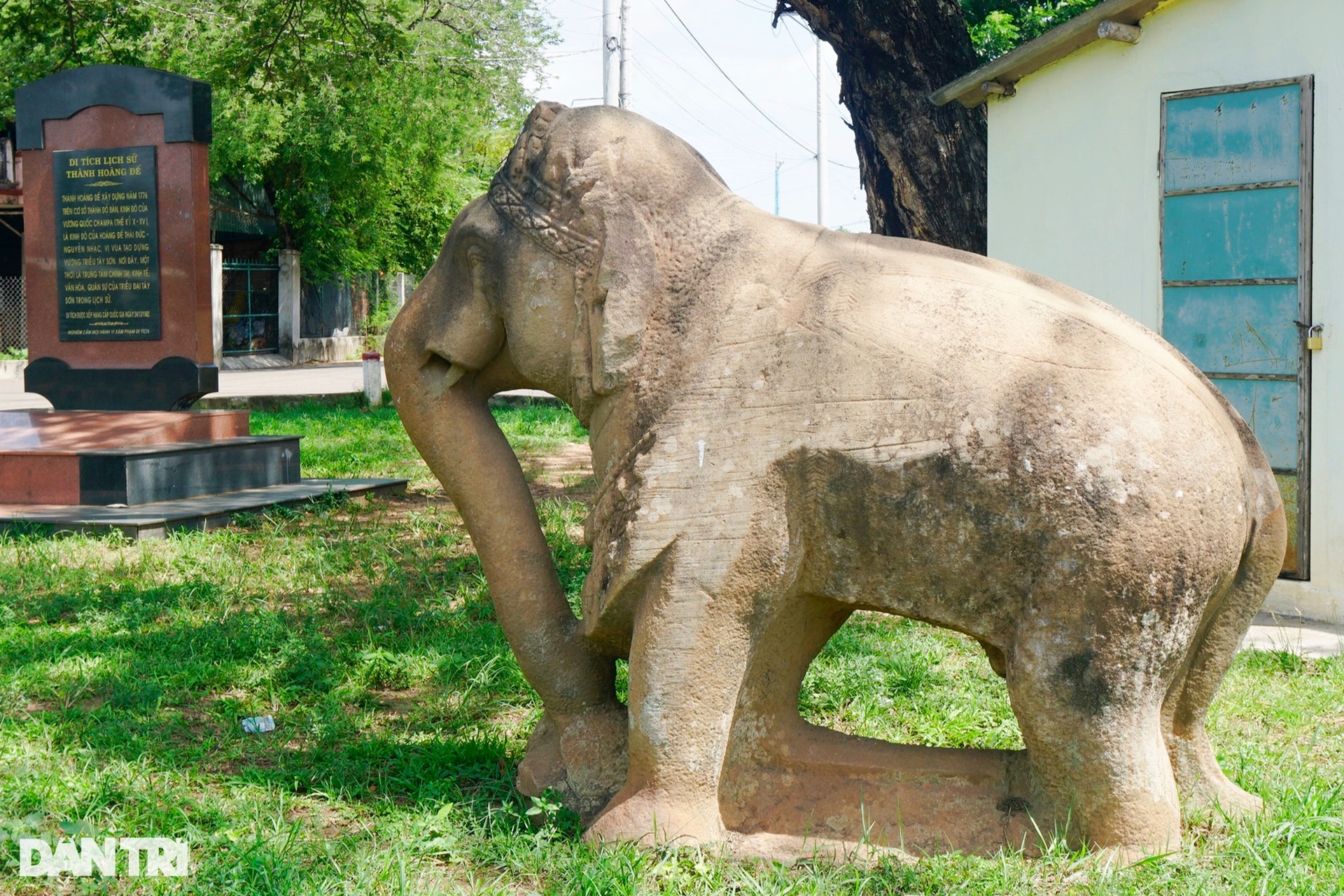
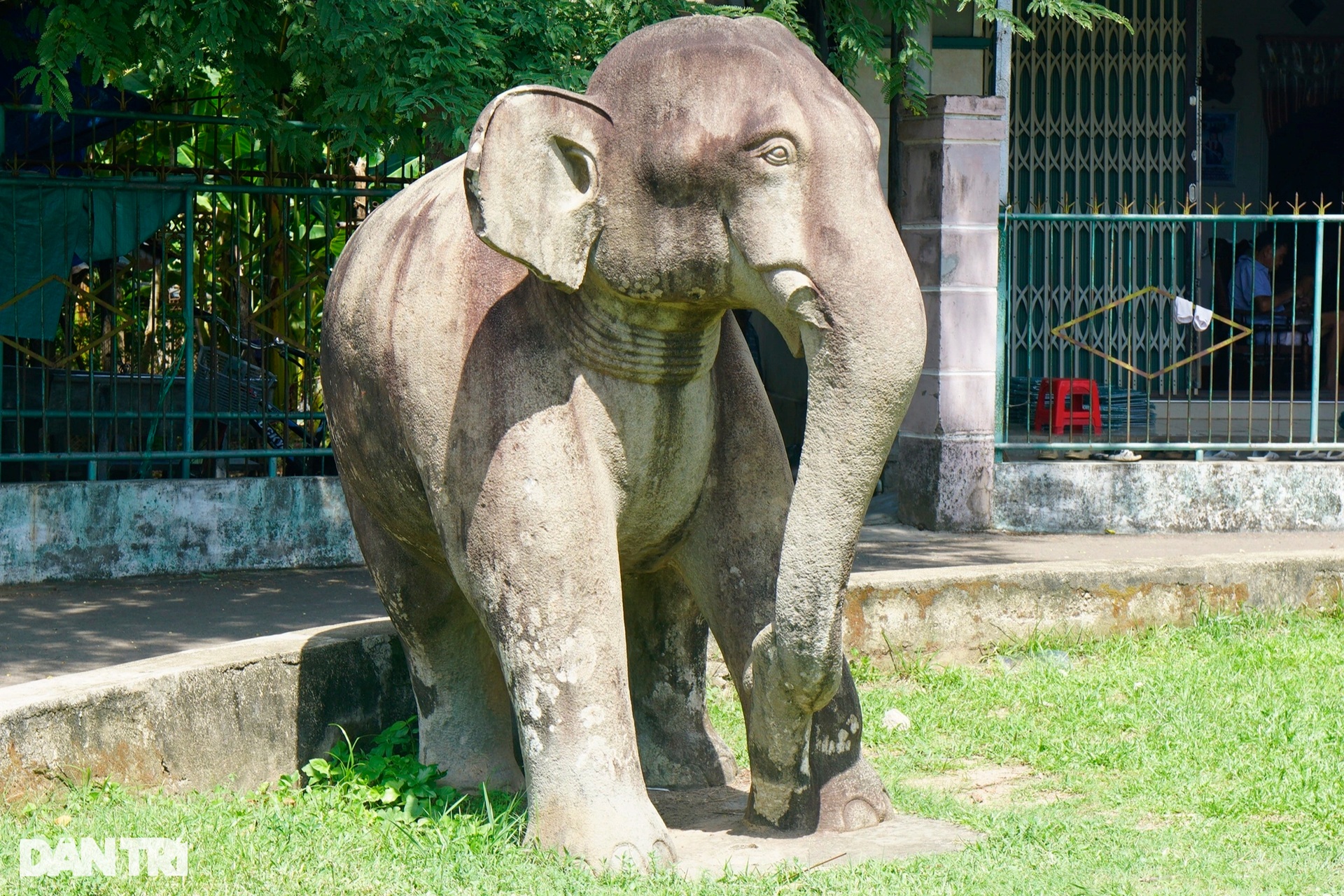
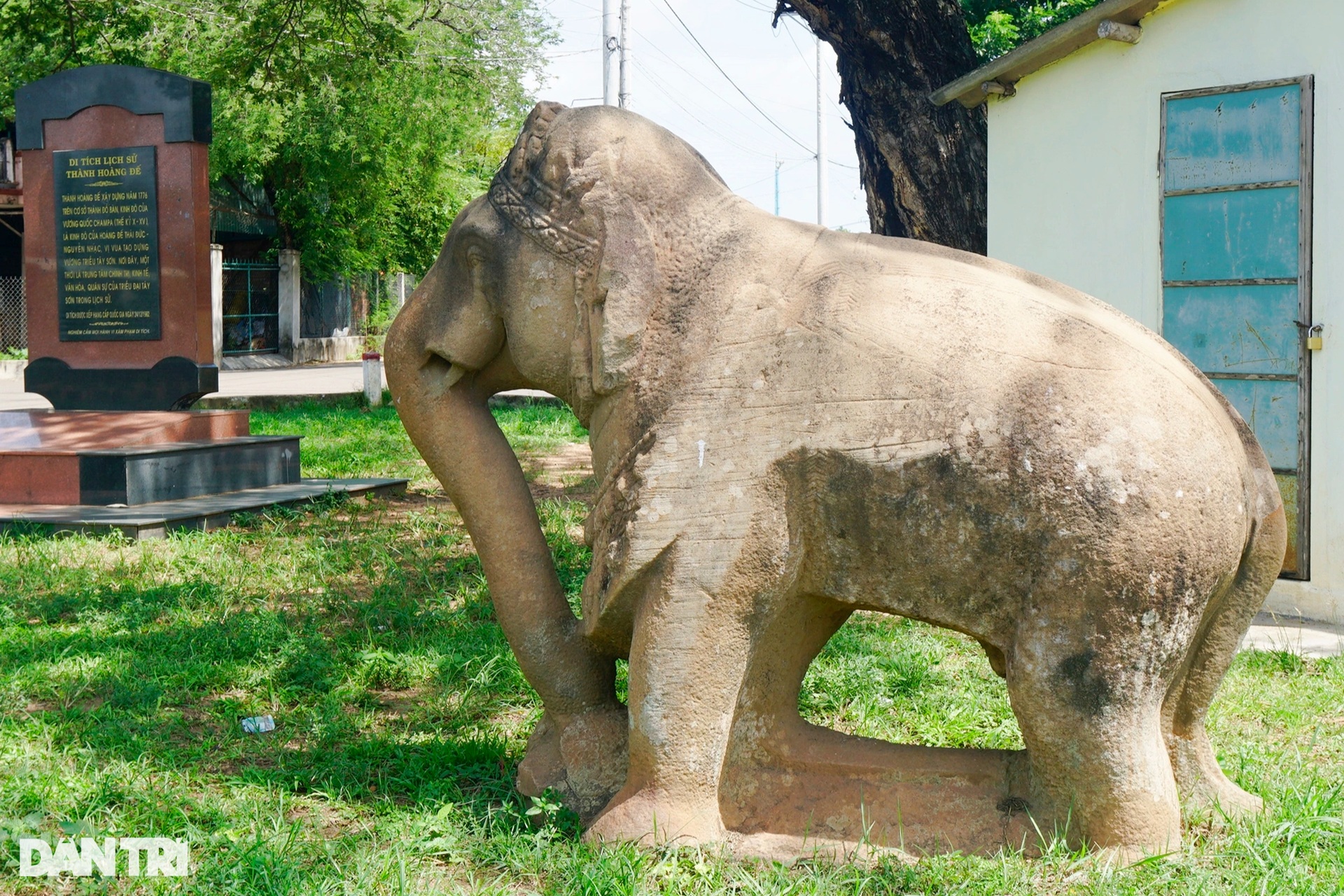
The pair of stone elephant statues from Do Ban Citadel (one male, one female), made of fine-grained silica stone, light gray in color, dating from the latter half of the 12th century, were recognized as national treasures in 2023. The statues are currently preserved and displayed in the historical and cultural space of Champa at Do Ban Citadel – the ancient capital of the Champa kingdom, located in Nhon Hau commune, An Nhon town, Binh Dinh province. Elephants are familiar and close to humans. According to Hindu mythology, elephants are considered sacred animals, the mounts of the god Indra (God of Thunder – God of War or Guardian God), one of the main deities revered.
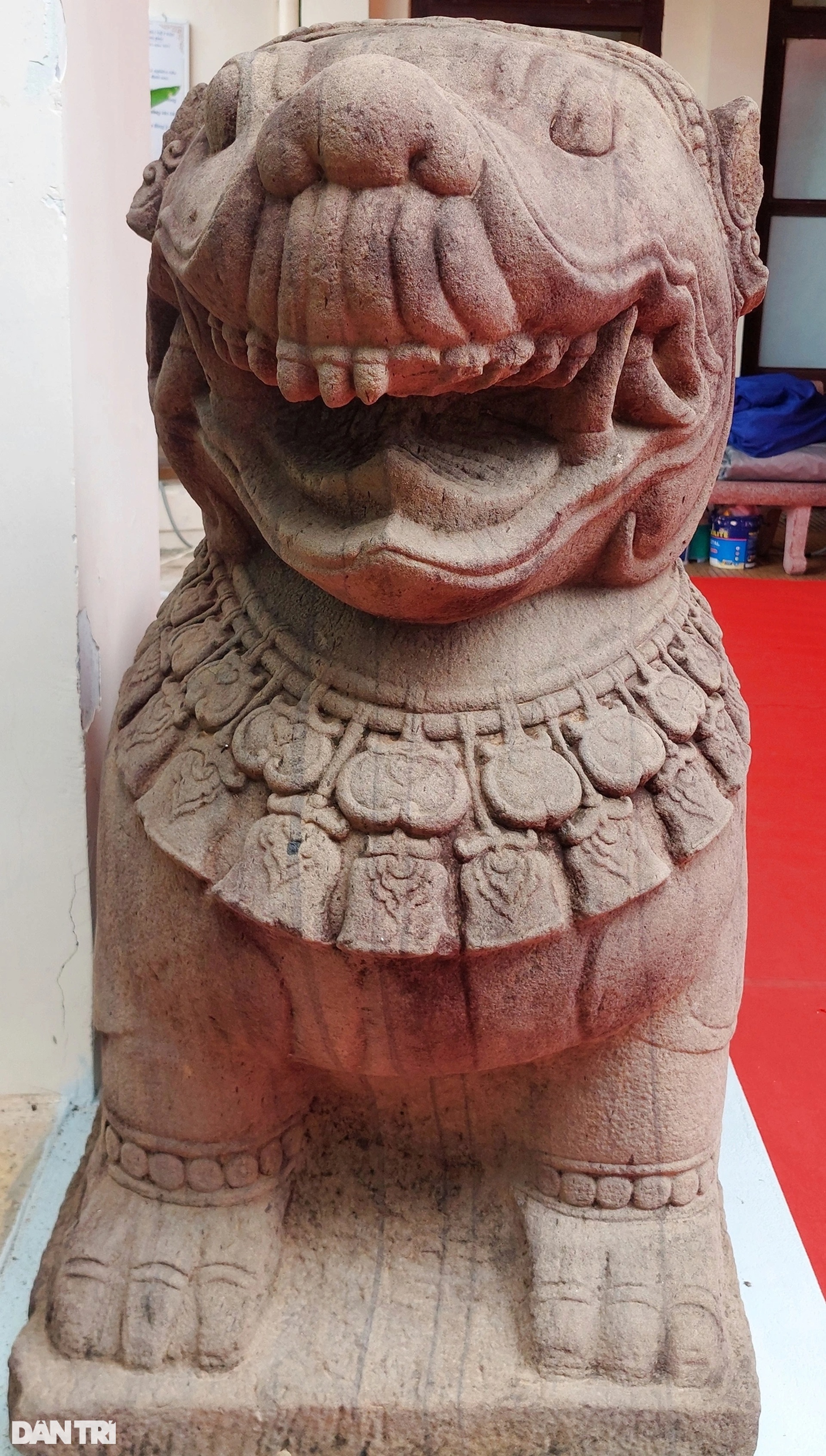
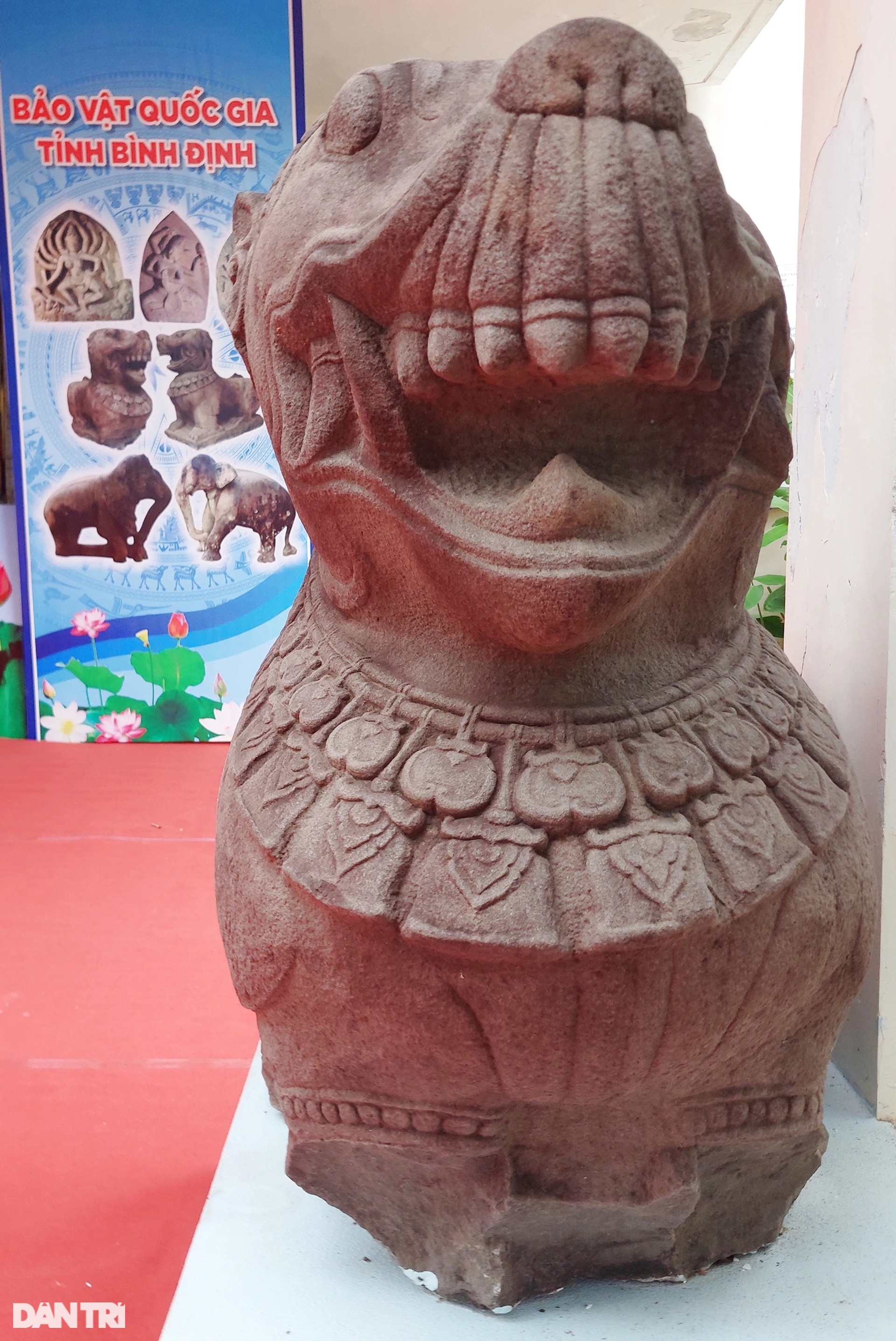
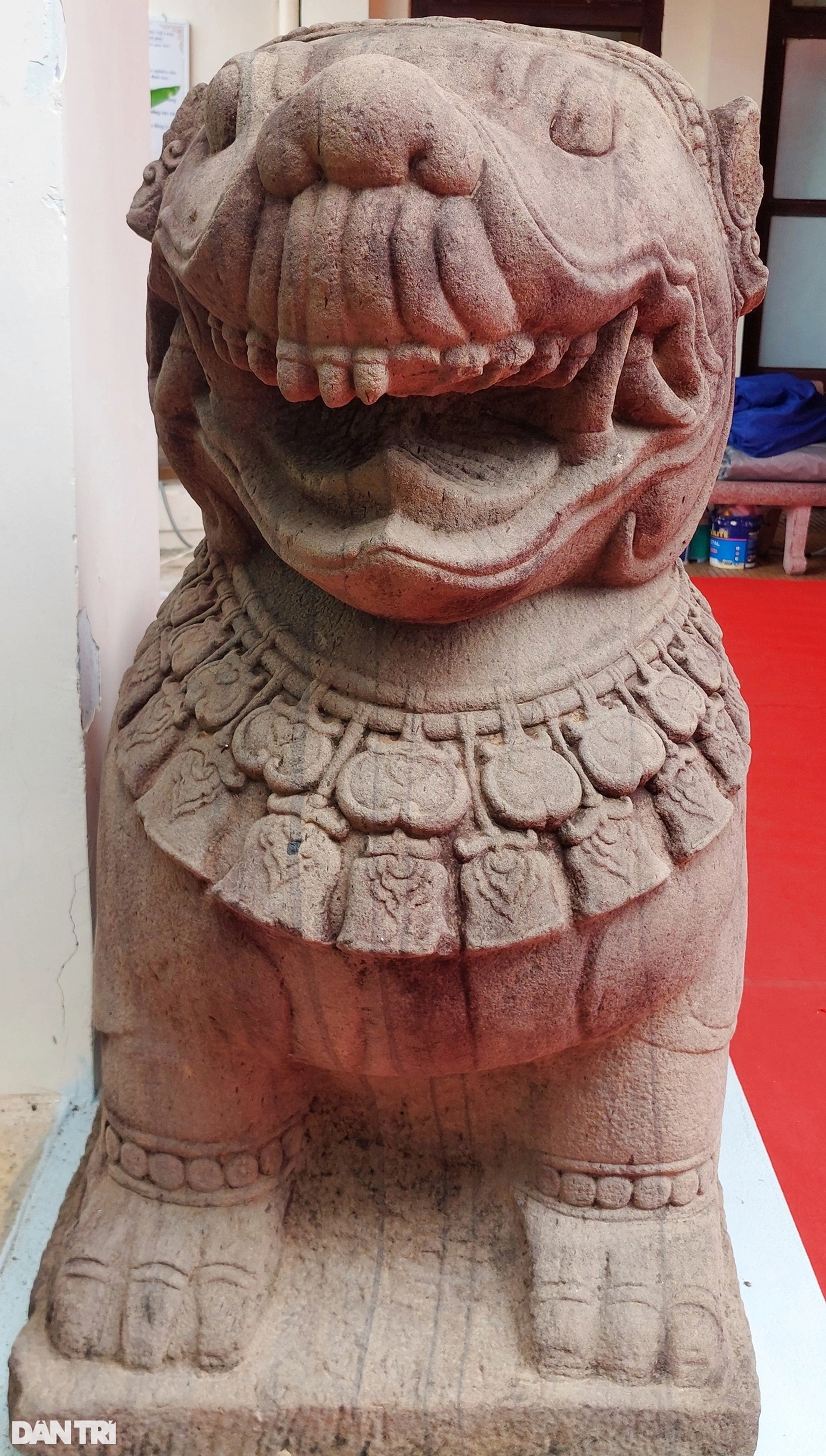
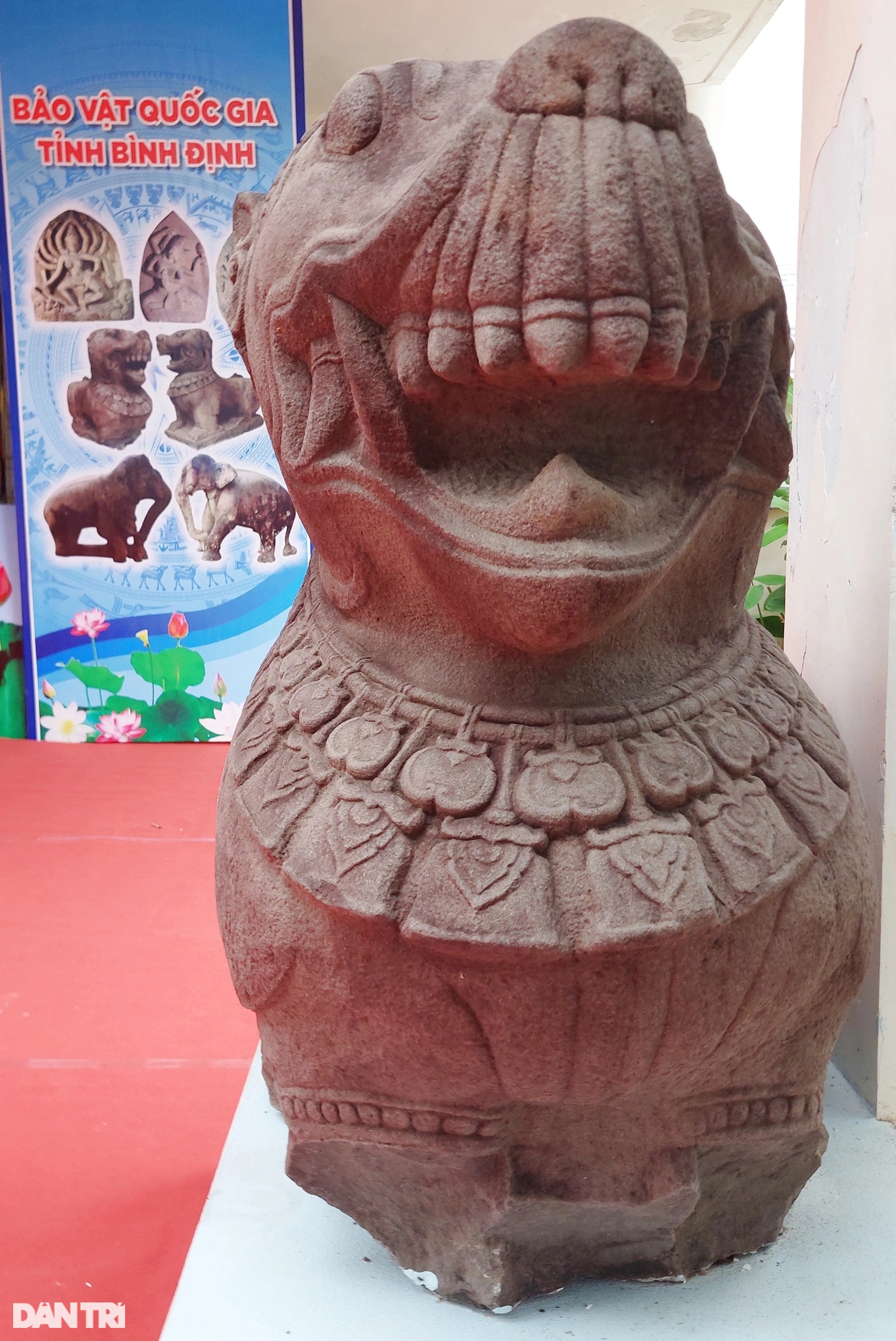
Earlier this year, two stone lion statues from the Do Ban citadel were recognized as national treasures by the Prime Minister. Both statues are male, made of fine-grained silica stone, light grayish-brown in color, and date back to the late 11th century. They were discovered in 1992 in Ba Canh village, near the Canh Tien tower in the Do Ban citadel area, in Nhon Hau commune, An Nhon district (now An Nhon town). In Hindu mythology, the lion is one of the incarnations of the god Vishnu – one of the three supreme gods of Hinduism. The lion is considered a sacred animal that slayed the demon Hiranyakashipu and worshipped Brahma, thus being granted immortality by Vishnu. The two lion statues are usually depicted in a symmetrical pair placed on either side of the entrance to Champa temples and towers.
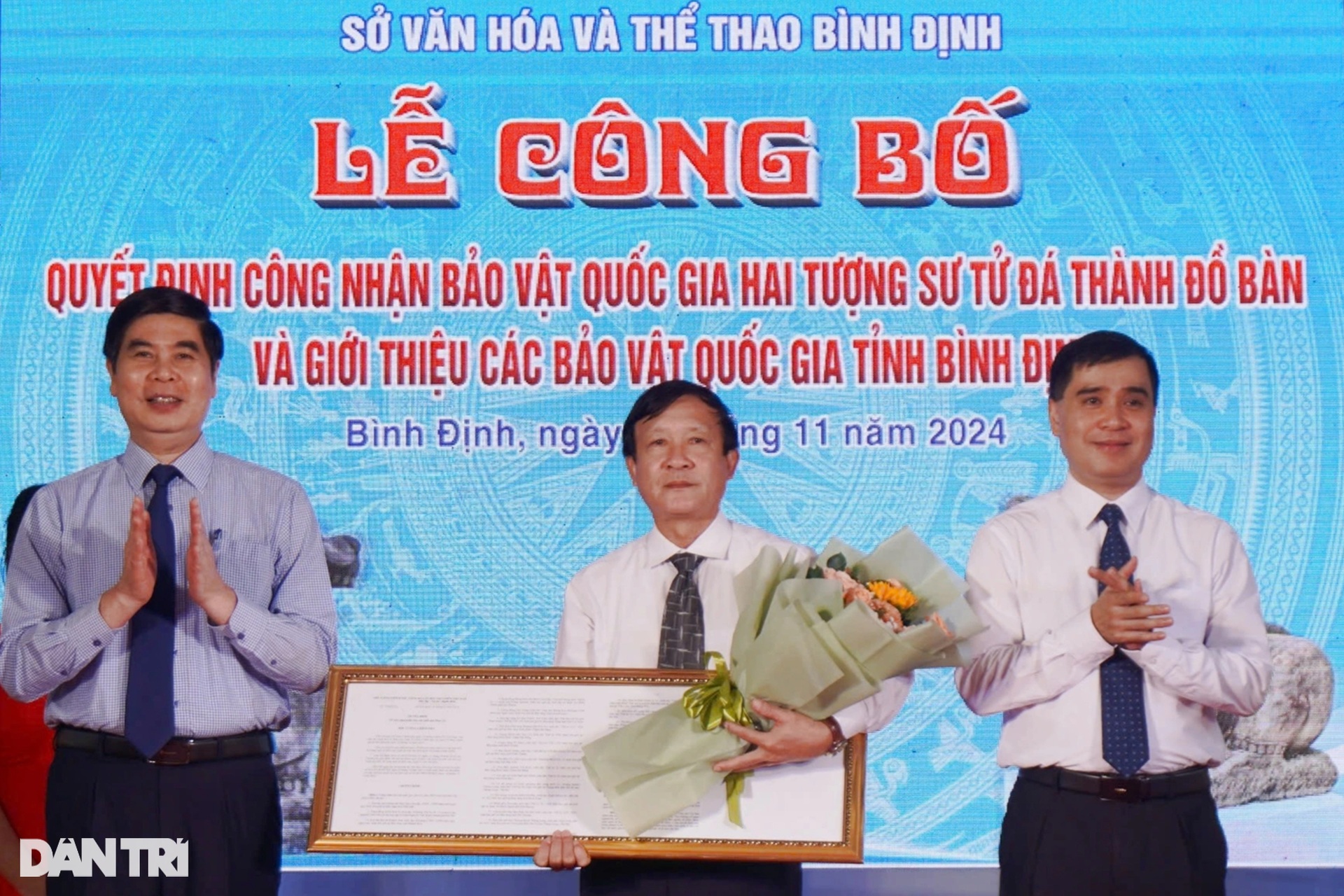
On November 21st, at the Binh Dinh Provincial Museum (Quy Nhon city), the Department of Culture and Sports held a ceremony to announce the decision recognizing two stone lion statues from Do Ban citadel as national treasures and to introduce other national treasures of Binh Dinh province. Leaders of the People's Committee of Binh Dinh province and the Department of Heritage presented the Prime Minister's decision recognizing the two Do Ban stone lion statues as national treasures (Photo: Doan Cong). According to Mr. Ta Xuan Chanh, Director of the Department of Culture and Sports of Binh Dinh province, Binh Dinh was once the most prosperous capital of the Champa kingdom (11th-15th centuries), leaving behind many invaluable tangible cultural heritage sites, including numerous temples, citadels, thousand-year-old pottery kilns, sculptures, artifacts, and antiques. In particular, eight Champa tower complexes with 14 tower blocks remain relatively intact. "Champa sculpture is not only a cultural symbol, but also contains artistic, historical, religious, and philosophical elements, reflecting the skillful hands and creative minds of the ancient Champa people," Mr. Chanh said.





![[Photo] Worshiping the Tuyet Son statue - a nearly 400-year-old treasure at Keo Pagoda](https://vphoto.vietnam.vn/thumb/402x226/vietnam/resource/IMAGE/2025/12/02/1764679323086_ndo_br_tempimageomw0hi-4884-jpg.webp)
































































Comment (0)