


The process of reorganizing provincial-level administrative units is entering its final stage, as the Party Committee of the Government must report to the Central Committee of the Communist Party of Vietnam on the plan for reorganizing administrative units at all levels before April 1st. The merger of provincial-level administrative units nationwide is expected to be completed before July 1st.
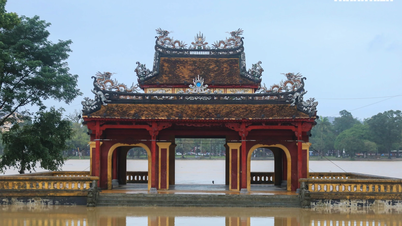
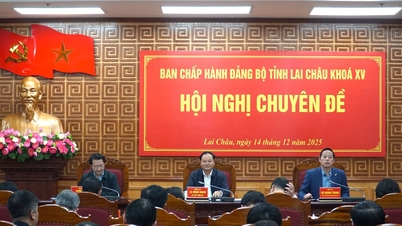
According to the draft Resolution of the National Assembly Standing Committee, prepared by the Ministry of Interior , 11 provincial-level administrative units nationwide will remain unchanged: Hanoi, Hue, Lai Chau, Dien Bien, Son La, Cao Bang, Lang Son, Quang Ninh, Thanh Hoa, Nghe An, and Ha Tinh. The remaining 52 localities, including the four centrally-governed cities of Ho Chi Minh City, Hai Phong, Da Nang, and Can Tho, are subject to restructuring.
Naming provinces and cities after mergers is not just an administrative decision, but also carries significance in preserving culture and history and shaping the sustainable development direction of the country. At the meeting of the Standing Committee of the Government Party Committee on March 11, Prime Minister Pham Minh Chinh affirmed that the names of provincial-level administrative units need to ensure continuity and clearly reflect the historical traditions, culture, and local identity.
Meanwhile, the Ministry of Interior – the main advisory body for the proposal – suggested prioritizing the retention of one of the old names of the administrative units before the merger. This aims to minimize the impact on citizens and businesses related to changes in documents or geographical indications.
Three methods for naming new provinces.
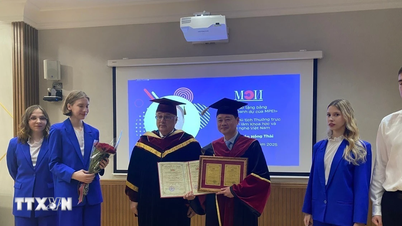
Professor Dao Trong Thi, former Chairman of the National Assembly's Committee on Culture, Education, Youth, and Children, pointed out that determining the names for the provinces after administrative reorganization is just as important as studying the plan for merging the units.
Throughout history, the process of merging or splitting provinces has typically involved three methods of creating new names. These include choosing the more prominent local name as the common name; combining the names of two regions in a way that preserves the original meaning while creating a sense of familiarity; or boldly creating an entirely new name.
However, Professor Thi emphasized that this is a complex problem, requiring careful consideration for each specific case rather than applying a rigid formula to all localities. The reason is that in some places, the name of a representative area may be the obvious choice, but in other areas, finding a solution that ensures the highest level of consensus from the community is crucial.
Retain local names that have stronger cultural characteristics.
Chairman of the Vietnam Writers Association, Nguyen Quang Thieu, also believes that changing the names of provinces and cities after mergers is an unavoidable development. Around the world, historical names hundreds or even thousands of years old are replaced to adapt to changing times. "Changing the names of localities in this period is not surprising or difficult to accept. However, policymakers and experts must carefully study the geography, culture, history, and development trends to choose the best names for the merged provinces and cities," Mr. Thieu said.
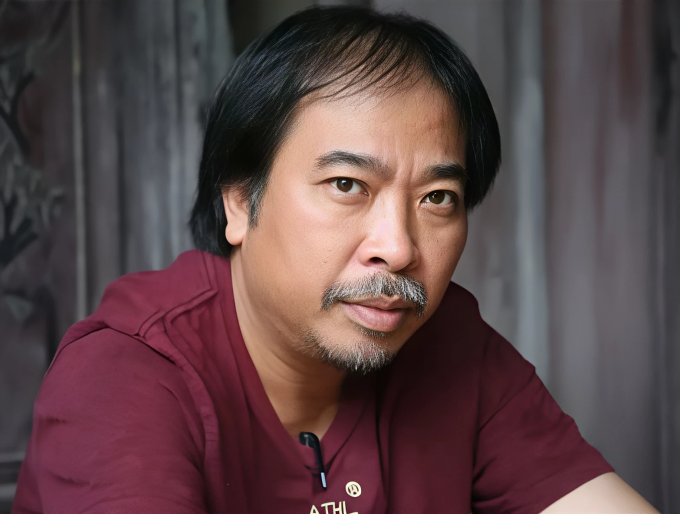
According to the Chairman of the Writers' Association, the name of a province should create a distinctive mark, preserve its history and cultural characteristics, and open up new opportunities for the region's development. When merging two provinces, priority should be given to using the name of the locality with a more prominent cultural heritage as the common name.
For two regions with equal cultural and historical value, Mr. Thieu suggested combining the existing names or choosing a new name that is distinctly Vietnamese and encompasses the typical characteristics of both regions. He emphasized the importance of subtlety in the naming process and recommended that planners consult with historians, researchers, and cultural experts to arrive at the optimal name.
Former Deputy Minister of Home Affairs Nguyen Tien Dinh also supported choosing the name of a representative locality to name the new province after the merger. This should be based on consideration of population size, socio-economic conditions, and rich cultural and historical traditions. For localities with similar levels of development, the State should assess common factors to find the most suitable name that reflects cultural cohesion after the merger.
Consider building a name bank.
Professor Dao Trong Thi emphasized that preserving the name of a province could bring practical benefits in reducing administrative procedures and paperwork changes for a segment of the population. However, he noted that "convenience and cost-saving" are only one of many factors to consider, and should not be the deciding factor. After all, the name of a region will go down in history, closely associated with the people and communities of that place for a long time.
According to him, overemphasizing the importance of retaining original names to avoid changes to documents is not entirely necessary. The reason is that, along with the provincial mergers, the State will abolish the district level and reorganize commune-level administrative units. People will still need to update their personal documents after the administrative reorganization is complete.
Based on the above analysis, Professor Dao Trong Thi recommends that the research and naming of provinces and cities after reorganization should involve multi-faceted participation from professionals, policymakers, and experts in the fields of history, culture, and socio-economics, as well as soliciting public opinion.
"Experts and scientists should create a database of names, with about 3-4 options for each locality after the reorganization, so that people have the opportunity to express their opinions on each option," he said.
The new provincial name should evoke a sense of pride.
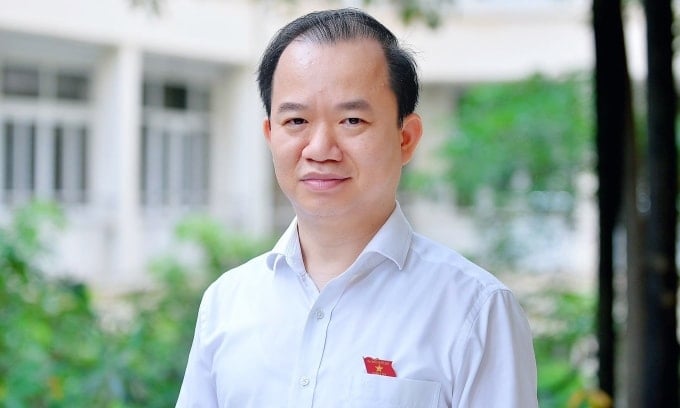
Representative Bui Hoai Son, a specialist on the Culture and Social Affairs Committee, argued that naming a new province is not just an administrative decision, but also a story about identity, tradition, and future aspirations. A name should not only be for identification on a map, but also evoke pride, a sense of connection, and long-term development orientation for the entire region.
The new name needs to reflect historical heritage, a continuation of cultural values cultivated over generations. For place names deeply ingrained in people's minds, associated with historical milestones or outstanding figures, a complete change could cause a sense of loss and the disappearance of a part of their memory. Therefore, according to Mr. Son, maintaining or skillfully incorporating familiar elements from the old name will create greater consensus and a closer connection with the new name.
Furthermore, the new name should reflect the geographical, cultural, or economic characteristics of the province. In the context of international integration, the name also needs to be flexible for use in diplomatic documents while still preserving Vietnamese identity. "The name of the merged province needs to be easy to remember, easy to pronounce, suitable for the Vietnamese language, avoiding names that are too long or complex, causing difficulties in communication and identification," Mr. Son emphasized.
Source: https://baohaiduong.vn/chon-ten-tinh-thanh-pho-sau-sap-nhap-the-nao-408139.html





































































Comment (0)