

Immediately after the flood, the provincial health sector quickly went to the localities to guide people on environmental treatment and water treatment. At the same time, the chemical Cloramin B was used to treat flooded well water to ensure clean water for people's daily use.
Accordingly, as of the morning of December 2, nearly 73,000 water wells and nearly 62,000 sanitation facilities had been treated. Of these, nearly 1,200 water wells were treated for the second time.
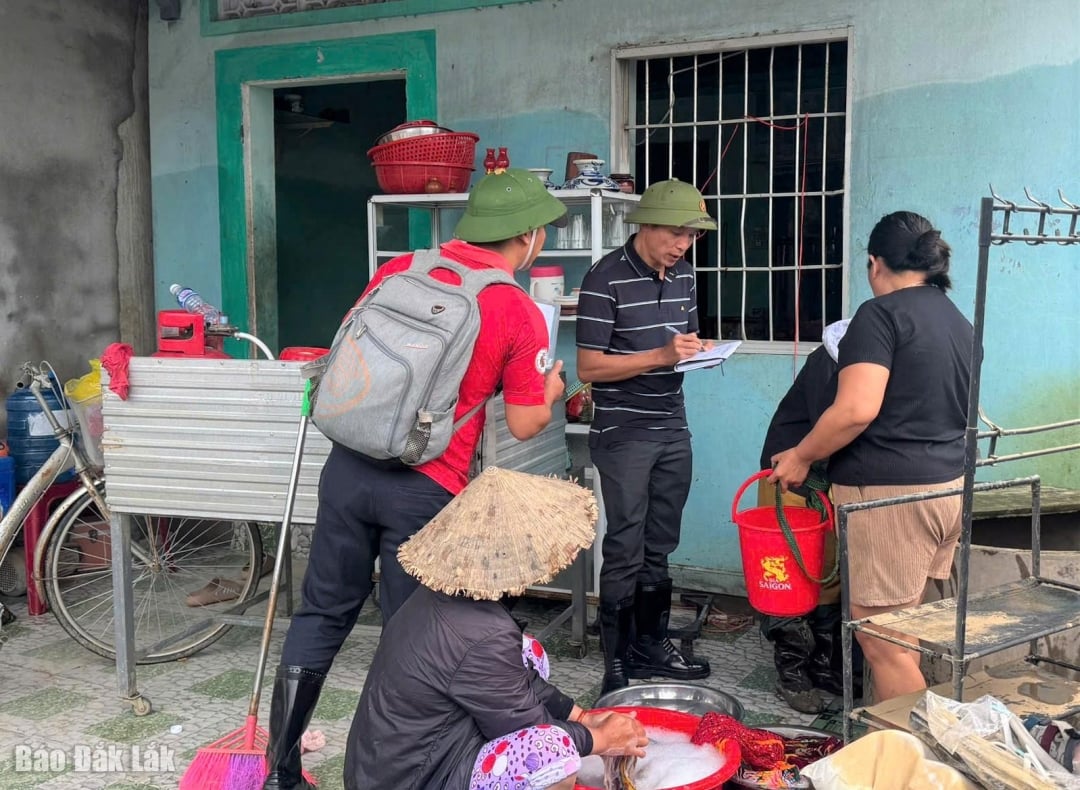 |
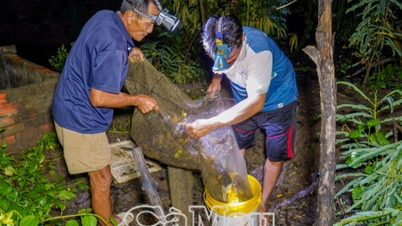
| The Central Highlands Institute of Hygiene and Epidemiology checks the domestic water source of people in flooded areas. |
In addition to ensuring water hygiene and safety, supporting people with water treatment chemical packages and providing instructions on proper use to minimize the risk of disease, the Dak Lak Health sector is currently increasing human resources to conduct field inspections and grasp people's health status, in order to promptly support when unusual signs appear after a long period of flooding.
It is known that after the recent historic flood, the whole province had over 73,000 water wells and nearly 90,000 people's sanitation facilities flooded. The flooding and isolation due to the flood will mean that water wells, especially open wells, will be heavily flooded and polluted. If there are no treatment measures and the water is still used, it will affect people's health, especially diseases related to the intestines and skin diseases.
Source: https://baodaklak.vn/xa-hoi/202512/co-ban-hoan-thanh-viec-xu-ly-gieng-nuoc-bi-ngap-cua-nguoi-dan-7e20825/


![[Photo] Cat Ba - Green island paradise](/_next/image?url=https%3A%2F%2Fvphoto.vietnam.vn%2Fthumb%2F1200x675%2Fvietnam%2Fresource%2FIMAGE%2F2025%2F12%2F04%2F1764821844074_ndo_br_1-dcbthienduongxanh638-jpg.webp&w=3840&q=75)















































![[VIMC 40 days of lightning speed] Da Nang Port: Unity - Lightning speed - Breakthrough to the finish line](https://vphoto.vietnam.vn/thumb/402x226/vietnam/resource/IMAGE/2025/12/04/1764833540882_cdn_4-12-25.jpeg)









































Comment (0)