

According to the Ministry of Agriculture and Rural Development , from the beginning of 2023 to the present, over 530 outbreaks of African swine fever have occurred nationwide, resulting in the culling of over 20,000 pigs in 44 provinces and cities. The disease has been on the rise since August 2023, particularly in localities with large pig populations, negatively impacting pig farming and jeopardizing food supply in the final months of the year.

In Nghe An province, African swine fever has recently become more complex and poses a risk of spreading widely to many localities; currently, there are 77 active African swine fever outbreaks in small-scale pig farms across 12 districts and cities that have not yet passed the 21-day quarantine period.
The causes of the outbreak include complacency and negligence in many localities, a lack of decisive measures; insufficient allocation of funds and personnel for disease prevention and control; failure to proactively purchase lime powder and chemicals for disinfection; inadequate technical procedures for disposing of infected pigs; and the absence of disease control checkpoints in some areas. Furthermore, the concealment of outbreaks and the disposal of animal carcasses into the environment contribute to the spread of disease and environmental pollution. Vaccination rates for livestock are low, failing to meet disease prevention requirements. The restocking, expansion, transportation, slaughter, and consumption of animals and animal products are not thoroughly controlled according to regulations. Widespread flooding creates favorable conditions for the development and spread of pathogens.
In accordance with Prime Minister's Directive No. 1097/CĐ-TTg dated November 16, 2023, on the decisive and comprehensive implementation of measures to prevent and control African swine fever, and the Ministry of Agriculture and Rural Development's Official Letter No. 8199/BNN-TY dated November 14, 2023, on strengthening the prevention and control of livestock and poultry diseases in Nghe An province.

The Chairman of the Provincial People's Committee requests the chairmen of the People's Committees of districts, cities, and towns to focus on directing and organizing the decisive, synchronized, and effective implementation of measures to prevent and control African swine fever in accordance with the directives of the Central Government and the province, especially strictly applying the solutions in Decision No. 812/QD-UBND dated March 19, 2019, on the issuance of the emergency response plan for African swine fever in Nghe An province. Establish rapid response teams, report and handle outbreaks upon detection, thoroughly destroy sick and dead pigs according to technical procedures, ensure biosafety, and prevent the spread of the disease.
Direct the People's Committees at the commune level to mobilize local forces to inspect, monitor, and promptly collect and dispose of animal carcasses in the environment (rivers, streams, canals, ditches, landfills, etc.). Educate the public to proactively prevent disease, not to conceal outbreaks, and not to sell, slaughter, or dispose of carcasses of sick or suspected sick animals into the environment; resolutely and strictly handle violations in accordance with the regulations in Government Decree No. 90/2017/ND-CP dated July 31, 2017, on administrative penalties in the field of veterinary medicine.
Proactively allocate funds for disease prevention and control (funds for inter-agency teams, disease control checkpoints, funds for purchasing supplies, lime powder, chemicals, vaccines, etc.); and funds for implementing the African swine fever prevention and control plan. Review and ensure sufficient veterinary personnel are available to meet the requirements of disease prevention and control in the area.

Urgently review and administer supplementary vaccines against dangerous infectious diseases in livestock (foot-and-mouth disease, avian influenza, lumpy skin disease, rabies in dogs and cats, etc.; intensify vaccination against African swine fever for fattening pigs) to ensure that over 80% of the total herd is vaccinated at the time of vaccination; especially in districts with low vaccination rates such as Dien Chau, Anh Son, Quynh Luu, Nghi Loc, Tan Ky, Thanh Chuong…
The districts that received vaccine support were instructed to administer all the allocated vaccines; and to accelerate the vaccination against foot-and-mouth disease (provided by the province) in Thanh Chuong district, Hoang Mai town, Quynh Luu, Dien Chau, Nghia Dan, and Tuong Duong.
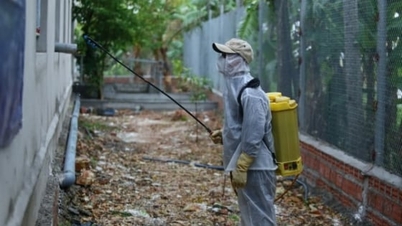
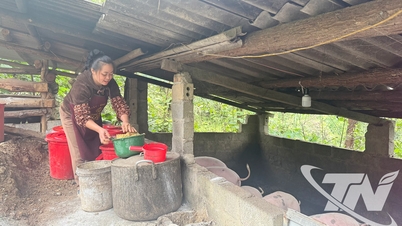
Assign specialized personnel to closely monitor the area, strengthening supervision down to the village level, especially in areas where disease outbreaks have previously occurred or in high-risk areas, to detect and handle outbreaks promptly. Guide livestock farmers to regularly monitor their herds, apply biosecurity measures in livestock farming; and disinfect livestock pens and surrounding areas with lime and chemicals.
Support for livestock farmers affected by African swine fever and lumpy skin disease must be provided to the right recipients, in a transparent and open manner, and without allowing for policy abuse, as directed in Official Letter No. 9496/UBND-NN dated November 3, 2023, of the Provincial People's Committee and Official Letter No. 900/CNTY-HCTH.QLDB dated November 15, 2023, of the Department of Livestock and Veterinary Medicine regarding guidance on procedures for supporting livestock affected by African swine fever and lumpy skin disease.
For localities experiencing outbreaks: Focus all resources on completely eradicating outbreaks, preventing the spread, prolongation, and emergence of new outbreaks. Any locality that is complacent or negligent in animal disease prevention and control, allowing widespread outbreaks, maintaining low vaccination rates, failing to provide decisive leadership, or neglecting to address the disposal of animal carcasses into the environment, will hold the Chairman of the People's Committee at the district and commune levels accountable to the Chairman of the People's Committee at the provincial level.
Department of Agriculture and Rural Development: Inspect, supervise, and guide localities in the prevention and control of animal diseases, especially the prevention and control of African swine fever and vaccination in localities throughout the province.
The Department of Livestock and Veterinary Medicine is directed to be the standing agency in the prevention and control of livestock, poultry, and aquatic animal diseases in the province; to closely coordinate with localities to monitor and summarize the developments of African swine fever to promptly report and advise on appropriate disease prevention and control; and to prepare sufficient supplies, chemicals, vaccines, etc., for handling outbreaks in limited areas.
Implement a system for reporting complete, timely, and accurate data on the online animal disease reporting system; strengthen quarantine and control of animal and animal product transportation.
The Departments of Finance, Natural Resources and Environment, Industry and Trade, the Market Management Department, and the Provincial Police, in coordination with the Department of Agriculture and Rural Development and local authorities, will direct and guide measures for environmental treatment in livestock farming and the disposal of animals and animal products. They will strengthen inspections, arrests, and strict penalties for cases of deliberately transporting and consuming animals and animal products illegally, without quarantine certificates, evading quarantine via the North-South expressway, selling diseased animals, and discarding animal carcasses into the environment.
The Department of Information and Communications directs media agencies to intensify propaganda on measures to prevent and control African swine fever so that people do not panic and proactively apply measures as guided by specialized agencies. At the same time, it encourages people not to "turn their backs" on pork, but to continue consuming and using safe pork, contributing to overcoming difficulties for the livestock industry.
Relevant provincial departments and agencies, based on their functions, duties, and powers, should proactively coordinate with the Department of Agriculture and Rural Development and the People's Committees of districts to effectively implement measures to prevent and control African swine fever and other diseases in livestock.
Source


















![[Photo] Prime Minister Pham Minh Chinh holds a phone call with the CEO of Russia's Rosatom Corporation.](/_next/image?url=https%3A%2F%2Fvphoto.vietnam.vn%2Fthumb%2F1200x675%2Fvietnam%2Fresource%2FIMAGE%2F2025%2F12%2F11%2F1765464552365_dsc-5295-jpg.webp&w=3840&q=75)











































Comment (0)