Competence is measured by the admiration of the people.
In the year of Mau Than (1428), the examination system was implemented when King Le Thai To "issued an edict to the high officials to examine the work of officials inside and outside the court," as recorded in the Historical Records of the Dynasties. During the reign of Le Thanh Tong, the regulations were perfected in the year of Mau Than (1488), when the king promulgated the examination system for officials. According to the Historical Records, "after 3 years of service as an official, there is a preliminary examination; after 6 years, a re-examination; and after 9 years, a comprehensive examination." The 3-year period was sufficient to assess the ability and qualities of officials, neither too long nor too short, maintaining it as a precedent. "This method of encouragement and promotion was very thorough. At that time, all officials performed their duties well, a time of prosperity and good governance; wasn't this the result of strict rewards and punishments?", Phan Huy Chu commented.
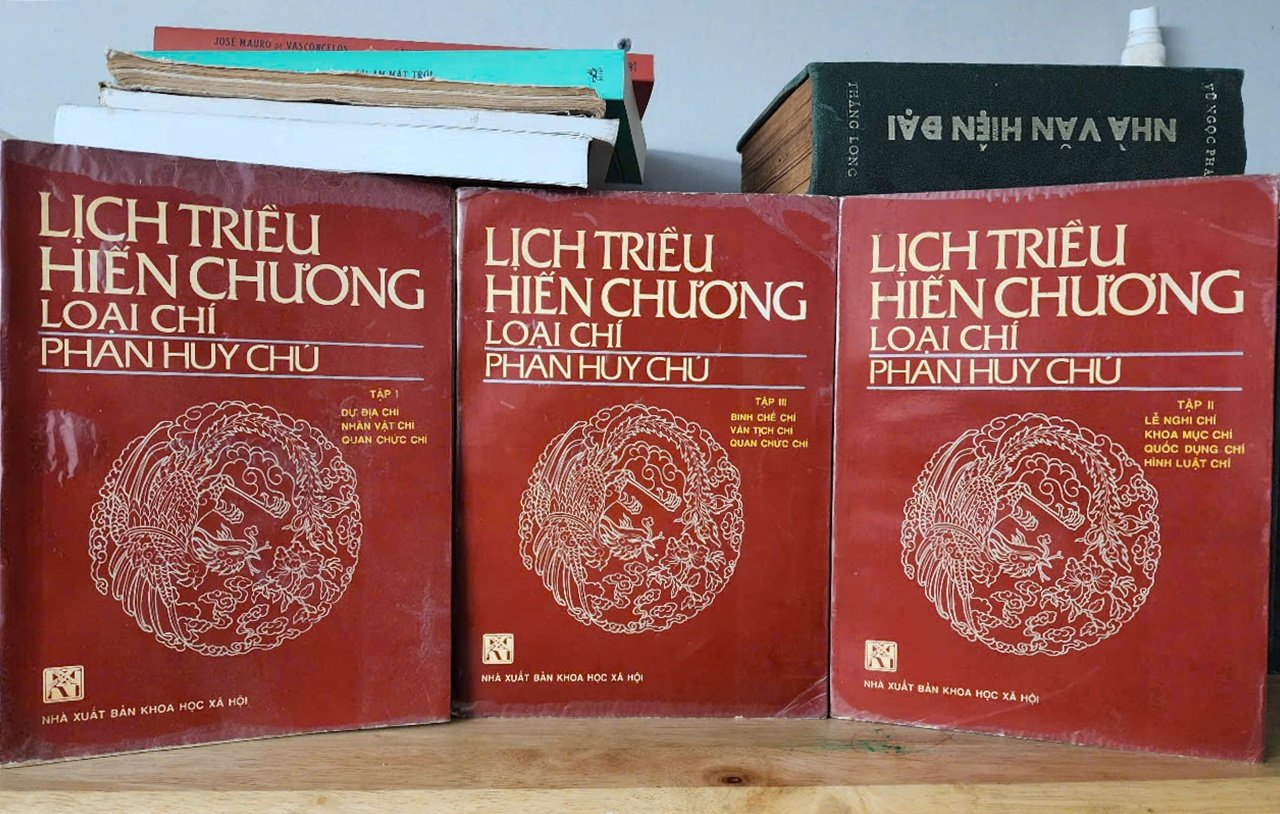
The book "Lich Trieu Hien Chuong Loai Chi" (translated edition, printed in 1992) highly praised the examination system during the early Le Dynasty.
The regulations for ranking officials during the examination period are clearly stated in the Le Dynasty's official register: "Officials who are careful and diligent, who love the people, who promote benefits and eliminate harm, and who judge cases fairly are ranked as Upper. Officials who love the people, who do not burden the tax collectors, and who perform their duties well are ranked as Middle. Officials who are mediocre and incompetent, who are sycophantic and obsequious, who are corrupt and embezzled, and who neglect the justice system are ranked as Lower."
It is noteworthy that in the criteria for evaluating officials, when assessing work efficiency, consideration was given to whether they cared for the people's lives and whether they were popular, as recorded in the History of Vietnamese Civilization: "The evaluation had clear standards, regarding service efficiency and measured by the people's affection." Thus, public opinion and community sentiment were a standard measure in the evaluation of officials. The state also noted in the edict of King Le Thanh Tong in the year of At Mao (1495) that "any official who is ill for three months is not allowed to participate in the evaluation."


Officials who passed the examination and achieved the highest rank were promoted and rewarded. Those serving in remote, border, or disease-ridden areas were transferred to nearby towns. They were also rewarded with money as recognition of their achievements, according to the historical records: "the highest rank receives a title of one rank and 5 quan of money." Officials who were deemed unworthy were ranked lower, demoted, transferred to less busy areas, temporarily suspended from work, or even dismissed and forced into early retirement. If an official was found to be corrupt after the examination, they would be dismissed and exiled to the distant province of Quang Nam.
Dao Cu Thong Khao is worthy of the position.
The state implemented regulations to prevent bribery in examinations, clearly defining the responsibilities of individuals (officials) and organizations (the three departments: the Imperial Secretariat, the Administrative Secretariat, and the Ministry of Justice) conducting the examinations. An edict from the year Canh Tuat (1490) stated: "Anyone who dares to bribe or seek favors will be punished according to the law to prevent the tendency of scholars to seek luck." King Le Hien Tong of the year Ky Mui (1499) warned: "Examination officials who dare to have personal biases and judge unfairly, the Ministry of Justice conducting unjust examinations, or the Ministry of Justice conducting unwise and uninformed judgments, must all be handed over to the Ministry of Justice for punishment according to the law."
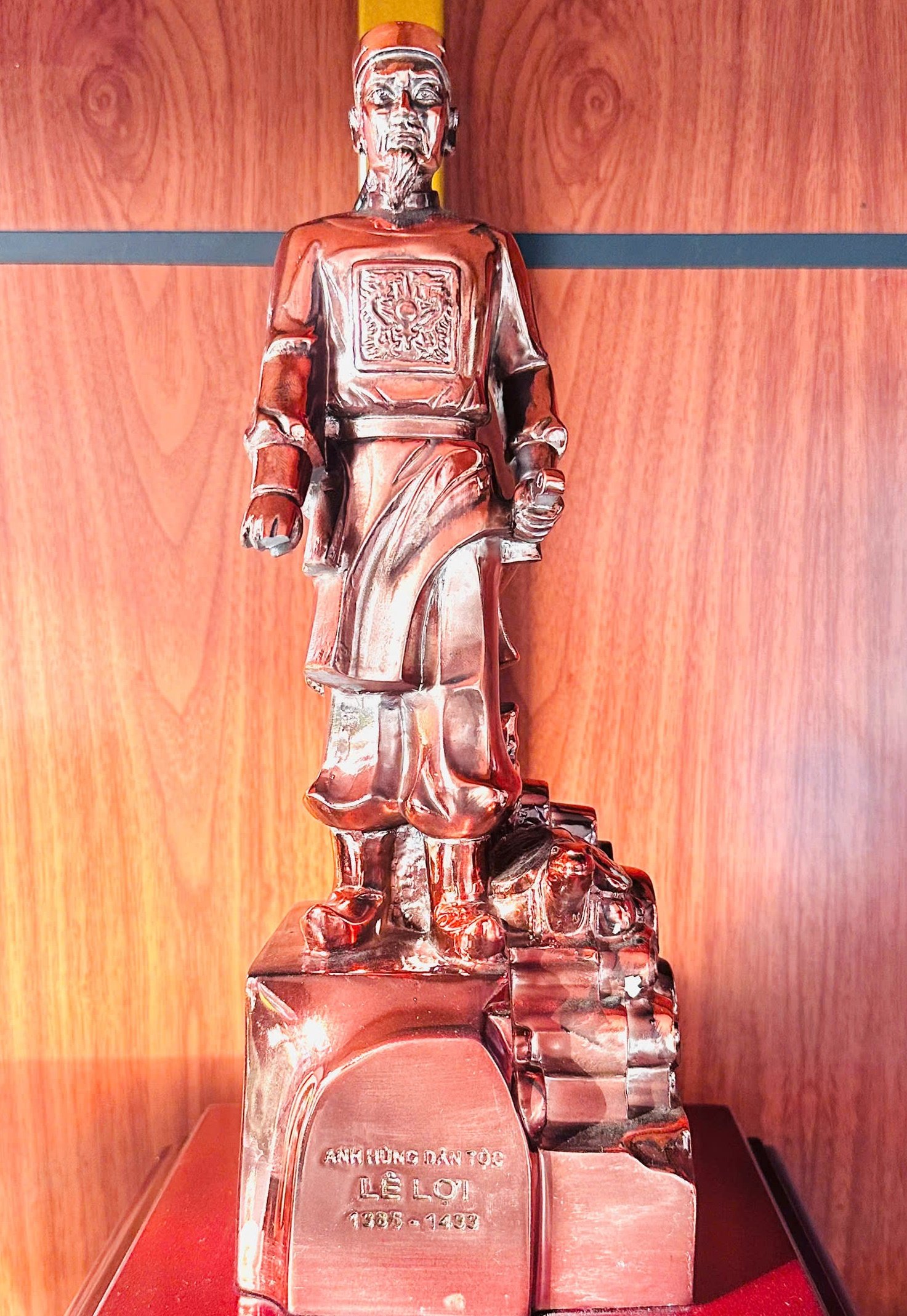
King Lê Thái Tổ initiated the practice of conducting examinations for officials.
In reality, through examinations, many incompetent officials were dismissed. The Complete History records the year Mau Tuat (1478): " The Lang Son Counselor Tran Duy Hinh, the Truong Khanh Prefect Ninh Thap Nhung, the Phu Binh Prefect Pham Thao… and those despicable fools who are incapable of doing their jobs should be dismissed […] if there are any who are weary and cowardly like Nguyen Tri Nghieu, Do Huu Truc, Do Cong Thich… and those vile and despicable people who lack talent and are incapable of doing their jobs, they should be dismissed."
The imperial court, through examinations, selected officials with sufficient qualities and abilities to promote and appoint them to appropriate high positions. While in office, Dao Cu constantly cultivated his character and devoted himself wholeheartedly to his assigned duties. In the year Mau Than (1488), after a nine-year examination, "Dao Cu was promoted to Han Lam Vien Thi Doc Dong Cac Hoc Si Tu Than Thi Doan. Because Dao Cu held a position in the government office with many responsibilities, he performed well in all three examinations without committing any errors, and was therefore promoted." During the reign of King Le Hien Tong, Vu Phuc Long, Pham Nhu Du, and Vu The Hao, after being examined, achieved many accomplishments and were honest and upright, earning praise from the imperial court in the year Mau Ngo (1498).



The examination system motivated officials to perform their assigned duties well. At the same time, it bound the responsibility and consciousness of scholars to achieve good results in preliminary and final examinations: "Therefore, when working, officials had to conform to discipline, had to devote all their minds to their work, and had to always maintain integrity, unable to openly engage in corruption in front of the people, because the people themselves would denounce them," concludes the History of Vietnamese Civilization.
Commenting on the examination system during the early Le Dynasty, Phan Huy Chu affirmed the great effect of this practice: "The examination system of the Le Dynasty was very meticulous, and from the founding of the nation, it was very clear in the Hong Duc era [...] Honest and diligent people were rewarded, while incompetent people were immediately dismissed." (to be continued)
(Excerpt from the work " Early Le Dynasty (1428 - 1527) and the fight against the 'corrupt people' scourge")
"Waterworms" - Ho Chi Minh City General Publishing House, with additional materials)
Source: https://thanhnien.vn/nha-le-so-lam-trong-sach-chon-quan-truong-dinh-ky-xet-nang-luc-quan-chuc-18525021519262567.htm