

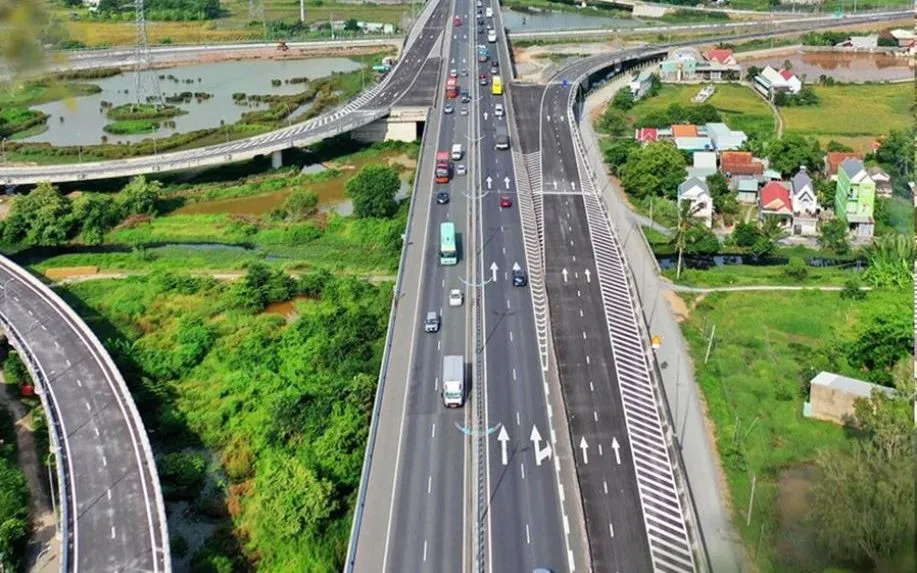
2026 marks the completion of a series of key projects: Ring Road 3 and Ring Road 4, Ben Luc - Long Thanh Expressway, and expansion of Ho Chi Minh City Expressway.
New impetus from the merger
Vietnam is facing a golden opportunity to move up the global supply chain, as investment flows are increasing sharply following global economic fluctuations. In this context, Ho Chi Minh City – the country's largest economic center – continues to assert its leading role, especially after the administrative unit consolidation. The changes in regional structure open up new development space, where satellite cities are seen as important driving forces to reduce pressure on the central core, while simultaneously creating momentum for a breakthrough in the real estate market from 2026 onwards.
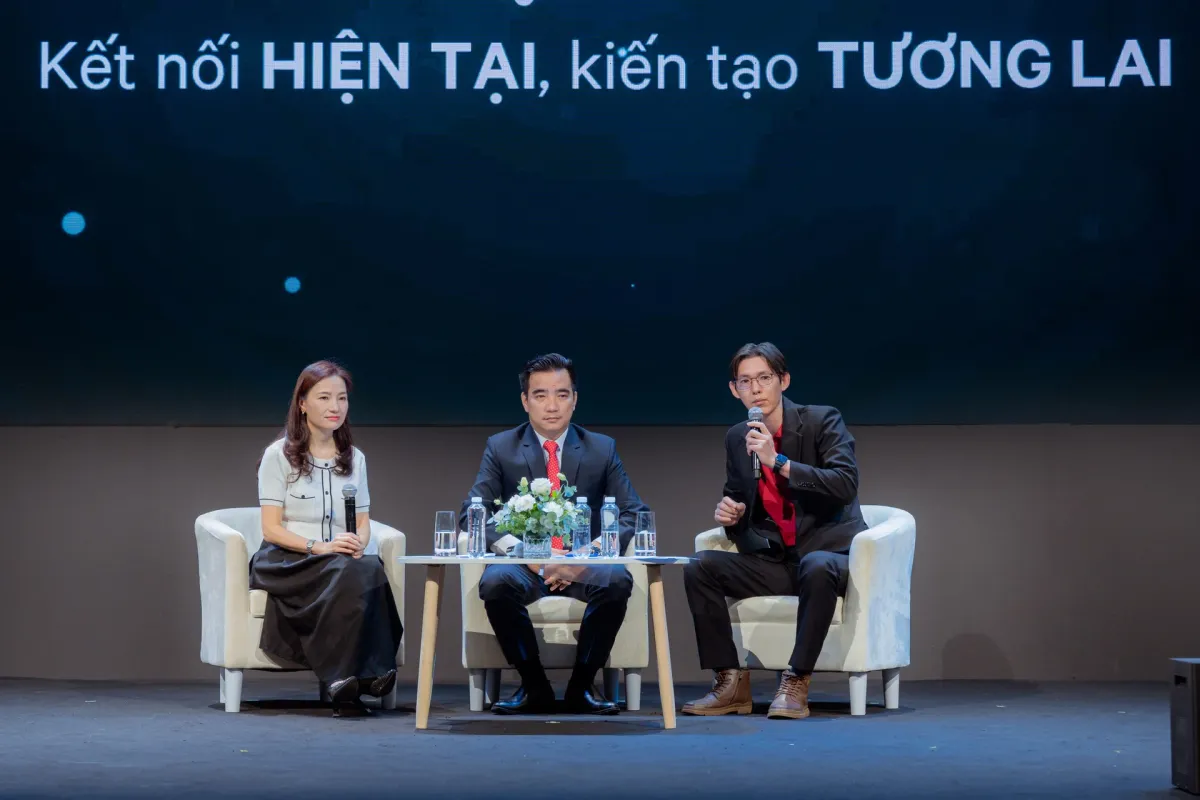
Experts say that, with the strong price increase in the center, capital and buyers are shifting to neighboring localities such as the old Binh Duong, Dong Nai and the old Long An .
At a recent residential real estate forum, CBRE Vietnam noted that Ho Chi Minh City will have nearly 12,000 housing units for sale in 2025, including 7,600 apartments and 4,400 townhouses. The apartment segment alone is expected to increase by 50% compared to 2024, but 90% of these will be in the high-end and luxury segments. This supply imbalance has led to an 18% increase in primary market prices in the fourth quarter, reaching approximately VND 90 million per square meter. Annually, apartment prices in the core area have increased by 21%, lower than the 23-25% increase in previous years, but still maintaining the upward trend that has persisted since 2014.
Amidst the sharp price increases in the city center, capital and buyers are shifting to neighboring localities such as the former Binh Duong, Dong Nai, and Long An provinces, where apartment prices are 46, 40, and 42 million VND per square meter, respectively. Notably, the former Long An province recorded a 45% increase in the fourth quarter, demonstrating the booming suburban market. According to Ms. Duong Thuy Dung, CEO of CBRE Vietnam, this shift is a market trend, driven by improved infrastructure and increasingly limited land in the city center.
Meanwhile, experts warn of the risk of a "bubble" if prices continue to be pushed too high. Mr. Vo Huynh Tuan Kiet of CBRE assesses that Vietnam differs from China in that the supply of housing has not kept pace with the rate of urbanization, causing demand to exceed supply. However, he also notes that the risk will increase if credit is suddenly tightened as in the 2007-2011 period. Although not yet reaching a negative scenario, the high-end market still faces the risk of localized saturation when values are pushed to unrealistic levels.
From the perspective of investors, Pham Trung Quan, Director of Product Research & Development at Nam Long Investment Corporation, shared that reducing house prices is almost "impossible" when input costs have increased sharply. The price of sand for leveling has risen from over 100,000 VND/m³ to 400,000-500,000 VND/m³, while compensation costs for land clearance continue to escalate. Therefore, instead of lowering prices, many businesses are shifting to improving product quality through ESG, LEED, or LOTUS standards to attract customers who increasingly favor green and sustainable living environments after the pandemic.
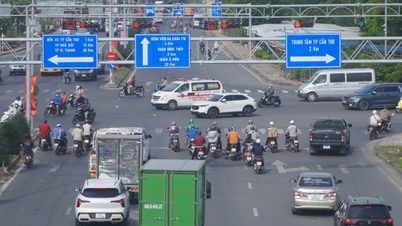
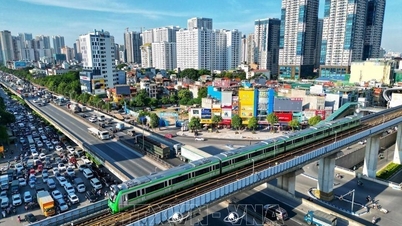
Dr. Dinh The Hien, an economic expert, also affirmed that the medium-term outlook for the market continues to be closely linked to the wave of infrastructure investment. 2026 marks the completion of a series of key projects: Ring Road 3 and Ring Road 4, the Ben Luc-Long Thanh expressway, the expansion of the Ho Chi Minh City - Trung Luong - My Thuan expressway to 8 lanes, and various inter-regional connecting national highways. These new transportation axes are reshaping the position of the western, eastern, and southern areas of Ho Chi Minh City, while laying the foundation for a multi-center development strategy for the entire region.
Satellite cities: a new investment trend.
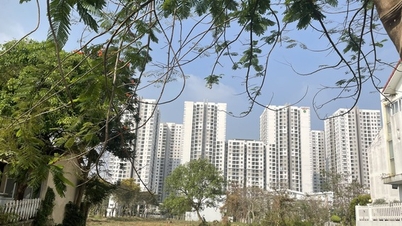
One of the most prominent manifestations of urban spatial restructuring is the rise of satellite cities. According to CBRE, the western area of Ho Chi Minh City leads in the supply of townhouses, villas, and detached houses with nearly 4,400 units launched in 2025, 33 times higher than the new supply in the city center. Approximately 80% of the low-rise housing supply in the South is concentrated in western satellite cities, notably the former Long An (Tay Ninh); this locality is strongly attracting investment capital thanks to its infrastructure advantages and large land reserves.
Mr. Le Hoang Chau, Chairman of the Ho Chi Minh City Real Estate Association, commented that house prices in the western area are "acceptable" compared to the eastern and southern areas, but the growth potential is superior due to the strategic infrastructure being developed and the healthy living environment. The clear price differentiation between the city center and the suburbs creates significant investment opportunities, especially with primary market price increases projected at 9-11% per year for apartments and 6-12% for townhouses and villas over the next three years.
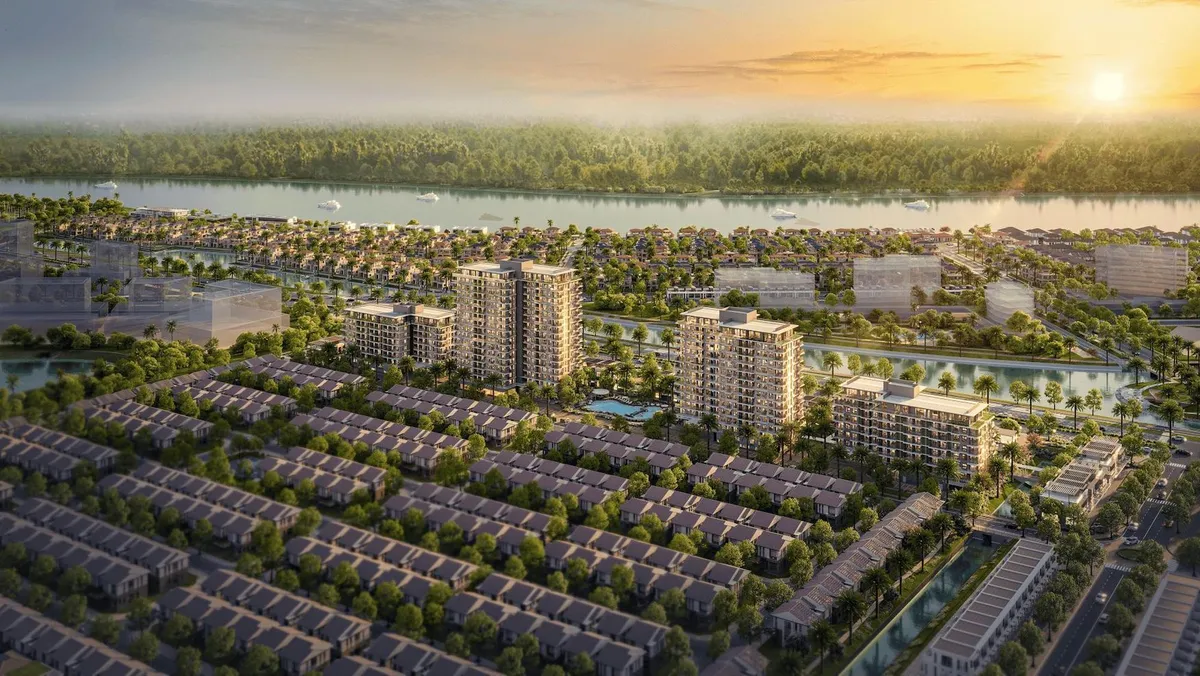
Tay Ninh is becoming a "bright spot" attracting investors in the context of increasing demand for urban space expansion.
Following its merger, Tay Ninh is shaping up to become a new industrial, service, and urban center for the region. The province is directly connected to Ho Chi Minh City via expressways and ring roads, and also links to the Southeast region and the Mekong Delta through economic corridors. With its open mechanisms and supportive government, Tay Ninh is becoming a "bright spot" attracting investors amidst the growing need for urban expansion.
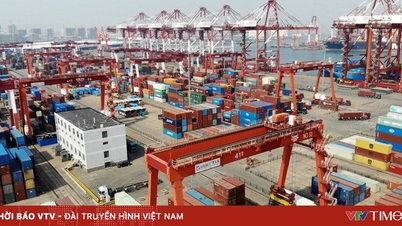
At the macro level, Dr. Huynh Thanh Dien, an economic expert, analyzes that after the administrative reorganization, the old central area of Ho Chi Minh City will strongly develop an industrial-urban-commercial-service model, while large-scale production will gradually shift to the old Binh Duong. The old Ba Ria - Vung Tau will become a logistics and seaport hub, based on the advantages of the Cai Mep - Thi Vai port. This clear division of roles creates a continuous economic and urban ecosystem, in which satellite cities become the "hinge" connecting and spreading development.
Notably, Can Gio, with its reclaimed land urban area, is considered a "green lung" and a crucial maritime trade gateway, promising to become a focal point for attracting international investment. With the implementation of a comprehensive infrastructure system, Ho Chi Minh City will not only expand its development potential but also elevate its position in the global supply chain, aligning with the trend of multinational corporations seeking new manufacturing and logistics centers in Southeast Asia.
All these developments confirm that satellite cities are not just a short-term real estate trend, but a long-term strategy to help Ho Chi Minh City alleviate population density, restructure its urban space, and build new competitive capabilities. The real estate market is entering a new growth cycle, where price differentiation and investment shifts will continue to occur strongly in 2026.
Source: https://vtv.vn/do-thi-ve-tinh-tp-ho-chi-minh-xu-huong-dau-tu-bat-dong-san-trong-2026-100251209155717417.htm


![[Photo] Prime Minister Pham Minh Chinh holds a phone call with the CEO of Russia's Rosatom Corporation.](/_next/image?url=https%3A%2F%2Fvphoto.vietnam.vn%2Fthumb%2F1200x675%2Fvietnam%2Fresource%2FIMAGE%2F2025%2F12%2F11%2F1765464552365_dsc-5295-jpg.webp&w=3840&q=75)


![[Photo] Closing Ceremony of the 10th Session of the 15th National Assembly](/_next/image?url=https%3A%2F%2Fvphoto.vietnam.vn%2Fthumb%2F1200x675%2Fvietnam%2Fresource%2FIMAGE%2F2025%2F12%2F11%2F1765448959967_image-1437-jpg.webp&w=3840&q=75)




































![[OFFICIAL] MISA GROUP ANNOUNCES ITS PIONEERING BRAND POSITIONING IN BUILDING AGENTIC AI FOR BUSINESSES, HOUSEHOLDS, AND THE GOVERNMENT](https://vphoto.vietnam.vn/thumb/402x226/vietnam/resource/IMAGE/2025/12/11/1765444754256_agentic-ai_postfb-scaled.png)










































Comment (0)