

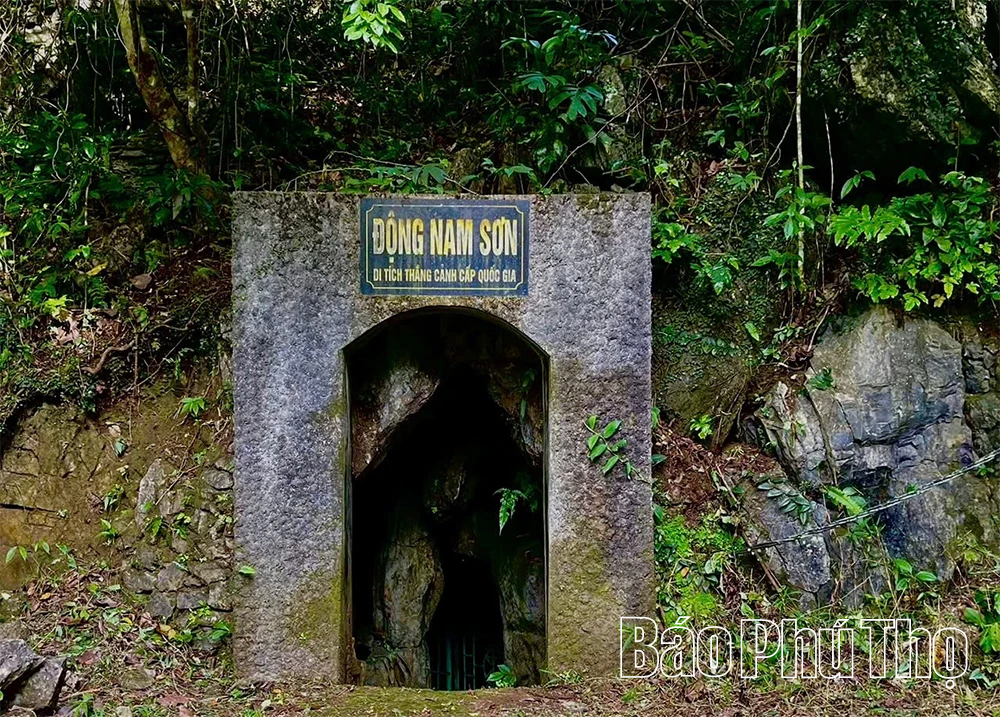
Entrance to Nam Son Cave
In mid-September, when the weather in the highlands was clear and cool, we began our journey to explore Nam Son Cave, or as the locals affectionately call it, Ton Cave. From the center of Van Son commune, a small concrete road winds like a soft silk ribbon, snaking across hillsides and ancient forests. After nearly 50 minutes of traveling by motorbike from the Lo Market intersection on National Highway 6, crossing mountains, we arrived at Ton hamlet, the starting point of our real trekking adventure.
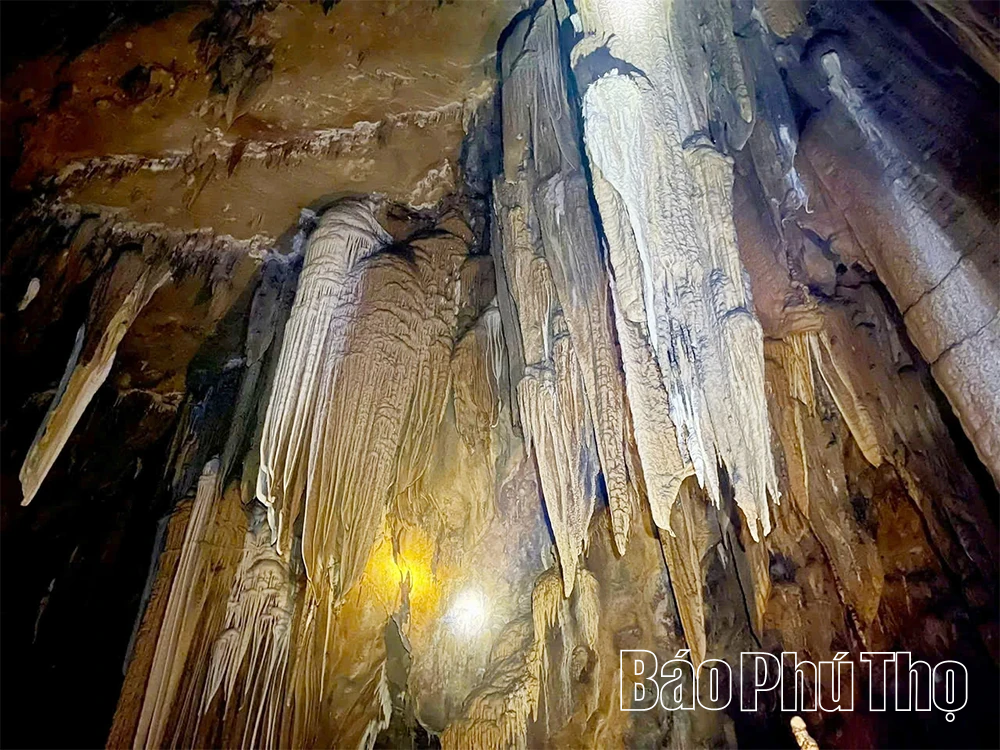
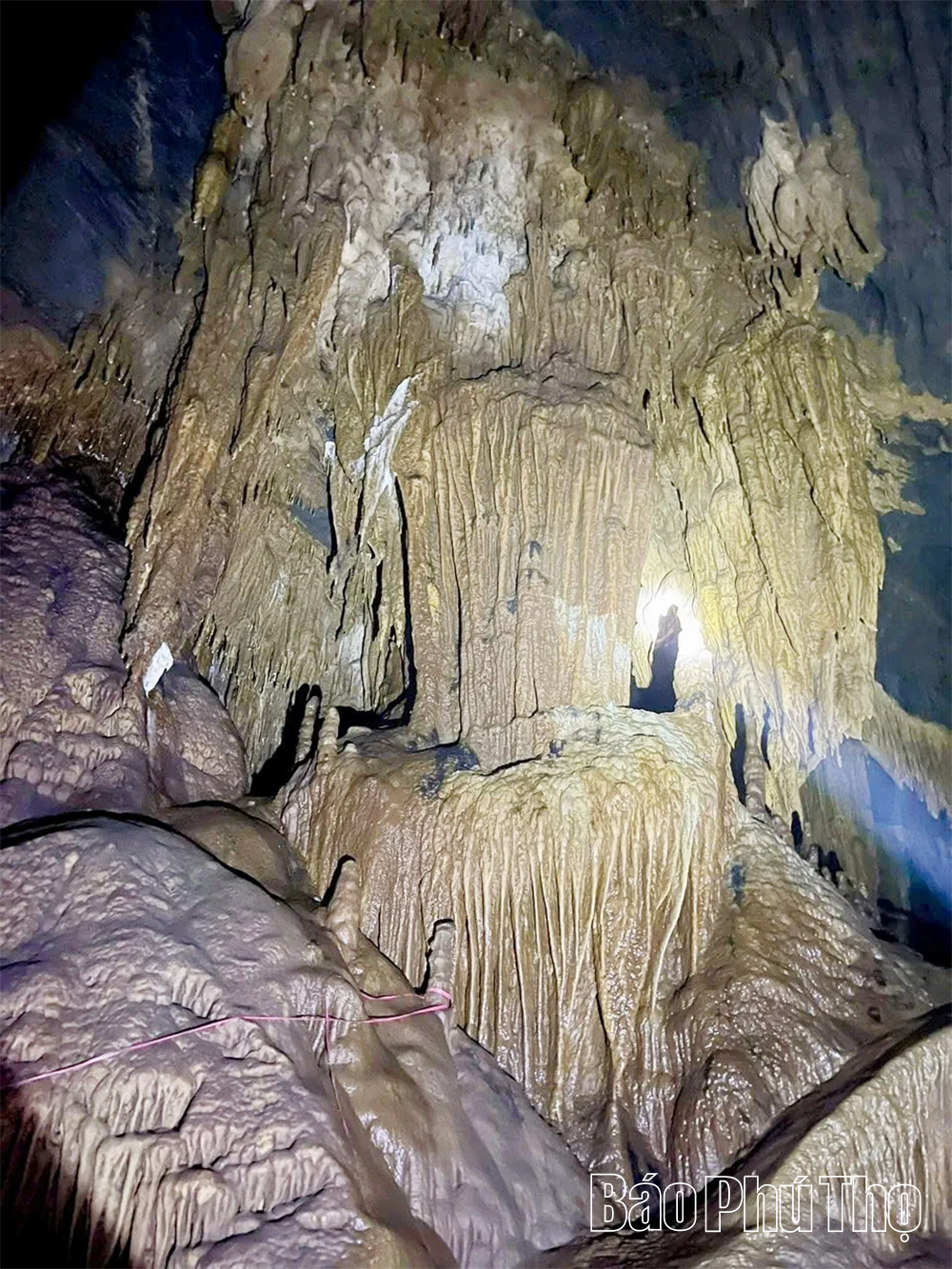
Stalactites and stalagmites form countless shapes inside the cave.
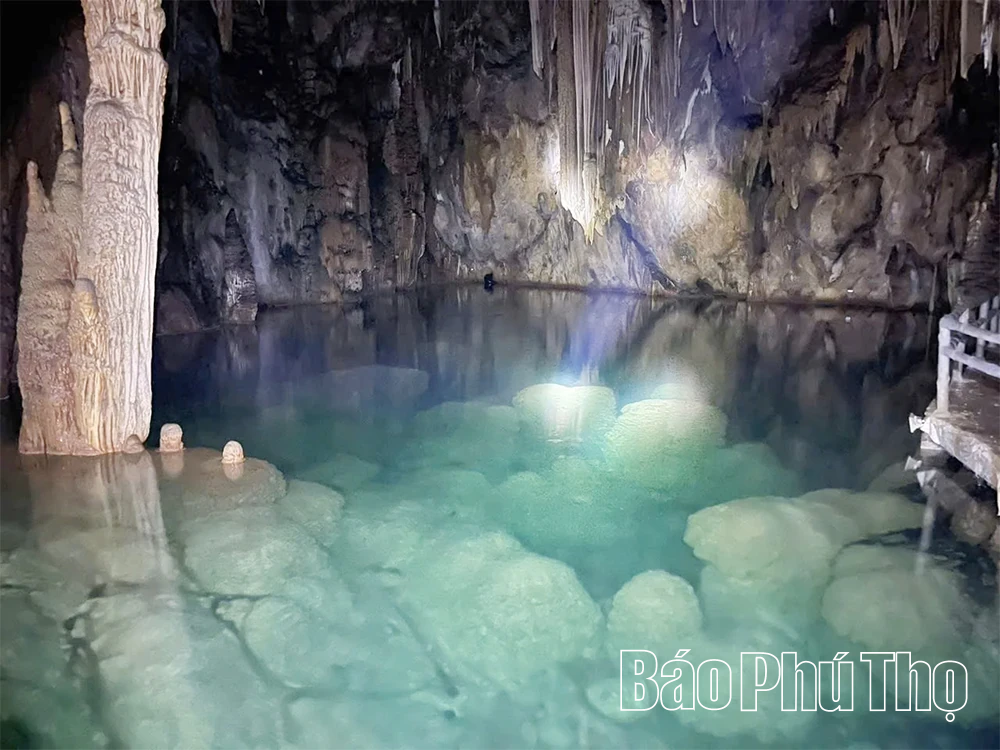
A small, crystal-clear lake inside the cave.
The nearly hour-long hike to the cave entrance was an unforgettable experience. The small trail wound through bamboo groves rustling in the wind, then clung precariously to the sharp, jagged slopes of the mountains. The chirping of birds, the distant murmur of streams, and the fragrance of mountain plants blended together, creating a captivating symphony of nature.
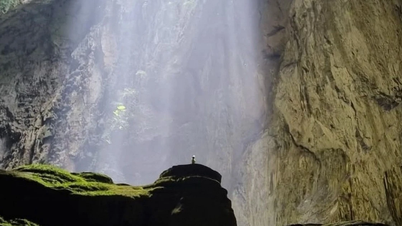
The difficulty and treacherousness of this path only added to the value and excitement of the upcoming exploration. The cave entrance appeared quite modest, only about 1 meter high and less than 90 cm wide, which surprised us. But as we squeezed through that narrow opening, a completely different world unfolded – a vast, expansive, and breathtakingly mystical space.
The cool air blew against our faces, carrying the fresh moisture of ice and water. The only sound we could hear was the gentle patter of water dripping from the cave ceiling, a melodious and regular sound like a soft, wordless melody in the stillness.
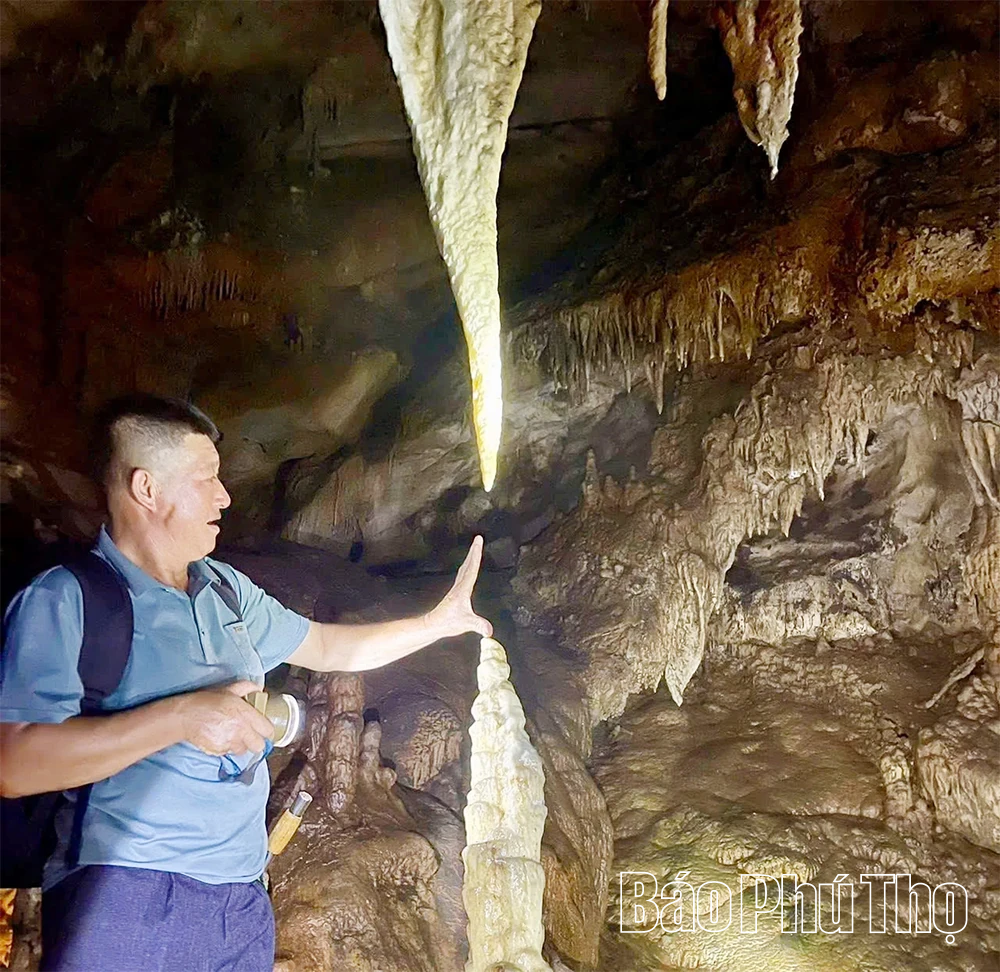
Tourists explore Nam Son Cave.
Nam Son Cave is approximately 455 meters long and is divided into three main chambers, each with its own unique beauty. Wherever the flashlight beam shines, a magnificent sculptural masterpiece of nature unfolds. Tens of thousands of stalactites, stalagmites, and rock formations of all shapes, sizes, and colors compete to show off their beauty.
Some places resemble a giant jade platform, where ancient immortals once rested. Others look like terraced rice fields clustered together, recreating a miniature Muong village. Our imaginations soared as we recognized a rock formation resembling a kneeling elephant, flocks of cranes with their legs tucked in dreamy postures, or a group of pure white swans preening their wings and bathing.
The most distinctive and unique feature, giving Nam Son Cave its unparalleled advantage over other caves in Vietnam, is the crystal-clear lake located deep inside. The lake's surface is calm and still like a mirror, its water so transparent that you can see all the way to the bottom. In the middle of the lake, a colossal, majestic rock column rises from the water, resembling an ancient tower guarding this sacred place. The existence of the lake not only creates a stunning landscape but also contributes to maintaining a rich and endemic ecosystem within the cave.
According to scientists , these fantastical stalactite formations were created through geological processes spanning approximately 250 million years. The cave is not only a natural heritage site but also a repository of many valuable artifacts of historical, cultural, and religious significance. Due to these outstanding values, Nam Son Cave was recognized as a National Scenic Monument in 2008.
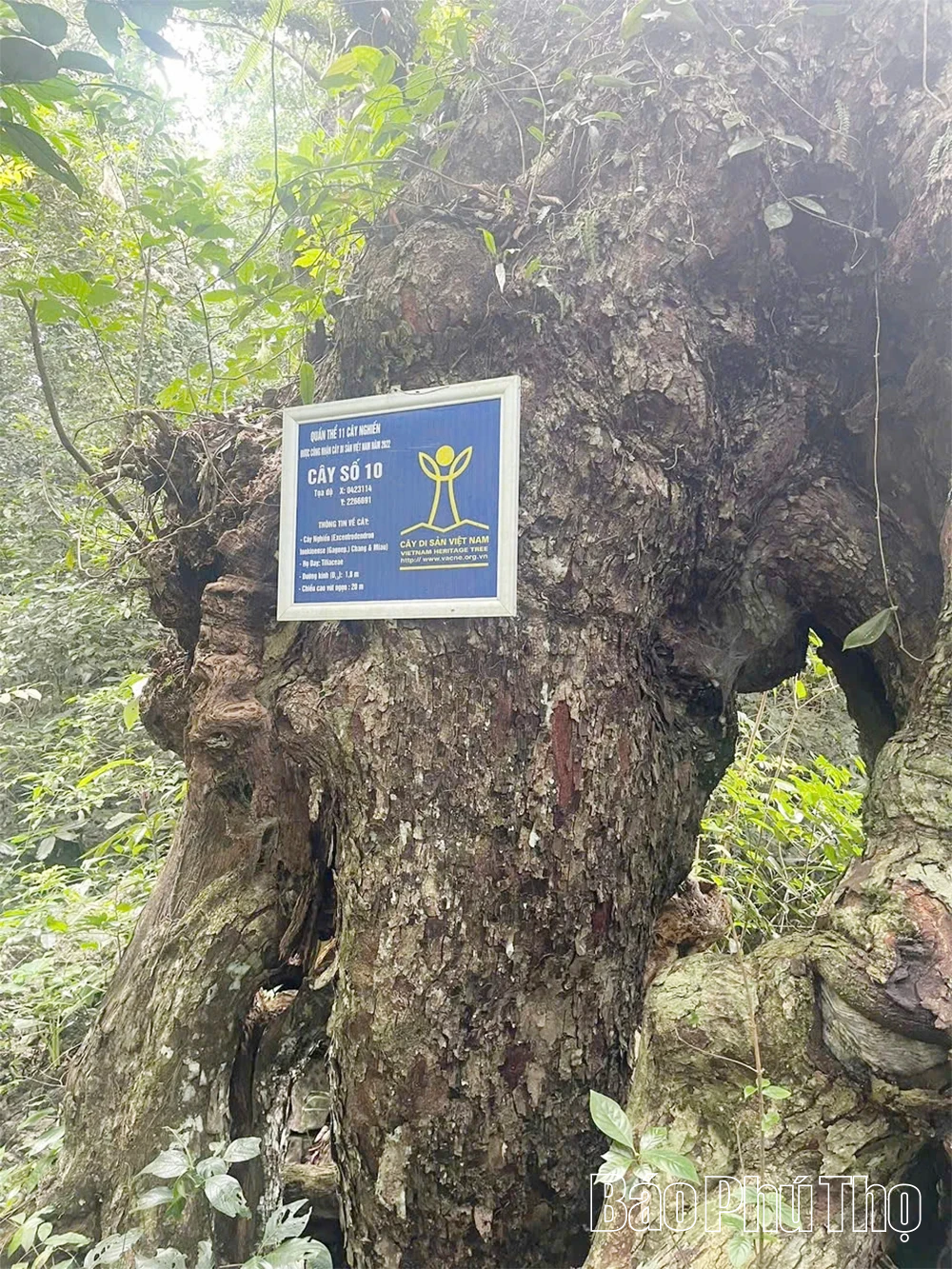
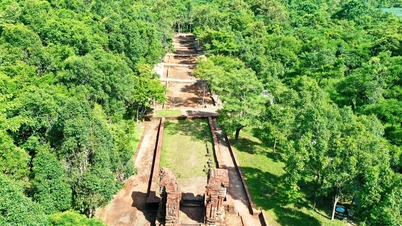
The journey to the cave allows you to discover and learn about rare plant species.
Nam Son Cave is beautiful and valuable, but this "sleeping princess" remains dormant. The biggest obstacle is the difficulty in accessing it.
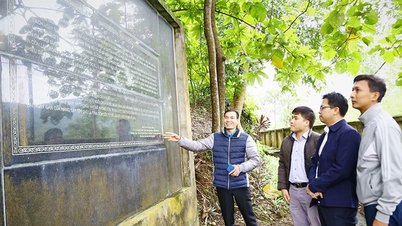
Nguyen Duy Tu, Secretary of the Party Committee of Van Son commune, shared that although many tourists, especially international visitors, have come to explore and leave a good impression, exploiting the tourism potential to increase income for the people remains a challenging problem.
Van Son commune is not just home to Ton Cave. This land also possesses a treasure trove of diverse tourism resources, a clean climate at an altitude of nearly 1,000m, a unique Muong cultural identity, 11 thousand-year-old heritage ironwood trees, scenic spots such as Trang Waterfall, Thung Waterfall, and especially the unique Lung Van Cattle Market.
The market is not only a place for buying and selling cattle, but also a space for exchanging and selling characteristic agricultural products of the highlands such as bamboo shoots, wild vegetables, Nam Son ancient tangerines, purple garlic, and various highland products such as mountain snails, small fish, dried rats... Nam Son Cave and the Van Son area are facing a great opportunity.
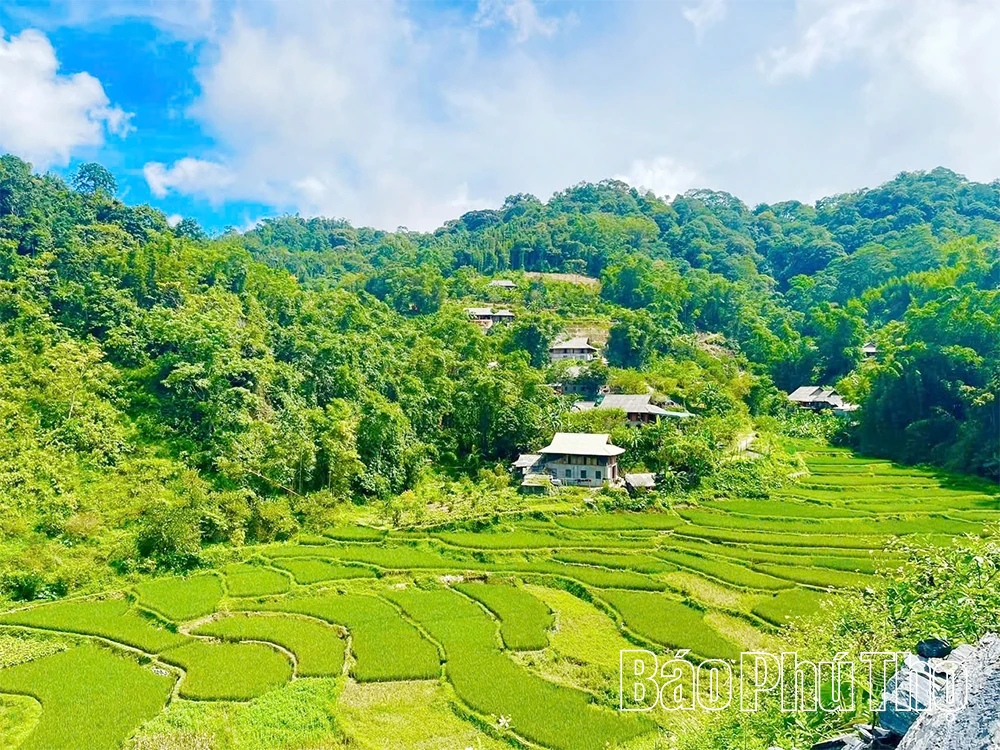
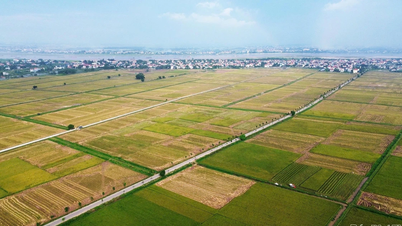
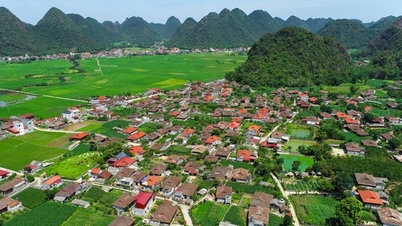
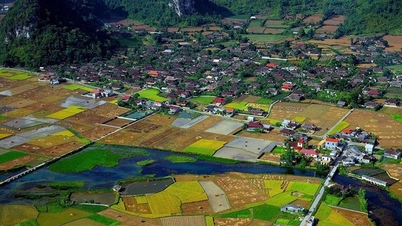
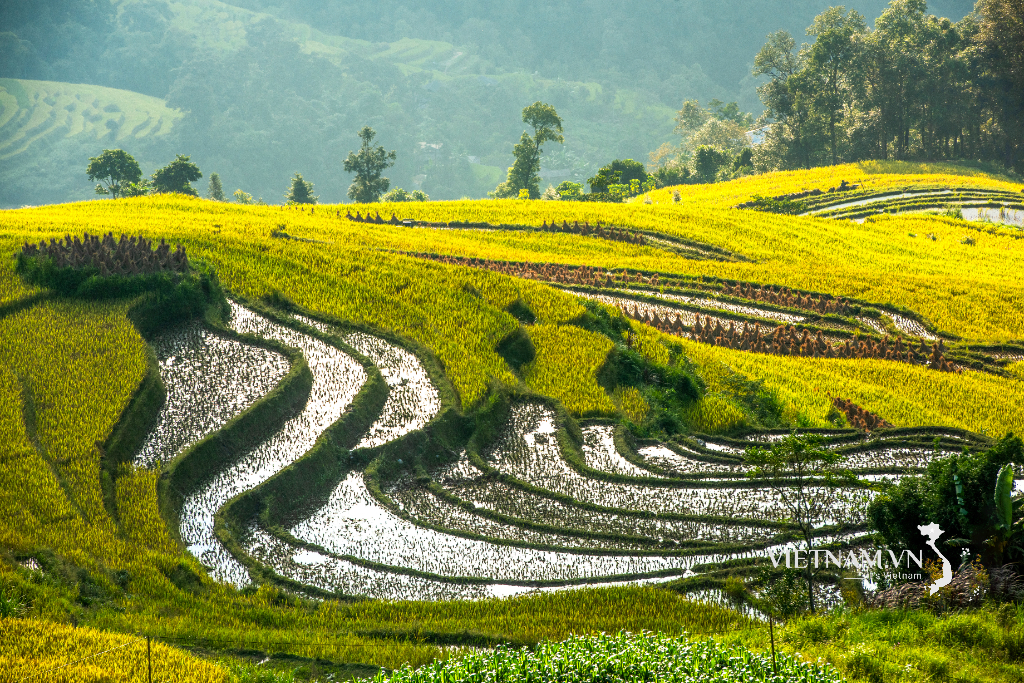
The peaceful scenery in the highlands of Van Son.
The local authorities are reviewing and developing a plan to exploit the potential for sustainable tourism development. Initially, they plan to invest in improving the trail leading to the cave, constructing sturdy stone steps on steep sections, and installing railings and handrails in dangerous areas. They also propose opening training courses to teach tour guiding skills, history, and geology to local residents.
In addition, we encourage and support eligible households to develop homestay accommodation models. This allows tourists not only to visit the caves but also to stay, eat, live, and learn about the lifestyle and culture of the Muong people.
Connecting tourist attractions to encourage longer stays can be achieved by developing cave exploration tours, such as a 2-day, 1-night trip that could include trekking to explore Nam Son Cave, visiting the Cattle Market, checking in at the "Raspberry Hill," learning about ancient ironwood trees, and spending the night at a Muong ethnic homestay.
Awakening the "sleeping princess in the forest" not only brings beauty to tourists but, more importantly, opens up a new path, helping the local people escape poverty and become wealthy on their own land.
Le Chung
Source: https://baophutho.vn/dong-ton-nam-son-nang-cong-chua-ngu-trong-rung-cua-vung-cao-van-son-239574.htm













































































Comment (0)