


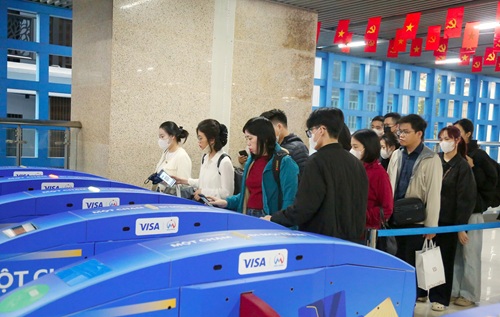
Bringing biometrics into Metro ticket control is a turning point in Hanoi 's digital traffic. Photo by Minh Hanh
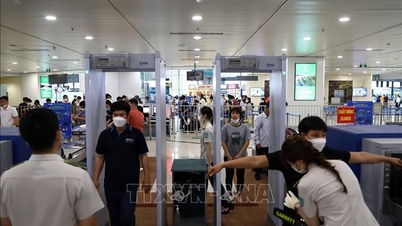
From today (December 5), the Cat Linh – Ha Dong urban railway line officially operates a new automatic ticket control system, allowing passengers to use electronic identification applications, biometric authentication and cashless payments. This is a step forward in the process of innovating urban transport operations based on data and people's experiences.
At the announcement ceremony of the results of Plan 428 of the Ministry of Public Security , Ministry of Construction and Hanoi People's Committee on the morning of December 5, Mr. Khuat Viet Hung - Chairman of the Board of Members of Hanoi Metro said that phase 1 after more than 4 months of implementation was completed on schedule, without causing disruption to passenger service activities.
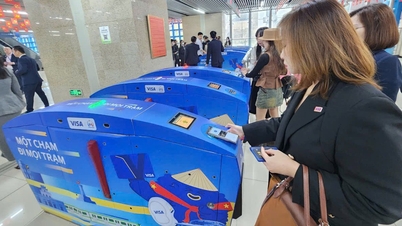
Hanoi implements Metro ticket control using citizen identification, AI and VNeID. Photo: Minh Hanh
All reader devices at 12 stations have been upgraded, compatible with chip-based ID cards, NFC cards, QR codes, bank cards, credit cards, etc., giving passengers more options to buy tickets, in line with the trend of cashless payments. The AI camera system allows facial matching with ID data, increasing security and accuracy in ticket control.
For passengers eligible for preferential treatment, identification can be done via citizen identification or the VNeID application. Once identification is completed, passengers will be automatically issued preferential tickets without having to carry any documents.

Cat Linh – Ha Dong line upgrades automatic ticket system: Uses face, uses VNeID, no card needed. Photo by Minh Hanh
According to Hanoi Metro , after more than 2 months of trial operation, the new system has received positive support from the people, especially young people and frequent train users. 395,000 tickets have been sold, serving more than 1 million passengers. Data on revenue, output and passenger structure are managed in real time, transparently and effectively serving State management.
From December 16–31, 2025, Hanoi Metro will connect to a shared database and install software on 30% of ticket gates on the Nhon – Hanoi Railway Station route; starting from January 1, 2026, passenger service will begin. By February 2026, the automatic ticket control system shared for the two routes will be completed and technical standards will be transferred to prepare for application to new metro routes.
In the coming time, Hanoi Metro commits to implementing Plan 428 on schedule, ensuring operational safety, system security and data security, while expanding the application of biometric identification and electronic payment to other types of public transport.
Speaking at the ceremony, Mr. Truong Viet Dung - Vice Chairman of Hanoi People's Committee - assessed that the integration of electronic identification, biometrics and open payment into actual operation is an important step forward for Vietnam's public transport system. According to Mr. Dung, passenger, operation and payment data integrated on a unified platform will create the premise for forming a "digital transport passport" for the capital's people, helping the city build a subsidy policy based on behavior, frequency and target groups instead of the current average mechanism.
Mr. Dung emphasized that the entire technology platform – from the central management software, biometric system to ticket gate control and Hanoi Metro application – were all developed by Vietnamese enterprises. This helps the city master the core infrastructure, control costs, customize according to practical requirements and ensure data security, while creating a market for domestic technology enterprises.
The Vice Chairman of the Hanoi People's Committee affirmed that the city will continue to accompany and remove difficulties for Hanoi Metro to complete its tasks, aiming at the goal of building a unified, intelligent and more convenient public transport system for the people.
MINH HANH


![[Photo] Cat Ba - Green island paradise](/_next/image?url=https%3A%2F%2Fvphoto.vietnam.vn%2Fthumb%2F1200x675%2Fvietnam%2Fresource%2FIMAGE%2F2025%2F12%2F04%2F1764821844074_ndo_br_1-dcbthienduongxanh638-jpg.webp&w=3840&q=75)















































































Comment (0)