

PV. VietNamNet had an interview with Associate Professor Dr. Vu Minh Khuong, Lecturer at the Lee Kuan Yew School of Public Policy (Singapore), about Vietnam's electricity market.
"Without a governance system, Vietnam cannot go far, no matter where A0 is moved to."
- Sir, the Government has requested the Ministry of Industry and Trade to transfer the National Power System Dispatch Center (A0) to the Ministry of Industry and Trade in August 2023 under the model of a Limited Liability Company. How do you assess this decision?
Associate Professor Vu Minh Khuong: This is a decision in the right direction, but it requires broad, synchronized, and fundamental reforms in energy sector governance to become a strategic boost.
A0, in its current organizational structure, could perform much better if it were more closely monitored and managed, with transparent information and a timely and accurate evaluation mechanism.
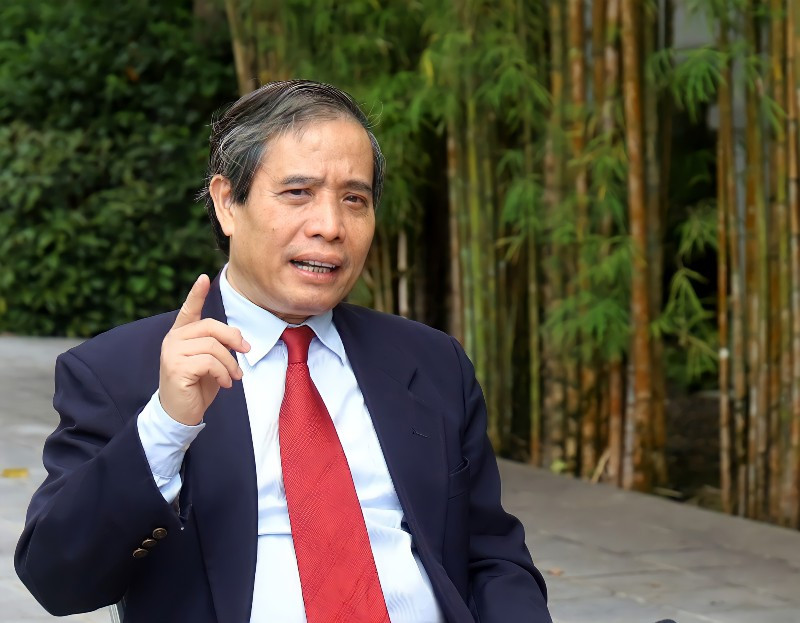
- The Ministry of Industry and Trade also had concerns about the policy mechanisms for A0 after it came under its management, such as salaries. In your opinion, what mechanisms would allow A0 to maintain its operations and effectively manage the power system and electricity market?
Salaries are a necessary, even crucial, factor, but they are not sufficient. They are only a small component of the management system in a vital sector like electricity and energy. Notably, the convergence in management and business between the energy and electricity sectors is becoming a dominant trend. Therefore, it demands significant changes in both mindset and organizational structure in the management and development of the energy and electricity sector.
In principle, for Vietnam's energy and electricity sector to develop to its full potential, the governance system must be fundamentally upgraded based on five foundational pillars.
That is, a coherent and insightful strategy with a forward-looking vision; an efficient organizational structure that allows for the full utilization of the collective strength and synergistic capabilities of the entire ecosystem; a sharp and optimal decision-making process with clear accountability from management bodies; high-quality human resources; and a fair compensation and reward system.
I sincerely hope for major reforms in industry governance based on the five pillars mentioned above, so that the decision to transfer A0 to the Ministry of Industry and Trade will yield the expected results.
- Will transferring A0 to the Ministry of Industry and Trade be a boost to promoting a competitive electricity market in Vietnam, especially the competitive retail electricity market expected to be operational after 2024?
Developing a competitive electricity market in both wholesale and retail is an essential step that needs to be implemented as soon as possible.
However, the current institutions, both organizational and legal, are not yet ready for major reform steps in this area.
Our approach to addressing these challenges still largely relies on removing bottlenecks and identifying obstacles, rather than building the institutional foundation for a world- class electricity sector by 2045, with the vision of Vietnam becoming a developed industrial nation.
Notably, by 2045, with an expected output of over 1 trillion kWh, Vietnam's electricity sector will be on par with G7 countries, including Japan and Germany.
Therefore, without a suitable governance system, Vietnam cannot go far regardless of where A0 is relocated.
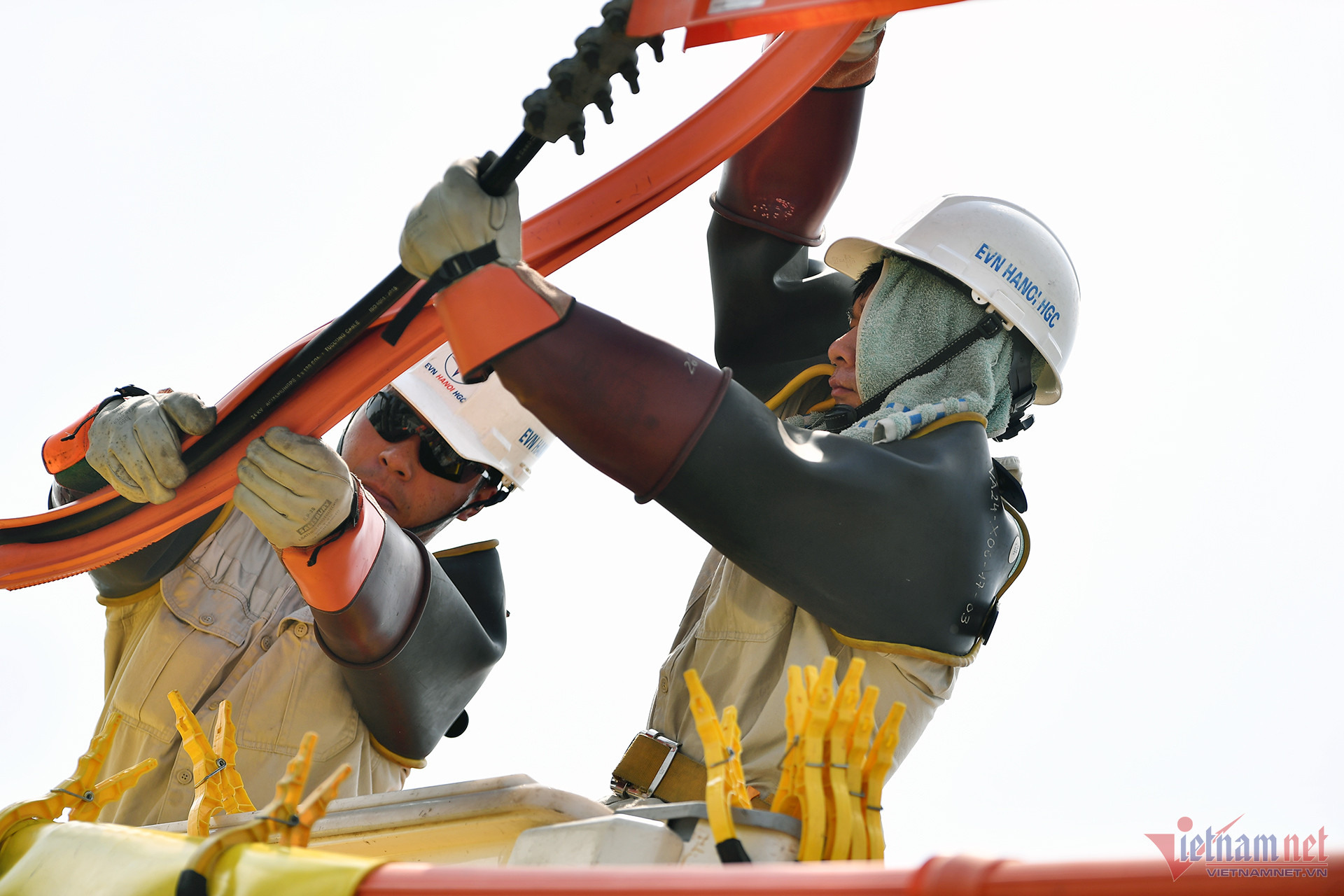
- So, given the current situation, is Vietnam on the right track to developing a competitive retail electricity market, where EVN no longer has a monopoly?
This is a very urgent, strategic, and practical issue. To address it, we can learn a great deal from countries that have gone before us, such as Singapore, South Korea, Japan, and Germany.
Currently, the Ministry of Industry and Trade has the Electricity Regulatory Authority and the Electricity and Renewable Energy Department, but their functions are fragmented and limited.
Therefore, the first step should be to (re)establish the National Energy Administration, with organizational and legal frameworks to best fulfill its assigned mission. With this step, salaries or staffing levels are only minor issues, similar to abolishing ration coupons in the early years of reform.
The organizational and operational experiences of Singapore's Energy Market Authority ( EMA ) and South Korea's Korea Energy Agency ( KEA ) are worth considering.
How to solve the problem of fluctuating electricity prices?
- The limitation of market-based electricity pricing is that it can be pushed up very high, exceeding the affordability of the people, especially those with low incomes. So how can this problem be solved?
According to Singapore's experience, even under a market-based pricing mechanism, electricity and fuel prices do not increase excessively and often decrease significantly. For example, in 2019-2021, electricity prices were 20% lower than they are now. Furthermore, in exceptional circumstances, the government can maintain stable prices for an additional 1-2 quarters, using the Price Stabilization Fund, to avoid unnecessary large fluctuations.
We have a significant advantage in hydropower and renewable energy resources, which can help avoid short-term global energy crises.
The government, especially local authorities, needs to maintain regularly updated lists of poor households with very low electricity consumption. A fund should be established to support these households, covering the difference of 50 kWh compared to the current price.
With strong reforms in the electricity sector, investment in this area will boom, potentially reaching $15-20 billion annually. Vietnam will rapidly strengthen both its capabilities and international image, making it much easier to attract FDI and domestic investment. At that point, financial assistance for poor households could be even more widespread and effective.
- Do you think the current electricity price is the bottleneck preventing Vietnam from attracting investment in new power sources?
Determining electricity prices based on market mechanisms, as in Singapore, is an urgent step. We have the advantage of abundant hydropower and renewable energy, which provides a good foundation for Vietnam's electricity prices to be highly competitive, potentially at 60% of Singapore's.
In my opinion, an abundant and reliable electricity supply with transparent pricing will be supported by the people and businesses. Low prices coupled with a dilapidated power system and a lack of transparency in management, as is currently the case, are not the choice that people and businesses desire.
From a global comparative perspective and considering Vietnam's aspiration to become a developed industrial nation by 2045, when the country celebrates its 100th anniversary of independence, comprehensive reform of Vietnam's electricity sector is a new 'campaign' that the entire nation will wholeheartedly support.
According to Dr. Vu Minh Khuong, the lessons and fundamental steps taken by Singapore are very practical for Vietnam.
First and foremost, it involves establishing the Energy Administration (EMA) with a perfect organizational and legal framework to fulfill its mission of ensuring an abundant and reliable energy supply (primarily electricity and gas).
Secondly, the EMA has three very clear functions: operating the power system, managing the energy and electricity sector, and developing the energy and electricity sector. In its function of operating the power grid, the EMA directly manages the power system dispatch center and is responsible for organizing a competitive electricity market in both wholesale and retail.
Thirdly, Singapore Power (SP) Group – a position almost equivalent to EVN in Vietnam – plays a very significant role in the development of the power system, especially in investing in and managing the grid system, providing services such as switching on and off, metering, and electricity bill collection. In particular, SP Group sells electricity at a regulated price if customers voluntarily choose it in the competitive retail market. This means that if customers do not choose other competing electricity suppliers, SP Group will take care of their electricity supply.
Competing suppliers often try to create attractive pricing and payment mechanisms to attract customers, but prices can fluctuate sharply according to market conditions because 95% of Singapore's electricity depends on imported liquefied natural gas (LNG).
Fourth, SP Group's electricity pricing mechanism is determined quarterly based on average market fluctuations in the previous quarter, with a transparent and rational structure. For example, the retail electricity price for the third quarter (July 1st - September 30th) of 2023, including VAT, is 27.74 cents/kWh (Singapore dollars, equivalent to VND 4,838) and consists of four publicly announced components. These are:
(i) Electricity purchase price from suppliers (determined based on average world fuel prices in the previous quarter): 21 cents/kWh;
(ii) Electricity transmission fee (6.25 cents/kWh);
(iii) Service fee for supporting the electricity market (meter reading, billing, data analysis and management): 0.43 cents/kWh;
(iv) Grid operating fee (paid for dispatching and pricing services): 0.06 cents/kWh.
(Source: https://www.spgroup.com.sg/sp-services/understanding-the-tariff)
With such a clear structure, all businesses, including SMEs, can apply for licenses to participate in the retail electricity market in diverse and creative ways.
A particularly significant benefit of implementing market-based pricing is that people and businesses gain a better understanding of market fluctuations and become more aware of electricity conservation. It also helps avoid investment in energy-intensive industries, increasing the sustainability of the growth model.
Thank you for the conversation!
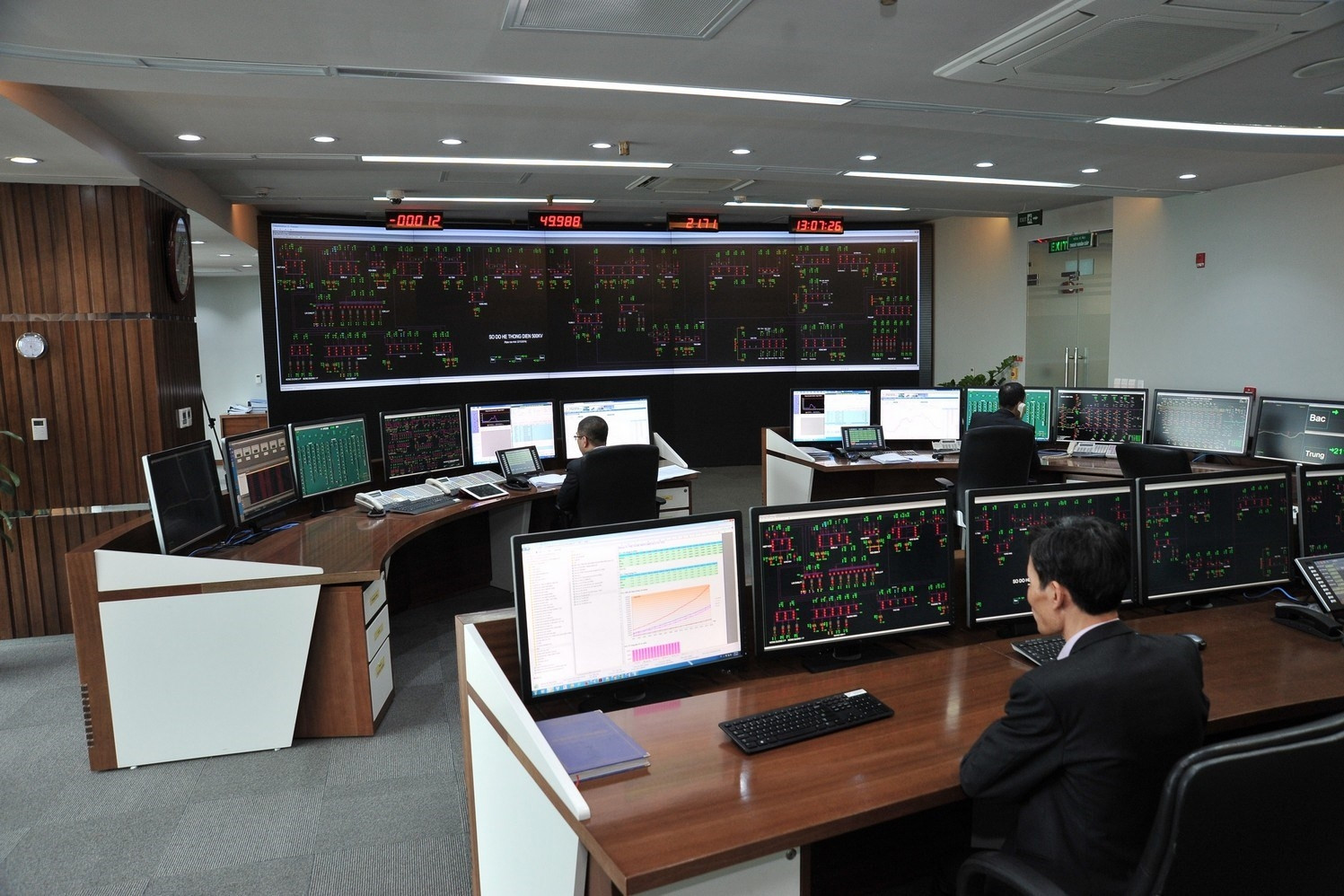
Source
![[Photo] Explore the US Navy's USS Robert Smalls warship](/_next/image?url=https%3A%2F%2Fvphoto.vietnam.vn%2Fthumb%2F1200x675%2Fvietnam%2Fresource%2FIMAGE%2F2025%2F12%2F10%2F1765341533272_11212121-8303-jpg.webp&w=3840&q=75)
















































































Comment (0)