

Making a significant contribution to the Capital's GRDP.
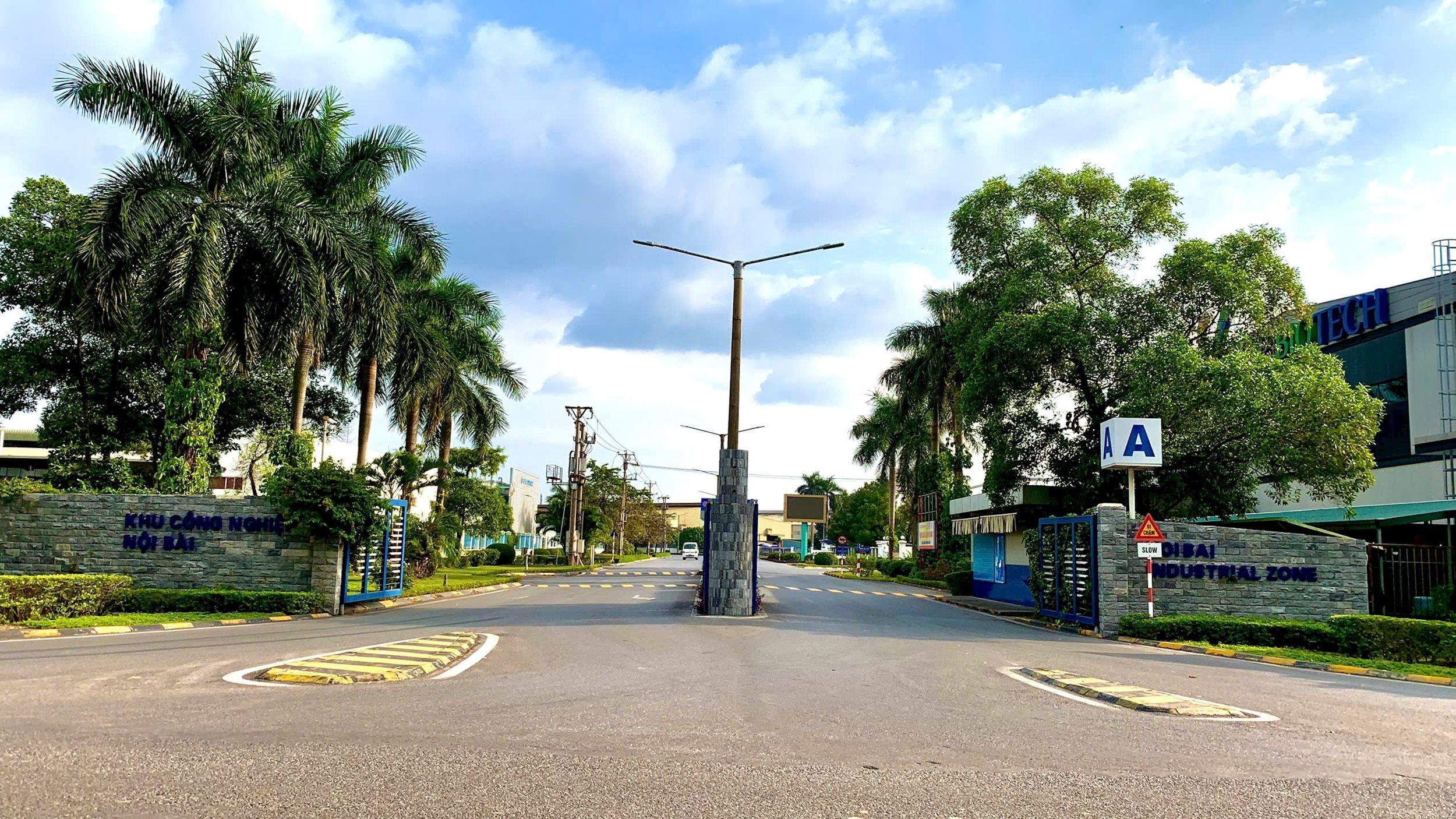
According to the Hanoi City High-Tech and Industrial Park Management Board, the city currently has 8 operating industrial parks with a total land area of approximately 1,348 hectares, including: Thang Long Industrial Park (274ha); Noi Bai Industrial Park (114ha); Nam Thang Long Industrial Park (31.5ha); Quang Minh I Industrial Park (407ha); Thach That - Quoc Oai Industrial Park (155ha); Phu Nghia Industrial Park (170ha), Sai Dong B Industrial Park (40ha), and the Southern Hanoi Supporting Industrial Park Phase 1 (76.92ha).
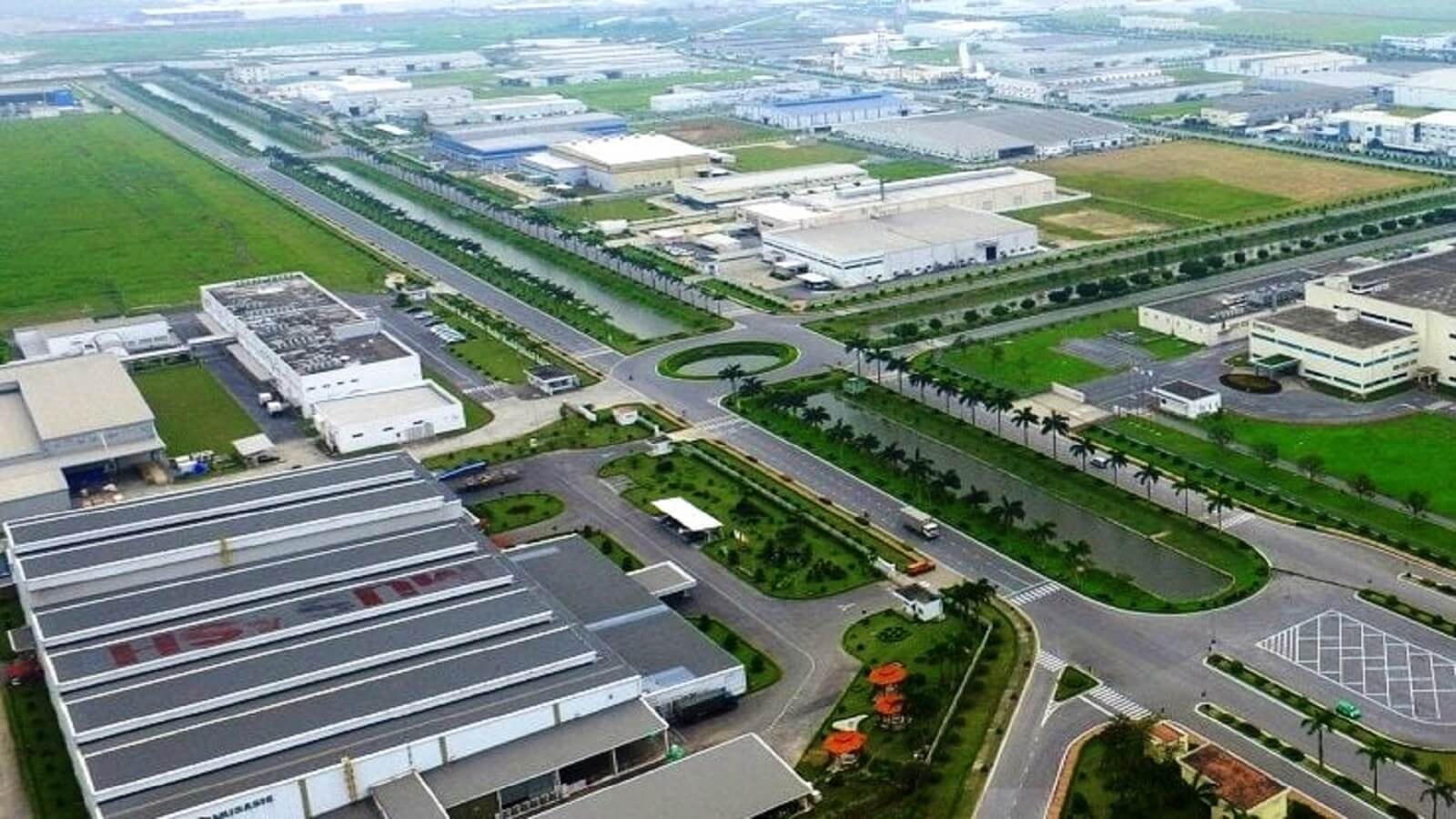
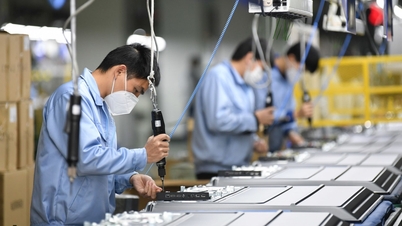
The occupancy rate of industrial parks reached nearly 100%, with projects from 27 countries and territories.
As of October 2025, the industrial parks will house 897 businesses engaged in manufacturing, trading, and related services; and will have attracted 736 investment projects (including 315 FDI projects) with a total registered capital of approximately US$9.4 billion.
In 2024, revenue from Hoa Lac High-Tech Park and other industrial parks reached US$10.595 billion, contributing approximately 18% to Hanoi's total GRDP (US$59 billion). In 2025, revenue is projected to reach approximately US$12.5 billion, contributing approximately 19.69% to Hanoi's total GRDP (estimated US$63.5 billion).
Currently, the Board is developing infrastructure for 6 industrial parks. Of these, the Soc Son Clean Industrial Park (302.2 ha) has had its 1/2000 scale planning approved. The Dong Anh Industrial Park (300 ha), Phu Ha Industrial Park (174.8 ha), and Bac Thuong Tin Industrial Park (75.6 ha) have had their 1/2000 scale zoning plans approved; the zoning plans are expected to be approved in December 2025. This provides the basis for the next steps in land clearance and infrastructure construction.
Regarding Quang Minh II Industrial Park (160 ha), the Board is proposing that the Department of Planning and Architecture report to the City People's Committee on assigning the task of organizing the preparation of the 1/2000 scale zoning plan.
Regarding the South Hanoi Supporting Industrial Park, Phase II (363 hectares), the Board will initially focus on completing and approving the 1/2000 scale zoning plan, to be completed in December 2025. Following this, they will advise and report to the Hanoi People's Committee on the investment policy for the project and the selection of investors.
Many shortcomings hinder development.
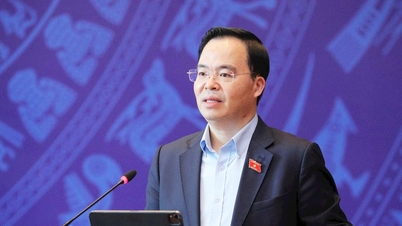
Sharing the difficulties and obstacles, Mr. Vu Xuan Hung, Head of the Management Board of High-Tech Zones and Industrial Parks of Hanoi City, said that many operating industrial parks still face the problem of inconsistent technical infrastructure both inside and outside the park boundaries. The social welfare system for workers, such as housing, cultural facilities, recreational areas, schools, and medical stations, is still lacking, resulting in a low quality of life and directly affecting productivity and the ability to retain workers.
The linkages between businesses within industrial parks and between industrial parks themselves are weak, and sufficiently strong production and supply chains have not yet been formed to participate in global value chains. Many businesses face difficulties in recruitment, especially for highly skilled workers. Some industrial parks upgraded from old industrial clusters still have inadequate wastewater, air pollution, and waste treatment, causing negative impacts on the environment.
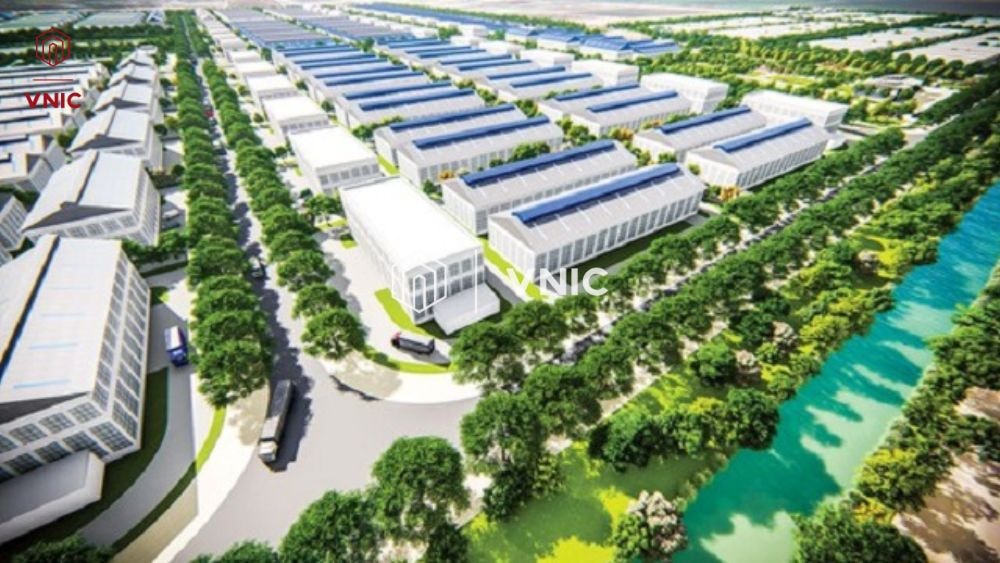
In newly established industrial parks, infrastructure construction progress is slow, and land clearance faces many obstacles. Higher land lease prices compared to neighboring provinces also reduce competitiveness. Attracting large, high-tech projects remains limited; the localization rate is low, heavily reliant on imported raw materials, and has not yet created a ripple effect for domestic production.
Mr. Vu Xuan Hung believes the cause stems from inadequacies in the mechanisms and policies for industrial park development. "Despite many positive changes, current policies have not kept pace with reality and the demands of new economic development," he said.
Furthermore, many industrial parks are formed by merging or upgrading old industrial clusters, leading to flooding, congestion, and hindering production activities. Slow land clearance progress causes delays in infrastructure projects within industrial parks. Some infrastructure investors fail to meet the requirements in terms of financial and management capacity, further slowing down progress and reducing the quality of industrial park development.
Proposing a series of mechanisms to increase the attractiveness of industrial parks.
The Hanoi High-Tech and Industrial Park Management Board aims to establish 3-4 new industrial parks and commence infrastructure construction in 5 existing parks during the 2026-2030 period to attract secondary investment projects. Each year, these industrial parks strive to attract $500-700 million in investment capital, with revenue, import/export activities, and budget contributions increasing by at least 10%. Simultaneously, 100% of industrial parks will be equipped with centralized wastewater treatment systems meeting environmental standards.
To achieve this goal, the Committee identified a key set of solutions including effectively implementing Resolution 57-NQ/TW and flexibly applying the 2024 Law on the Capital City to build a special mechanism to attract talent, experts, and businesses in high-tech, semiconductor, AI, digital, and green technology fields. Simultaneously, it will promote research, transfer, and application of new technologies to strengthen the foundation for innovation.
Administrative reform is considered a breakthrough, with the restructuring and digitization of investment procedures, the implementation of "green lanes" and "green channels" mechanisms for projects in high-tech zones, and the application of post-audits to save time and costs for businesses. Along with this, it is necessary to develop superior incentive packages regarding taxes, land, credit, and access to infrastructure to attract large technology corporations to invest in new industrial parks.
Regarding human resources, the Committee proposed a special incentive mechanism for high-tech workers, including tax incentives, housing support, transportation, and other benefits; creating an internationally competitive research and working environment; and strengthening linkages between businesses, universities, and research institutes to train human resources according to practical needs, especially in priority technology sectors.
“We earnestly hope that the Hanoi Party Committee and People's Committee will continue to direct the removal of obstacles and accelerate the establishment and development of industrial parks in accordance with the Capital City Planning, creating clean land and a favorable investment environment to attract high-tech projects. This will be an important driving force contributing to the realization of Hanoi's double-digit growth target in the coming years,” said Mr. Vu Xuan Hung, Head of the Management Board of High-Tech Parks and Industrial Parks of Hanoi City.
From a policy perspective, regarding land mechanisms and infrastructure investment, the Committee recommends that the Ministry of Finance promptly advise the Government to submit to the National Assembly a Law on Industrial Zones and Economic Zones to create a stable legal foundation for the development of industrial zones and economic zones.
At the same time, the Committee recommended amending and supplementing the 2024 Land Law to be more flexible in land allocation, shorten the time for planning adjustments, strongly decentralize power to localities, allow the application of negotiation mechanisms, and clearly define the deadline for land clearance. The Committee also proposed exempting or reducing land use fees and land lease fees for commercial, service, social infrastructure, and housing projects for workers in industrial parks.
Regarding social infrastructure and housing for workers, the Committee recommends that the Ministry of Construction provide detailed guidance or supplement regulations in the Decree guiding the Housing Law, clarifying investment mechanisms, preferential policies, and incentives to encourage businesses to invest in building housing and accommodation for workers in industrial zones. The Committee believes that attractive policies are needed to encourage businesses to boldly invest in housing in industrial zones, contributing to the stability of the workforce.
Regarding infrastructure investment capital, the Committee recommends that the Ministry of Finance and other ministries and agencies develop guidelines on mechanisms for mobilizing investment capital for industrial park infrastructure (including public-private partnerships - PPP), while also shortening the procedures for appraisal and approval of investment policies and project adjustments. In addition, incentives should be added for clean industrial parks and supporting industrial parks linked to the transformation towards an ecological industrial park model.
According to the Capital City Planning for the period 2021-2030, with a vision to 2050, and the revised master plan for Hanoi until 2045, with a vision to 2065, there are 8 high-tech zones and 23 industrial parks in Hanoi.
The 8 high-tech zones include: Hoa Lac High-Tech Zone, Hanoi Biotechnology High-Tech Zone; Hanoi Information Technology Park, Hanoi Software Technology Park; and 4 high-tech agricultural zones.
There are 23 industrial parks, including: 8 currently operating, 4 established, 6 under planning, and 5 newly planned.
Source: https://daibieunhandan.vn/ha-noi-tang-toc-mo-them-khu-cong-nghiep-de-xuat-loat-chinh-sach-tang-suc-hut-dau-tu-10400462.html












































































Comment (0)