ISS operates at full capacity for the first time in history
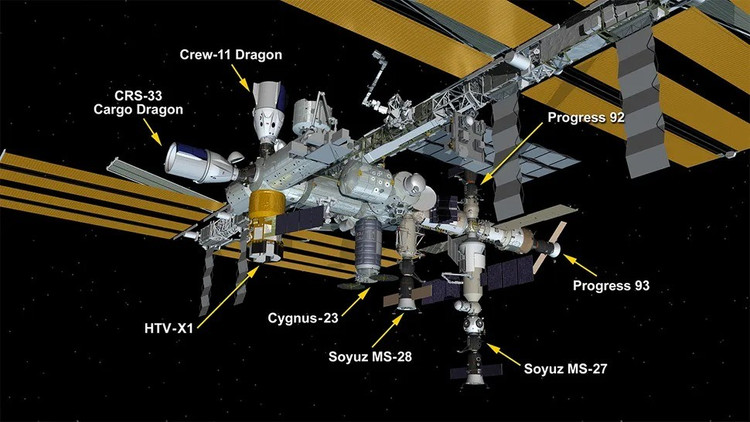
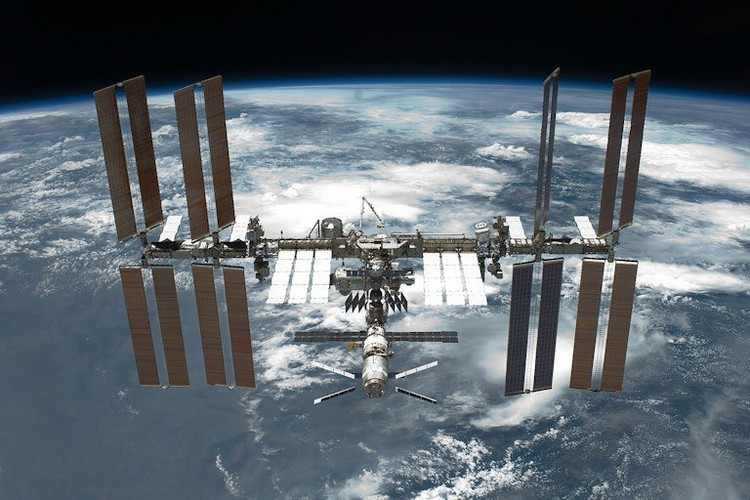
All eight docking ports of the International Space Station have been used, marking a major turning point in ISS operations.
Báo Khoa học và Đời sống•05/12/2025
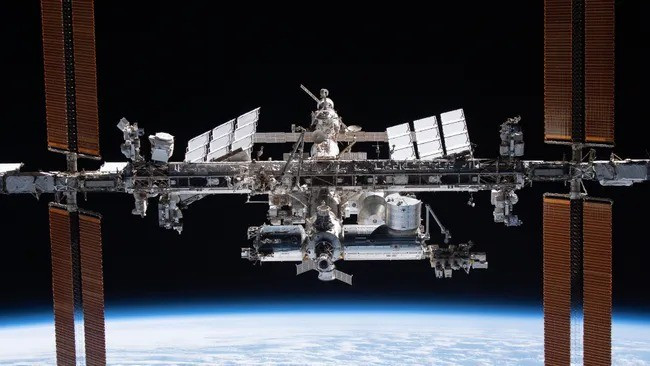
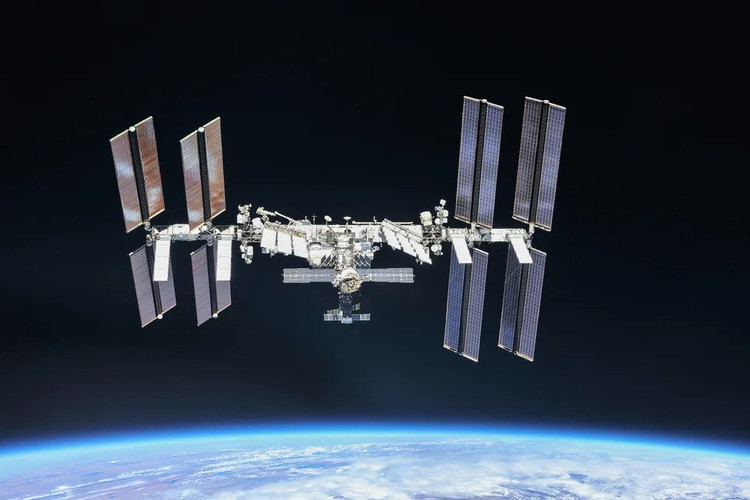
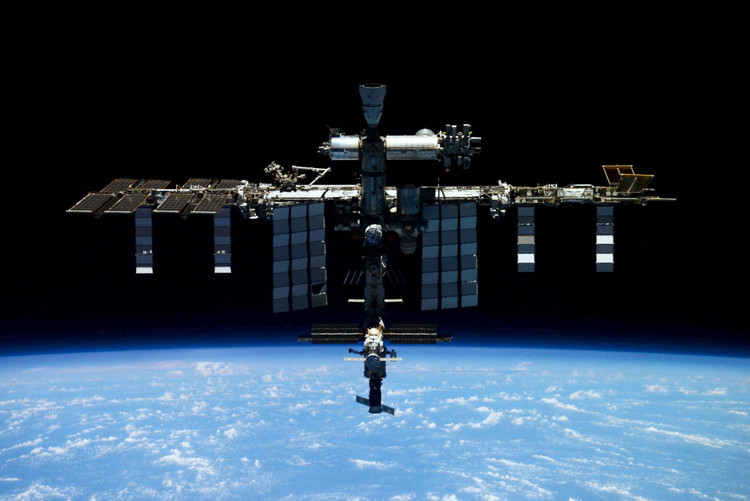
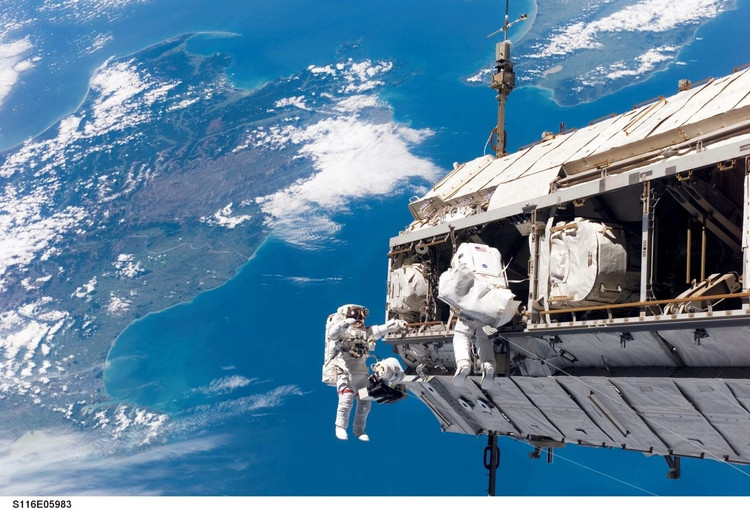
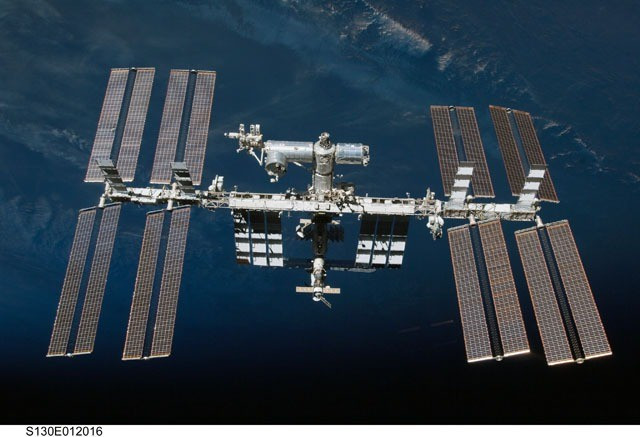
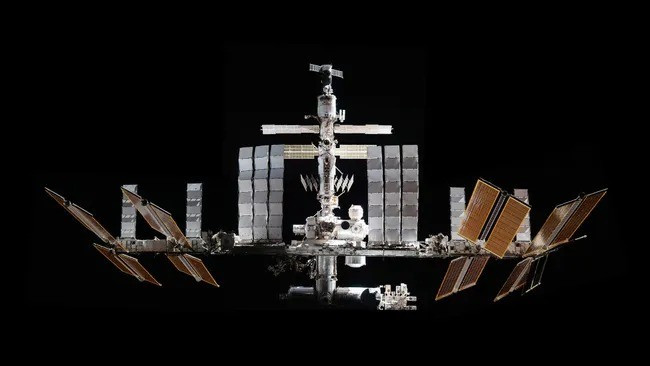
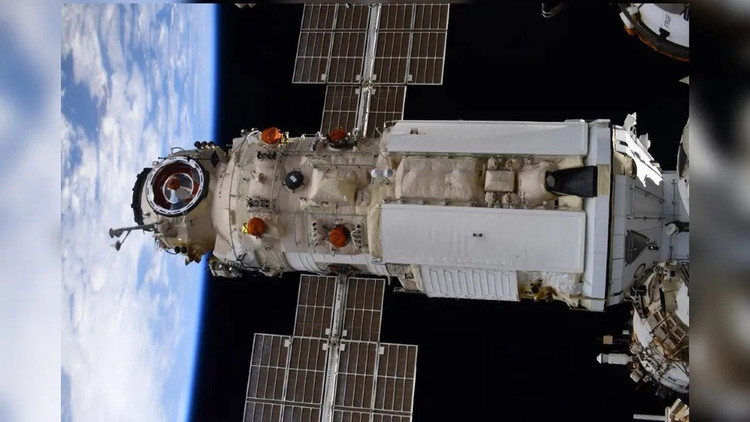
In a December 1 announcement, NASA officials said all eight docking ports of the International Space Station (ISS) were in use. This is the first time in history that the ISS has operated at full capacity. Photo: NASA. The newest spacecraft operating on the ISS is Russia's Soyuz MS-28. This spacecraft carrying three astronauts Sergey Kud-Sverchkov, Sergei Mikaev (Russian space agency Roscosmos) and Chris Williams (NASA) docked with the ISS on November 28. Photo: NASA.
Before the Soyuz MS-28 spacecraft arrived, mission control at NASA's Johnson Space Center used the Canadarm2 robotic arm (Canada) to move the Northrop Grumman Cygnus-23 cargo spacecraft, creating the necessary space. Cygnus-23 was then placed back at the Earth-facing port of the Unity module (USA). Photo: NASA. The Soyuz MS-28 crew is expected to stay on the ISS for about eight months. The Russian space agency Roscosmos confirmed that the launch of the Soyuz MS-28 spacecraft was successful but damaged the launch pad at the Baikonur Cosmodrome (Kazakhstan). Photo: pbs.org. The maintenance capsule, or service platform – located in the Area 31/6 fire escape trench and essential for launch preparations – is believed to have collapsed. This is currently Russia's only operational launch complex for flights carrying cosmonauts to the space station. Photo: popsci.com.
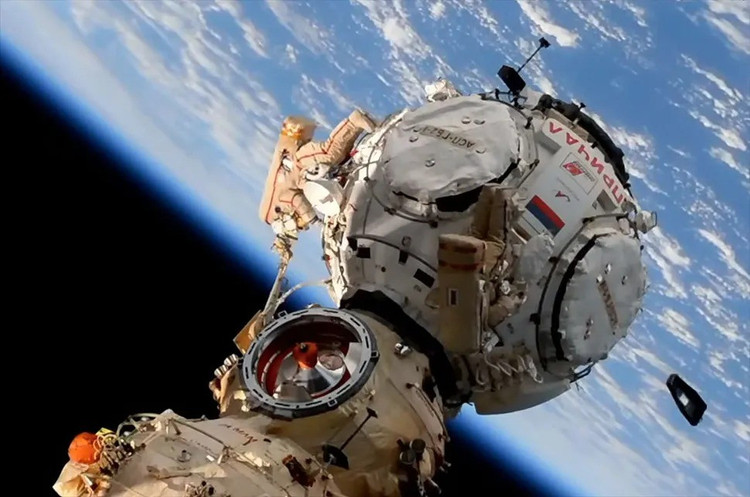
In addition to the Soyuz MS-28 spacecraft, the ISS is also paired with another spacecraft of the same type, Soyuz MS-27, docked at the Prichal module (Russia). However, its time in orbit is coming to an end. Photo: NASA. On December 8, Soyuz MS-27 is scheduled to leave the ISS with astronauts Jonny Kim (NASA), Sergey Ryzhikov and Alexey Zubritsky (Roscosmos) to land in Kazakhstan. Photo: NASA Johnson. The five remaining spacecraft on the ISS include: the Russian Progress-92 and Progress-93 cargo ships, docked at the Poisk and Zvezda modules (Russia) respectively; the Japanese HTV-X1 cargo ship, docked at the bottom port of the Harmony module (USA); and two Dragon ships of the American company SpaceX, docked at two different ports. Photo: NASA TV.
Specifically, the CRS-33 cargo ship is located on the forward port and the Crew-11 human ship is located on the space-facing port. The Harmony module actually has six ports, but three are used to pair with the Destiny, Columbus, and Kibo modules. Photo: NASA. The Crew-11 crew includes astronauts Zena Cardman, Michael Fincke (NASA), Kimiya Yui (Japan Aerospace Exploration Agency JAXA) and Oleg Platonov (Roscosmos). The astronauts are expected to return to Earth in 2026. Photo: NASA.
Readers are invited to watch the video : Universe map with more than 900,000 stars, galaxies and black holes. Source: THĐT1.

 Báo Khoa học và Đời sống•05/12/2025

















![[Photo] Cat Ba - Green island paradise](/_next/image?url=https%3A%2F%2Fvphoto.vietnam.vn%2Fthumb%2F1200x675%2Fvietnam%2Fresource%2FIMAGE%2F2025%2F12%2F04%2F1764821844074_ndo_br_1-dcbthienduongxanh638-jpg.webp&w=3840&q=75)





































































Comment (0)