

Dubbed a European architectural marvel, the Wieliczka salt mine has a long history of commercial development and is a fascinating destination attracting tourists from all over the world.
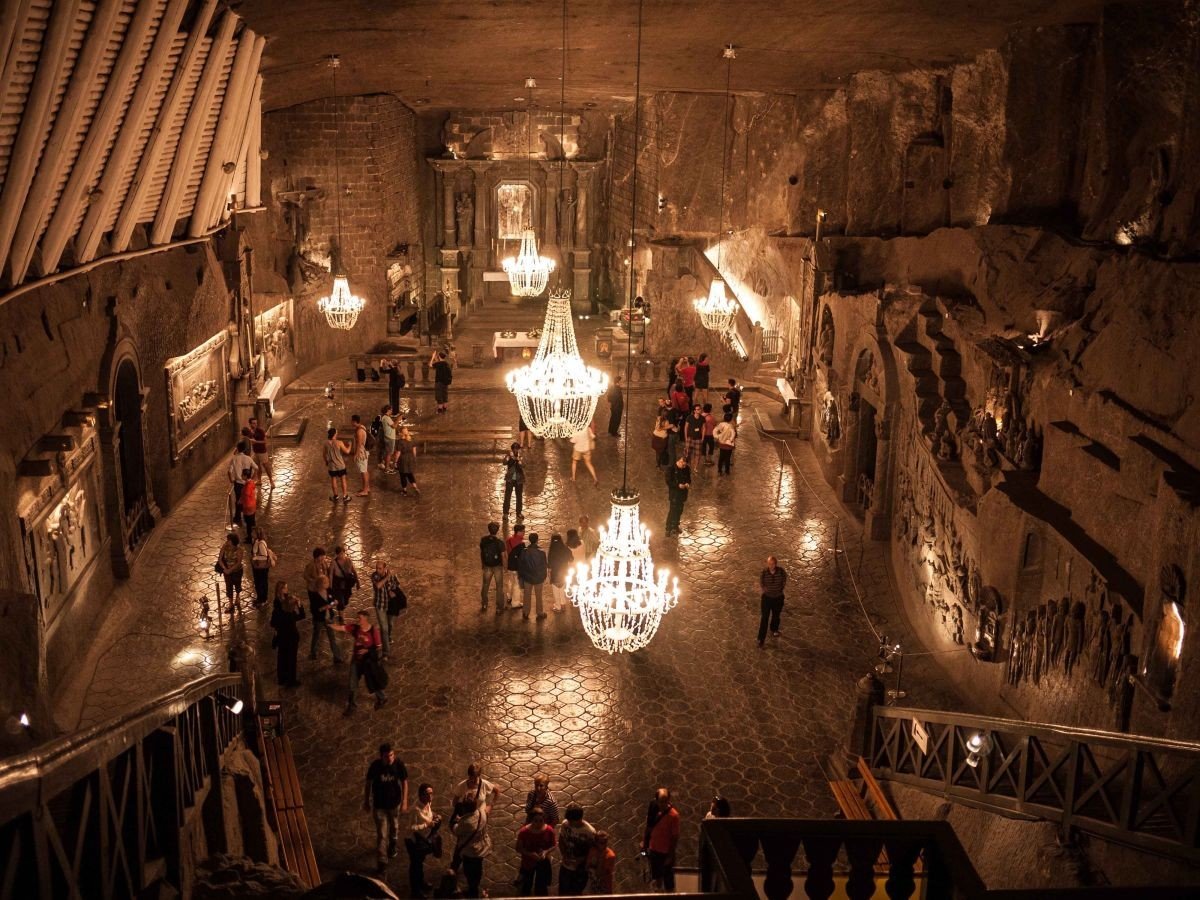 |
| Located in southern Poland, the Wieliczka salt mine is one of the oldest and is a UNESCO World Heritage Site. (Source: wieliczka-saltmine) |
Founded in the 13th century, Wieliczka is a small town within the Krakow metropolitan area in southern Poland. It was once a sea with many natural caves. Due to geological formations, the area gradually became inland, and salt accumulated from seawater, creating massive salt deposits within the caves and underground crevices.
Because of the discovery of salt crystals floating all over the surface of the mine, the local people collected and processed them into table salt. From here, the wells in Wieliczka gradually came into operation. Although it brought considerable profits to Polish industry during the Middle Ages, salt mining declined in the mid-18th century due to a sharp drop in prices.
The Wieliczka mine completely ceased commercial salt production in 1996. Polish authorities renovated the mine and added decorative lighting. The former miners switched to sculpting artwork on the walls to attract tourists. Because salt's hardness is comparable to plaster, only highly experienced artisans can master the art of sculpting salt into statues.
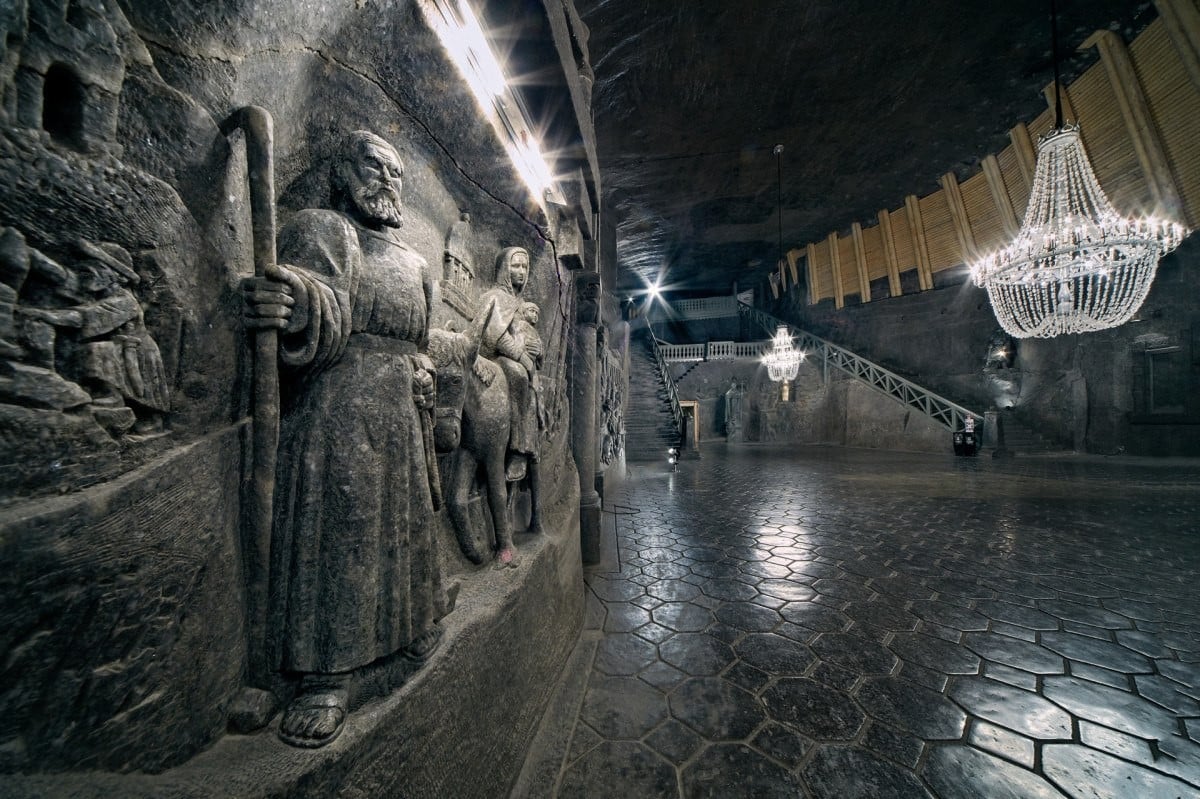 |
| All the statues and decorations in the Chapel of Saint Kinga are made from pure salt. (Photo: wieliczka-saltmine) |
Inside the mine are up to 2,000 chambers, 4 chapels, an underground lake, mine shafts and labyrinthine passageways stretching up to 151 meters, a gallery showcasing historical salt mining technology, and numerous statues carved from salt rock.
Located at a depth of over 100 meters is the Chapel of Saint Kinga, adorned with numerous chandeliers, statues, and reliefs on its salt rock walls. Kinga, the patron saint of miners, is one of the most important saints in Poland and Lithuania.
Leaving St. Kinga's Chapel, visitors have two options: a miner's route depicting salt mining and a scenic route within the mine. Each route is approximately 3.5 km long and takes 3 hours to complete.
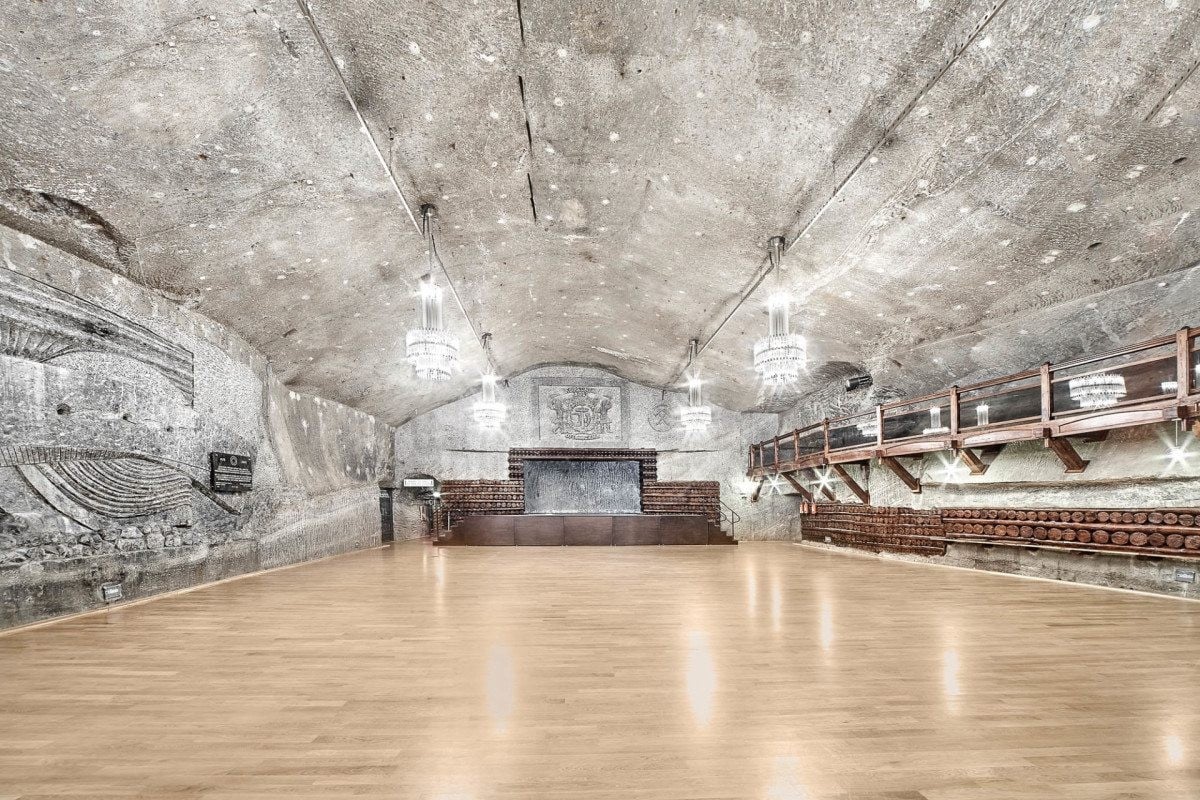 |
| Located at a depth of 125 meters and with a capacity of up to 700 people, Warszawa is a 680m² hall suitable for hosting large parties, seminars, conferences, concerts, performances, celebrations, art exhibitions, and even football matches. (Source: wieliczka-saltmine) |
The air here is clean and pure; the company that manages the Wieliczka mine has been organizing spa treatments for people with respiratory and lung problems for decades. According to Business Insider , the mine has a unique climate that creates exceptionally pure air, free from allergens and pollutants, with consistently low temperatures of around 13-14.5 degrees Celsius.
Over its centuries of existence, the Wieliczka salt mine has attracted countless visitors, including famous figures such as the Polish astronomer Nicolaus Copernicus, the German writer Johann Wolfgang von Goethe, the Russian chemist Dmitri Ivanovich Mendeleev, the English Baron Robert Baden-Powell, Pope John Paul II, and former US President Bill Clinton.
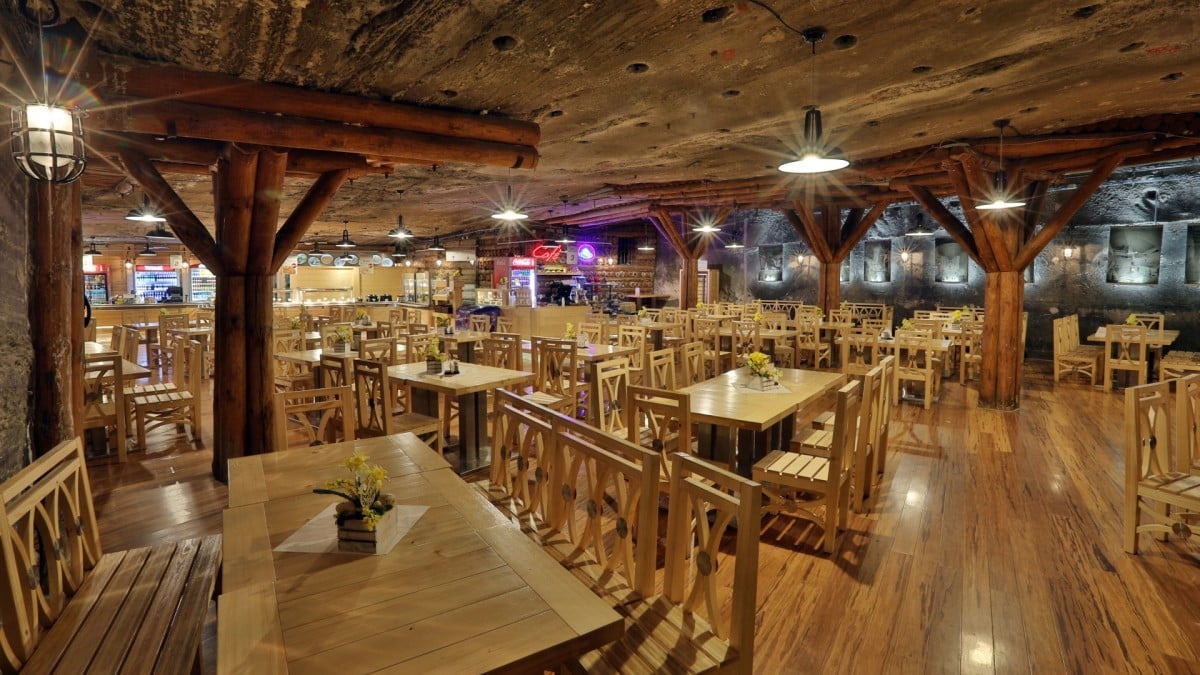 |
| After a hiking trip exploring the caves and lakes, and learning about the salt mining process, visitors can enjoy a meal right inside the salt mine restaurant. (Source: wieliczka-saltmine) |
Source


![[Photo] Closing Ceremony of the 10th Session of the 15th National Assembly](/_next/image?url=https%3A%2F%2Fvphoto.vietnam.vn%2Fthumb%2F1200x675%2Fvietnam%2Fresource%2FIMAGE%2F2025%2F12%2F11%2F1765448959967_image-1437-jpg.webp&w=3840&q=75)




















































![[OFFICIAL] MISA GROUP ANNOUNCES ITS PIONEERING BRAND POSITIONING IN BUILDING AGENTIC AI FOR BUSINESSES, HOUSEHOLDS, AND THE GOVERNMENT](https://vphoto.vietnam.vn/thumb/402x226/vietnam/resource/IMAGE/2025/12/11/1765444754256_agentic-ai_postfb-scaled.png)









































Comment (0)