

 |
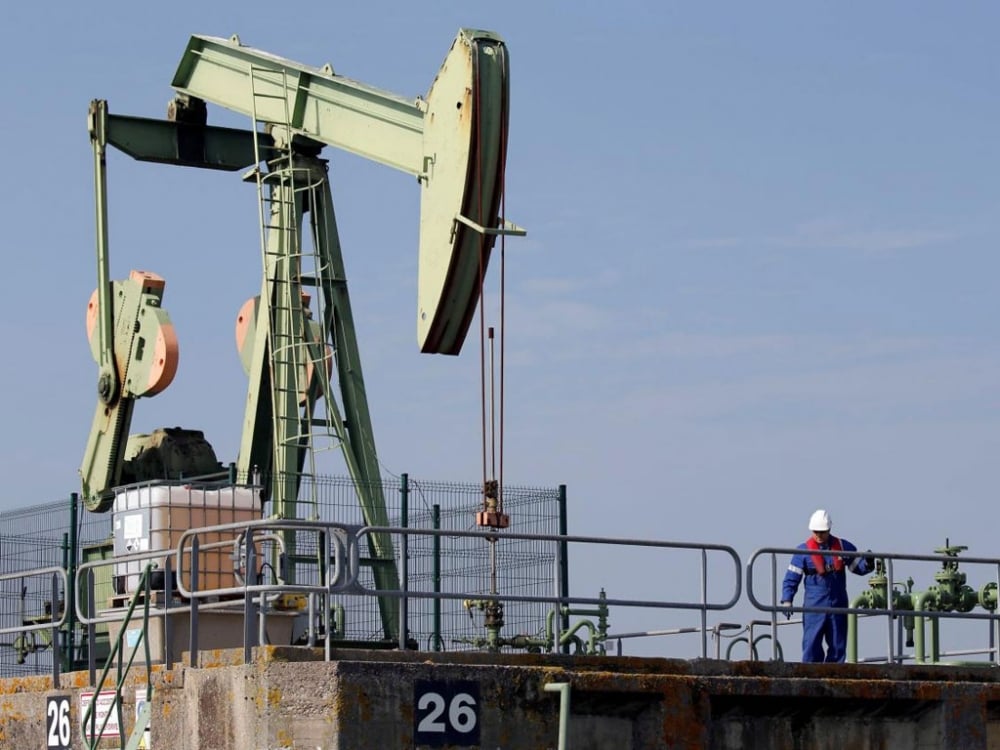
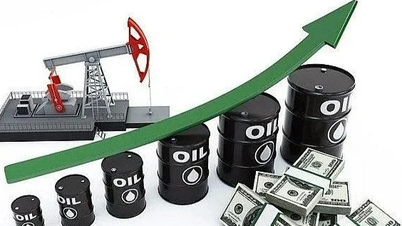
| OPEC+'s decision on June 4th to cut production for the entire year of 2024 is a sign that the organization is ready to support prices and prevent speculation. (Source: Reuters) |
This action follows two rounds of production cuts announced by key producing countries in the Organization of Petroleum Exporting Countries (OPEC) and its partners (OPEC+).
Oil prices will rise in the short term.
At a meeting in Vienna, Austria, on June 4th, OPEC+ countries agreed to further cut oil production until the end of next year. Specifically, Iraq voluntarily cut production by 211,000 barrels per day, Oman by 40,000 barrels per day, Algeria by 48,000 barrels per day, Kuwait by 128,000 barrels per day, and the United Arab Emirates (UAE) by 144,000 barrels per day until the end of 2024.
Meanwhile, Saudi Arabia will cut its oil production by 1 million barrels per day, starting next July.
Thus, Saudi Arabia's oil production in July 2023 will fall to 9 million barrels per day compared to around 10 million barrels per day in May – the largest drop in years.
Speaking at a press conference, Saudi Arabia's Energy Minister Abdulaziz bin Salman said the country could extend the cuts and "will do whatever is necessary to bring stability to the oil market."
According to Jorge Leon, Senior Vice President of Oil Market Research at Energy Aspects (UK), this new round of cuts could push oil prices higher in the short term, but the subsequent impact will depend on whether Saudi Arabia decides to extend the cuts.
He said that this round of cuts creates a price floor because Saudi Arabia can "voluntarily reduce production for as long as it likes."
The drop in oil prices has led to lower gasoline prices in the US, easing the burden on consumers worldwide amid persistently high inflation. However, Leon believes that natural gas prices will not become cheaper.
Meanwhile, Tamas Varga, an analyst at PVM Energy (UK), warned: "If persistent inflationary pressures lead to a drop in global oil demand, then supply cuts could be rendered ineffective."
Saudi Arabia's assertion that another round of fuel cuts is necessary signals an uncertain outlook for fuel demand in the coming months.
There are concerns about weakening economies in the US and Europe, while China's economic recovery after lifting Covid-19 restrictions has not been as strong as many had hoped.
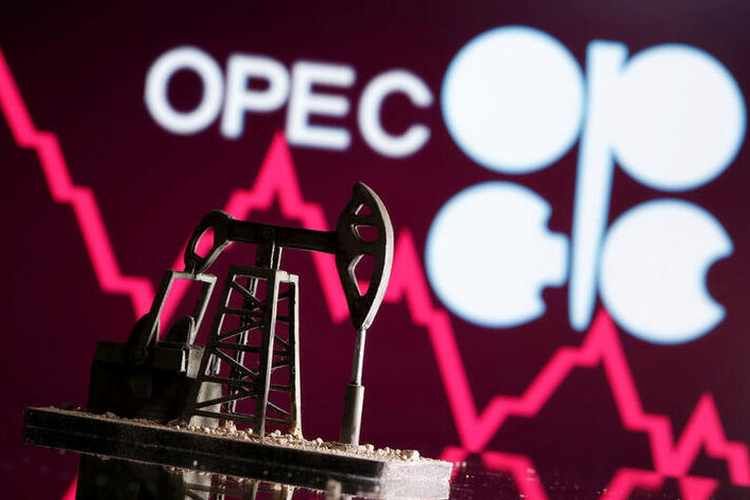 |
| OPEC+ countries have agreed to further cut oil production until the end of 2024. (Source: Reuters) |
OPEC+ is ready to support prices.
Previously, on April 2nd, OPEC+ committed to further production cuts of 1.16 million barrels per day, with Saudi Arabia leading the way with a reduction of 500,000 barrels per day, equivalent to about 5% of production, from May until the end of 2023.
OPEC+ has now reduced production on paper by 4.6 million barrels per day. However, some member countries are unable to produce according to their quotas, so the actual reduction is around 3.5 million barrels per day, equivalent to more than 3% of global supply.
Previous production cuts have provided little lasting impetus for oil prices. International benchmark Brent crude had risen as high as $87 a barrel, but has fallen to below $75 a barrel in recent days.
Meanwhile, US crude oil prices have recently fallen below $70 per barrel. The drop in energy prices has also contributed to pushing inflation in the 20 eurozone countries to its lowest level since before Russia launched its military campaign in Ukraine.
Saudi Arabia needs to maintain high oil revenues to finance ambitious development projects aimed at diversifying the country's economy.
The International Monetary Fund (IMF) estimates that Saudi Arabia needs oil prices at $80.9 per barrel to meet its planned spending commitments, including the $500 billion Neom project, a futuristic desert city.
While oil producers like Saudi Arabia need revenue to fund their state budgets, they also have to consider the impact of higher prices on oil-consuming countries.
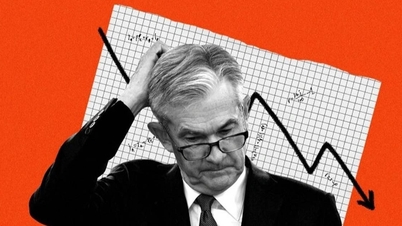
Excessively high oil prices can fuel inflation, reduce consumer purchasing power, and push central banks like the Federal Reserve toward further interest rate hikes – a move that could slow economic growth.
Meanwhile, Saudi Arabia's production cuts and any increase in oil prices could boost Russia's revenue.
Russia has found new oil customers in India, China, and Türkiye amid Western sanctions aimed at limiting Moscow's oil revenues.
However, higher crude oil prices risk complicating Russia's trade if prices exceed the $60/barrel ceiling imposed on the country by the Group of Seven (G7) industrialized nations.
Moscow has sought ways to circumvent price caps through its "shadow fleet" oil tankers. However, these efforts have only increased the cost of transporting oil.
According to the TASS news agency, Russian Deputy Prime Minister Alexander Novak said that, under the OPEC+ agreement, Moscow will extend its voluntary production cut of 500,000 barrels per day until the end of 2024. However, Russia may not fulfill its commitment.
In its April 2023 oil market report, the International Energy Agency (IEA) stated that Russia's total exports of oil and refined petroleum products such as diesel fuel in April 2023 rose to a high of 8.3 million barrels per day.
According to analysts, OPEC+'s June 4 decision to cut production for the entire year of 2024 is a sign that the organization is ready to support prices and prevent speculation.
Amrita Sen, co-founder of the consulting firm Energy Aspects, emphasized: "This is a clear signal to the market that OPEC+ is prepared to set a price floor and defend it."
Source
































































































Comment (0)