

DNVN - Microsoft has announced that it will end support for the Windows 10 operating system in 2025 and will charge users to continue receiving security updates.
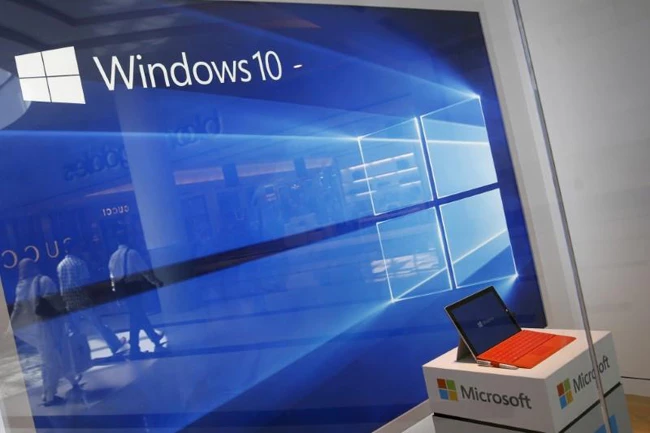
In its guidance for the official end-of-support phase of Windows 10, Microsoft announced the Extended Security Update (ESU) program to continue providing security patches for devices that have not upgraded to Windows 11. Individual users will have to pay $30 per year, while businesses will have to pay at least $61 per device.
This policy aims to ensure user safety against cybersecurity threats, given the continued widespread use of Windows 10 globally. However, this raises concerns about the resulting costs for users. As of early 2023, there were over 1.4 billion active Windows 10 devices worldwide . The $30/year fee could be a burden for individual users who don't need the new features of Windows 11. Businesses with a large number of devices are also concerned about ESU costs, especially in the context of rising operating expenses.
The majority of current Windows 10 users own devices that do not meet the hardware requirements for upgrading to Windows 11. This significantly impacts individual users and small businesses, as many devices are still functional but do not meet Microsoft's security requirements. Therefore, the ESU program is the most logical solution to maintain security for these devices.
However, updates from the ESU program only include essential security patches, with no feature enhancements. This means that, despite paying, users only receive basic security without any innovation or improvement in the user experience.
Microsoft's policy of charging $30 per year to maintain security updates for Windows 10 has sparked mixed reactions. Heated discussions have taken place on the Reddit forum regarding this issue.
Some argue that the $30 fee is too expensive, especially considering it only includes security patches without any new features for older operating systems. Some users claim they don't want to pay and are considering switching to other operating systems like Linux or macOS to avoid dependence on Microsoft's subscription model.
Some argue that the introduction of the ESU fee could be the first step for Microsoft to shift Windows to a long-term subscription model, potentially applicable to future versions of Windows. Conversely, others believe Microsoft is pressuring users to upgrade their hardware to Windows 11 or pay to maintain security on Windows 10.
The discussions reflected a strong reaction from the user community, especially those who own older devices with insufficient hardware to upgrade to Windows 11.
Currently, Windows 10 users have very few options. For those who can afford a hardware upgrade, switching to Windows 11 is a long-term choice. However, for individual users or small businesses with incompatible devices, the ESU program is a temporary protection but not a sustainable solution.
Other operating systems, including open-source ones, can be alternatives for those who don't want to follow a paid model to maintain security. However, switching operating systems requires careful consideration of compatibility and cost.
Cao Thong (compiled)
Source: https://doanhnghiepvn.vn/cong-nghe/microsoft-ngung-ho-tro-windows-10-thu-phi-bao-mat-30-usd-nam-voi-nguoi-dung-muon-cap-nhat-bao-mat/20241103082047332

![[Photo] Prime Minister Pham Minh Chinh holds a phone call with the CEO of Russia's Rosatom Corporation.](/_next/image?url=https%3A%2F%2Fvphoto.vietnam.vn%2Fthumb%2F1200x675%2Fvietnam%2Fresource%2FIMAGE%2F2025%2F12%2F11%2F1765464552365_dsc-5295-jpg.webp&w=3840&q=75)


































































Comment (0)