

The Super Heavy rocket attached to the Starship spacecraft was launched at approximately 7:25 a.m. on October 13 (local time) from SpaceX's Starbase in Boca Chica, Texas, according to CNN.
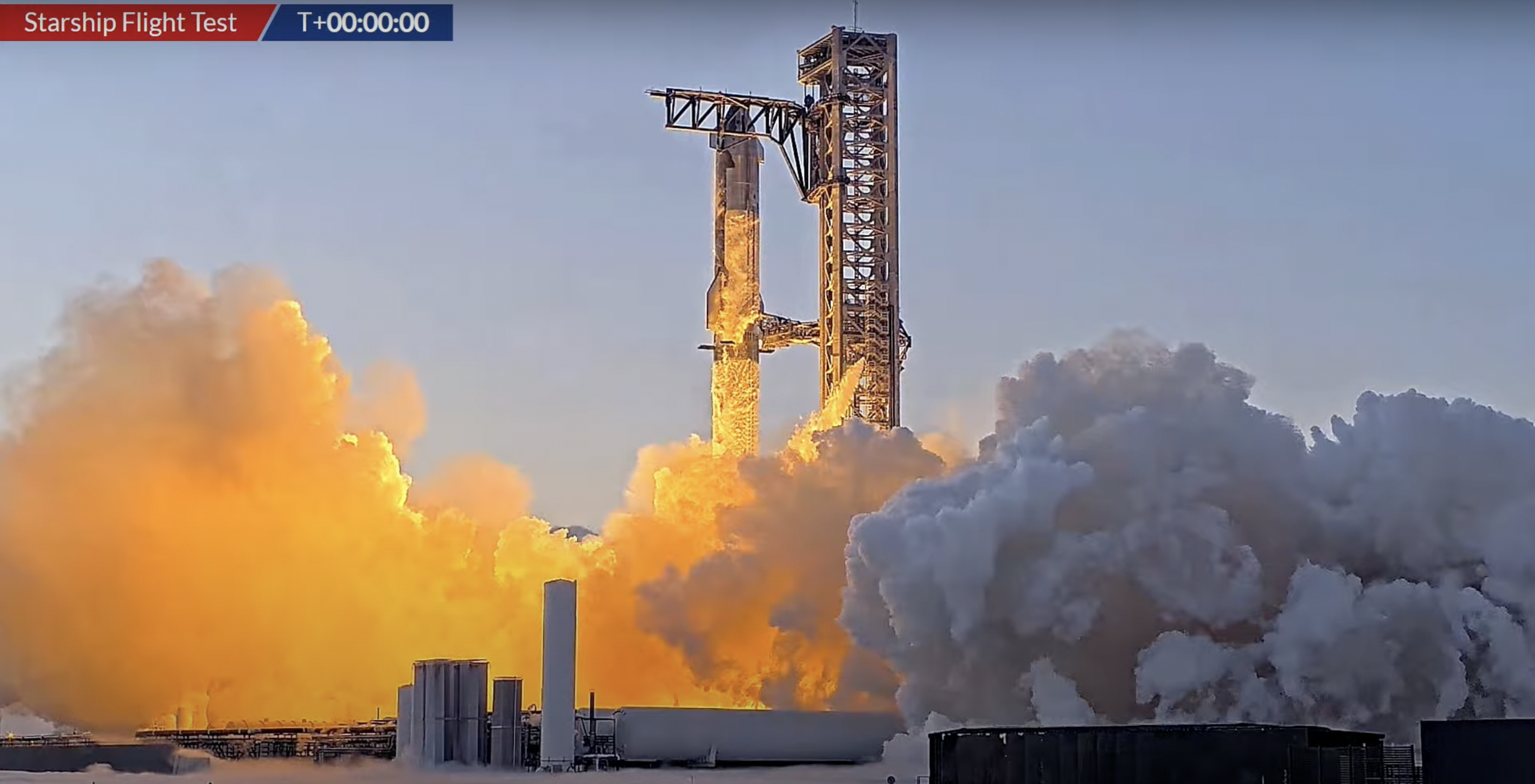
The moment the Starship spacecraft and Super Heavy rocket were launched on October 13th.
After launch, the booster rocket ran out of fuel and separated from the spacecraft. Starship then activated its own engines and continued flying while Super Heavy returned to the ground.
The Super Heavy rocket separated from Starship at an altitude of approximately 74 km. The rocket's height was 71 m, while including the spacecraft, the total height was 121 m.
This was SpaceX's first successful test landing of the Super Heavy rocket on the ground. The rocket, which is taller than a 20-story building, successfully landed on the launch tower and was caught by two giant robotic arms (also known as wands). "This is absolutely insane!" shouted SpaceX engineer Kate Tice in the live video .
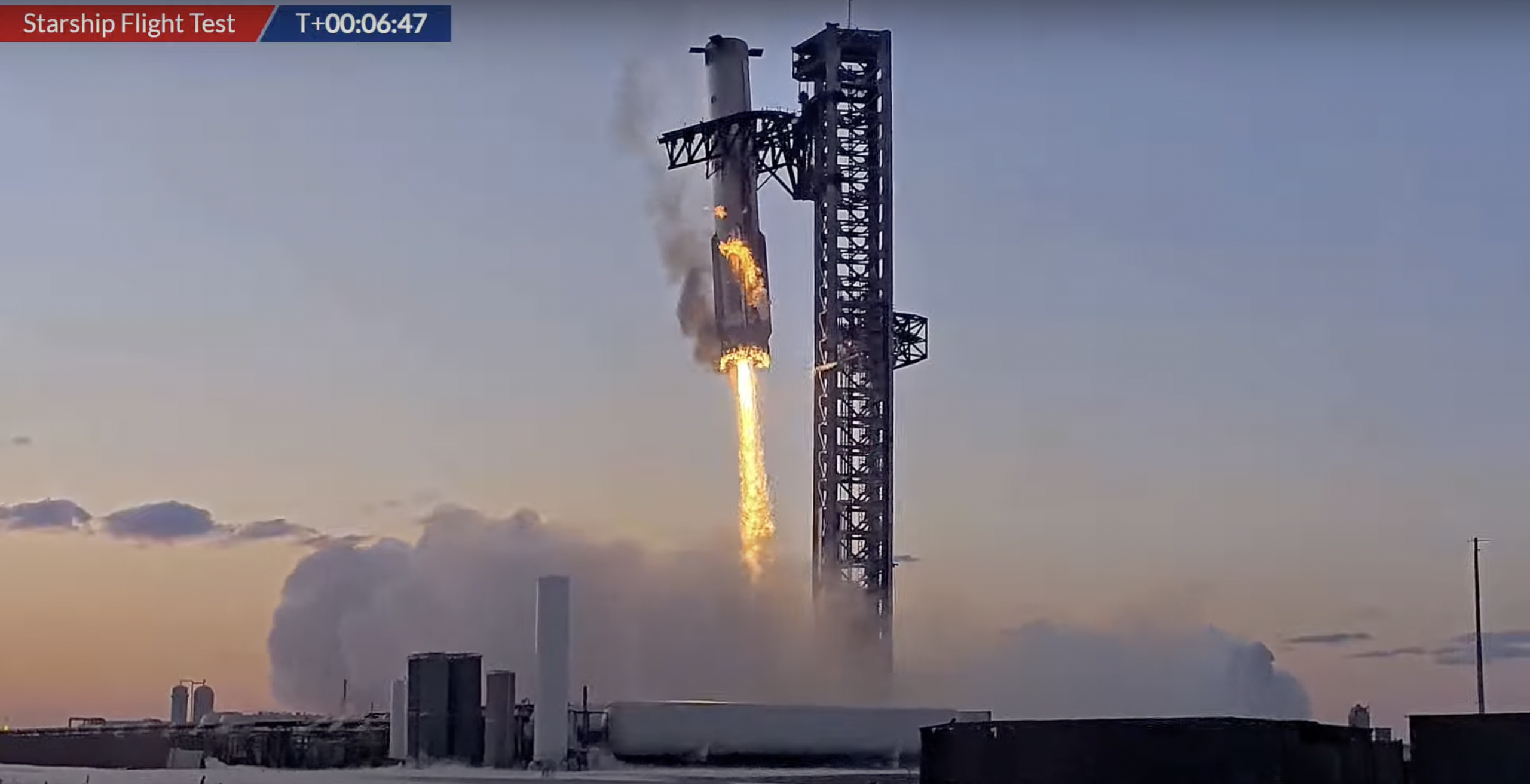
The moment the robotic arm captured the Super Heavy rocket booster.
SpaceX has been able to recover the booster sections of smaller Falcon 9 rockets after satellite and spacecraft launches over the past nine years. However, those booster sections have previously landed on floating platforms at sea or concrete foundations on land, rather than directly on the launch site and being "captured" as they were this time.
The Starship spacecraft is expected to fly over the Indian Ocean, west of Australia, and re-enter the atmosphere before crashing into the water.
Starship is the spacecraft chosen by the US government to return astronauts to the moon as early as 2026.
Source: https://thanhnien.vn/ngoan-muc-khoanh-khac-spacex-tom-ten-lua-day-sau-khi-phong-phi-thuyen-starship-185241013200544421.htm



































































Comment (0)