

It helps prevent and treat iron-deficiency anemia.
As an excellent source of protein, meat helps build and repair muscles and cells throughout the body. Protein also supports satiety, fights infection, transports nutrients and oxygen throughout the body, maintains fluid balance, and clots blood, according to the health website Verywell Health.
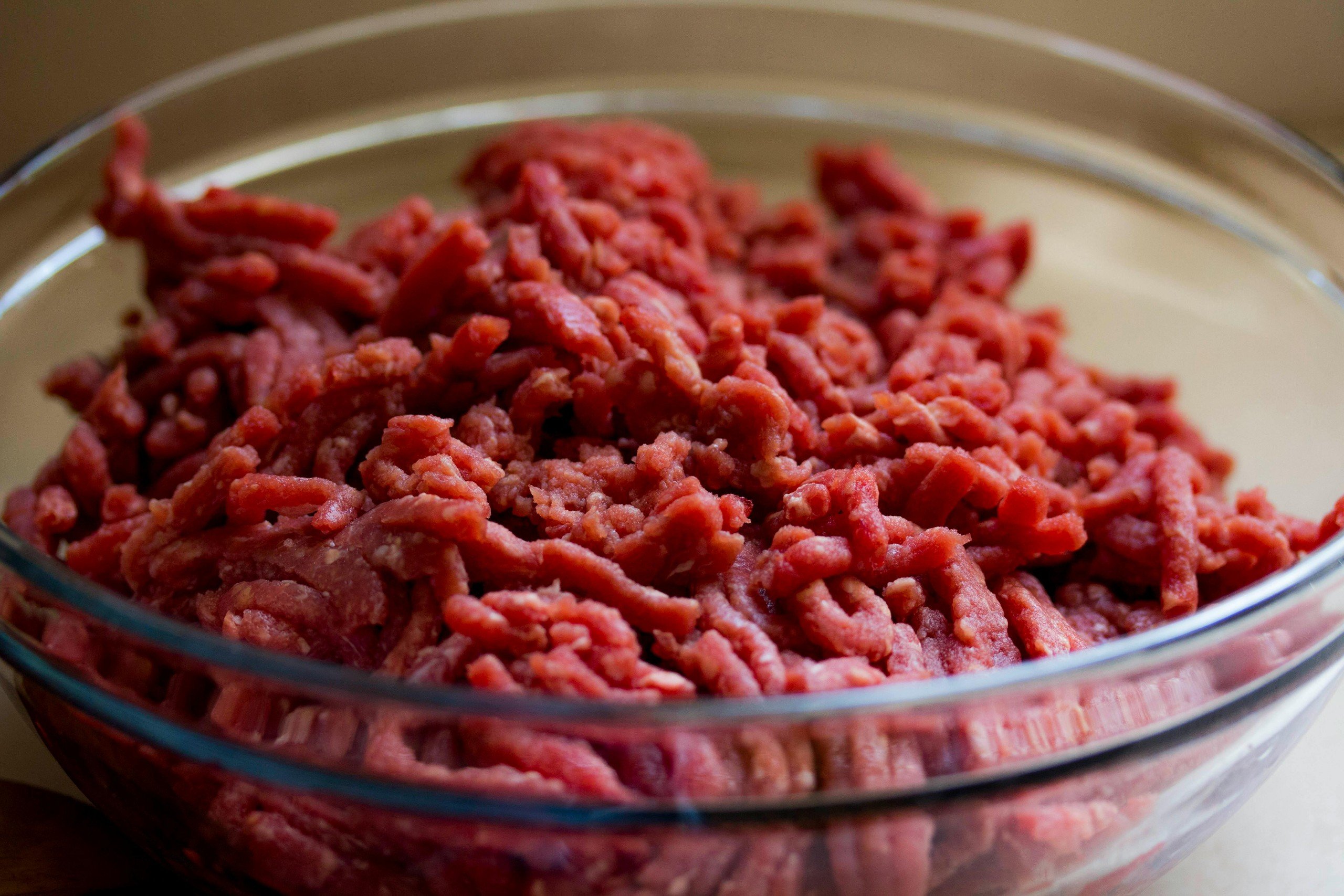
Meat contains many important nutrients.
Vitamin B12 in meat helps create DNA and keeps blood and nerve cells healthy.
Zinc helps keep the immune system strong, supports wound healing, and aids the body's growth during critical stages of life.
What should you consider when eating meat?
Several studies have linked high meat consumption to conditions such as heart disease, diabetes, and cancer. Experts recommend limiting meat consumption to no more than three times per week.
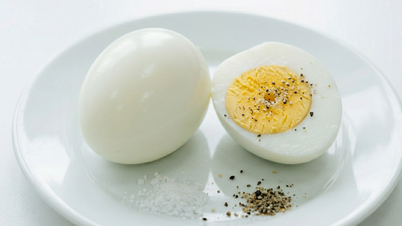
Studies suggest that replacing meat with plant-based protein sources such as nuts, beans, and soy may reduce associated risks. Replacing pork, beef, and processed meats with other protein sources like dairy and eggs also reduces the risk of heart disease and diabetes.
Dr. Julia Zumpano, a nutritionist in the Preventive Cardiology Department at the Cleveland Clinic (USA), emphasizes: Choose only lean meats, avoid fatty and processed meats, and avoid fried meats.
Who should limit meat (pork, beef) in their diet?
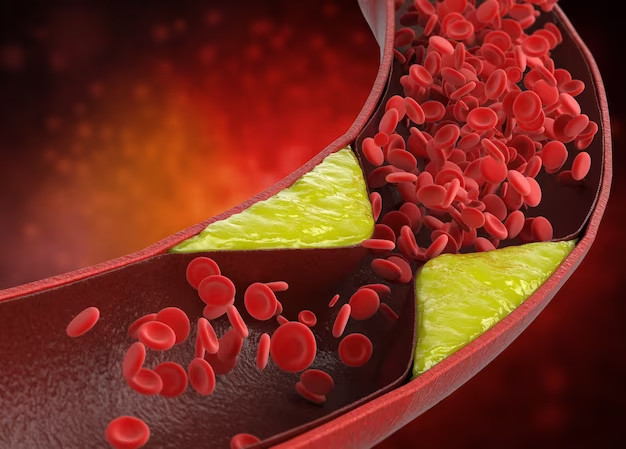
People at risk of heart failure or stroke, including those with high cholesterol, high blood pressure, or a family history of cardiovascular disease or diabetes, should consume as little pork and beef as possible.
Expert Zumpano says: People at risk of heart failure or stroke, including those with high cholesterol, high blood pressure, or a family history of cardiovascular disease or diabetes, should consume as little pork and beef as possible.
She recommends eating a variety of protein sources, including fish and seafood, poultry, eggs/egg whites, legumes, and nuts. Combining this with plenty of colorful fruits and vegetables is also important for disease prevention, according to the Cleveland Clinic.
Some people with kidney disease may need to restrict their protein intake to prevent further kidney damage.
People with gout may also need to limit their beef intake due to its high purine content.
The American Heart Association suggests that, in general, replacing pork, beef, and especially processed meats, with plant-based proteins is a healthier and better way to eat for overall health.
Expert Zumpano suggests: Start by gradually reducing the number of meals containing meat. This is a great way to easily transition to a meatless diet, according to Verywell Health.
Source link
![[Photo] The General Secretary, President and his wife meet with Vietnamese-Chinese friendship leaders.](https://vphoto.vietnam.vn/thumb/1200x675/vietnam/resource/IMAGE/2026/04/15/1776264829725_vna-potal-tong-bi-thu-chu-tich-nuoc-to-lam-gap-mat-nhan-sy-huu-nghi-viet-nam-trung-quoc-8703641-3130-jpg.webp)
![[Photo] My Son at night: A thousand-year-old heritage site amidst the Milky Way](https://vphoto.vietnam.vn/thumb/1200x675/vietnam/resource/IMAGE/2026/04/15/1776261039184_ndo_br_chon6-jpg.webp)
![[Photo] National Assembly Chairman Tran Thanh Man arrives in Türkiye to attend IPU-152](https://vphoto.vietnam.vn/thumb/1200x675/vietnam/resource/IMAGE/2026/04/15/1776261003665_tnk10-jpg.webp)
![[Photo] National Assembly Chairman Tran Thanh Man attends the opening session of IPU-152](https://vphoto.vietnam.vn/thumb/1200x675/vietnam/resource/IMAGE/2026/04/16/1776277863731_ctqh5-jpg.webp)
![[Photo] Mrs. Ngo Phuong Ly meets and exchanges views with Mrs. Peng Li Yuan](https://vphoto.vietnam.vn/thumb/1200x675/vietnam/resource/IMAGE/2026/04/16/1776277858080_phu-nhan-1-jpg.webp)



























































































Comment (0)