

Along the Vietnamese coast, wherever there are fishermen making a living from fishing, there are seafood markets. If you want to explore a part of the culture of coastal residents, visit these seafood markets, especially in the early morning when the boats return with abundant catches of fish and shrimp.
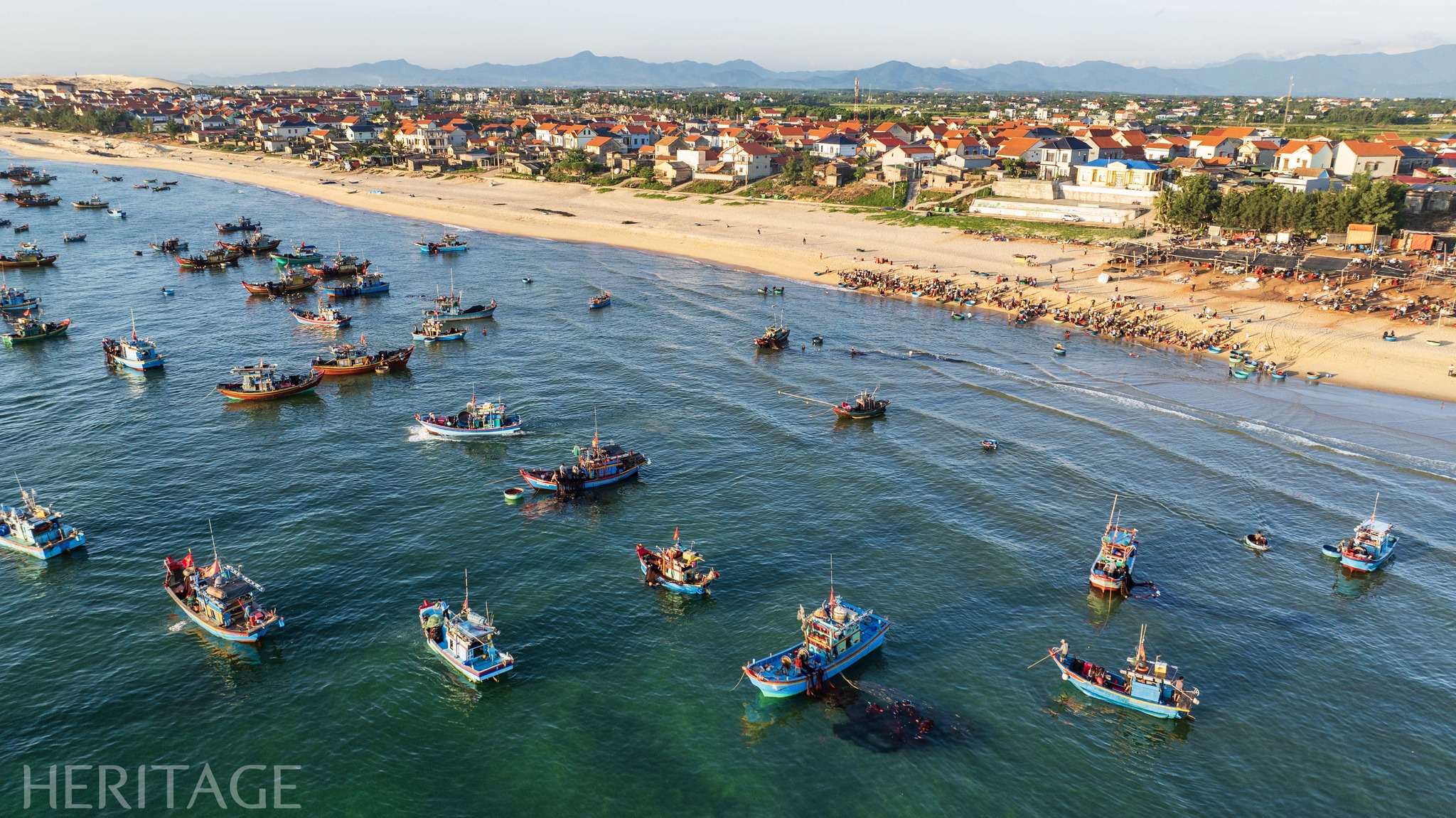
I always make it a habit to wake up early and ask the locals for directions to the fish market whenever I return to the coast. The cool breeze carrying the salty scent is a gift from nature at the start of the day. Only by being near the sea can one truly appreciate that precious sense of openness and freedom.
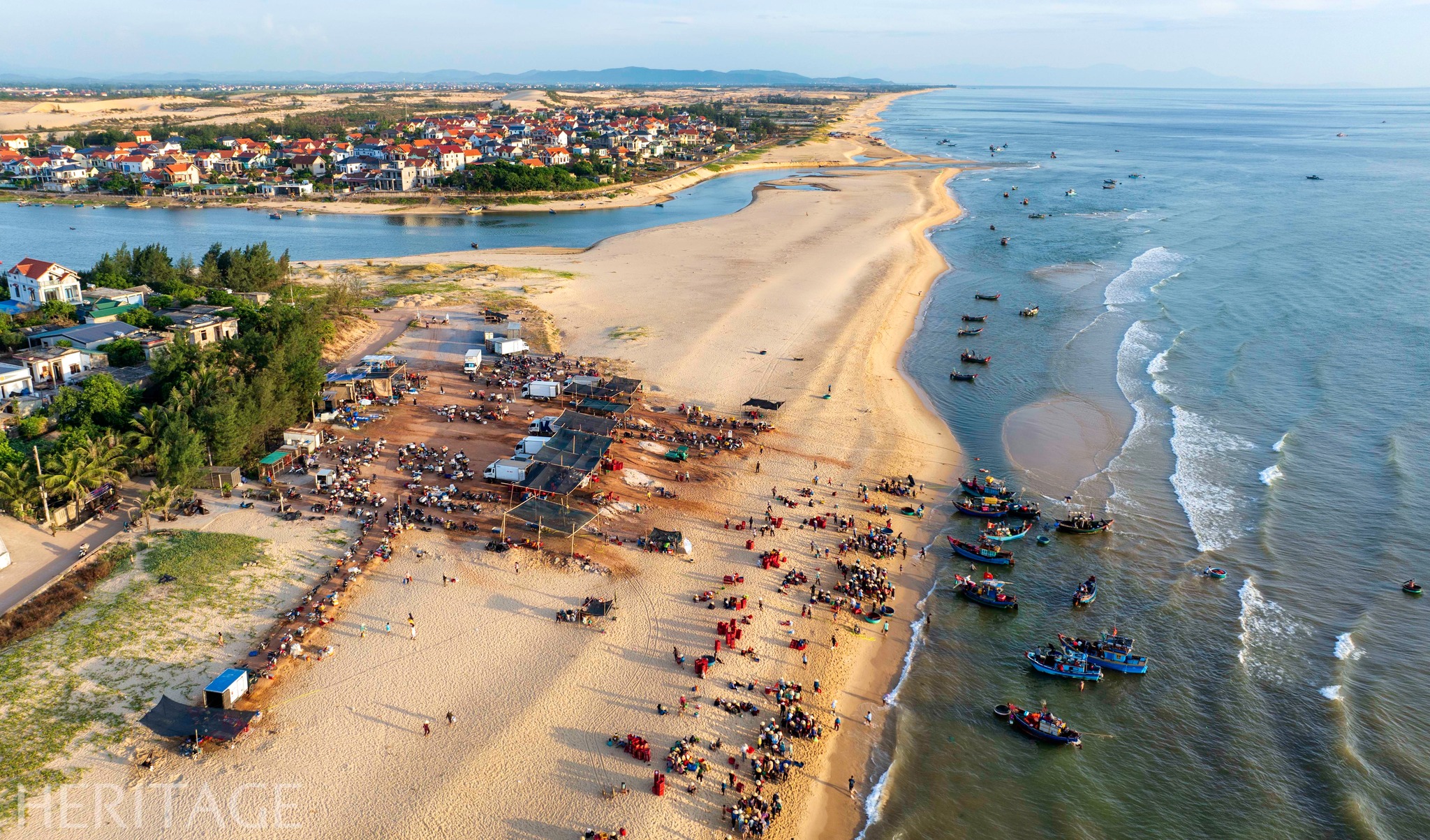 The sounds of bustling activity echoed from afar on the way to the market, becoming clearer and clearer with each passing moment—the sounds of life in this sandy region.
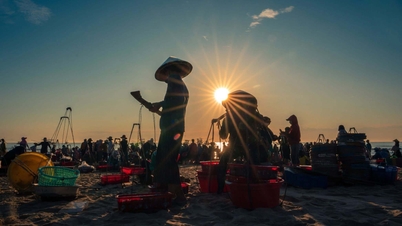
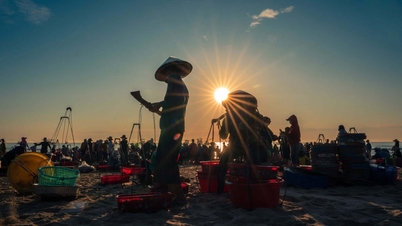
 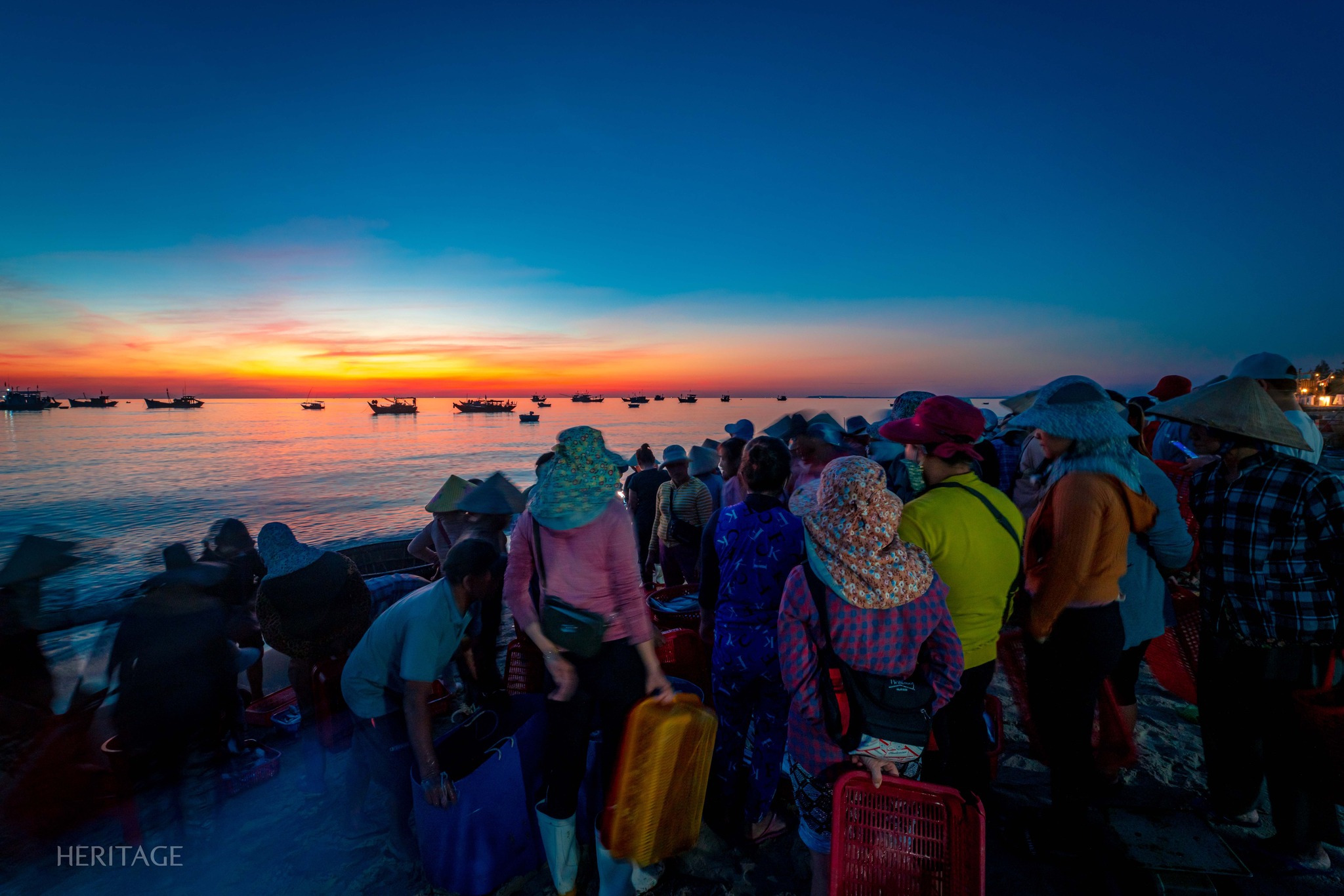 Typically, fish and seafood markets are set up right at the water's edge from dawn. Women chat and laugh, carrying baskets or slings on their shoulders, their eyes always fixed on the sea, where boats are preparing to dock. In coastal areas, fishermen only go out to sea for the day, so the seafood is still fresh and hasn't been frozen.
  As the boats approach the shore, people rush into the water, sometimes up to their waists, to greet them, their hands swiftly catching catches of shrimp, fish, and squid. The fishermen are sturdy, with dark, tanned skin and radiant smiles of "harvest." The distinctive accents of each region are clearly evident in these markets. Local dialects, understood only by the locals, may seem strange to visitors, but they always sense the powerful yet warm "spirit of the sea" emanating from these voices and laughter.
 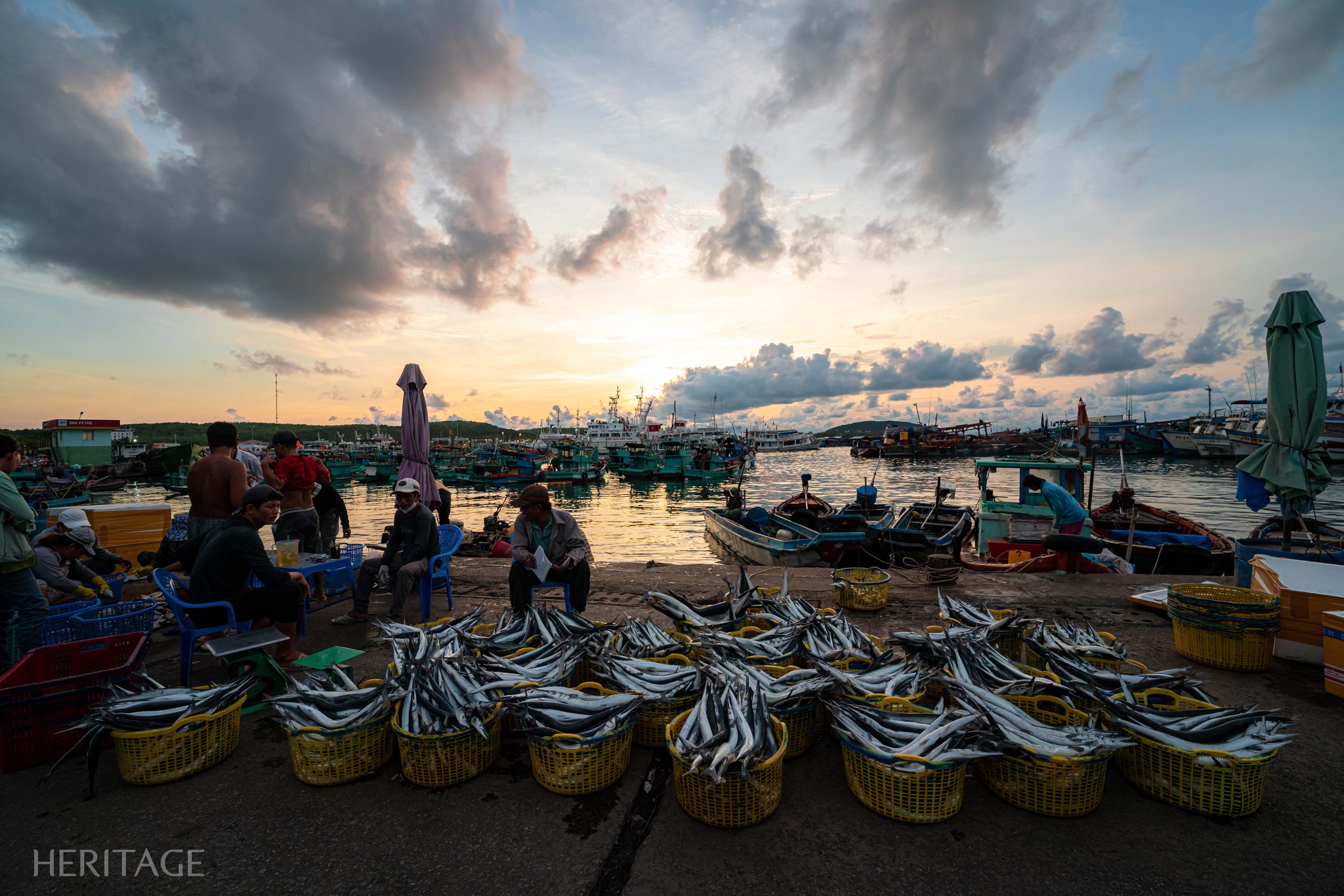 I used to strain my ears to listen to people talking in coastal markets in Central Vietnam such as Hai Tien (Thanh Hoa), Quynh Luu, Dien Chau, Cua Lo ( Nghe An ), Dong Hoi (Quang Binh), and Tam Tien (Quang Nam). I only caught bits and pieces, but I felt the rhythm of life at sea, witnessed the hardships of making a living, and learned about the customs, work, daily life, and trade of each locality.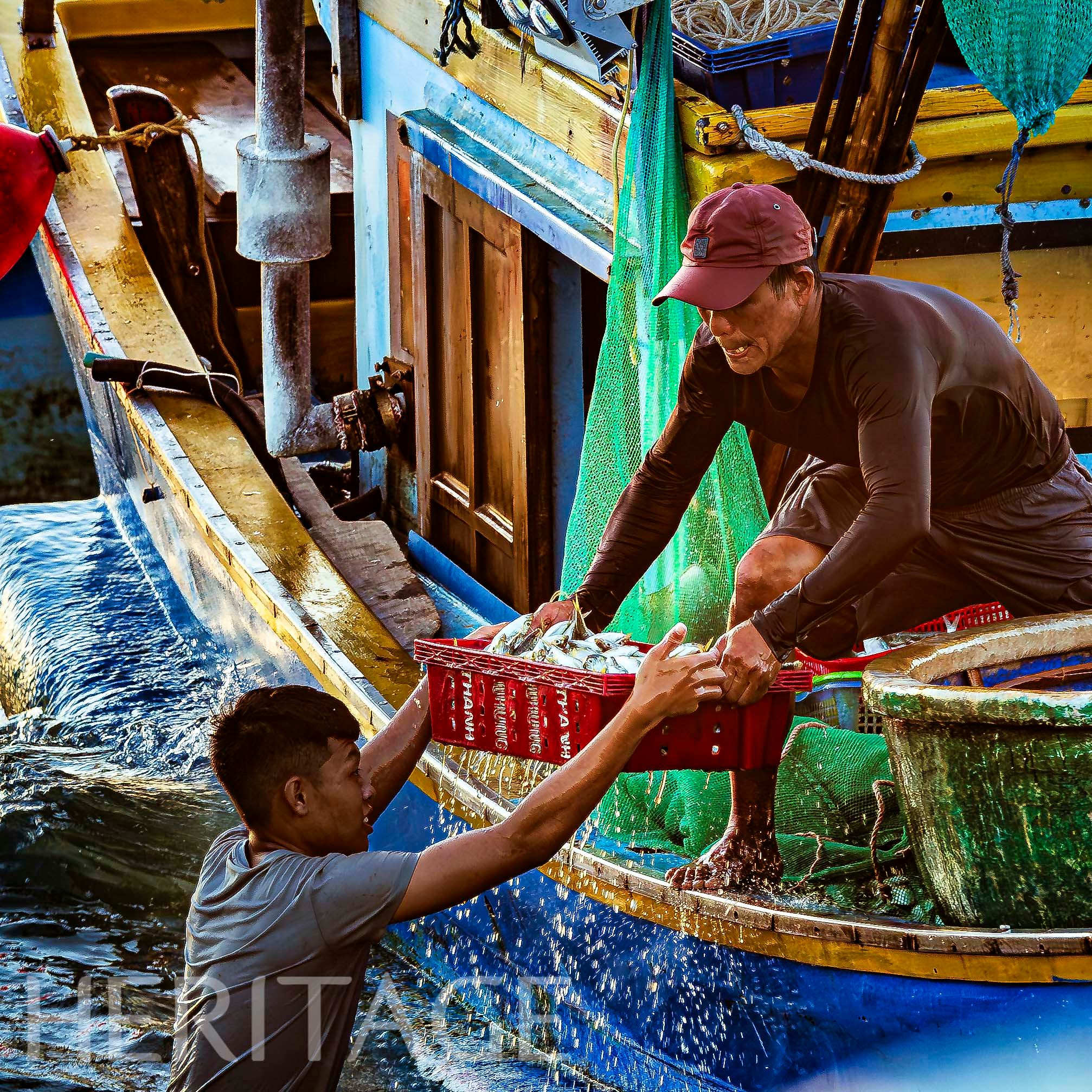
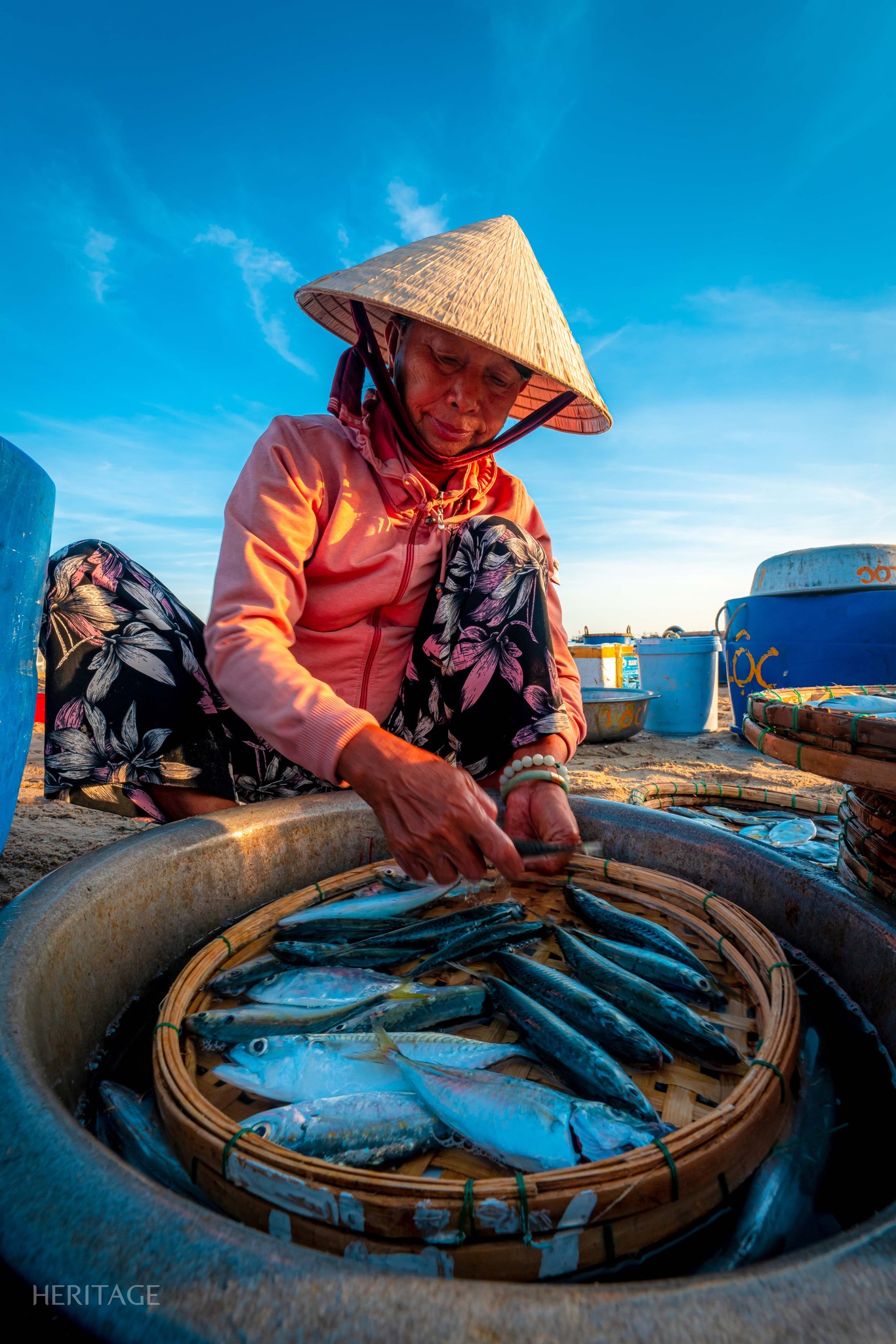
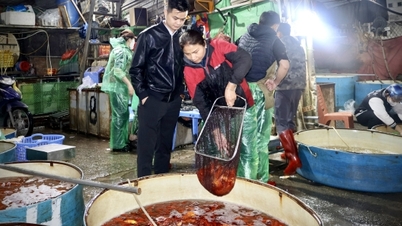
Each sea region, each season, depending on the tides and fishing methods, will yield different types of seafood. If fishermen go out on their boats for the day, they catch seafood near the shore, such as prawns, shrimp, crabs, squid, cuttlefish, mackerel, snapper, anchovies, herring, etc. Small traders will choose the goods they want to sell, negotiate prices, and then buy them. Sometimes they resell them to customers right on the beach, and sometimes they transport them to larger local markets. There are also fish sauce producers who go to the fish market to select fresh raw materials – a prerequisite for producing fragrant and flavorful batches of fish sauce.
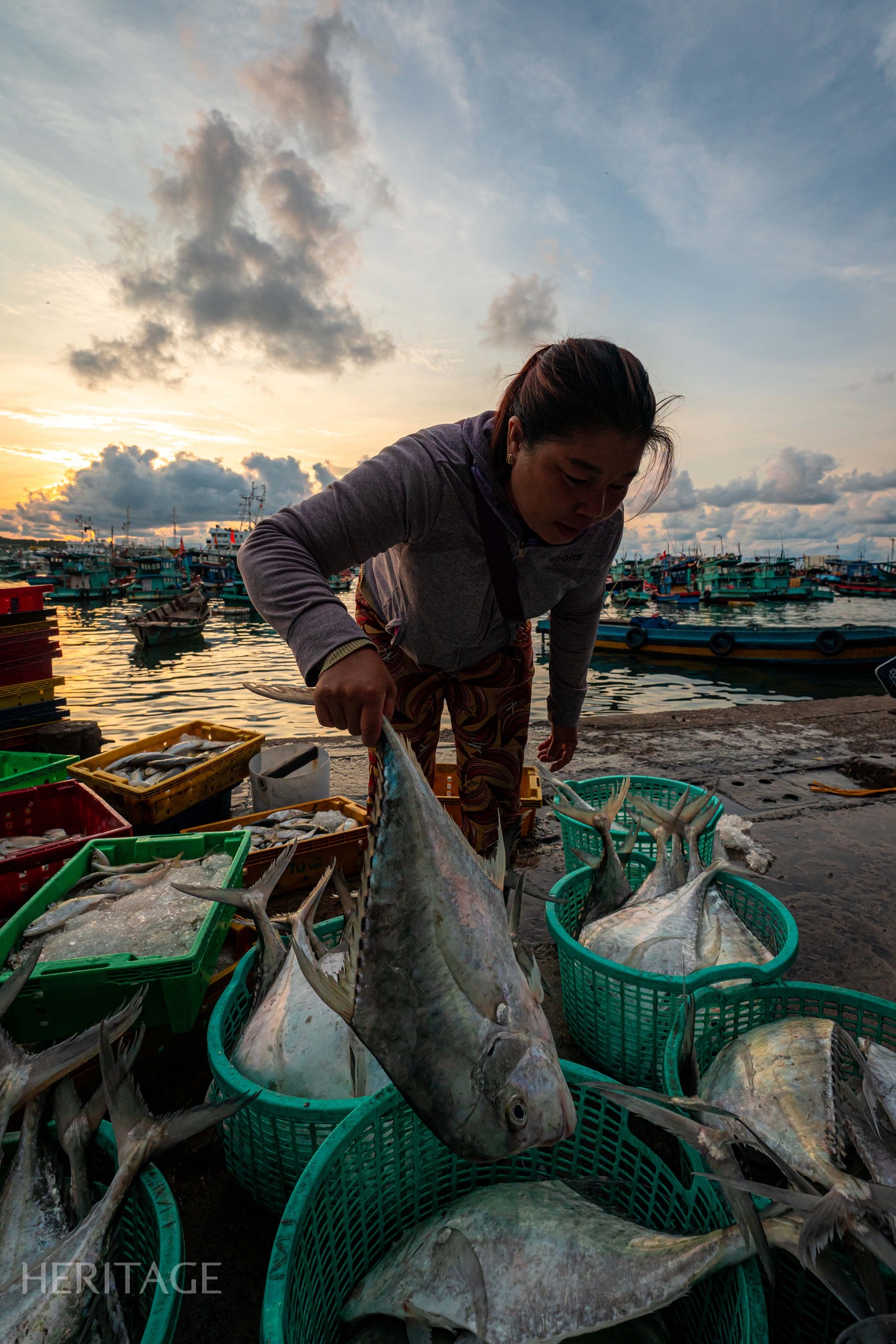 In areas with offshore fishing fleets, the catch is more diverse, including both small and large fish such as mackerel, grouper, and tuna. After being caught, these fish are immediately sorted by fishermen and packed in ice or deep-freezed in the ship's cargo hold to ensure freshness. If you visit Binh Dinh, be sure to go to Tam Quan fishing port to witness the scene of "carrying fish" when the boats dock. Not only men but also women participate in transporting large tuna weighing several tens of kilograms on their shoulders.
 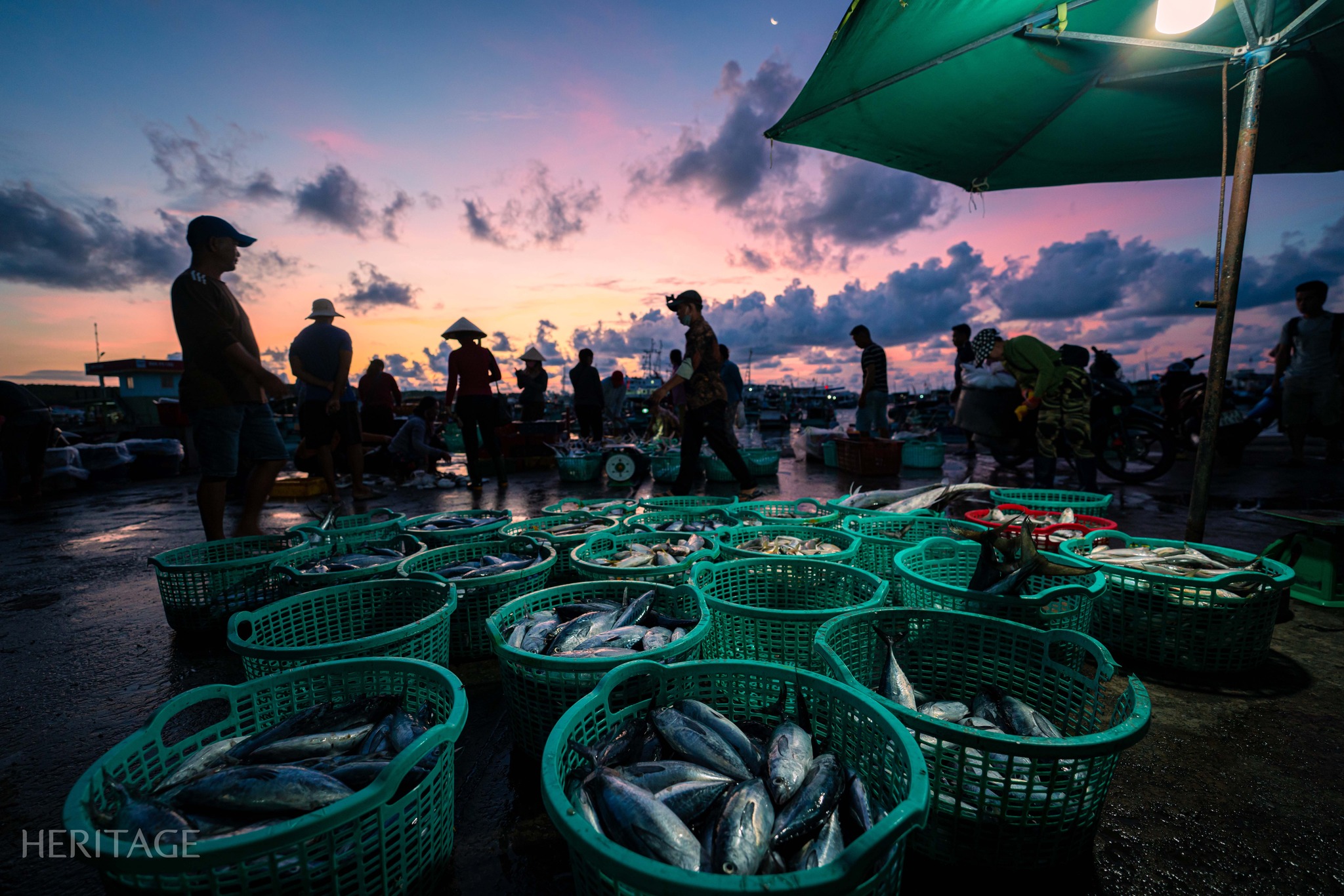 When visiting the long-standing An Thoi fishing port in Phu Quoc ( Kien Giang ), tourists will be delighted to witness the bustling scene of fishing boats returning with abundant seafood, from baskets of anchovies, the raw material for the island's specialty fish sauce, to catches of fresh mackerel, shark, and grouper.
Heritage Magazine

![[Image] National Assembly discusses the implementation of the socio-economic development plan.](https://vphoto.vietnam.vn/thumb/1200x675/vietnam/resource/IMAGE/2026/04/20/1776696707422_ndo_br_img-20260420-185419-jpg.webp)


![[Photo] General Secretary and President To Lam meets with National Assembly delegates from ethnic minorities.](https://vphoto.vietnam.vn/thumb/1200x675/vietnam/resource/IMAGE/2026/04/20/1776696701056_a1-bnd-8331-3342-jpg.webp)









































































Comment (0)