

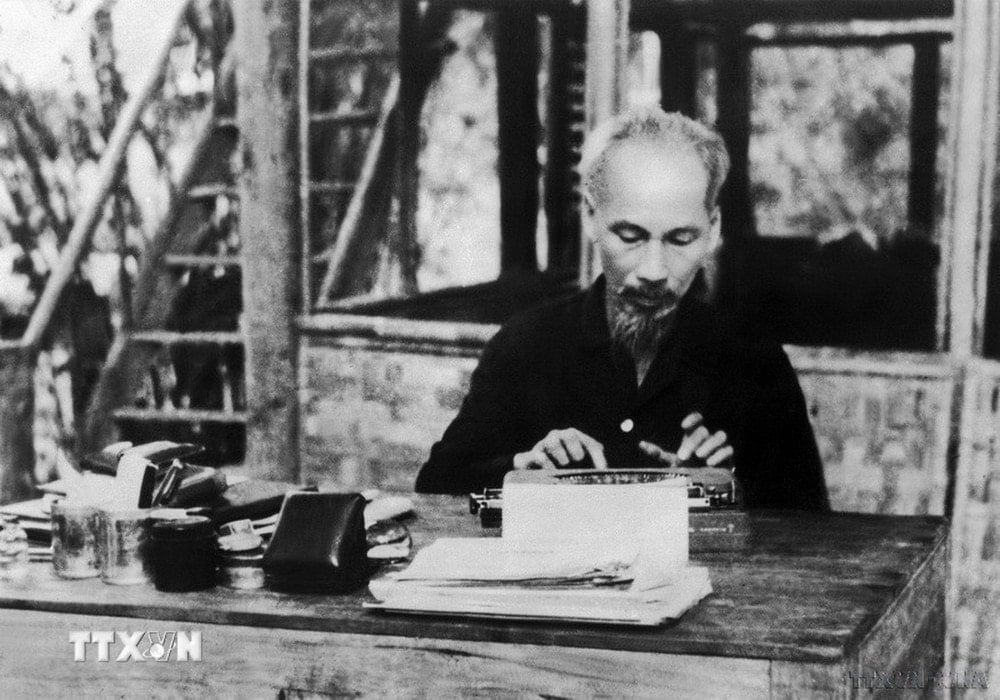
President Ho Chi Minh dedicated his entire life to the noble goal of achieving independence and freedom for the Fatherland; bringing prosperity and happiness to the Vietnamese people and leaving behind noble human values for humanity.
Before his passing, he left behind an invaluable legacy for the entire Party and the entire nation: Ho Chi Minh Thought. This thought is reflected in the works and writings he left behind, five of which have been recognized as national treasures, including "The Revolutionary Path"; "Prison Diary" (Ngục trung nhật ký); the Call for National Resistance; the Call to the People and Soldiers of the Whole Country; and his Last Will and Testament.
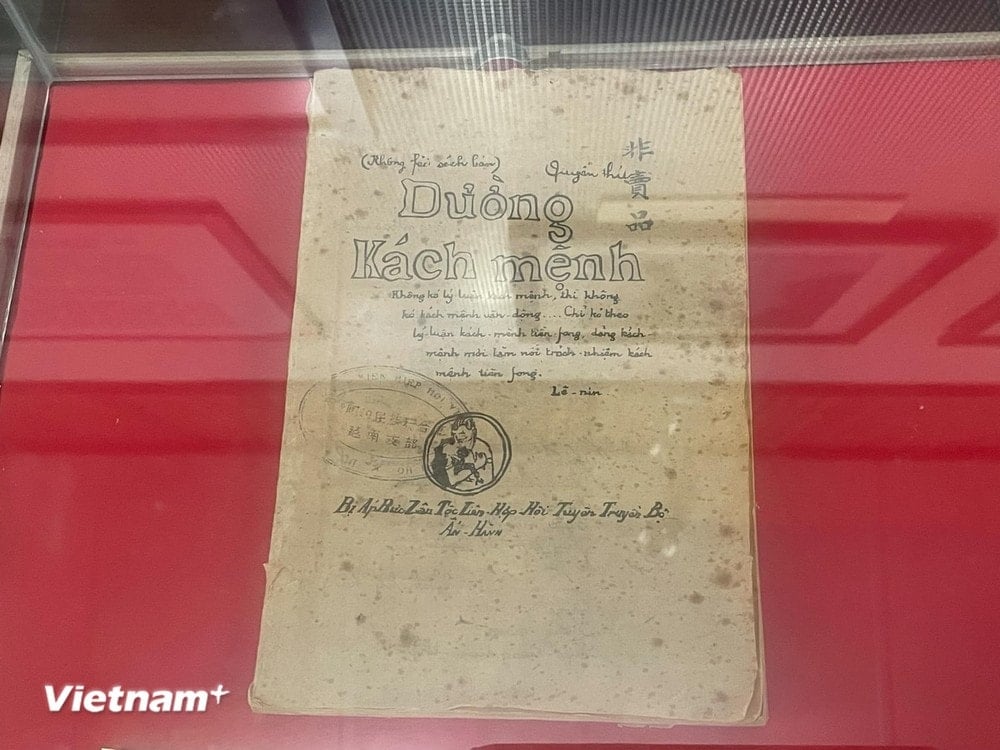
Revolutionary Path
The book "The Revolutionary Path" is a collection of lectures given by Comrade Nguyen Ai Quoc (the pseudonym of President Ho Chi Minh) at training courses for cadres of the Vietnam Revolutionary Youth Association, organized in Guangzhou (China) during the years 1925-1927.
Those lectures were compiled and published as a book in 1927 by the Propaganda Department of the League of Oppressed Nations. To this day, the book continues to be published and widely distributed to a large readership by the National Political Publishing House.
The book was published at a time when the proletarian struggle movements in countries around the world were developing strongly, and the national liberation movement in Vietnam had given rise to many patriotic organizations with different political orientations.
With its concise, easy-to-understand, and memorable writing style, the book "The Revolutionary Path" contains immense theoretical and practical value, playing a crucial role in disseminating Marxism-Leninism in Vietnam, in combining the patriotic movement with Marxism, and in establishing the ideological and theoretical foundations for the birth of the Communist Party of Vietnam.
The work clearly outlines the fundamental viewpoints on the Vietnamese revolutionary method based on the creative application of Marxism-Leninism and the summation of revolutionary experiences from other countries. It is a particularly important reference document and a theoretical basis for the Communist Party of Vietnam to develop a revolutionary method suitable to the country's situation.
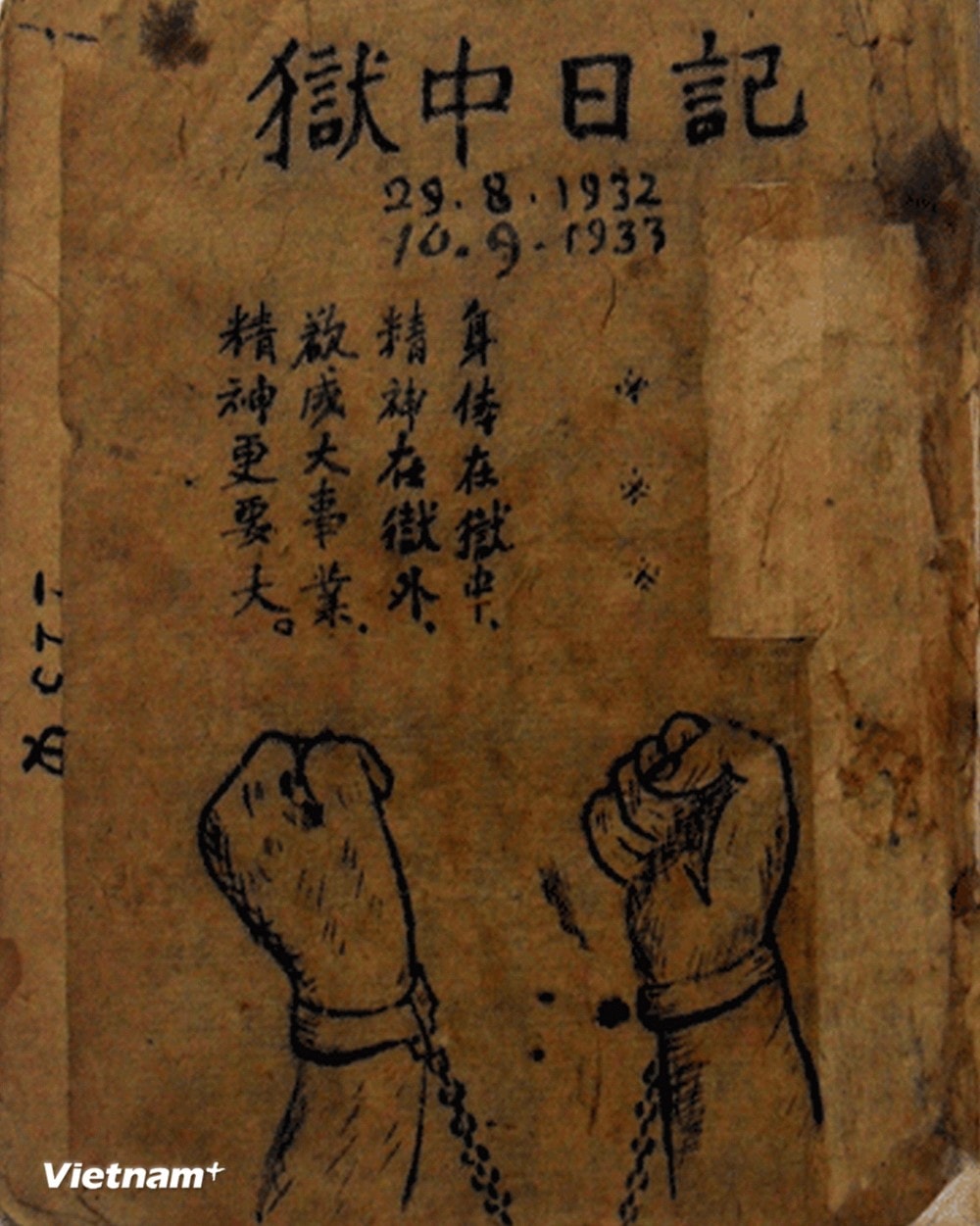
Prison Diary (Ngục trung nhật ký)
In August 1942, under the guise of being a representative of the Vietnam Independence League and the International Anti-Aggression Mission, President Ho Chi Minh traveled from Cao Bang to China to mobilize international support for the Vietnamese revolution to gain independence. However, he was unjustly arrested and imprisoned by the Chiang Kai-shek government, and subsequently moved through various prisons in Guangxi province from August 25, 1942, to September 19, 1943.
Each poem in the collection "Diary in Prison" is the author's heartfelt expression, profoundly portraying the soul, thoughts, and feelings of Uncle Ho during his imprisonment in a foreign land. The entire collection exudes a revolutionary optimism, faith in a bright future, unwavering will, and ironclad determination. The courage of a communist soldier, the immense spiritual strength, enabled him to overcome hardship and imprisonment, to reach freedom, return to his homeland, and lead the entire nation in the struggle for independence and freedom.
The work has become a national treasure of Vietnam, is praised by international friends, and has been translated into many languages around the world.
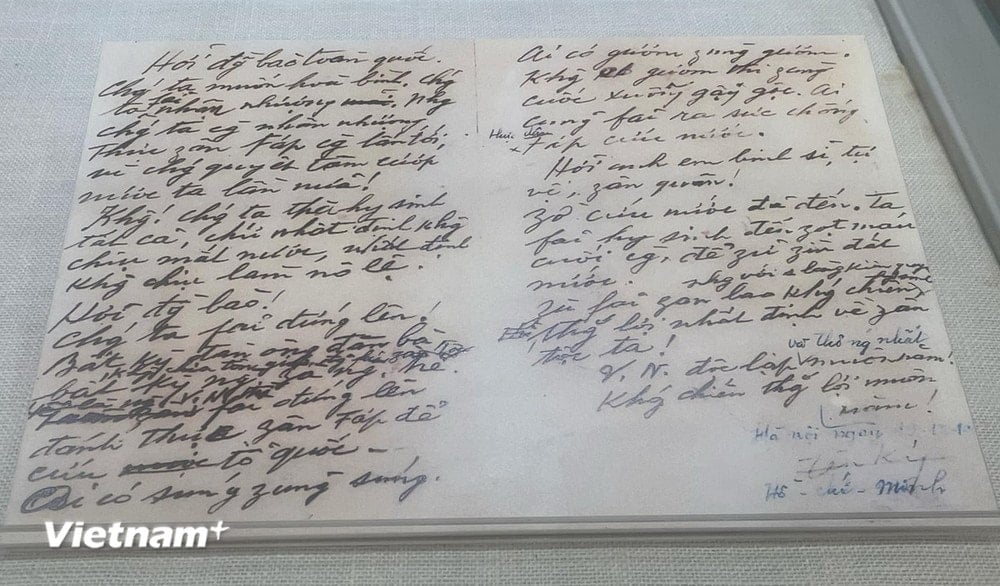
National Call to Arms
On the morning of December 20, 1946, President Ho Chi Minh's call for the entire nation to rise up against French colonialism resounded on the Voice of Vietnam radio waves, reaching every corner of the country: “Fellow countrymen! We want peace, we must make concessions. But the more concessions we make, the more the French colonialists advance, because they are determined to seize our country once again! No! We would rather sacrifice everything than lose our country, than be enslaved. Fellow countrymen! We must rise up!...”
It was a call to arms to save the nation, expressing the unwavering determination of the entire people, arousing the strength of patriotism and the tradition of indomitable heroism; motivating, urging, and encouraging the entire Party, the entire people, and the entire army to embark on the resistance war to regain independence and freedom for the Fatherland.
The "Call for National Resistance" was issued 78 years ago, but its historical significance and contemporary relevance remain undiminished. More than just a shining symbol of revolutionary heroism, patriotic traditions, unity, indomitable will, and unwavering determination to resist foreign invasion, the Call for National Resistance holds historical value as a comprehensive resistance manifesto, containing fundamental viewpoints on the ideology and strategy of people's war, affirming the unwavering patriotism and fighting spirit of the nation that will inevitably triumph.
A call to all compatriots and soldiers nationwide.
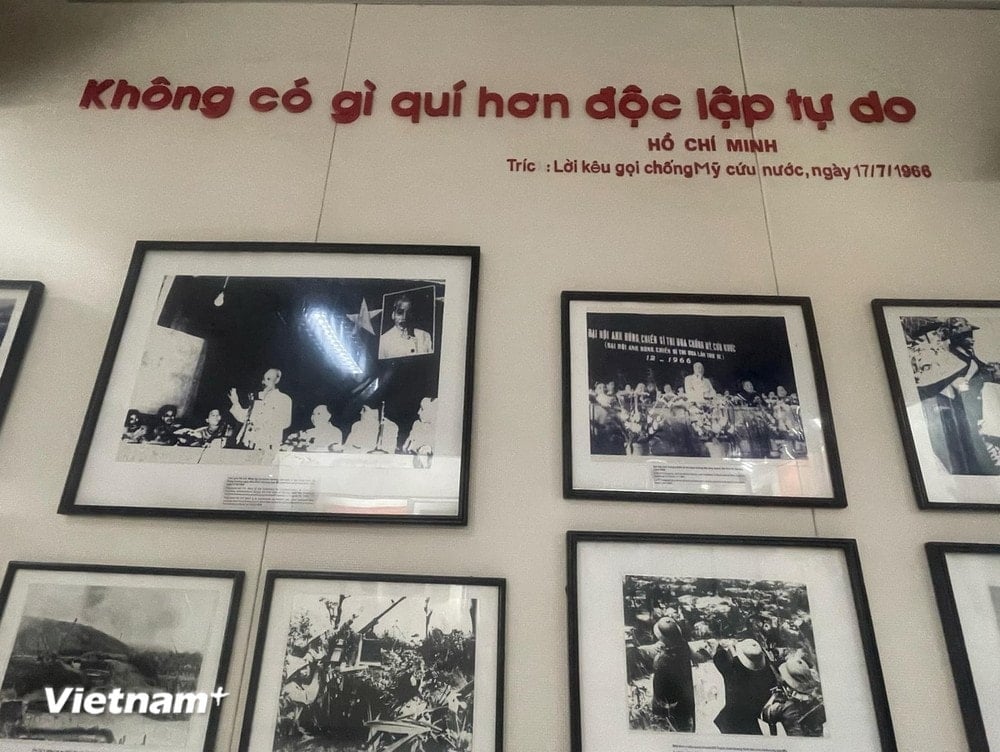
President Ho Chi Minh's appeal to the people and soldiers of the entire country resounded on the Voice of Vietnam radio station on the morning of July 17, 1966, as the Vietnamese people's resistance war against the US for national salvation entered its most intense phase.
This is a historical document of great value, serving as a rallying cry for national unity, consensus in will and action, and strengthening faith to enter the most crucial phase of the resistance war against the US, saving the country; it inspired millions of hearts and minds of compatriots and soldiers to enthusiastically take to the battlefield to fight the enemy and win independence and freedom for the nation.
The proclamation calling on the entire nation included the line: "The war may last 5 years, 10 years, 20 years, or even longer. Hanoi, Hai Phong, and some other cities and factories may be destroyed, but the Vietnamese people are not afraid! Nothing is more precious than independence and freedom."
The motto "Nothing is more precious than independence and freedom" was a tremendous spiritual motivation that spurred generations of Vietnamese people to fight against invading enemies, leading to the great victory of Spring 1975, liberating the South and unifying the country.
In the current process of building and defending the Fatherland, the ideology "Nothing is more precious than independence and freedom" continues to be the guiding principle for the entire Party and people to strive to develop the country, bringing Vietnam to rapid and sustainable development while preserving national identity in the process of integration.
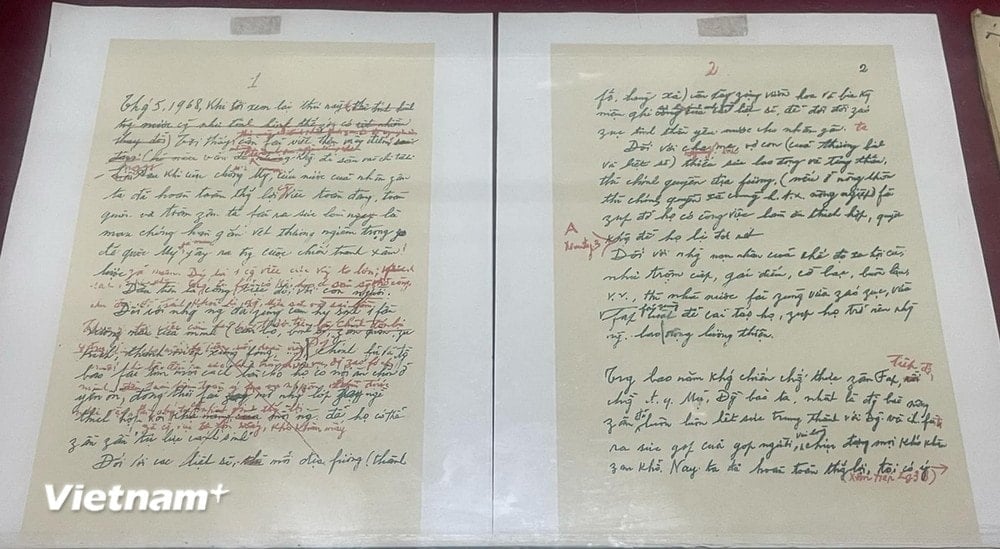
Testament
One of President Ho Chi Minh's most valuable spiritual assets is his thought expressed in his Last Will and Testament, which he left to the Party and the Vietnamese nation.
President Ho Chi Minh's will is the original document he wrote from May 10, 1965, to May 19, 1969. It is a historical document and an invaluable cultural heritage of the Vietnamese Party and nation.
The Testament is the culmination of the finest qualities, ethics, and noble spirit of the leader who dedicated his entire life to the revolutionary cause of the Party and the nation, and its value remains intact to this day.
The immense value of the Testament lies not merely in the final instructions of a person before their departure, but in the crystallization of the essence, morality, and noble soul of a person who dedicated their entire life to the revolutionary cause of the Party and the nation. The value of the Testament will forever endure, forever etched in the minds of every cadre, Party member, and the entire Party and people.
Source: https://baohaiduong.vn/nhung-tac-pham-cua-bac-ho-duoc-cong-nhan-la-bao-vat-quoc-gia-393932.html


![[Image] Close-up of the newly discovered "sacred road" at My Son Sanctuary](/_next/image?url=https%3A%2F%2Fvphoto.vietnam.vn%2Fthumb%2F1200x675%2Fvietnam%2Fresource%2FIMAGE%2F2025%2F12%2F13%2F1765587881240_ndo_br_ms5-jpg.webp&w=3840&q=75)



























































Comment (0)