

People over 40 sometimes experience a slowdown in memory, and their minds are no longer as sharp as they were in their twenties.
This is even more common in people with other health issues, especially conditions like long COVID or menopause, which are notorious for “brain fog.”
People often see it as an inevitable consequence of aging and never really consider that what we put in the fridge or put on the dining table could also be part of the cause.
How the brain changes with age
The brain, like many other parts of the body, undergoes significant changes as we age.
“As we age, our brains naturally change,” says Alexander Zubkov, MD, a board-certified neurologist and member of the Scientific Advisory Board of 1MD Nutrition.
“Blood flow to the brain tends to decrease, and there is often a gradual decline in neurotransmitter levels, especially those involved in memory, mood, and concentration, such as dopamine, acetylcholine, and serotonin.”
Oxidative stress and chronic low-level inflammation, which are known to contribute to cognitive decline, also increase over time, says Dr. Zubkov.
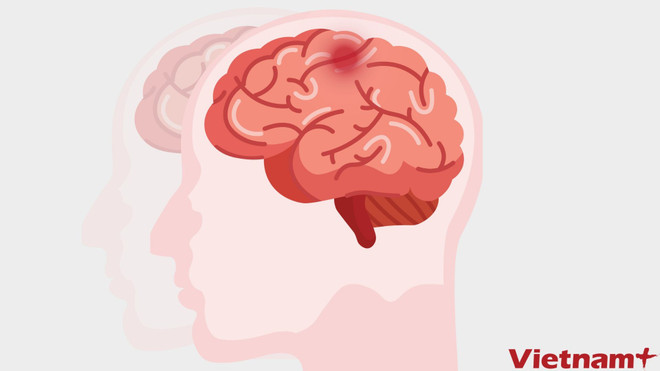
However, age also brings some positive changes.
“As we age, learning and memorizing become more difficult. But not everything goes downhill. Vocabulary increases with age. So does wisdom. Crystallized intelligence, the total amount of knowledge accumulated over time, also increases, helping older adults to think and assess situations more effectively and make wiser decisions,” shared Yuko Hara, Director of the Aging and Alzheimer’s Prevention Program at ADDF.
The food you eat has a significant impact on your brain.
Diet affects almost every part of the body, including the brain.
“A healthy diet is important for brain function and cognitive health,” says Yuko Hara. She says we can maximize the benefits by eating plenty of foods rich in antioxidants and anti-inflammatories.
Dr. Zubkov explains that a nutrient-rich diet helps “provide the raw materials for neurotransmitter production, support cell repair, reduce inflammation, and protect against oxidative damage.”
Foods that are good for the brain.
1. Tea
Green, black, white, and oolong teas are rich in antioxidants (catechins, flavonoids) that help protect brain cells from oxidative stress and inflammation, says nutritionist Lauren Manaker.
Tea also contains L-theanine, which helps relax without causing drowsiness; and caffeine, which increases alertness and cognitive ability.
This combination “helps improve concentration, memory, and alertness.” Several studies have shown that regular tea consumption, especially green tea, has positive effects on cognition in older adults.
2. Walnuts
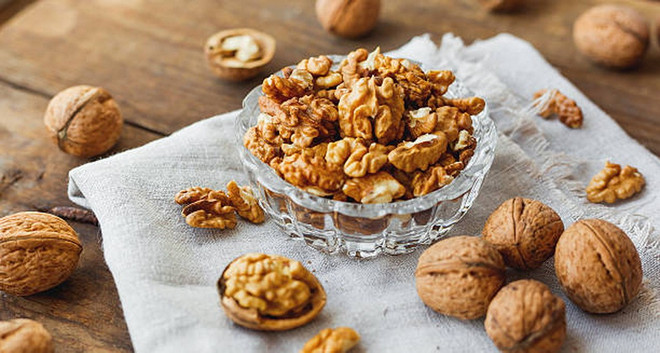
Expert Manaker says that the shape of walnuts, resembling a brain, is a suggestion from nature that they are particularly good for the brain.
They are rich in antioxidants, magnesium, and ALA omega-3 (walnuts are the only nut that provides a high amount of ALA).
Data show that high blood levels of ALA are associated with better energy use in brain regions commonly affected by Alzheimer's, especially in people with genetic risk factors for the disease.
3. Mushrooms
Mushrooms are increasingly being recognized as a superfood for the brain.
They contain ergothioneine, a powerful antioxidant and anti-inflammatory. They provide B vitamins and amino acids that support brain function and energy metabolism.
4. Other foods recommended by experts:
Fatty fish (salmon, sardines): rich in DHA - important for brain cell structure.
Blueberries: rich in anthocyanins, which help fight oxidative stress and improve memory.
Leafy green vegetables (spinach, kale): rich in folate, vitamin K, and lutein – linked to a slower rate of cognitive decline.
Foods to limit
Certain foods can be harmful to the brain and overall health.
Dr. Joshua Helman, a Harvard medical expert on cognitive decline prevention, points out the most concerning group:
Processed foods
Especially foods rich in: refined sugar, refined starch, trans fats, and omega-6 fatty acids.
They cause inflammation and insulin resistance in the brain. Some researchers even call Alzheimer's "type 3 diabetes" because of this connection.
Foods high in salt, nitrates, and additives.
Dr. Helman warned that they can damage blood vessels, a major factor in cognitive decline.
“Many people are surprised to learn that even moderate exposure to pesticides, plastics, and heavy metals in food and water can affect memory and concentration over time,” he added.
Source: https://www.vietnamplus.vn/nhung-thuc-pham-tot-nhat-cho-suc-khoe-nao-bo-cua-ban-sau-tuoi-40-post1080318.vnp

































![[Video] The craft of making Dong Ho folk paintings has been inscribed by UNESCO on the List of Crafts in Need of Urgent Safeguarding.](https://vphoto.vietnam.vn/thumb/402x226/vietnam/resource/IMAGE/2025/12/10/1765350246533_tranh-dong-ho-734-jpg.webp)






























































Comment (0)