

Middle-aged and elderly people should regularly eat whole grains, fresh fish, eggs, milk, lean meat, etc., to maintain their health.
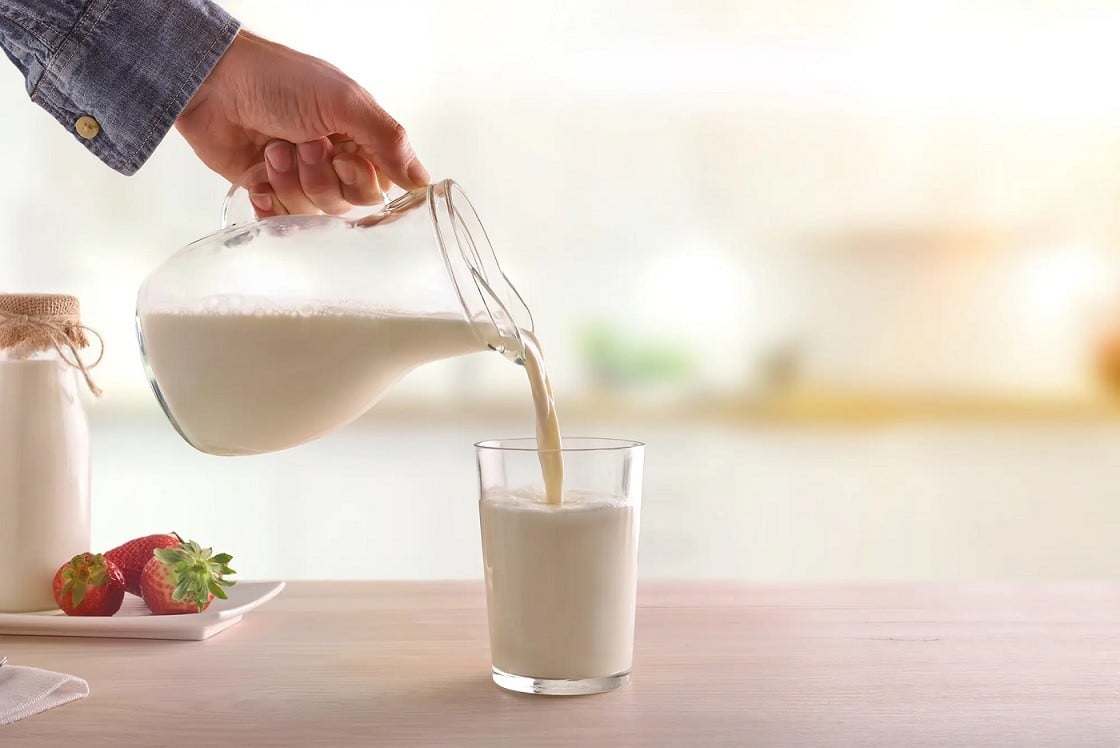 |
| Drinking milk supplements calcium for bones; older adults can choose low-fat or skim milk. (Illustrative image - Source: Shutterstock) |
Whole grains
As we age, intestinal function gradually weakens, making us more prone to constipation. Fiber can promote bowel movements, thereby reducing constipation symptoms. Whole grains are rich in fiber, which can promote bowel movements and prevent constipation.
Whole grains are also rich in B vitamins and minerals such as vitamin B1, vitamin B2, magnesium, and zinc. These nutrients are crucial for maintaining cardiovascular health, boosting immunity, and promoting metabolism.
The nutrients in whole grains are more easily absorbed and utilized by the body compared to refined grains.
However, because whole grains are high in fiber, eating too much can cause digestive discomfort. You should gradually increase your intake of whole grains to allow your gut to adapt.
Fresh fish
Fish is a high-quality source of protein. In addition, fish is rich in vitamins A and D, calcium, phosphorus, selenium, and other nutrients crucial for maintaining eyesight, bone health, and dental health. Unsaturated fatty acids like Omega-3 found in fish help improve brain function, enhance memory and cognitive abilities, and prevent Alzheimer's disease.
Middle-aged and elderly people should eat more fish, especially deep-sea fish rich in unsaturated fatty acids such as salmon, cod, and tuna. However, due to the decline in bodily functions in middle-aged and elderly people, their ability to digest and absorb nutrients is relatively weak.
Therefore, fish should be prepared using easily digestible methods such as steaming and stewing; frying should be avoided.
Egg
Eggs are rich in high-quality protein, which is important for middle-aged and older adults to maintain muscle strength, promote tissue repair, and boost immunity. Eggs are also rich in vitamins and minerals such as vitamin A, vitamin D, vitamin B12, iron, and zinc.
Additionally, egg yolks contain abundant amounts of lecithin and choline, which are beneficial for healthy brain function. Lecithin can promote the synthesis of neurotransmitters, improving memory and cognitive abilities. Choline is a raw material for the production of acetylcholine, a substance that plays a crucial role in neurotransmission.
However, middle-aged and elderly people should consume eggs in moderation because egg yolks contain a high amount of cholesterol, so those with high blood lipid levels should control their intake.
Generally, these people should only consume one egg per day.
Soy products
Dishes made from soybeans, mung beans, peas, broad beans, and other legumes are rich in high-quality protein, dietary fiber, vitamins, and minerals, making them very good for health.
For middle-aged and older adults, protein is especially important for maintaining muscle mass and boosting immunity. Compared to animal protein, soy products are rich in plant-based protein, contain no cholesterol or saturated fat, and are more beneficial for cardiovascular health.
As we age, bowel movements slow down, making us more prone to digestive problems. Dietary fiber can promote bowel movements, improve digestive function, and prevent constipation and other intestinal diseases.
In addition, soy products are rich in minerals such as calcium, iron, and zinc, which help maintain bone density, improve blood circulation, and boost immunity in middle-aged and elderly people.
At the same time, soy products are also rich in vitamins, especially B vitamins, which help promote metabolism and nervous system health.
Lean
Lean meat is a high-quality source of protein. Although the body's protein requirements are relatively low in older adults, protein remains crucial for maintaining muscle and bone health, the immune system, and more.
The protein in lean meat contains essential amino acids for the human body, which are easily absorbed and utilized, helping to maintain muscle strength and immune function in older adults.
Furthermore, lean meat is rich in minerals such as iron and zinc. These minerals are often deficient in the bodies of older adults and are crucial for maintaining normal physiological functions.
For example, iron is a component of hemoglobin, which can prevent anemia, while zinc helps maintain a healthy immune and nervous system.
Lean meat also contains B vitamins, such as vitamin B12, which helps maintain a healthy nervous system in older adults. At the same time, B vitamins contribute to improved metabolism and overall good health for the elderly.
Choose lean meats like lamb and beef, try to use healthy cooking methods such as steaming, boiling, and stewing, and reduce frying and stir-frying.
Milk
As we age, bone density gradually decreases, making older adults more susceptible to fractures and other problems. Drinking plenty of milk can supplement calcium, strengthen bones, and prevent osteoporosis.
Milk contains vitamin D, which helps promote calcium absorption. Milk also contains high-quality protein, which is crucial for maintaining muscle mass in older adults and preventing muscle atrophy.
Older adults can choose low-fat or skim milk to reduce their fat intake.
Source







































































































Comment (0)