

Approximately 70% of new HIV infections are concentrated mainly in the southern region, with an increasing trend among those aged 15-29.
Approximately 70% of new HIV infections are concentrated mainly in the southern region, with an increasing trend among those aged 15-29.
The HIV/AIDS epidemic in Vietnam is becoming increasingly complex, with a noticeable change in transmission patterns. Among newly diagnosed HIV-infected individuals, men who have sex with men (MSM) are the primary source of infection.
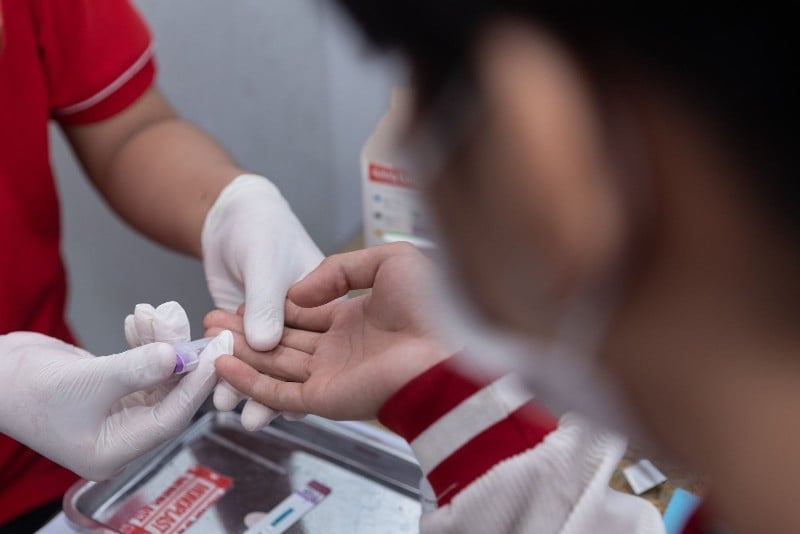 |
| Approximately 70% of new HIV infections are concentrated mainly in the southern region, with an increasing trend among those aged 15-29. |
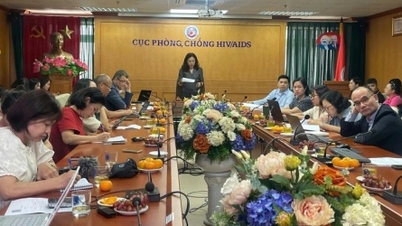
Associate Professor Phan Thi Thu Huong, Director of the Department of HIV/AIDS Prevention and Control, Ministry of Health , stated that in the first nine months of 2024, the country recorded over 11,400 new HIV-positive cases, with nearly 1,300 deaths. Among those newly diagnosed with HIV since the beginning of the year, 82.9% are male, primarily aged 15-29 (40%) and 30-39 (27.3%).
In Vietnam, since the first case was detected in 1990 in Ho Chi Minh City, approximately 267,000 people nationwide are living with HIV, with 100% of provinces and cities reporting cases.
Notably, nearly 70% of new HIV infections are concentrated mainly in the Mekong Delta (31.2%), Southeast region (12.8%), and Ho Chi Minh City (24.3%); the age group of 15-29 years old is showing a high trend.
Ms. Huong noted that the HIV/AIDS epidemic remains complex. In recent years, the pattern of HIV transmission has changed significantly – from blood transmission among injecting drug users to sexual transmission, especially among MSM (men who have sex with men). This group accounts for a large proportion of new HIV infections, with over 40% of cases detected annually.
However, these individuals still face discrimination and stigma from the community, and are afraid to come out, making it very difficult for them to access HIV prevention services.
Of concern is the increasing number of young people infected with HIV. Some provinces and cities have detected infections among teenagers, including students in grades 10 and 11. These students reported having engaged in same-sex sexual activity or having used synthetic drugs. These factors increase the risk of HIV transmission.
Experts predict that the number of people infected with HIV among MSM will continue to increase in the coming period. The reason is that this group lives scattered across provinces and cities, making it difficult to reach them regionally as was the case with drug addicts in the past.
Social media has developed, with groups and communities dedicated to same-sex relationships flourishing, making it easier for them to find and connect with many partners.
Recent studies have also shown that transgender women are among the groups at increased risk of HIV infection, a risk that has been rising in recent years.
Furthermore, studies also show that infection trends are beginning to increase in non-priority provinces and cities. This is accompanied by complex risk behaviors such as the use of synthetic drugs, "chemsex" (using substances during sexual intercourse), and group sex. This not only spreads HIV but also transmits sexually transmitted diseases, hepatitis B and C, etc., increasing the burden on the healthcare system.
Furthermore, because MSM do not experience the psychological fear of pregnancy, the use of condoms—one of the methods of contraception—is not as important to them as it is to heterosexual couples. Additionally, some members of this group may engage in group sex or have multiple partners.
They also tend to use stimulants such as drugs, alcohol, beer, etc., to increase pleasure and seek different sensations, leading to a loss of control over safe behavior. In addition, aggressive sexual behavior may occur, resulting in greater harm.
Many individuals are unaware of their sexual partners, especially their health status. Some carry multiple overlapping risk factors, such as injecting drugs, having multiple sexual partners (both male and female), frequently changing partners, and potentially having other sexually transmitted diseases...
Based on the World Health Organization's classification, Vietnam is currently in a phase where the epidemic is concentrated among groups with high-risk behaviors for HIV infection.
The risk of HIV infection is tending to affect younger people, and risky behaviors among high-risk groups are becoming increasingly complex, such as the use of synthetic drugs and same-sex relationships. Access to interventions is difficult due to persistent stigma and discrimination against people living with the disease.
To achieve the goal of ending the HIV epidemic by 2030, Vietnam is pursuing equitable access to HIV/AIDS prevention and control services, ensuring that HIV/AIDS prevention, testing, care, and treatment services are provided to all based on their actual needs, rather than on their financial capacity, social status, or other factors.
Equality in access to HIV/AIDS prevention and control services means ensuring that all individuals, regardless of gender, age, ethnicity, region, economic status, or any other personal characteristic, have the right to access HIV/AIDS prevention and control services without discrimination.
Ending the AIDS epidemic by 2030, which Vietnam is aiming for, does not mean there will be no new infections or deaths from AIDS, but rather ensuring that AIDS is no longer a serious public health problem, with criteria such as fewer than 1,000 new HIV infections per year and a mother-to-child transmission rate of less than 2%.
Over the years, Vietnam has demonstrated its commitment through the development and implementation of specific policies to ensure that all citizens, including high-risk groups, have fair and equitable access to HIV/AIDS prevention and control services.
Source: https://baodautu.vn/noi-dai-noi-lo-dai-dich-hiv-viet-nam-d231081.html
![[Photo] General Secretary and President To Lam presides over the meeting to approve the draft report on the results of the second inspection by the Politburo of the Standing Committee of the Hanoi City Party Committee.](https://vphoto.vietnam.vn/thumb/1200x675/vietnam/resource/IMAGE/2026/05/26/1779789811432_a2-bnd-4430-9620-jpg.webp)

































































Comment (0)