

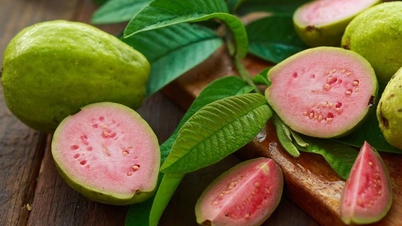
In terms of nutritional content, white-fleshed guava stands out for its high vitamin C content. 100 grams of white-fleshed guava contains nearly 230 mg of vitamin C, while red-fleshed guava contains only 200 mg, according to the health website Healthline (USA).
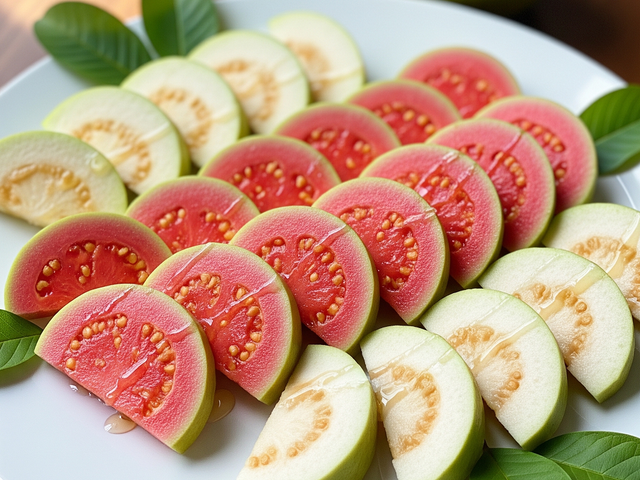
Both red-fleshed and white-fleshed guavas contain many nutrients that are good for health.
PHOTO: AI
This means that white-fleshed guava is better suited to supporting the immune system and collagen synthesis. Conversely, red-fleshed guava is rich in lycopene and carotenoids, which are powerful antioxidants that help protect cardiovascular health and reduce the risk of cancer.
In terms of water, sugar, and fiber content, white-fleshed guava has a water content of approximately 83% compared to 81% in red-fleshed guava. At the same time, the fiber content in 100 grams of white-fleshed guava is 8.5 grams, higher than the 7.3 grams in red-fleshed guava. Meanwhile, red-fleshed guava has a slightly higher sugar content and contains more water, making it suitable for natural refreshment.
In terms of minerals, red-fleshed guava has slightly higher zinc content than white-fleshed guava. Meanwhile, the amounts of potassium, calcium, magnesium, and iron are almost the same in both types of guava.
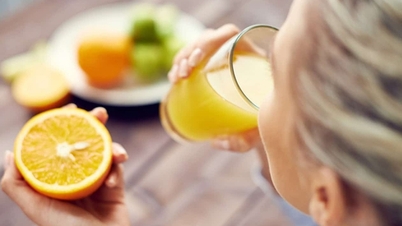
Is drinking a glass of fruit juice every day good for you?
Red-fleshed guavas contain more antioxidants.
In terms of overall health benefits, red-fleshed guava is often praised for its high content of the antioxidant lycopene. This substance can protect cardiovascular health, reduce inflammation, and prevent prostate cancer. Additionally, the carotenoid antioxidants in red-fleshed guava help protect the skin from sun damage.
Both types of guava are rich in fiber, thus supporting the digestive system, lowering cholesterol, and controlling blood sugar. However, white-fleshed guava, with its higher fiber content, is considered more beneficial for weight management.
Thanks to their eye-catching color, red-fleshed guavas usually command a higher price, while white-fleshed guavas are cheaper and easier to find, according to Healthline.
Source: https://thanhnien.vn/oi-ruot-do-va-ruot-trang-loai-nao-bo-duong-hon-185250911124523246.htm












































![[Video] Sunset at Lap An Lagoon – Where the sun sets over the fishing nets](https://vphoto.vietnam.vn/thumb/1200x675/vietnam/resource/IMAGE/2026/05/31/1780192137701_beach-landscape-sea-water-nature-grass-745871-pxhere-com.jpeg)































Comment (0)