

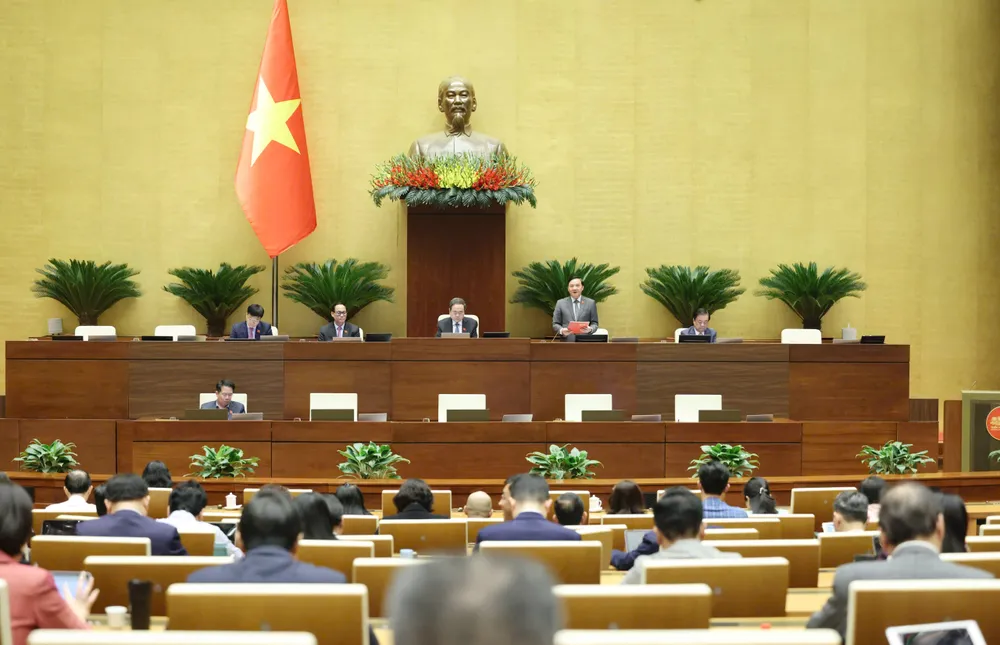
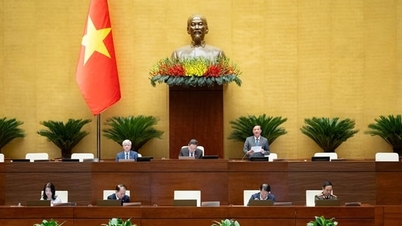
Presenting the report explaining, receiving feedback, and revising the draft laws before their adoption, National Assembly Standing Committee member Hoang Thanh Tung stated that the draft Law on the Execution of Temporary Detention, Custody, and Prohibition from Leaving the Place of Residence consists of 12 chapters and 74 articles; the Law on the Execution of Criminal Sentences (amended) consists of 15 chapters and 180 articles, with many innovative contents aimed at reforming procedures, increasing humanity, and aligning with practical realities.
One of the issues attracting public attention is the new regulation on the right of prisoners to donate tissues and organs. The law allows prisoners to donate tissues and organs, but they must meet strict conditions under Article 53 to prevent the risk of exploitation for organ trafficking.
Accordingly, the donation must be entirely voluntary on the part of the inmate, who bears all the costs, and can only be donated to close relatives. This regulation only applies to inmates who have committed a crime for the first time, belong to the category of less serious or serious crimes, and have less than 3 years remaining on their sentence. The law does not yet allow inmates to store eggs or sperm due to the impracticality of technical conditions and facilities.
Furthermore, the amended Law on the Execution of Criminal Sentences officially legalizes the organization of labor, vocational guidance, and vocational training for prisoners outside of prisons. To ensure security, the law clearly stipulates the cases in which prisoners are not allowed to work outside. To encourage business participation, the law stipulates that income from organizing labor and vocational training for prisoners will be tax-exempt.
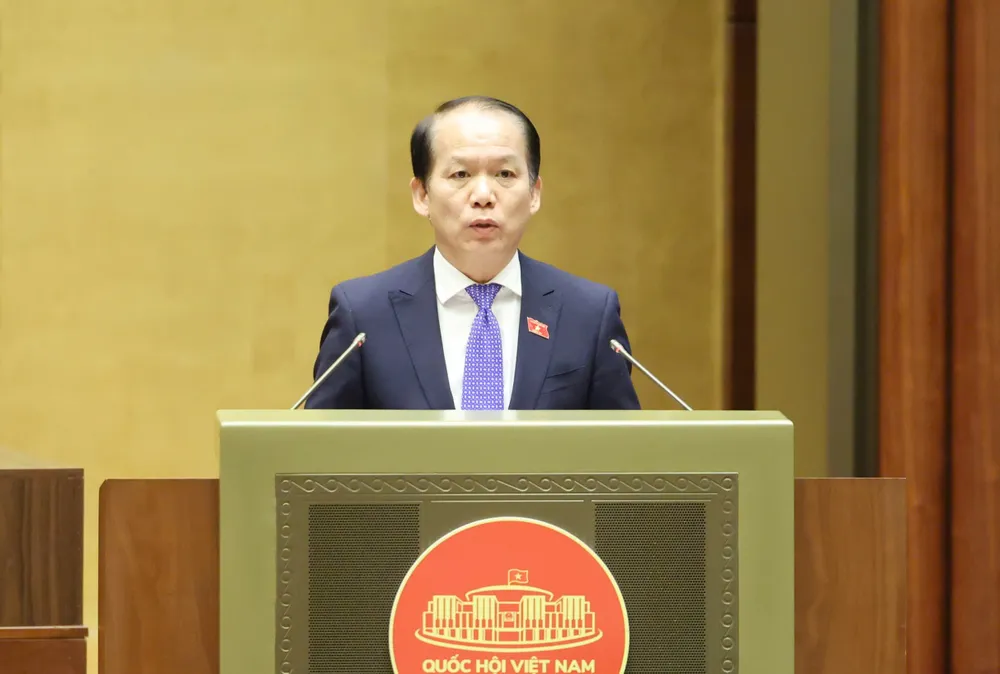
Regarding the Law on the Execution of Temporary Detention, Custody, and Prohibition from Leaving the Place of Residence, several notable amendments have been made. Concerning the right to receive gifts, the initial draft only permitted receiving money and essential items, but after many delegates suggested maintaining the current regulations, the law was amended to allow those temporarily detained or in custody to receive gifts, including physical items, from relatives.
Regarding the concept of "prohibition from leaving one's place of residence," the law clarifies that the scope of application is the commune, ward, or special administrative region where the person resides, or the area managed by a military unit. This regulation aims to facilitate easier control and management by authorities as required by legal proceedings.
Source: https://www.sggp.org.vn/pham-nhan-chi-duoc-hien-mo-bo-phan-co-the-cho-nguoi-than-thich-post827915.html






























![[Video] The craft of making Dong Ho folk paintings has been inscribed by UNESCO on the List of Crafts in Need of Urgent Safeguarding.](https://vphoto.vietnam.vn/thumb/402x226/vietnam/resource/IMAGE/2025/12/10/1765350246533_tranh-dong-ho-734-jpg.webp)























































Comment (0)