Given its mountainous terrain and unique position as the only province with a border shared by two countries, Laos and China, totaling 455.573 km, the living standards and legal awareness of a segment of the population remain limited. This is one of the underlying factors contributing to complex security and order issues. In light of this situation, every year, Party committees and organizations at all levels have led cadres, Party members, and the people to maintain vigilance against the schemes and tactics of hostile forces. Simultaneously, they have effectively implemented Conclusion No. 100-KL/TW of the Party Central Committee on "Renewing and improving the quality of investigation, understanding, and research of public opinion" (hereinafter referred to as Conclusion 100).
In Muong Nha district, based on the directives of the higher-level Party committee, the District Party Committee's Propaganda Department has focused on directing and implementing all assigned tasks in a coordinated manner. With the task of monitoring and summarizing the ideological situation among cadres, Party members, and the people, and developments in the ideological and cultural fields in the district, the district's propaganda force promptly advises the Party committee and relevant state management agencies at the same level on the direction, tasks, content, and solutions, especially for newly arising and prominent issues in the area.

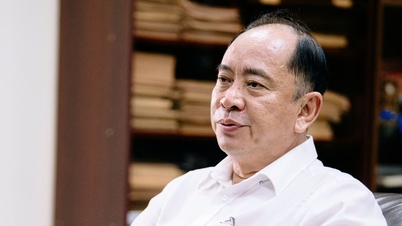
Ms. Pờ Diệu Ninh, Head of the Propaganda Department of the Mường Nhé District Party Committee, stated: Ideological concerns or obstacles stem from incomplete understanding, difficulties, or limitations in the process of organizing and implementing the Party's policies and the State's laws, affecting the rights, thoughts, and psychology of a segment of cadres, Party members, and the people. To create consensus among the people, propaganda work needs to proactively anticipate and guide events to gain a firm grasp of the situation, and then follow up to definitively resolve ideological and social sentiment issues and draw lessons from them.
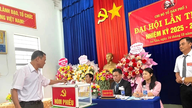

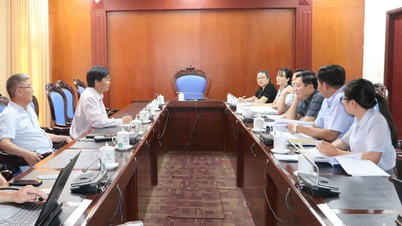
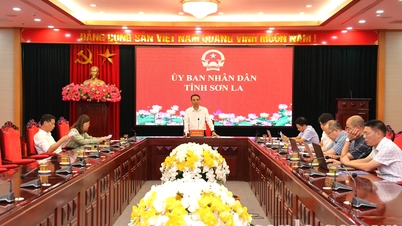
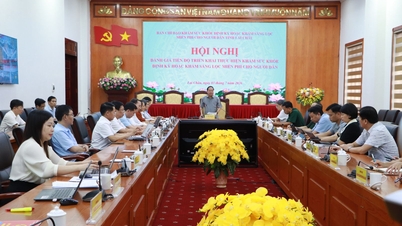
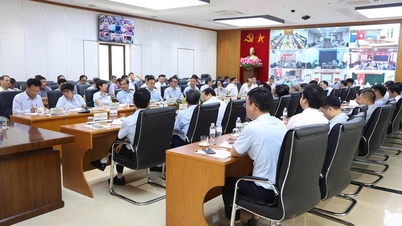
To ensure accurate and effective monitoring of public opinion, under the leadership of the Provincial Party Committee, Party committees at all levels have consistently innovated and improved the quality and effectiveness of their survey work throughout various terms and periods; diversifying methods and approaches to gathering and synthesizing information through multiple channels. Specifically, this includes: coordinating sociological surveys; conducting voter outreach sessions by National Assembly and People's Council representatives at all levels; compiling opinions from cadres and Party members; and holding regular briefing meetings. The Provincial Party Committee's Propaganda Department maintains a regular monthly and ad hoc press briefing; provides comprehensive information materials, thematic information, and Party branch activity newsletters compiled and published periodically (41,340 copies/year), promptly serving propaganda work, Party branch activities, and guiding public opinion and ideology.

In addition to focusing on information gathering, Party committees at all levels have also effectively promoted the improvement of the quality and effectiveness of the team of speakers at all levels. The province currently has 5 central-level speakers, 44 provincial-level speakers, 299 district-level speakers; and over 3,200 grassroots-level speakers and propagandists. This is a core force that promptly provides information on policies and laws, current events at the national and international levels, and within the province to the people. At the same time, speakers serve as a channel for receiving feedback and reflections from the grassroots, guiding the thinking of cadres, Party members, and all segments of the population.
Furthermore, media outlets such as the Dien Bien Phu Newspaper, the Provincial Radio and Television Station, the Provincial Literature and Arts Association, and other publications within the province consistently adhere to political tasks, actively disseminating information through mass media about the policies and guidelines of the Party, the State, the province, and local authorities, ensuring proper direction, especially regarding current events and political issues of public interest.
It can be said that, over the 10 years since the implementation of Conclusion No. 100 of the Party Central Committee, Party committees, governments, the Fatherland Front, and political and social organizations from the provincial to the grassroots level have continuously innovated and improved the quality of their work in investigating, understanding, and researching public opinion with many approaches suitable to local realities. Typical examples include compensation for land clearance; environmental protection and mineral resource exploitation; religious affairs; healthcare and disease prevention and control; and addressing conflicting information on the internet and social media. This has fostered consensus among the people, contributing to the consolidation and strengthening of the Party and the political system.
Source