

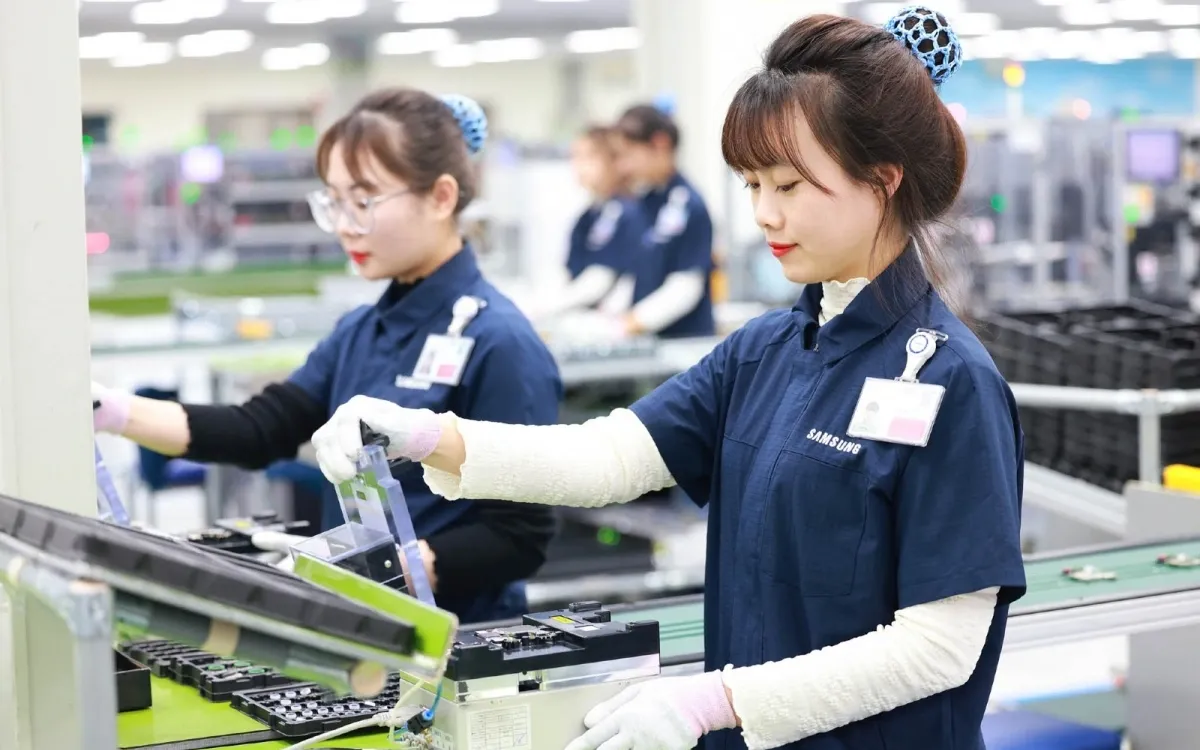
FDI is still the "golden lever"
In the context of volatile global trade and increasingly fierce competition, 2025 marks a particularly important time for Vietnam. The foreign direct investment (FDI) sector continues to play the "backbone" role in import and export activities, while creating a driving force to promote product quality upgrading, supply chain standardization and shift to a high-value production model. For Vietnam, this is not only an opportunity to expand trade but also a key moment to reposition the economy towards more autonomy and sustainability.
In the first 10 months of 2025, the FDI sector affirmed its pivotal role when accounting for 72.15% of the total import-export turnover of the whole country. This proportion is especially high in exports, reaching 75.6%, showing that for every 4 USD of exported goods, 3 USD comes from the FDI sector. This means that the domestic economic sector only contributes about 24.4% of export turnover. This large difference warns of the level of dependence and risks if supporting industries are not quickly developed. Vietnam needs a strong strategy for domestic enterprises to participate more deeply in the value chain.
According to economist Dr. Nguyen Minh Phong, since the beginning of the year, the FDI sector has continued to affirm its irreplaceable position in the Vietnamese economy - acting as a "golden lever" and the "backbone" that helps Vietnam maintain growth momentum and stabilize the trade balance. This overwhelming influence is clearly demonstrated through impressive statistics.
According to the latest data from the Customs Department ( Ministry of Finance ), the FDI sector is recorded to account for more than 72% of the total import-export turnover of the entire economy. This figure not only shows the central role in trade but also shows the stability in terms of production, employment and foreign exchange that the FDI sector brings. Economic experts all agree that maintaining such a large proportion in import-export activities helps Vietnam minimize the impact of external shocks, especially in the context of major markets tending to protect or restructure supply chains.
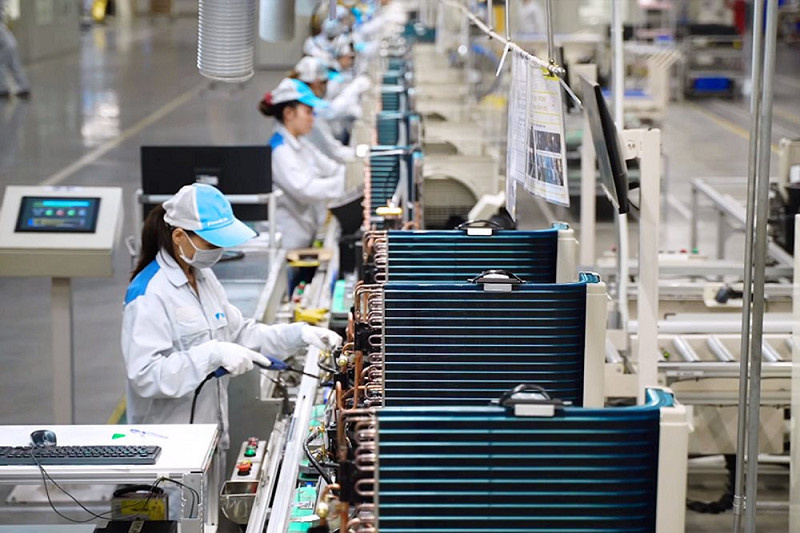
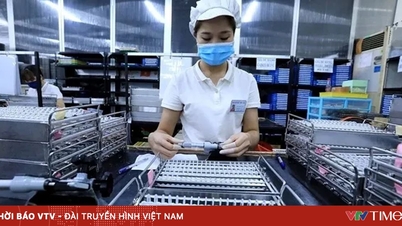
FDI enterprises often own large scale and global supply chain networks.
Analyzing further, Mr. Phong said that the FDI sector maintains this leading position thanks to its outstanding competitive advantages. FDI enterprises often possess large scale, global supply chain networks, along with modern technology and strict international production standards. This not only helps goods produced in Vietnam easily meet technical requirements and access international markets more quickly, but also creates stability in input materials and product output. Moreover, the continuous and stable investment of FDI capital flows into licensed projects, regardless of macroeconomic fluctuations, is also a key factor in consolidating the leading role of this sector.
However, this over-concentration also contains some risks that Vietnam needs to clearly recognize. "Although the high proportion of FDI in exports is a bright spot in terms of integration and growth maintenance, it is also a warning about the level of dependence. If capital flows are not directed to high technology and foundational industries, and the competitiveness of domestic enterprises is not improved, attracting FDI that only focuses on processing and assembly will put Vietnam at great risk. This leads to low added value, dependence on foreign technology and limited production autonomy," Mr. Phong analyzed. Over-reliance on foreign enterprises with global value chains makes the economy vulnerable to geopolitical fluctuations, sudden changes in trade policies or global logistics incidents.
Economic experts have warned that if the supporting industry and domestic enterprises do not upgrade in time, Vietnam will find it difficult to escape the "assembly factory" model, where most of the value in R&D, design, and branding still belongs to foreign corporations. This is the biggest barrier to creating a sustainable economy.
Welcoming new generation FDI and creating Vietnam's internal strength
The period from 2025 to 2030 will be the "golden window" for Vietnam to escape the bottom of the value chain, if it chooses the right direction and invests in the right focus. The strong presence of FDI provides a good foundation for growth, but also puts pressure on domestic enterprises to innovate. Without upgrading technology, governance and product standards, Vietnamese enterprises will find it difficult to become partners in the supply chain of international corporations or open their own way into high-end markets.
According to economic experts, at the present time, when FDI is still creating strong momentum, it is time for Vietnam to change its mindset, seeing this capital flow not only as a source of capital but also as a strategic opportunity to build a modern, self-reliant economy with higher added value. This is the only way to "escape the outsourcing trap" on a national scale.
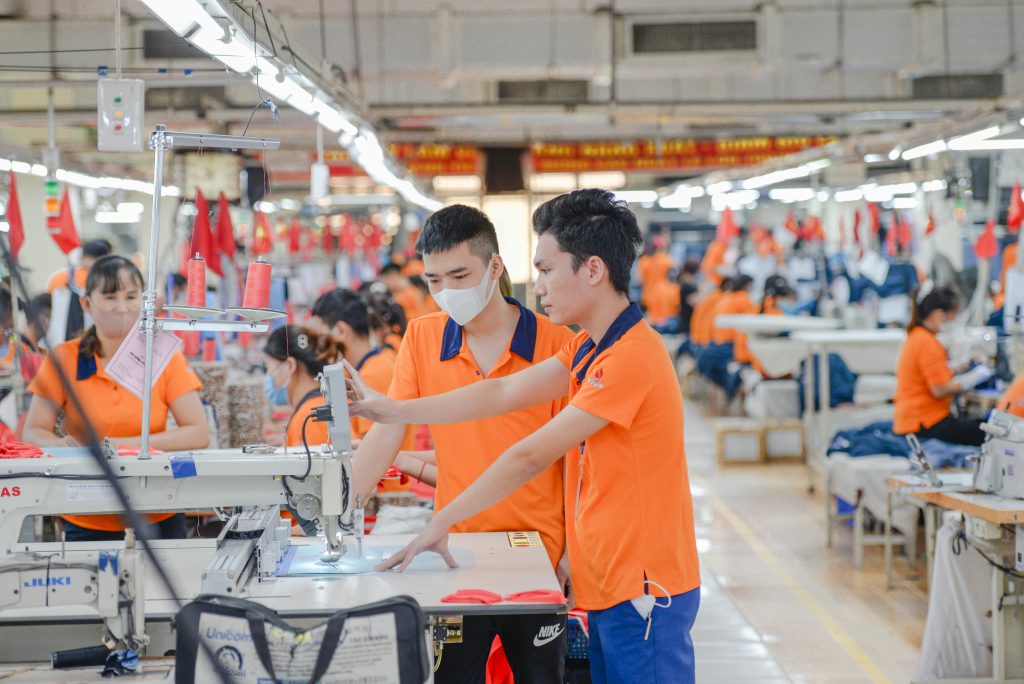
Only when Vietnamese enterprises are strong enough to participate deeply in the supply chains of FDI corporations will the spillover effect truly be maximized.
"Instead of rolling out the red carpet for all types of investment, Vietnam's key strategy now is to screen and prioritize attracting "new generation FDI". This capital flow must focus on areas that create high added value, including high technology, deep processing, R&D, artificial intelligence, and green logistics. This is aimed at the strategic goal of upgrading the manufacturing industry, shifting from assembly to manufacturing, from labor-intensive to technology-intensive", Mr. Phong recommended.
If FDI capital is not properly oriented but still focuses on low-value processing and assembly models, the economy will not be able to improve labor productivity and will easily fall into the situation of "exporting volume and low value". This is a big challenge that requires drastic macro policies. Prioritizing high technology will not only help Vietnam avoid this trap but also contribute to improving the quality of human resources, creating a premise for long-term sustainable development.
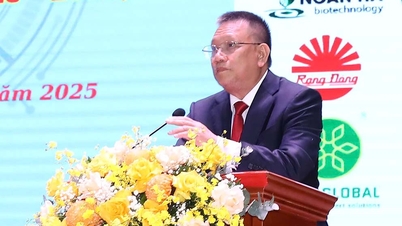
In addition to screening FDI capital flows, the fundamental and sustainable solution is to strongly develop supporting industries and improve the capacity of domestic enterprises. Only when Vietnamese enterprises are strong enough to participate deeply in the supply chains of FDI corporations, will the spillover effect truly be maximized. "For the economy to be self-reliant and competitive sustainably, we need to focus on developing brands and improving the quality of domestic products. Domestic enterprises must be strong enough to become partners, not just mere auxiliary suppliers for FDI", emphasized Dr. To Hoai Nam - Permanent Vice President and General Secretary of the Vietnam Association of Small and Medium Enterprises.
According to Mr. Nam, the strategy to support domestic enterprises needs to be implemented synchronously, including administrative reform, preferential tax policies, capital support, specialized technical training and upgrading management standards and production quality to meet the high requirements of the global value chain. This aims at the major goal of creating a close, mutually beneficial connection between the FDI sector and domestic enterprises, thereby creating real added value in the country.
It can be seen that the strength of FDI, reinforced by impressive import-export figures, is a strategic opportunity for Vietnam to make a transformation push. Taking advantage of the wave of deep processing, high technology and the strength of "new generation" FDI will help Vietnam gradually transform from the role of a "factory" to a "high-value manufacturing partner with a modern, branded supply chain" in the international market. To turn potential into reality, consensus and high determination from the Government, FDI enterprises and domestic enterprises are needed. Stability in policy, efforts to improve internal capacity and a strategy to attract high-quality FDI are the keys to creating a sustainable, modern and self-reliant economy in the coming period./.
Source: https://vtv.vn/tan-dung-don-bay-fdi-de-chuyen-minh-tu-cong-xuong-sang-doi-tac-gia-tri-cao-100251204111642785.htm

![[Photo] National Assembly Chairman Tran Thanh Man attends the VinFuture 2025 Award Ceremony](/_next/image?url=https%3A%2F%2Fvphoto.vietnam.vn%2Fthumb%2F1200x675%2Fvietnam%2Fresource%2FIMAGE%2F2025%2F12%2F05%2F1764951162416_2628509768338816493-6995-jpg.webp&w=3840&q=75)

![[Photo] 60th Anniversary of the Founding of the Vietnam Association of Photographic Artists](/_next/image?url=https%3A%2F%2Fvphoto.vietnam.vn%2Fthumb%2F1200x675%2Fvietnam%2Fresource%2FIMAGE%2F2025%2F12%2F05%2F1764935864512_a1-bnd-0841-9740-jpg.webp&w=3840&q=75)








































































Comment (0)