

TPO - In Binh Duong province, there are 5 ancient houses belonging to the wealthiest people of the past, including 2 national-level historical sites: the houses of Tran Van Ho and Tran Cong Vang, and 3 provincial-level historical sites: the houses of Nguyen Tri Quan, Do Cao Thua, and Duong Van Ho. The house of Tran Van Ho is considered the wealthiest, with 300 workers constructing it over 3 years.
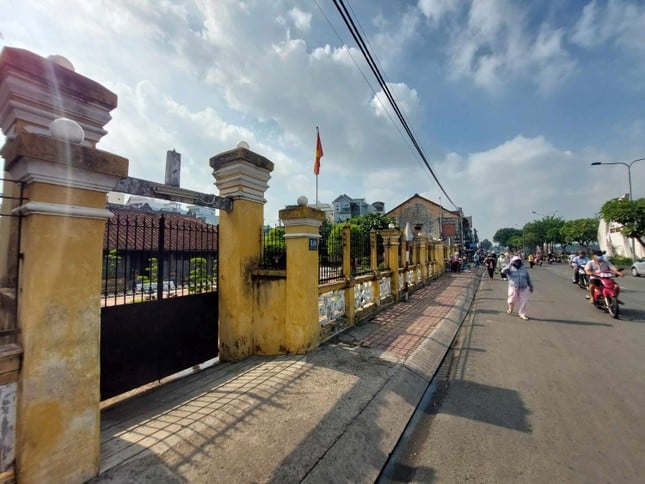 |
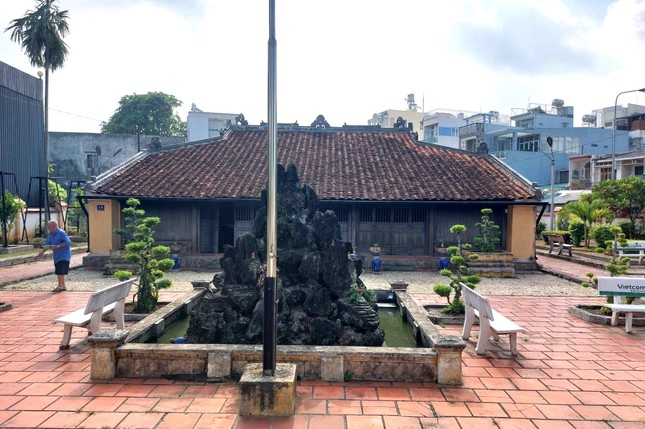
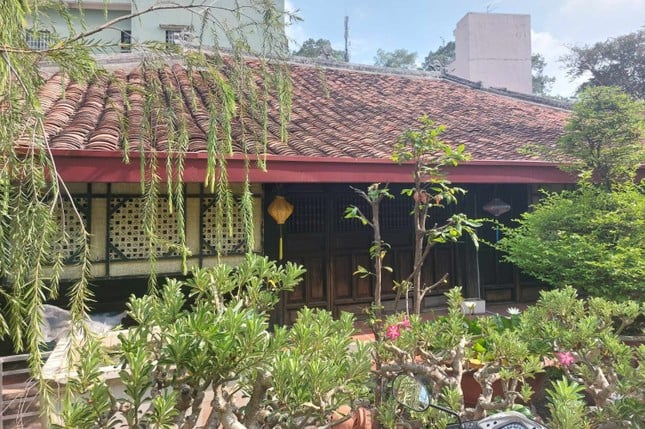
The Tran Van Ho ancient house is located on Bach Dang Street (Phu Cuong Ward, Thu Dau Mot City, Binh Duong Province). Built in the year Canh Dan (1890), the house has a "Dinh" shaped architectural style and a total construction area of 200m2. The ancient house is built in a three-bay, two-wing style, supported by 36 round columns arranged in six rows from front to back, with six columns in each row resting on stone foundations. The floor is paved with traditional Vietnamese tiles. |
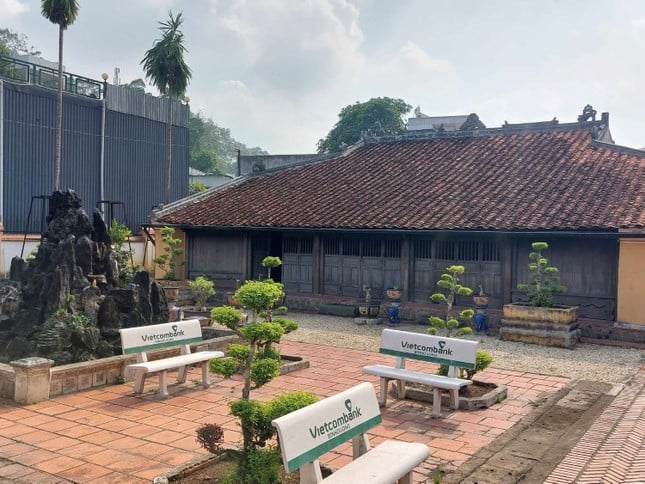 |
According to Mr. Mai Van Toi (85 years old), the caretaker of the house, it used to be a very large property, encompassing many different sections. However, after two wars, some surrounding structures were demolished. Despite this, the main house remains almost completely intact. The front of the house faces southwest, towards the Saigon River, to enjoy the cool, fresh breeze year-round. |
 |
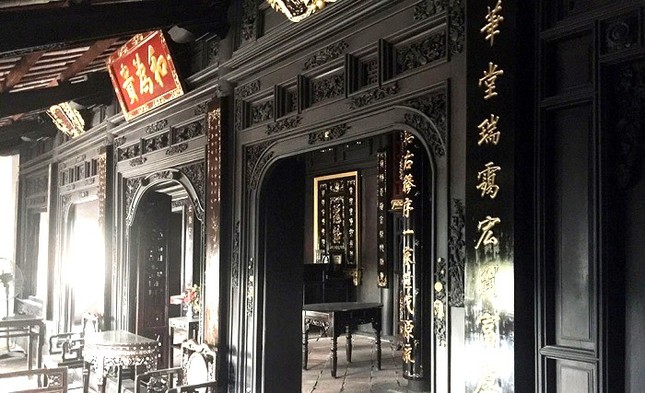
According to Mr. Toi, the materials used to build the house were all precious woods such as rosewood, sandalwood, ebony, and mahogany, reflecting the owner's prosperity. From the wooden beams and square patterns to the relief carvings, everything was arranged symmetrically down to the smallest detail, creating a majestic and dignified appearance, showcasing a regal style. |
 |
According to Mr. Mai Van Toi, to build the house, the homeowner hired more than 300 craftsmen from the ancient capital of Hue to come to Binh Duong, and the construction lasted for three years. The house is located next to and facing the Saigon River because the homeowner was the owner of the largest shipyard in Binh Duong at that time. Notably, women are not allowed to enter the house, even if they are the homeowner's daughters or granddaughters. |
 |
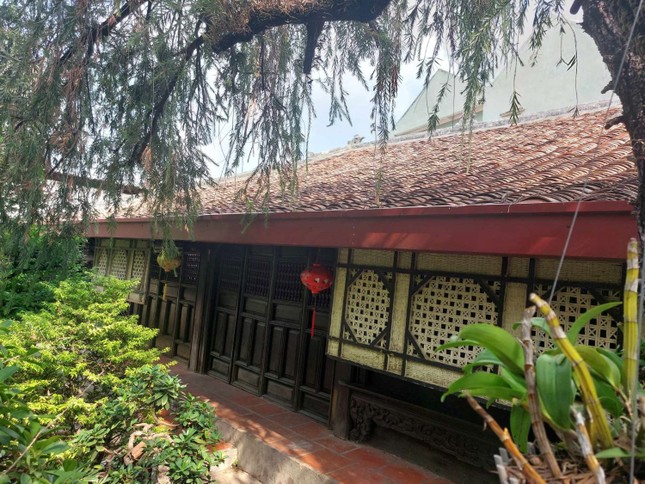
The interior decoration of the house is elaborately carved, from the base of the columns to the roof, tables, chairs, cabinets, altars, window frames, and decorative panels... horizontal plaques, couplets, four-panel paintings, and scrolls... all are meticulously carved, painted, and inlaid with mother-of-pearl, making the house magnificent and solemn. |
 |
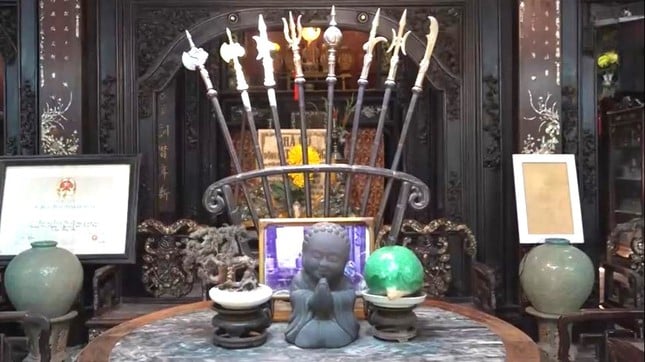
The house's layout consists of a main house with five bays and two wings, a worship area, a reception area, and separate rooms for living and storing belongings. The reception area comprises two central chambers (from the second to the fourth row of columns), where tables and chairs are placed. In the central chamber is a large round table with a marble top, on which rests an Eight Treasures (ancient weapons) stand. Around the table are chairs with intricate carvings and rich symbolic meanings. |
 |
The lower part of the house is a horizontal structure, built in a simpler style than the upper part. This horizontal structure is used for receiving guests, as well as for family living, dining, and kitchen activities. In front of the horizontal structure is a garage facing the gate. The front yard of the old house is planted with many potted plants and ornamental trees, adding to the house's antique charm. |
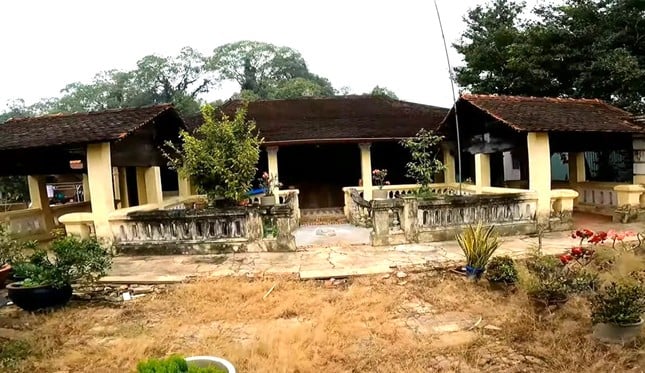 |
The Nguyen Tri Quan ancient house in Ward 1 (Tan An Ward, Thu Dau Mot City) was built in 1890. Its architecture is shaped like the Chinese character "口" (mouth), consisting of four buildings: a temple and a guesthouse situated parallel to each other, facing southeast and separated by a small courtyard; connecting the guesthouse and the temple are two side buildings. |
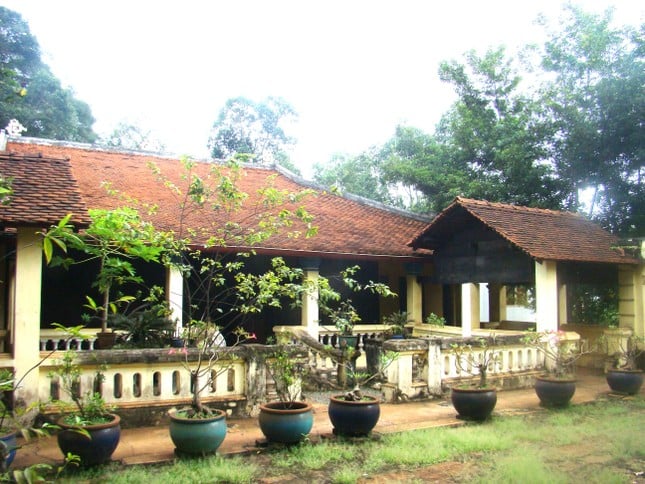 |
The small courtyard serves as both a place for rock gardens and ornamental plants, and provides light for the four surrounding houses. In front is the main altar, and in the center is another altar displaying a portrait of King Thành Thái. |
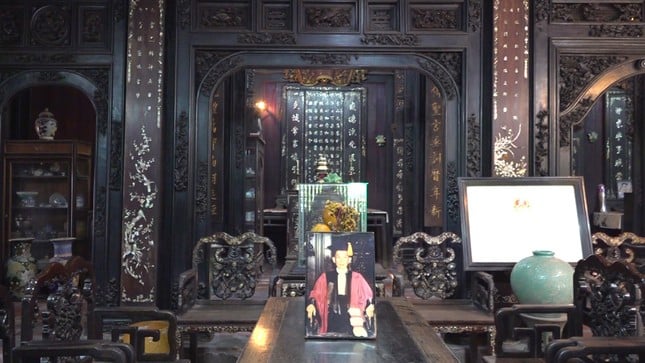 |
The rafters are all intricately carved, and the beams are curved. In front of the church is a three-bay house used as a guesthouse. Along the inner corridor, the owner has hung framed portraits of famous people and kings from several countries around the world , which are quite prominent and unique. |
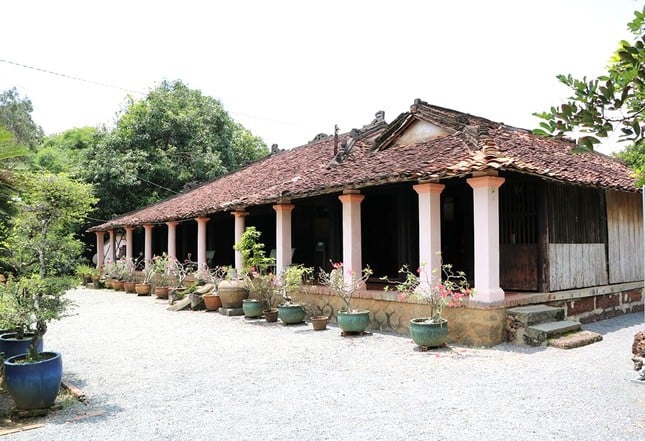 |
The Do Cao Thua ancient house on Bach Dang islet (Bach Dang commune, Tan Uyen city), built around the late 19th century, features a "Dinh" shaped architectural style. The house is constructed entirely of precious wood. |
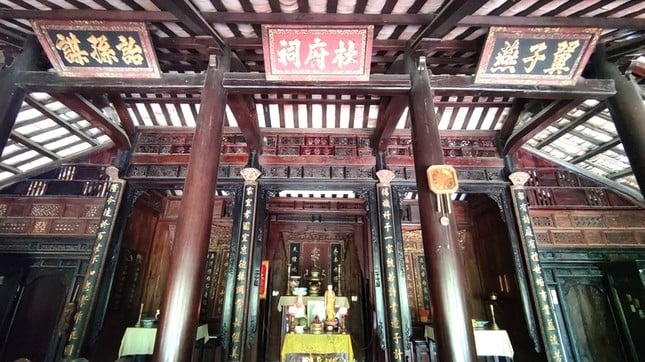 |
The house features ornate carvings, horizontal plaques, couplets, large inscriptions, and altars decorated with stylized patterns and themes such as dragons, unicorns, turtles, phoenixes, deer, birds, grapes, and squirrels, creating unique artistic and cultural features that reflect the distinct Vietnamese cultural style of Binh Duong at that time. |
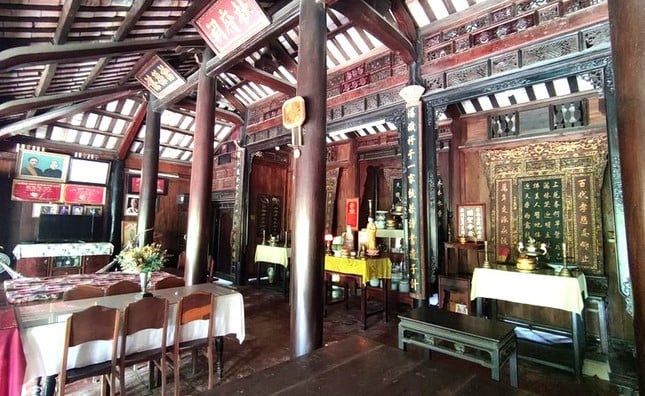 |
Inside the Do Cao Thua ancient house |
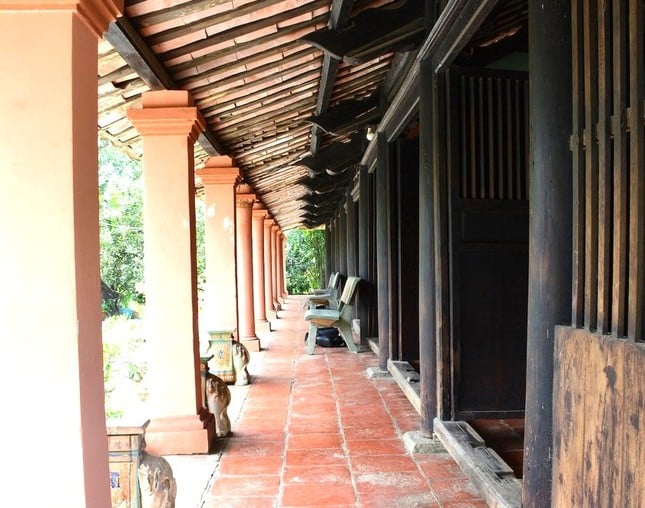 |
Outside the Do Cao Thua ancient house |
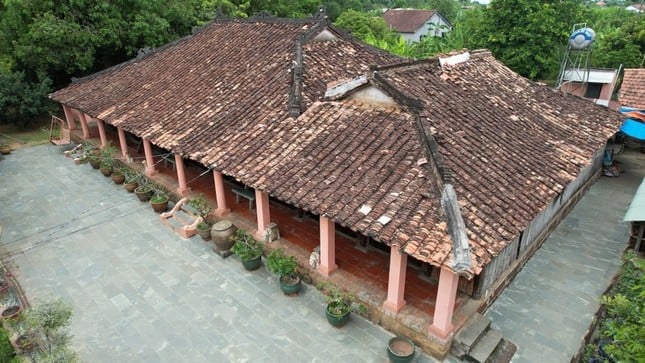 |
Do Cao Thua Ancient House |
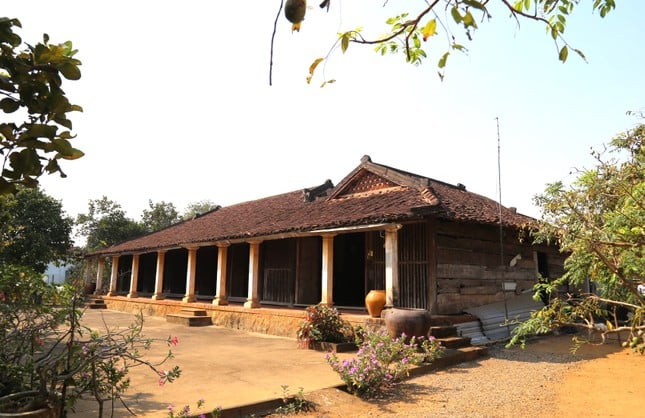 |
The Dương Văn Hổ ancient house in Điều Hòa hamlet (Bạch Đằng commune, Tân Uyên city) was built over a period of four years (from 1911-1914). The house sits peacefully and quietly in a garden full of fruit trees on the Bạch Đằng islet. |
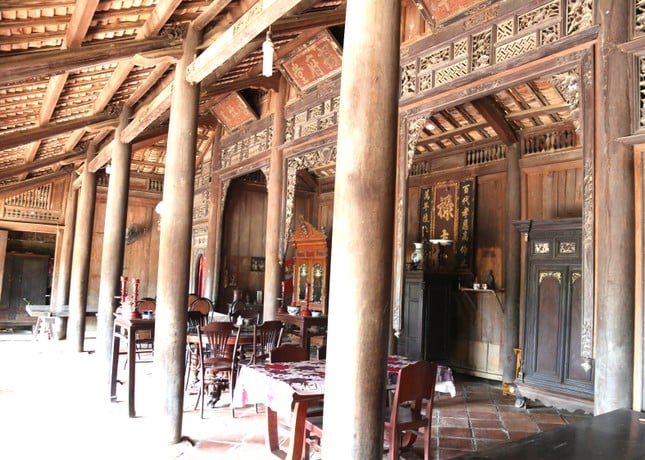 |
The Duong Van Ho ancient house is built on a high mound near the Dong Nai River. The total area of the site is over 2,935 square meters, including the main house and an annex; the main house faces east. |
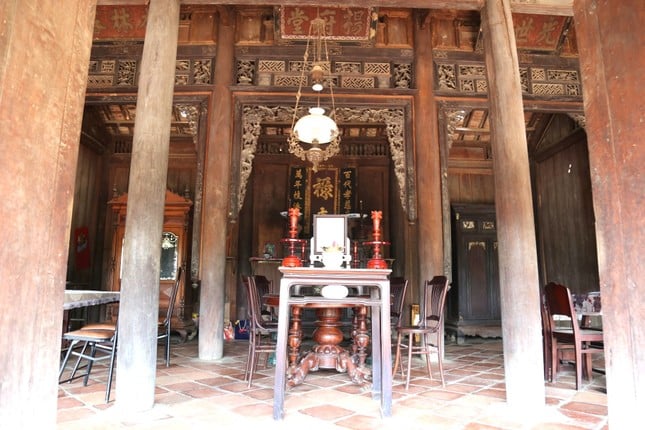 |
The house is built in the shape of the Vietnamese character "Đinh," a traditional style, with a yin-yang tiled roof, three main rooms, and two side wings. |
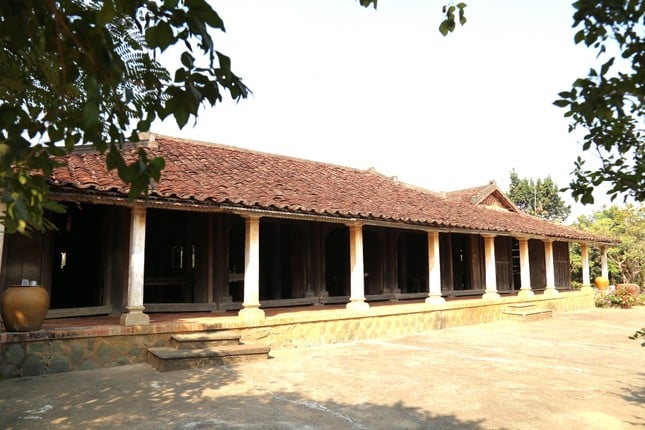 |
The house has 50 wooden columns (divided into 5 rows), built in a radial style with pairs of rafters and purlins, creating an ancient atmosphere. The entire frame of the house is made from precious woods such as rosewood, mahogany, and teak. |
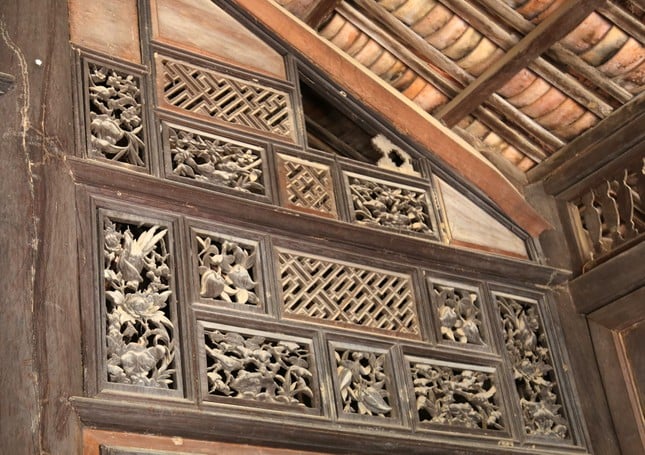 |
The ancient house of Duong Van Ho is hundreds of years old, yet the quality of the wood remains unchanged. |
Source: https://tienphong.vn/tan-thay-nhung-can-nha-cua-nguoi-xua-giau-nhat-o-binh-duong-post1638199.tpo

![[Photo] Prime Minister Pham Minh Chinh holds a phone call with the CEO of Russia's Rosatom Corporation.](/_next/image?url=https%3A%2F%2Fvphoto.vietnam.vn%2Fthumb%2F1200x675%2Fvietnam%2Fresource%2FIMAGE%2F2025%2F12%2F11%2F1765464552365_dsc-5295-jpg.webp&w=3840&q=75)

















































Comment (0)