

On the morning of November 29th, the National Assembly held its closing session under the chairmanship of National Assembly Chairman Vuong Dinh Hue. At the closing session, the National Assembly voted to approve a Resolution on continuing to implement several resolutions of the 14th National Assembly and from the beginning of the 15th term until the end of the 4th Session regarding specialized supervision and questioning.
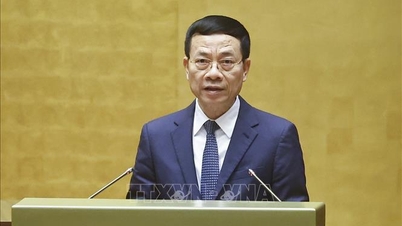
After hearing the report explaining, accepting, and revising the draft resolution presented by the Secretary General of the National Assembly and Head of the National Assembly Office, Bui Van Cuong, the National Assembly proceeded to vote on the resolution electronically.
The results of the electronic vote showed that 474 National Assembly deputies participated in the vote and approved (representing 95.95%). With a majority of deputies voting in favor, the National Assembly officially adopted the Resolution on continuing to implement a number of resolutions of the 14th National Assembly and from the beginning of the 15th term until the end of the 4th Session on specialized supervision and questioning.
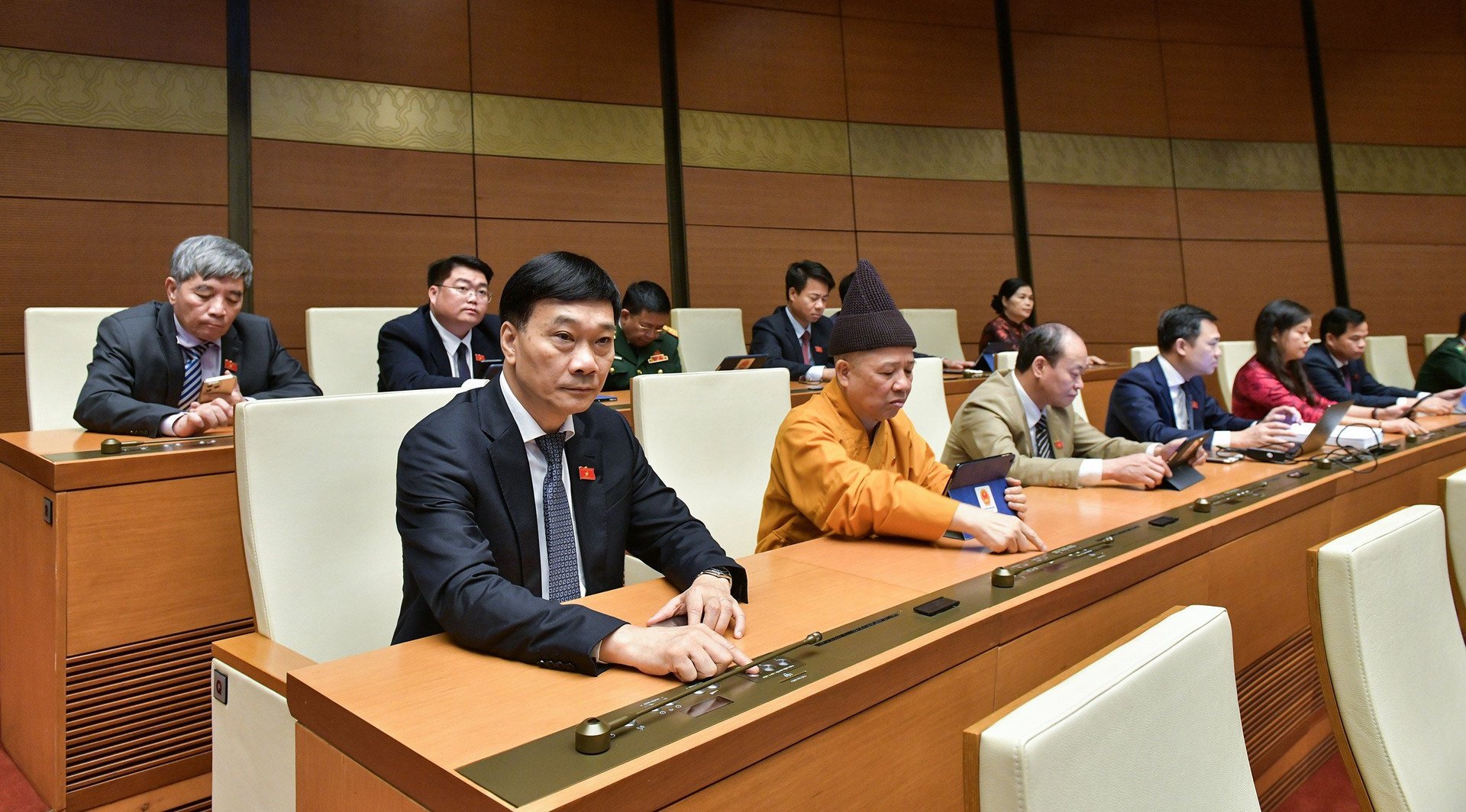
The Resolution on continuing the implementation of several resolutions of the 14th National Assembly and from the beginning of the 15th term to the end of the 4th Session on specialized supervision and questioning clearly states that the implementation of the National Assembly's resolutions has been carried out seriously and responsibly by the agencies, with many synchronized solutions, creating positive changes and achieving concrete results in most areas, making an important contribution to the successful implementation of the tasks, goals, and targets of socio-economic development each year according to the National Assembly's resolutions.
Regarding the field of resources and environment, the Resolution states that in 2024, the following plans should be approved: the Master Plan for Sustainable Exploitation and Use of Coastal Resources for the period 2021-2030, with a vision to 2050; the National Environmental Protection Plan for the period 2021-2030, with a vision to 2050; and the National Biodiversity Conservation Master Plan for the period 2021-2030, with a vision to 2050. National environmental standards and regulations on land reclamation activities should also be promulgated.
Implement measures for waste sorting at source, waste treatment, increased reuse and recycling, and reduced landfilling; strictly and effectively enforce the Law on Environmental Protection. Expeditiously issue a set of economic and technical norms for waste sorting at source, collection, transportation, and treatment of household waste. Improve the effectiveness of environmental monitoring; propose priority policies and resources, and develop and implement plans for addressing environmental pollution, especially waste, wastewater, and pollution in craft villages, industrial zones and clusters, river basins, and irrigation systems. Strictly inspect, monitor, and severely punish illegal mining activities. Enhance the ability to forecast and warn of natural disasters; implement structural and non-structural measures to effectively prevent and combat land subsidence and landslides.
Strengthen effective management of land originating from state-owned agricultural and forestry farms; address the shortage of production land and housing land for ethnic minorities. Strive to complete the construction of a national land information system and a standardized land database nationwide by 2025, linked with the population database.
Source

![[Image] Close-up of the newly discovered "sacred road" at My Son Sanctuary](/_next/image?url=https%3A%2F%2Fvphoto.vietnam.vn%2Fthumb%2F1200x675%2Fvietnam%2Fresource%2FIMAGE%2F2025%2F12%2F13%2F1765587881240_ndo_br_ms5-jpg.webp&w=3840&q=75)













































































Comment (0)