

Increase taxes to reduce tobacco consumption, protect people's health
Increasing tobacco taxes is not only an economic measure to reduce consumption, but also an opportunity to reinvest revenue into public health programs and protect people's health.
The healthcare burden caused by tobacco use in Vietnam is very high.
Vietnam is currently facing an alarming rate of tobacco use, with approximately 15.3 million people being direct smokers and millions more affected by secondhand smoke.
This places a significant burden on public health and the national healthcare system. In Vietnam, it is estimated that over 84,500 deaths occur annually due to active smoking, and 18,800 deaths are caused by diseases resulting from exposure to secondhand smoke. According to statistics from the Ministry of Health , the direct medical costs and economic losses due to tobacco in Vietnam are estimated at 108 trillion VND per year, five times the revenue from tobacco taxes.
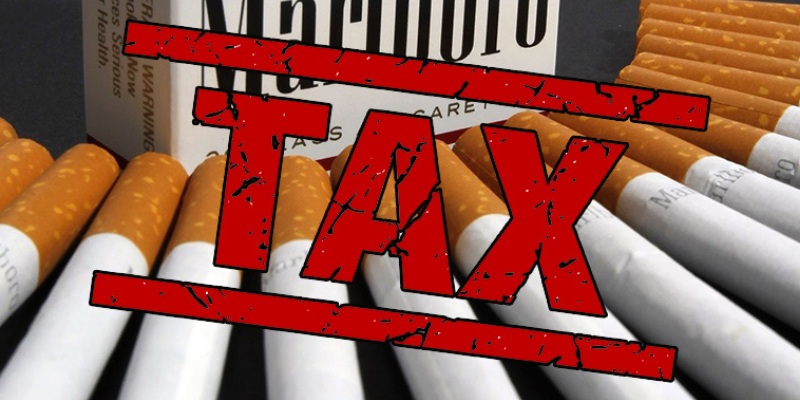 |
| Illustration photo |
Currently, the excise tax on tobacco accounts for only 38.8% of the retail price, much lower than the World Health Organization (WHO) recommendation of 70-75%. Therefore, increasing tobacco taxes could help reduce consumption, especially among young people and the poor.
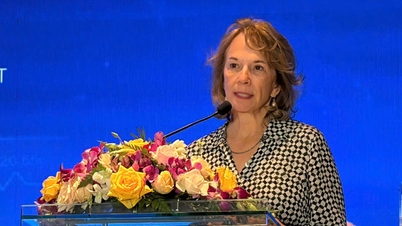
Ms. Phan Thi Hai, Deputy Director in charge of the Tobacco Harm Prevention Fund, emphasized that increasing taxes will reduce access to tobacco, thereby reducing usage rates, mortality, and health losses. Previously, Vietnam has implemented several tax increases, but the intervals between increases were too long, and the increases were too small, failing to create a sufficiently significant impact.
Further elaborating on this point, Ms. Hoang Thi Thu Huong from the Legal Department of the Ministry of Health stated that the tobacco tax was first implemented in 1999 at a rate of 45%, and has been adjusted over the years, but it has still not been strong enough to significantly reduce consumption.
If cigarette prices increase by 10%, consumption will decrease by 4-5% in low- and middle-income countries, and this effect is particularly noticeable for young people and the poor.
Agreeing with the increase in tobacco tax, Ms. Le Thi Thu, a specialist at the Campaign for Tobacco-Free Children, also affirmed that tobacco tax is an effective measure in the strategy to reduce tobacco consumption, and increasing the tax to the level recommended by the WHO is necessary.
According to the World Health Organization representative in Vietnam, imposing a tax with a clear roadmap, such as reaching 15,000 VND per pack by 2030, could reduce the smoking rate among men to 35.8%, while also increasing tax revenue for the national budget.
The total economic damage caused by tobacco in Vietnam amounts to 108 trillion VND annually, five times higher than the revenue from tobacco taxes. This is a huge cost that society is bearing. Therefore, increasing tobacco taxes is not only a health solution but also an effective measure to reduce the economic burden on the nation.
Benefits of increasing tobacco taxes
Increasing tobacco taxes has proven to be one of the most effective measures to reduce consumption.
According to studies by the World Health Organization (WHO), a 10% tax increase could reduce average tobacco consumption by 4% to 8%, especially in low- and middle-income countries like Vietnam. Young people and the poor are most vulnerable to price changes, as they have lower purchasing power.
Increasing taxes will reduce access to tobacco for teenagers and the poor, groups who are more vulnerable to being drawn into smoking habits due to a lack of knowledge and prevention skills.
This is one of the reasons why imposing high taxes on tobacco is an important solution in Vietnam's strategy to prevent and control the harmful effects of tobacco.
Increase government revenue and invest in public health. According to WHO forecasts, if Vietnam increases tobacco taxes, revenue from tobacco taxes could increase significantly, reaching tens of trillions of VND per year, contributing considerably to the national budget.
These revenues can be reinvested in public health programs, tobacco harm prevention, support for patients, or providing free smoking cessation services to those in need.
Increasing tobacco taxes also helps develop public health. Accordingly, the government can use the revenue from tobacco taxes to develop campaigns raising awareness about the harmful effects of tobacco, and create health education programs in schools, communities, and workplaces.
This will help raise community awareness, especially among the younger generation, who are at high risk of exposure to tobacco.
At recent National Assembly sessions, the issue of increasing tobacco taxes to reduce consumption has attracted much debate and criticism.
Some members of parliament argue that increasing taxes is an effective and urgent solution to reduce tobacco use rates and mitigate the serious health and economic consequences of tobacco.
Representative Hoang Thi Thanh Thuy, from the National Assembly delegation of Tay Ninh province, spoke at the session, emphasizing the importance of implementing a reasonable tax increase roadmap to prevent the dangers of tobacco to people's health, lives, and livelihoods, as well as its negative impact on the socio-economic system.
Members of parliament highly appreciated the government's proposal to apply a mixed tax calculation method to cigarettes, combining both tax rates and absolute taxes.
The goal is to achieve an absolute tax rate of VND 10,000 per pack of cigarettes by 2030, and for the tax to account for 75% of the retail price of cigarettes, as recommended by the World Health Organization (WHO). Ms. Thuy also emphasized the strategy of reducing the rate of tobacco use among men aged 15 and over to below 36% by 2030.
The delegate stated that, according to WHO statistics, tobacco causes 8 million deaths worldwide each year, including 1 million deaths from passive smoking. In Vietnam, approximately 70,000 people die annually from tobacco-related diseases.
The delegates pointed out that Vietnam is currently among the countries with the lowest cigarette prices and the highest smoking rates among men, resulting in significant economic losses, accounting for 1.14% of GDP annually.
Ms. Thuy also mentioned concerns about a sudden tax increase, which could lead to cigarette smuggling or negatively impact the tobacco industry and tobacco farmers. However, she asserted that the potential harms from tobacco far outweigh these concerns.
She proposed that the Government and the National Assembly consider a more significant tax increase, aiming for a tax rate of 75% and an absolute tax of 15,000 VND per pack by 2030, and that there should be a plan for annual tax increases to achieve the United Nations' tobacco control goals.
Furthermore, Representative Duong Khac Mai, from the Ho Chi Minh City National Assembly Delegation, also commented on the application of excise tax on cigarettes under Option 2, arguing that this is a reasonable option and will help reduce cigarette consumption quickly. Mr. Mai also suggested clarifying the regulations regarding the absolute tax rate applied to each pack of cigarettes to ensure the effectiveness of the policy.
Increasing tobacco taxes is an important and effective measure to reduce tobacco use rates in Vietnam, while also helping to reduce the burden of disease and economic losses caused by tobacco.




























![[Video] The craft of making Dong Ho folk paintings has been inscribed by UNESCO on the List of Crafts in Need of Urgent Safeguarding.](https://vphoto.vietnam.vn/thumb/402x226/vietnam/resource/IMAGE/2025/12/10/1765350246533_tranh-dong-ho-734-jpg.webp)
































































Comment (0)