

To effectively reduce consumption of cigarettes, alcohol, votive paper, and votive offerings and increase state budget revenue, National Assembly deputies proposed to sharply increase the special consumption tax (SCT) on these items.
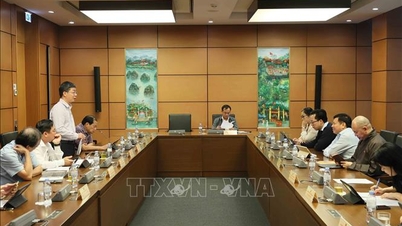
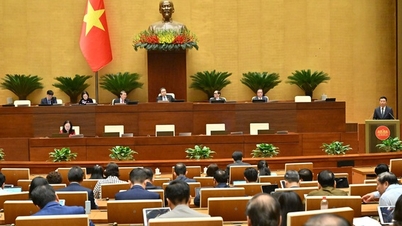
On the morning of November 22, continuing the 8th Session, the National Assembly discussed in groups the draft Law on Special Consumption Tax (amended). Group 15 included the National Assembly delegations of the provinces: Quang Tri, Yen Bai , Binh Phuoc and Binh Thuan. Deputy Head of the National Assembly Delegation of Binh Thuan province Nguyen Huu Thong chaired the discussion session.
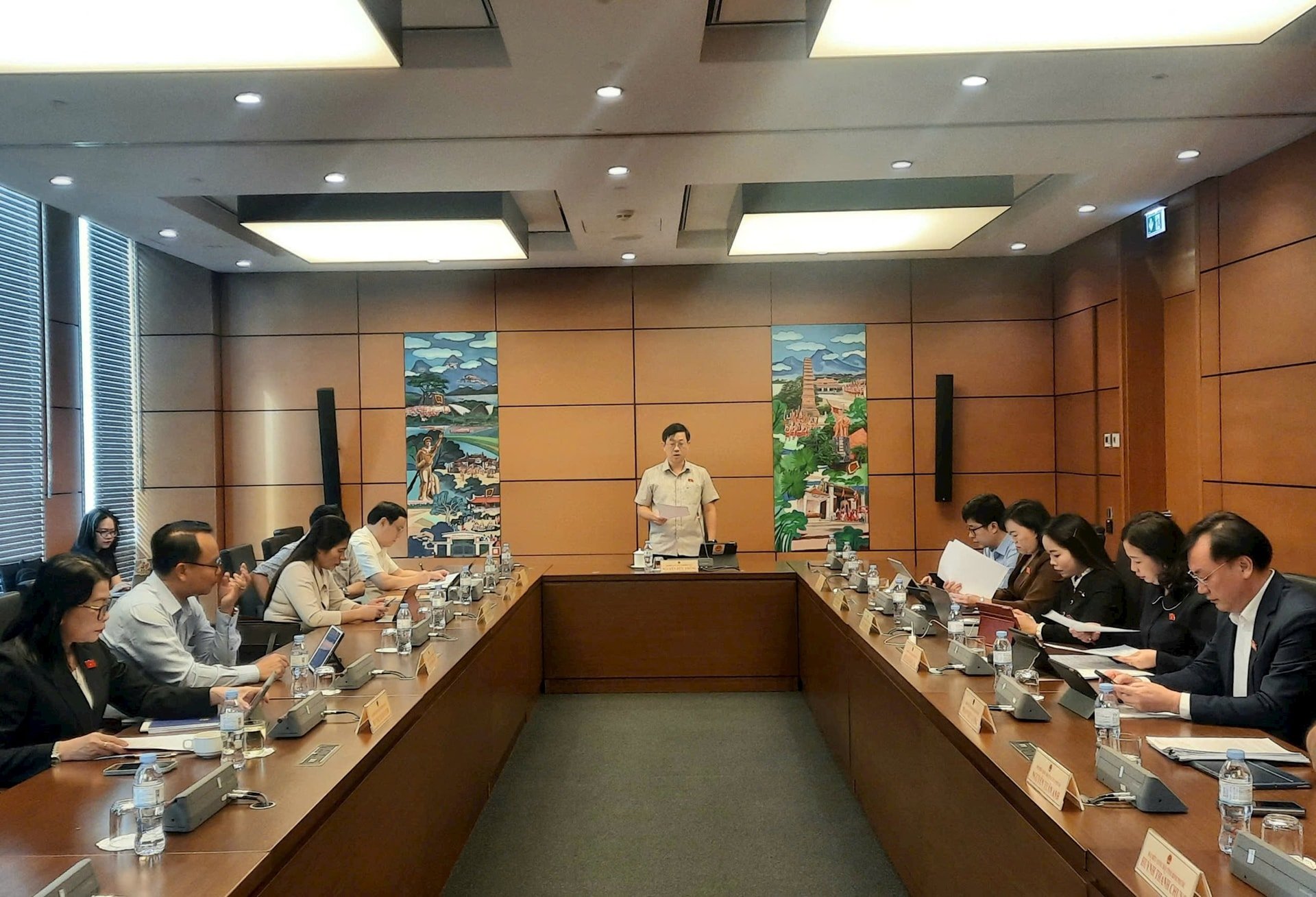
Increase tax rates on alcohol, beer, and votive offerings
During the group discussion, delegates unanimously agreed on the necessity of amending and supplementing the Special Consumption Tax Law. According to the delegates, the Special Consumption Tax Law has achieved many positive results over the past 16 years, contributing to guiding production and consumption, and stabilizing revenue for the state budget. However, the assessment revealed several shortcomings and emerging issues that need to be considered, adjusted, amended, and supplemented to promptly and fully institutionalize the Party's policies, contributing to overcoming the current law's obstacles and inadequacies, and aligning with the goals and strategic direction of tax system reform until 2030.
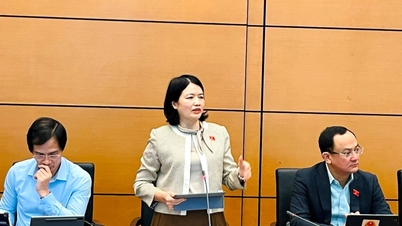
Contributing to the refinement of the draft Law, Representative Khang Thi Mao - from the National Assembly delegation of Yen Bai province - stated that regarding point a, clause 1, Article 2 on taxable subjects, which stipulates the tax on tobacco: She suggested that the drafting agency should consider significantly increasing the special consumption tax on tobacco products. The representative informed that, according to data from the World Health Organization, Vietnam has over 15.6 million smokers, accounting for 22.5% of the population; and ranks 15th in the world in terms of tobacco use, with an annual consumption of over 4 billion packs of cigarettes. Each year, society spends approximately 49,000 billion VND on tobacco purchases and about 108,000 billion VND on related healthcare costs.
The main reason is that Vietnam's tobacco prices and taxes are low compared to other countries in the region and the world. In 2019, the average price of a pack of the most popular brand of cigarettes in Vietnam was about 20,000 VND per pack, much lower than the average price in other countries, and we are among the countries with the lowest tobacco prices in the world. On the other hand, people's income increases much faster than the price of tobacco products. Therefore, to effectively reduce tobacco consumption and increase budget revenue, delegates recommended changing the tobacco tax policy in the direction of adding absolute taxes along with the current relative taxes to switch to a mixed tax system with a sufficiently large level.
“If a tax rate of VND5,000 per pack is applied from 2026, in addition to the current 75% tax rate, it will help significantly reduce the number of smokers. At the same time, the state budget revenue will increase by about VND14,000 billion per year. From 2027 to 2029, the special consumption tax will increase by VND3,000 per pack of cigarettes each year. Thus, by 2030, a tax rate of VND15,000 per pack of cigarettes in addition to the current 75% tax rate will be strong enough to reduce the number of smokers,” the delegate emphasized. In addition, the delegate also requested the drafting agency to consider, research, and add e-cigarettes as a taxable object.
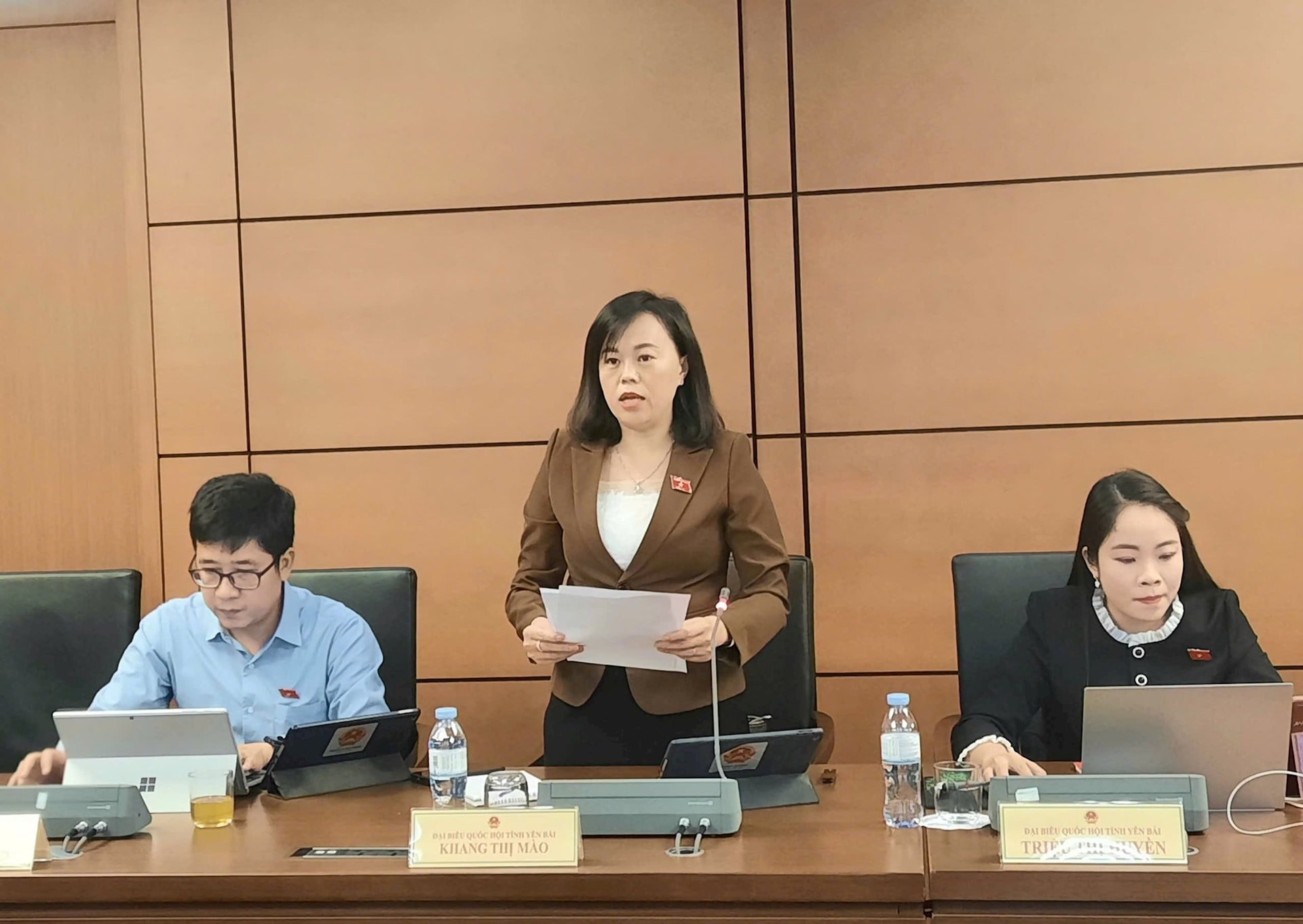
Regarding alcohol and beer products specified in Point b and Point c, Clause 1, delegate Khang Thi Mao said that currently, alcohol and beer consumption in Vietnam continues to increase, especially among young people, causing great impacts on health, the economy and increasing social problems. The price of alcohol and beer in Vietnam is currently very cheap, purchasing power is increasing strongly due to rapidly increasing income, while the price of alcohol and beer increases very slowly. Increasing taxes to increase the price of alcohol and beer products has been proven to have a strong impact on reducing demand, especially low-income consumers and teenagers will reduce consumption more when taxes and alcohol prices increase.
According to the delegate, calculations by scientific organizations show that if the special consumption tax on beer and wine above 20 degrees is increased from the current level of 65% to 85%, consumption will decrease by about 150 million liters of beer and about 3 million liters of wine, while state budget revenue will increase by about 10,000 billion VND. Therefore, to achieve the dual goal of improving people's health, especially the youth, the future of the country, and increasing state budget revenue, the delegate suggested that the drafting agency study increasing the special consumption tax on wine and beer to 85% immediately after the Draft Law takes effect, increasing by 5% each year, reaching a maximum of 100% in 2029, including wine below 20 degrees.
Regarding the votive offerings stipulated in Clause 1, Article 2, delegate Khang Thi Mao said that in recent years, the burning of votive offerings in Vietnamese ritual practices has tended to increase and become increasingly difficult to control. The abuse of votive offerings is currently exposing negative issues, destroying the true and good values of Vietnamese people's beliefs. Therefore, the delegate suggested that the drafting agency consider increasing the tax on votive offerings to 80% so that people can limit the current widespread burning of votive offerings, which causes waste, and help the state implement policies to regulate consumption, minimizing wasteful spending on luxury and unnecessary goods and services.
Do not tax gasoline products
Participating in the group's speech, delegate Bo Thi Xuan Linh - National Assembly Delegation of Binh Thuan province agreed with the need to promulgate the law. Commenting on the provisions in Clause 1, Article 2 on taxable subjects of the draft Law, the delegate said that point a, Clause 1 stipulates that tobacco includes many different types of products such as cigarettes, cigars, shredded tobacco... However, it is necessary to clarify the quality standards or handling methods for substandard products to ensure transparency in tax application. The delegate suggested adding electronic cigarette types to point a.
At point h, clause 1, the delegate proposed to remove the phrase: "except for the type designed by the manufacturer only to be installed on means of transport including cars, railway cars, ships, boats, and airplanes". According to the delegate, the above exclusions should not be regulated because the regulation on the type designed by the manufacturer only to be installed on means of transport including cars, railway cars, ships, boats, and airplanes is very easy to be exploited to avoid paying special consumption tax. On the other hand, regardless of the purpose of use, it must go through the process of production, circulation, purchase, sale, and exchange.
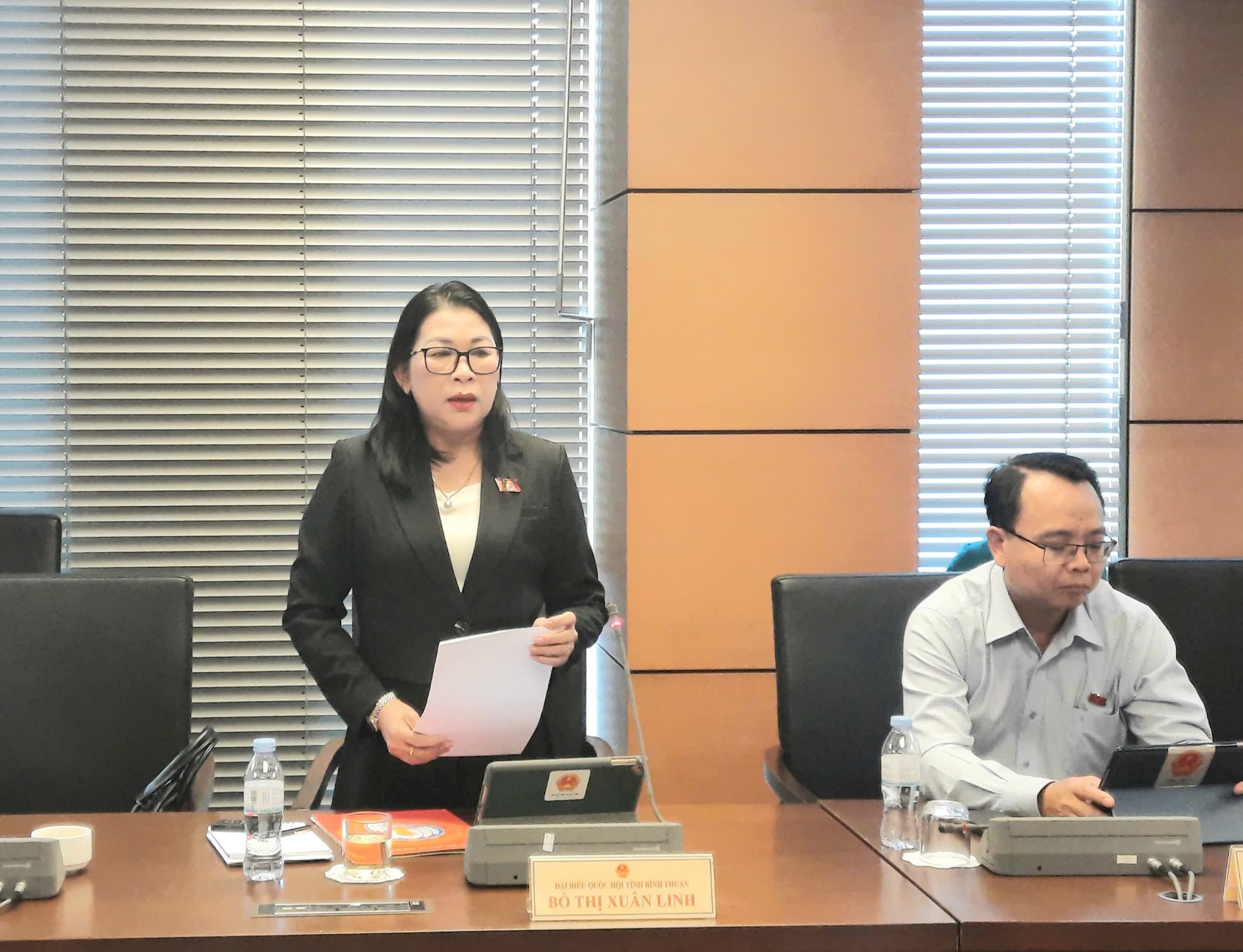
Representative Bo Thi Xuan Linh proposed that gasoline of all types (regular gasoline, E5 gasoline, E10 gasoline) as stipulated in point g of the clause not be subject to excise tax, because gasoline already has to pay environmental protection tax. The representative argued that imposing excise tax on gasoline would increase production costs and inflation. Furthermore, she stated that taxing gasoline but not diesel fuel would be unfair, given that diesel is a gasoline alternative fuel with a higher level of environmental pollution.
In addition, the delegate suggested considering including the item "Air conditioners with a capacity of 90,000 BTU or less" as stipulated in point h, clause 1, also subject to the special consumption tax rate. According to the delegate, in the current trend, the use of air conditioners has become an essential need for any citizen in their daily life and work....
Regarding the non-taxable subjects stipulated in Article 3 of the draft Law, delegate Bo Thi Xuan Linh proposed to re-edit point a in the direction of removing a phrase "within the limit exempted from import tax according to the provisions of the law on export tax and import tax" to avoid duplication (this phrase is used 02 times in point a which is unnecessary). At the same time, it is necessary to clarify more about the types of belongings of foreign organizations and individuals that are exempted from diplomatic immunity to ensure proper implementation of the provisions in point d, clause 2.
Regarding the tax rate regulations in Article 8, the delegate said that, according to the Special Consumption Tax Rate Schedule in Article 8, there are two options, the delegate agreed to choose the following options: For goods such as tobacco, alcohol, beer, it is recommended to choose option 2, in order to support and strongly promote the effective implementation of the Law on Prevention and Control of Tobacco Harms, the Law on Prevention and Control of Alcohol Harms, contributing to reducing the rate of tobacco, alcohol, beer use, improving people's health, reducing the burden of diseases caused by tobacco, alcohol, beer.
For goods such as "biologically powered cars, the tax rate is 50% of the tax rate applied to the same type of cars specified in points 4a, 4b, 4c and 4d..." of the Tariff is still too high, not having a strong incentive effect to develop this type of environmentally friendly goods in the current trend; therefore, the delegate proposed to reduce it to about 30% to 40%.
Source: https://baotainguyenmoitruong.vn/dai-bieu-quoc-hoi-de-xuat-tang-thue-tieu-thu-dac-biet-voi-ruou-bia-vang-ma-383529.html


![[Photo] Explore the US Navy's USS Robert Smalls warship](/_next/image?url=https%3A%2F%2Fvphoto.vietnam.vn%2Fthumb%2F1200x675%2Fvietnam%2Fresource%2FIMAGE%2F2025%2F12%2F10%2F1765341533272_11212121-8303-jpg.webp&w=3840&q=75)













































































Comment (0)