

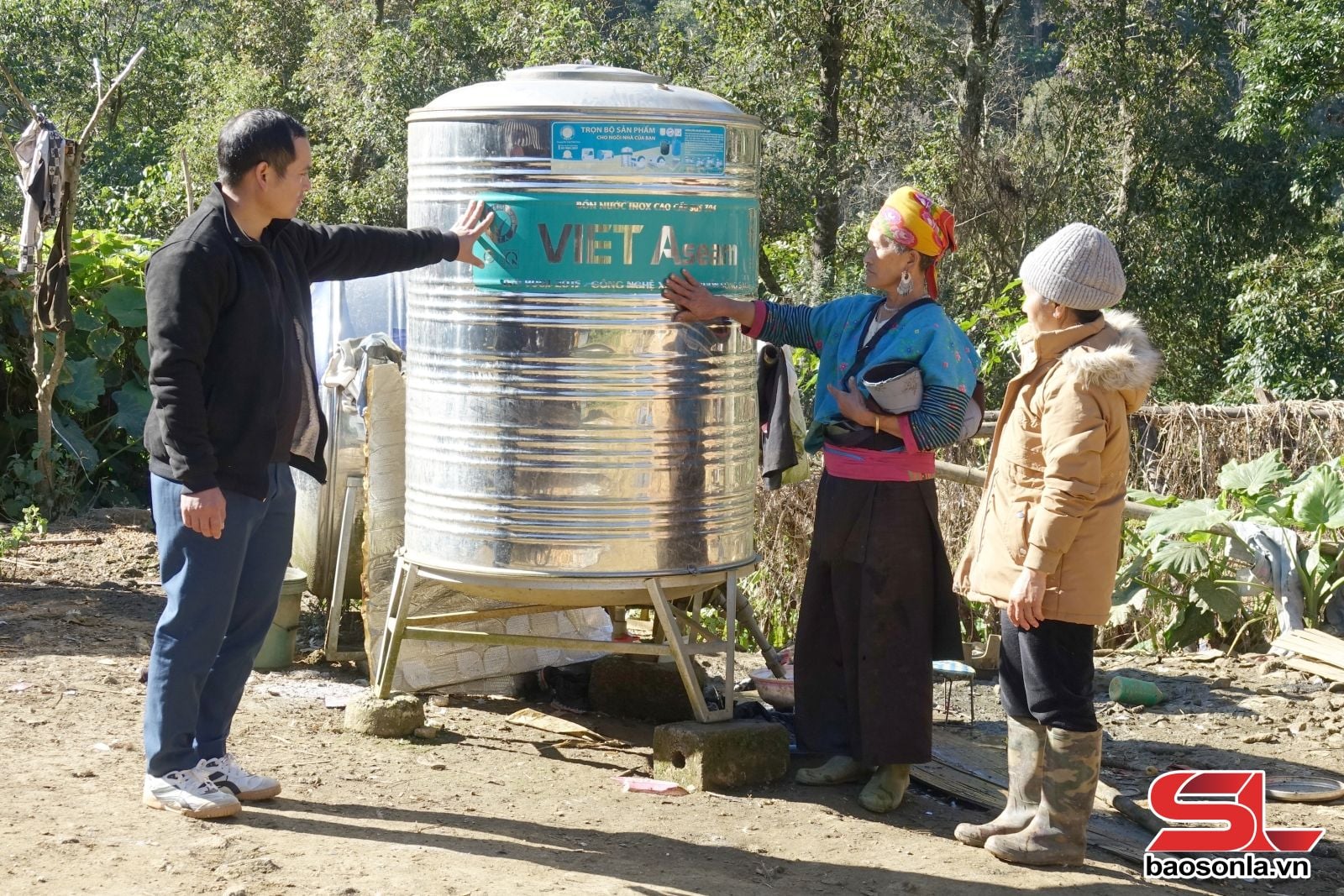
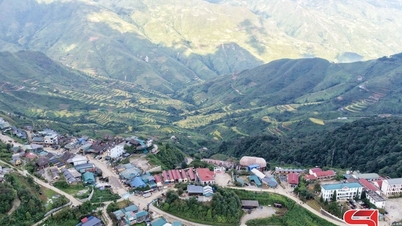
Co Ma was merged from 3 communes Co Ma, Co Tong and Pa Long. Currently, the commune has 33 villages, 2,877 households, with more than 14,500 people; of which, Mong ethnic people account for over 90%. The terrain is fragmented, many villages are far from the center; infrastructure is not synchronous; agricultural production mainly relies on slash-and-burn farming; the rate of poor and near-poor households is high. Before the merger, all 3 communes were in a particularly difficult situation, with limited investment resources and poor people's lives.
Immediately after receiving the National Target Program on Socio -Economic Development for Ethnic Minorities and Mountainous Areas (2021-2025) (Program 1719), the Party Committee and the communal government focused on identifying urgent needs, prioritizing infrastructure, housing, domestic water, and livelihood models. Mr. Ly A Chu, Chairman of the People's Committee of Co Ma Commune, said: Every year, the commune assesses each poor and near-poor household to determine appropriate support needs. Along with resources from the State, the commune coordinates to open many technical training classes, instructing people on scientific methods of raising livestock and growing crops. At the same time, creating conditions for households to access loans for economic development.
The most visible change is in the field of transportation. The 4 km long road through the three villages of Tia La, Xa Nha A, and B used to be a dirt road, muddy in the rainy season, and it took people many hours to transport agricultural products to the commune center. Since 2024, the road has been upgraded with investment capital from Program 1719, creating convenience for people to travel and trade goods. Mr. Mua A Lau, Tia La village, shared: In the past, transporting corn and cassava was very difficult, and in the rainy season it was almost impossible to travel. Now the road is clear, purchasing vehicles go all the way to the village, people feel more secure in production.
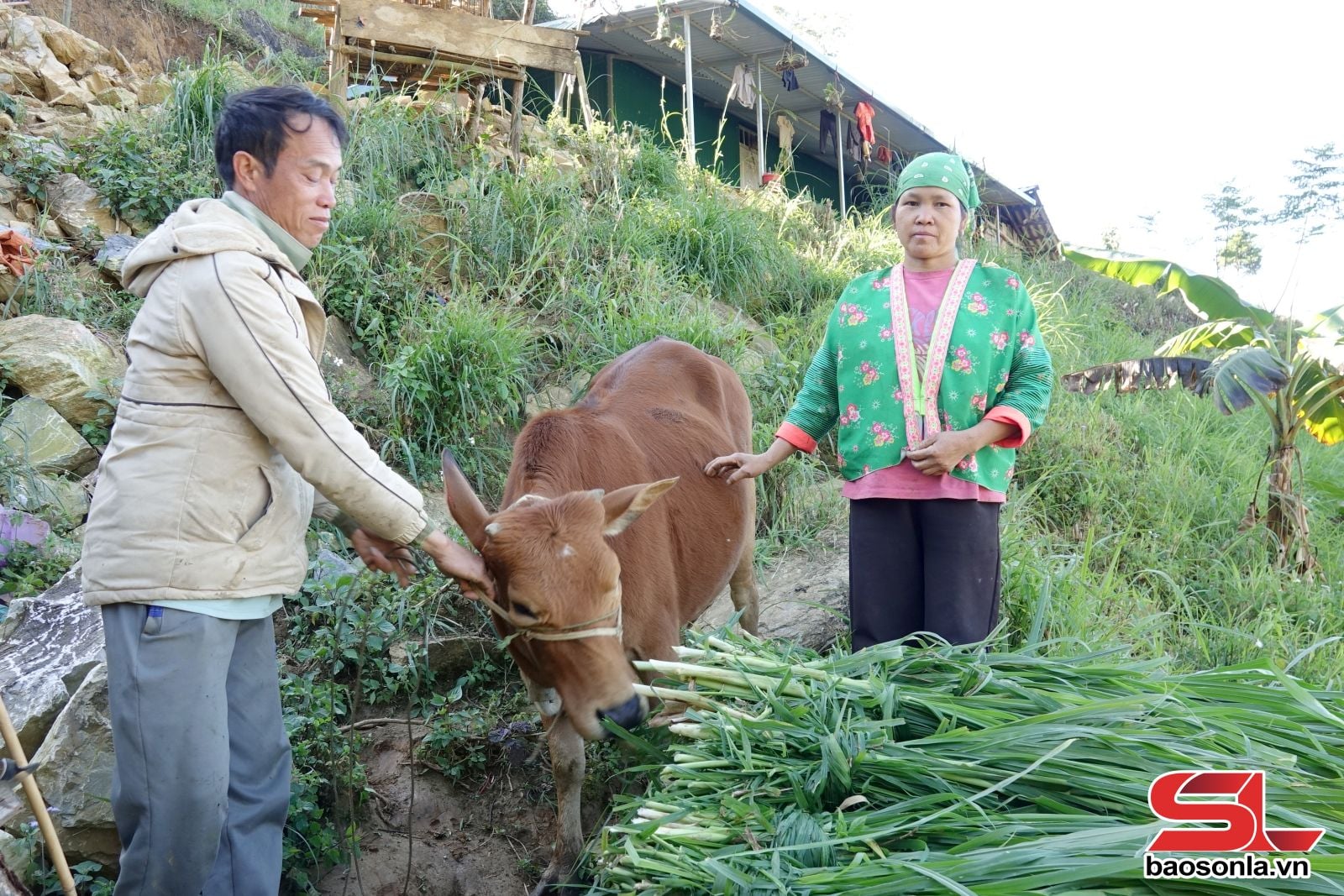
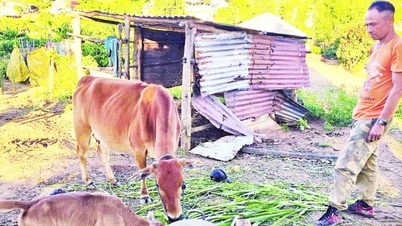
Not only has transportation been improved, livelihood models have also received practical investment, meeting the needs of each village and household. From 2024 to now, the commune has supported hundreds of livestock and poultry of all kinds; provided water tanks for daily life; and supported the removal of temporary houses for households in difficulty. In particular, concentrated livestock projects are showing positive results, typically the project to raise breeding cows in Tinh La and Tia villages with a total cost of nearly 1.8 billion VND; the horse breeding project with more than 410 million VND helps people expand their herds, creating a stable source of income. In addition, nearly 500 million VND has been allocated to support water tanks, contributing to overcoming the shortage of domestic water - one of the major difficulties of people in the highlands.
Taking us to visit some families that received cow support in the village, Mr. Vang A Mai, Party Cell Secretary, Head of Co Ma village, said: In 2024, the village received support with 42 cows, 10 water tanks and 4 temporary houses were removed. In addition to providing breeds, people were instructed on techniques to be more proactive, the barns were made solid, clean, and separate from the living area. New water tanks were installed on the porch to help people have more favorable living conditions, not having to walk kilometers to carry each can of water like before. Many households in the village have known how to calculate rotating investments, raising cows for breeding, keeping female calves to increase the herd.
Mr. Mua Khua Xa’s family, a poor household in Co Ma village, received support for cows. Mr. Xa shared: Thanks to the State’s support and technical guidance, I built a solid barn and prepared adequate food. The cows are growing well, and the family is determined to escape poverty this year.
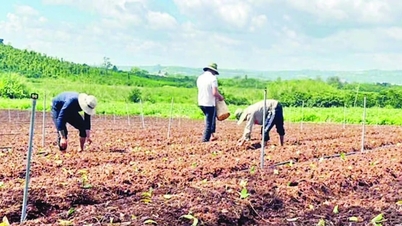
Agricultural production has many changes, the whole commune cultivates more than 3,378 hectares of food crops, with an output of over 8,690 tons/year. The coffee area remains 85 hectares, of which 15 hectares are harvested with an output of about 6 tons of fruit/hectare. Fruit trees cover 282 hectares, including 152 hectares of hawthorn and 130 hectares of various fruit trees. Livestock farming continues to develop in the direction of commodities, with over 4,500 buffaloes, cows, 4,512 pigs, 1,896 goats and more than 42,000 poultry. Disease prevention and winter barn cover are carried out regularly, preventing epidemics. The whole commune has more than 10,699 hectares of forest, with a coverage rate of 49.9%.
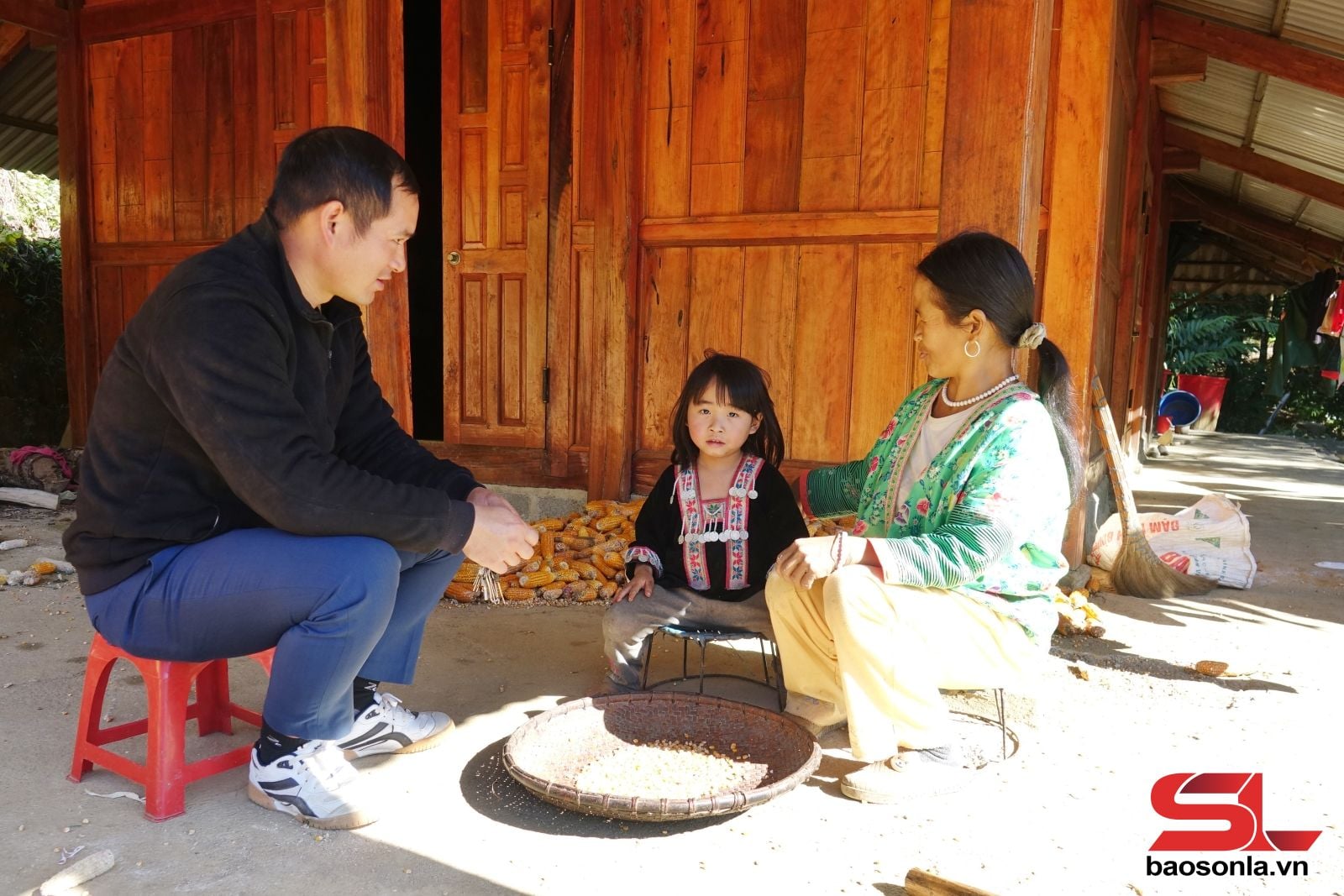
With the attention of the State and the efforts of the Party Committee, the government and the people, the appearance of the highland commune of Co Ma is changing day by day. In 2025, the rate of poor and near-poor households will decrease by 6.18% compared to 2024. This is an important basis for the commune to strive to escape the status of special difficulty by 2030.
Source: https://baosonla.vn/xa-hoi/tao-dong-luc-phat-trien-o-xa-vung-cao-co-ma-uiS2eEZvg.html


![[Photo] Cat Ba - Green island paradise](/_next/image?url=https%3A%2F%2Fvphoto.vietnam.vn%2Fthumb%2F1200x675%2Fvietnam%2Fresource%2FIMAGE%2F2025%2F12%2F04%2F1764821844074_ndo_br_1-dcbthienduongxanh638-jpg.webp&w=3840&q=75)


























![[VIMC 40 days of lightning speed] Da Nang Port: Unity - Lightning speed - Breakthrough to the finish line](https://vphoto.vietnam.vn/thumb/402x226/vietnam/resource/IMAGE/2025/12/04/1764833540882_cdn_4-12-25.jpeg)



































Comment (0)