

According to forecasts, severe cold weather may continue for the next few days, affecting crop growth. In light of this situation, the agricultural sector, local authorities, and farmers are focusing on implementing solutions to protect winter-spring crops and minimize damage caused by the cold and rain.

Farmers are out in the fields thinning seedlings in a timely manner to encourage early and concentrated tillering of rice plants - Photo: LA
At this time, many farmers in localities across the province are focusing on working in the fields to protect their rice crops from the cold. Mr. Nguyen Van Thanh from Hai Duong commune, Hai Lang district, said that his family sowed more than 0.5 hectares of rice this winter-spring season. Currently, the rice plants are in the tillering stage. Despite the unfavorable weather, with rain, cold temperatures, and low water levels, he has been regularly checking on his fields in recent days, adjusting the water level in the rice paddies to 2-3 cm to keep the rice plants warm.
According to Mr. Thanh's experience, during periods of severe cold weather when rice plants are weak, farmers need to maintain a layer of water on the surface of the fields to both keep them warm and help them grow. If the cold weather continues, they can spray growth stimulants to increase resistance, protect against the cold, and help the rice plants develop roots. They should not apply nitrogen fertilizer or pesticides at this time. When the weather warms up again, they should add more water to the fields, apply fertilizer, and weed, creating favorable conditions for root development and strong tillering of the rice plants.
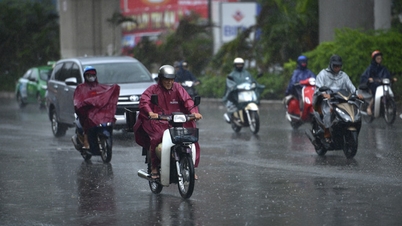
According to Thai Thi Kim Tuyen, head of the Plant Cultivation and Protection Station of Hai Lang district, the entire district planted over 6,800 hectares of rice during this year's winter-spring crop. Currently, the rice plants are mainly in the seedling stage – beginning to tiller. However, due to the influence of cold air, since January 22nd, the district has experienced rain accompanied by severe cold, causing flooding in many low-lying rice fields. In the coming days, the continued severe cold weather and rain will negatively affect the growth of crops, especially some newly sown rice fields (3-5 days old), which are at high risk of serious damage.
To proactively respond to and minimize damage caused by early-season cold rains, and to ensure crop development, the Plant Protection and Quarantine Station has guided cooperatives and localities to implement timely drainage measures, strengthen ditch clearing to quickly drain water from rice fields, especially newly sown rice and rice in the seedling stage, promptly regulate sluice gates and sluices, mobilize the maximum capacity of electric pumping stations, and increase the use of individual pumps (diesel pumps) to drain water as quickly as possible. During cold, rainy weather, absolutely no nitrogen fertilizers or mixed fertilizers containing nitrogen such as NPK, NK, foliar fertilizers, or growth stimulants should be applied; and no herbicides should be sprayed when the temperature is below 18 degrees Celsius.
Utilize locally available composted organic fertilizer, wood ash, etc., mixed with phosphorus fertilizer at a rate of 8-10 kg/sao (approximately 1000 square meters) and spread evenly on the field surface to retain warmth and enhance nutrient supply for the rice plants. For rice fields with 3 leaves or more, maintain a water level of 1-2 cm, avoiding drying out or excessively deep water. After the severe cold spell ends and the weather returns to warm sunshine, apply topdressing fertilizer to encourage tillering, combined with thinning, weeding, and replanting to allow the rice field to recover and develop.
For vegetables and legumes, it is necessary to create raised beds and drainage ditches to prevent waterlogging in the fields. Do not sow vegetable crops when the weather is still severely cold, with temperatures below 16 degrees Celsius. Apply well-rotted manure, microbial organic fertilizer, and phosphorus fertilizer, combined with mulching using humus, straw, or rice husks to retain warmth and moisture for the plants. For leafy vegetables, cover them with white plastic sheeting during prolonged periods of rain and cold.
In addition, regular field inspections are necessary to promptly detect the effects of unfavorable weather and pests and diseases. Pay attention to early-season pests such as rats, golden apple snails, white-backed planthoppers, thrips, rice blast disease, physiological yellowing of leaves, etc., and apply timely and effective control measures.
According to statistics from the Plant Protection and Quarantine Sub-Department, the province has so far planted approximately 25,600 hectares of rice, about 2,000 hectares of corn, 1,700 hectares of peanuts, and 7,000 hectares of cassava. In addition, tens of thousands of hectares of long-term industrial crops such as coffee, rubber, pepper, and fruit trees are currently bearing fruit, differentiating flower buds, flowering, and producing new leaves.
According to Bui Phuoc Trang, head of the Plant Protection and Quarantine Sub-Department, this cold spell, with its low and prolonged temperatures, coincides with the growth period of various crops. Most concerning are the newly sown rice fields (3-5 days old) where the rice plants haven't yet taken root; and the flower and fruit drop on industrial and fruit crops.
Mr. Trang noted that for rice plants, farmers need to maintain a water level of about 2/3 of the plant's stem to keep it warm. Avoid applying nitrogen fertilizer during severe cold weather; instead, increase the application of wood ash or potassium to enhance the rice's cold resistance. Do not use herbicides on rice plants in rainy, cold weather with temperatures below 18 degrees Celsius, as this will affect growth and may kill the rice. Prepare the necessary equipment (water pumps of sufficient capacity, etc.) to promptly drain water from low-lying areas when heavy rains cause flooding, preventing prolonged waterlogging of the rice plants.
Rice fields affected by cold weather, experiencing slow growth, and late-season rice crops (after January 25th) require increased care and the use of foliar fertilizers such as Atonic, super phosphate, and Potassium Humate... to help the rice plants recover quickly, produce strong and concentrated tillers, and shorten the growth period.
In addition, it is necessary to focus on caring for and implementing measures to protect fruit trees and vegetables from the cold. This includes increasing the use of wood ash and organic fertilizers to enhance cold resistance. In the early morning, if there is frost, farmers should use water sprayers to rinse the leaves to prevent leaf burn. Areas ready for harvest should be harvested early to avoid losses.
In addition, it is necessary to proactively plan for flood control when heavy rains occur. When the weather is dry and warm, it is necessary to carry out care, thinning and replanting to ensure density, and early and balanced NPK fertilization for rice fields according to the correct procedures to help the rice plants grow healthily from the beginning of the season, increasing their resistance to pests and unfavorable external conditions.
Le An
Source

![[Image] National Assembly discusses the implementation of the socio-economic development plan.](https://vphoto.vietnam.vn/thumb/1200x675/vietnam/resource/IMAGE/2026/04/20/1776696707422_ndo_br_img-20260420-185419-jpg.webp)


![[Photo] General Secretary and President To Lam meets with National Assembly delegates from ethnic minorities.](https://vphoto.vietnam.vn/thumb/1200x675/vietnam/resource/IMAGE/2026/04/20/1776696701056_a1-bnd-8331-3342-jpg.webp)
























































































Comment (0)